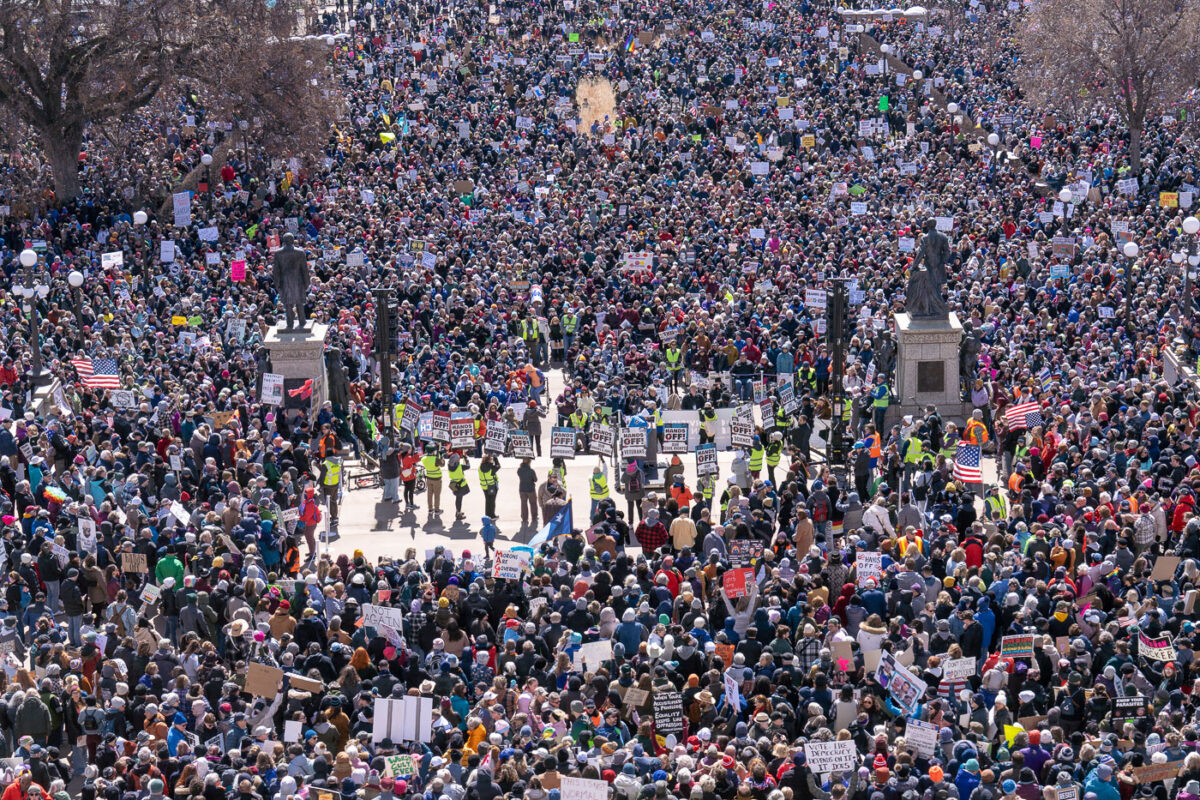
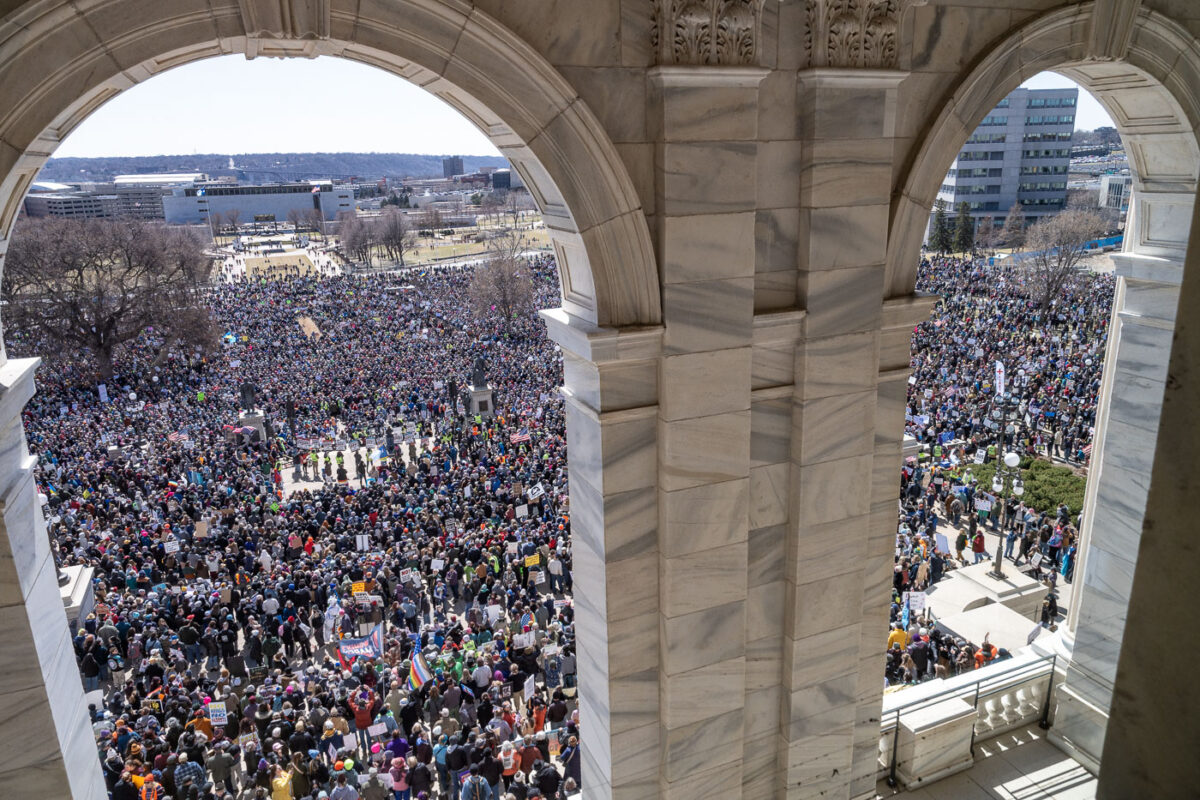
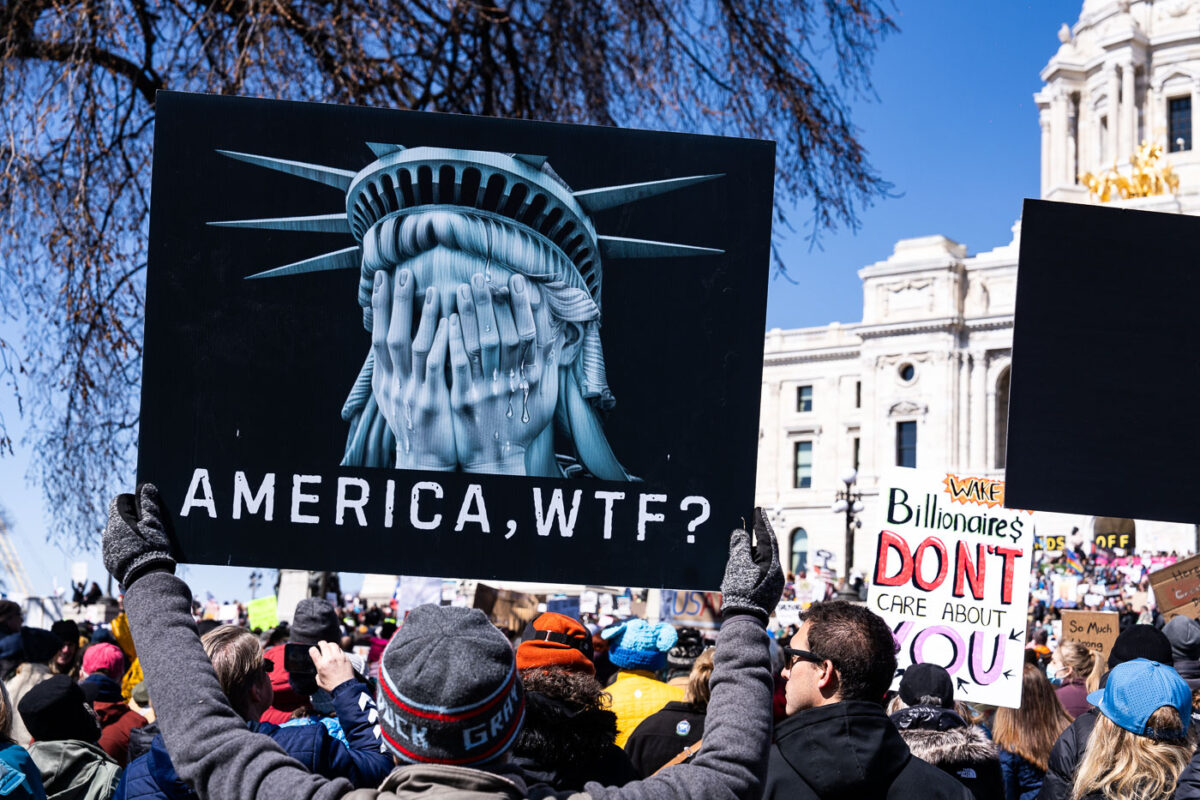
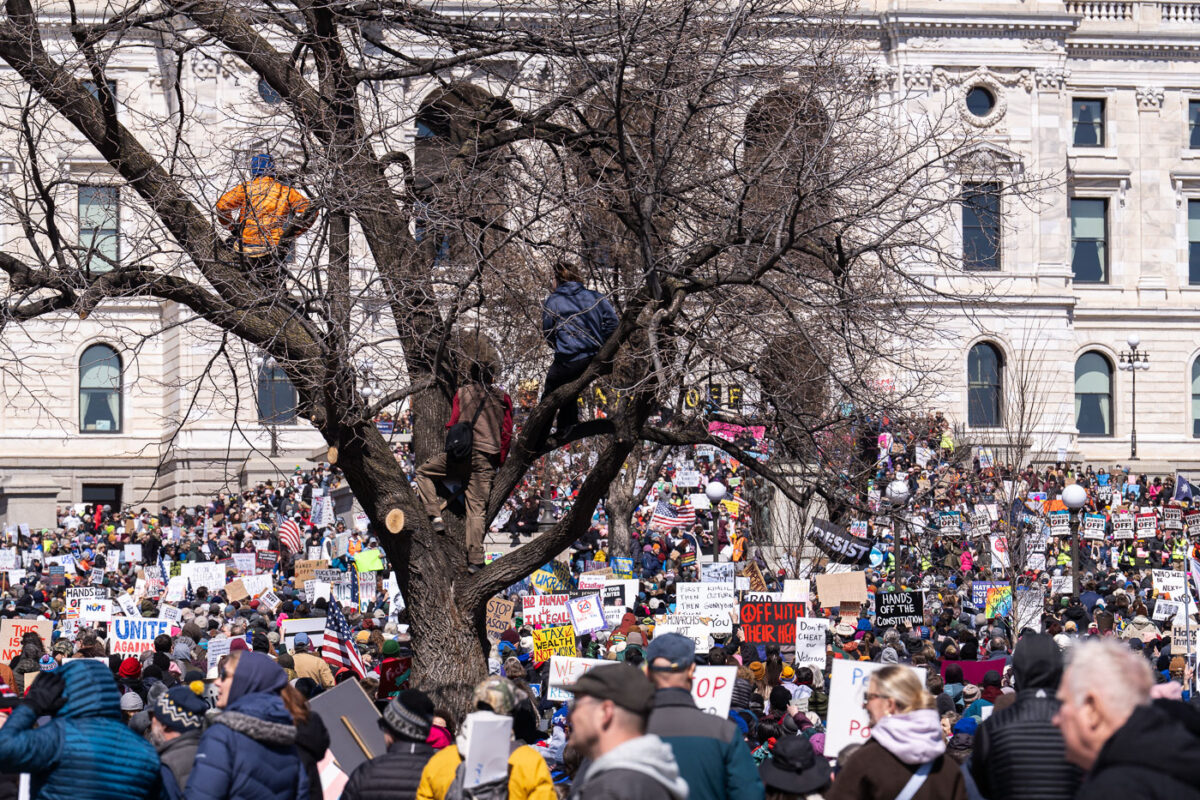
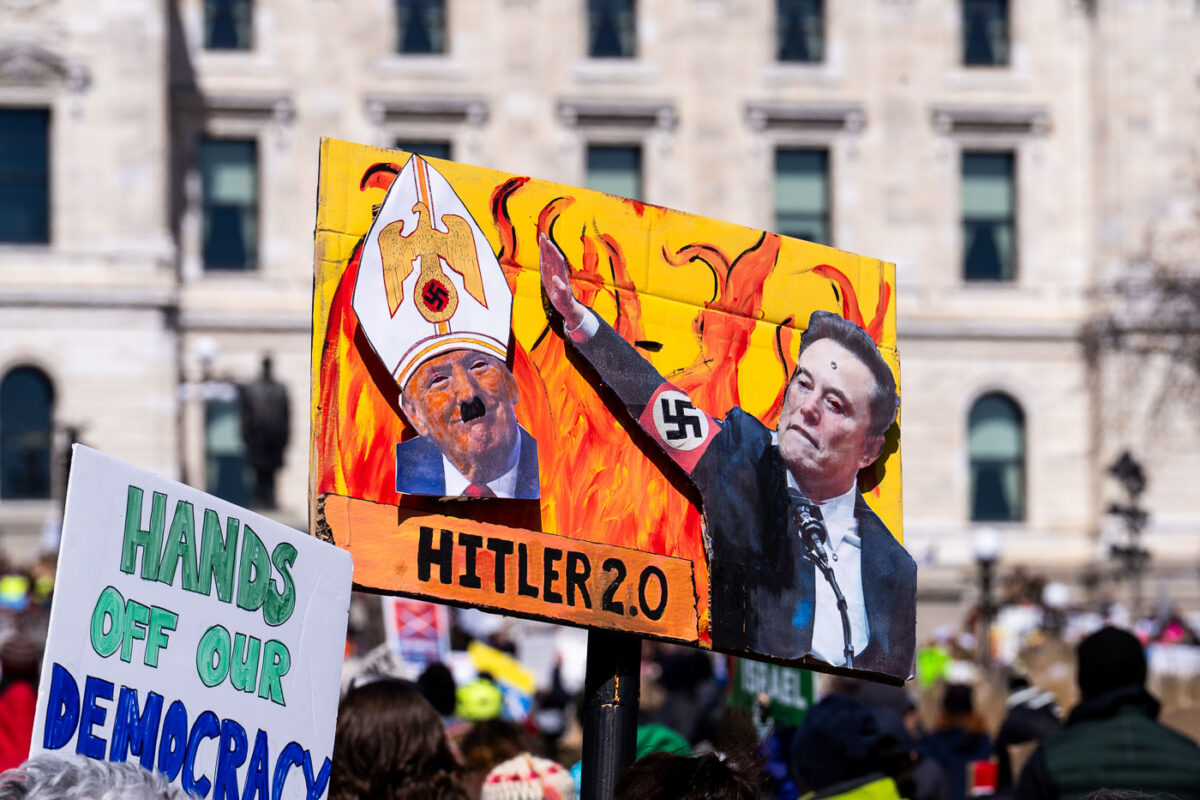
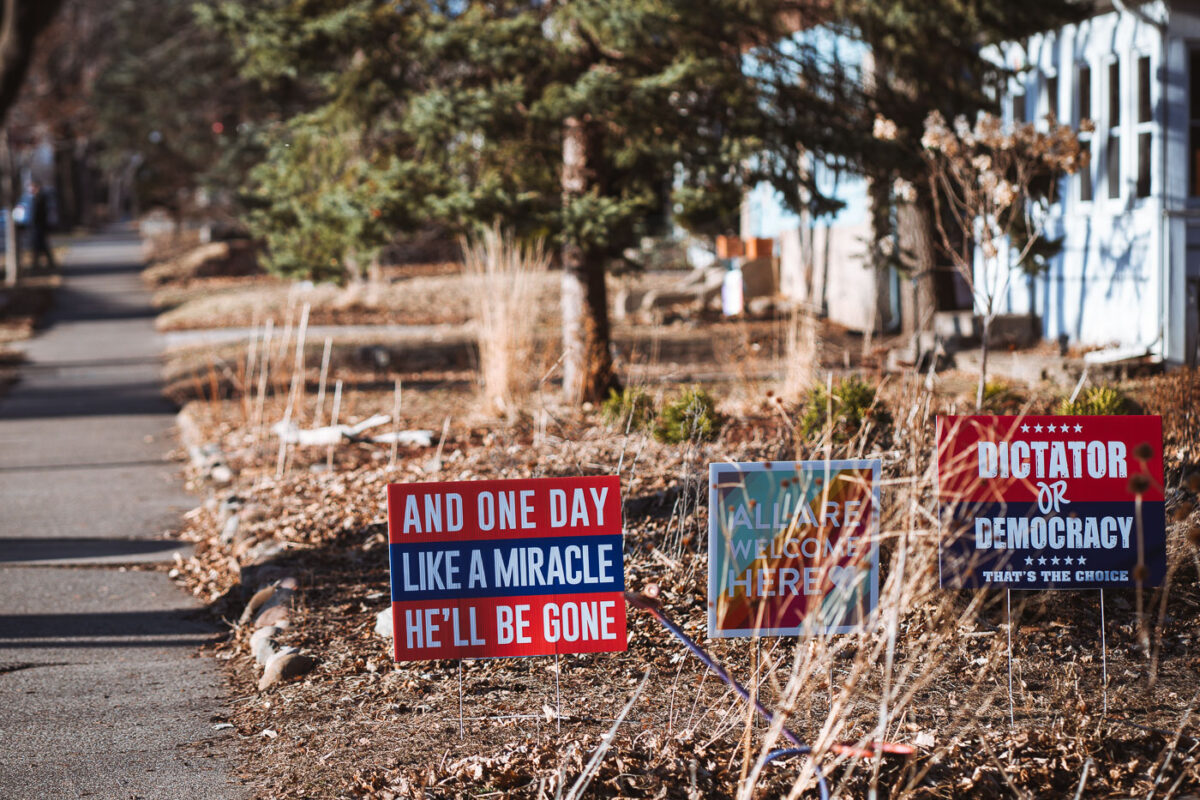
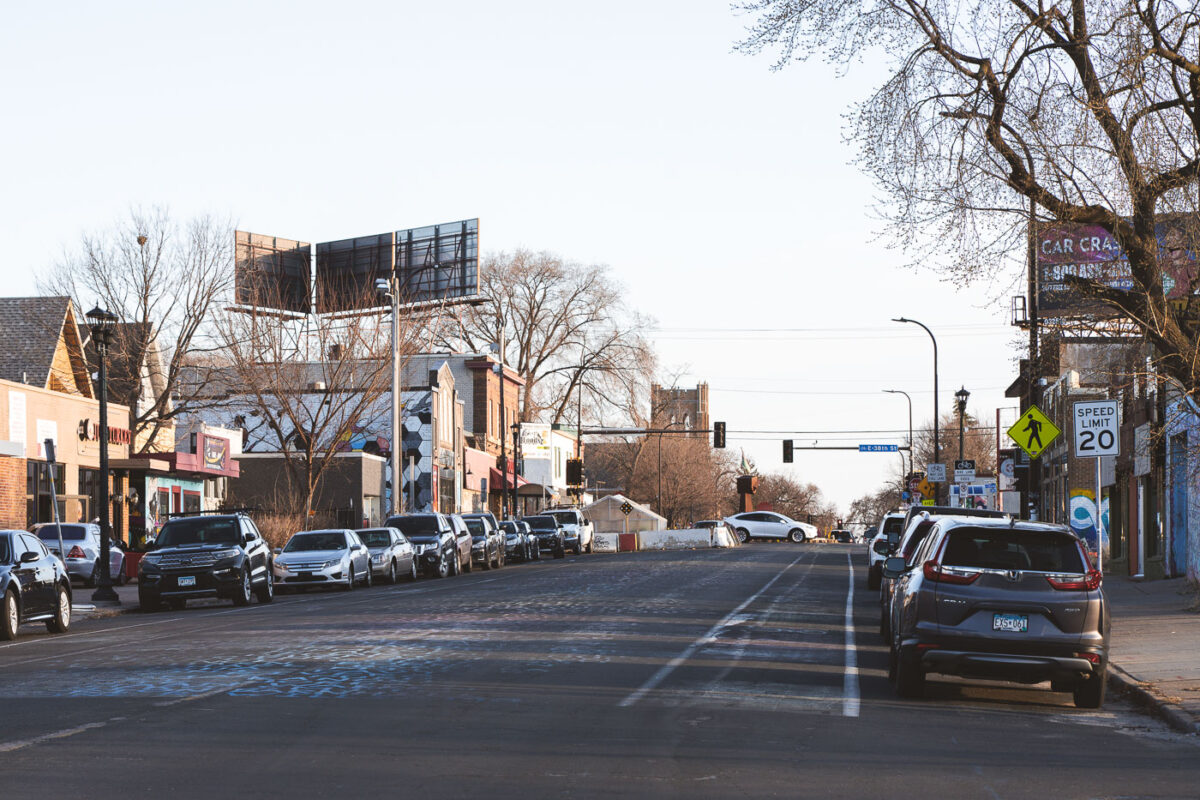
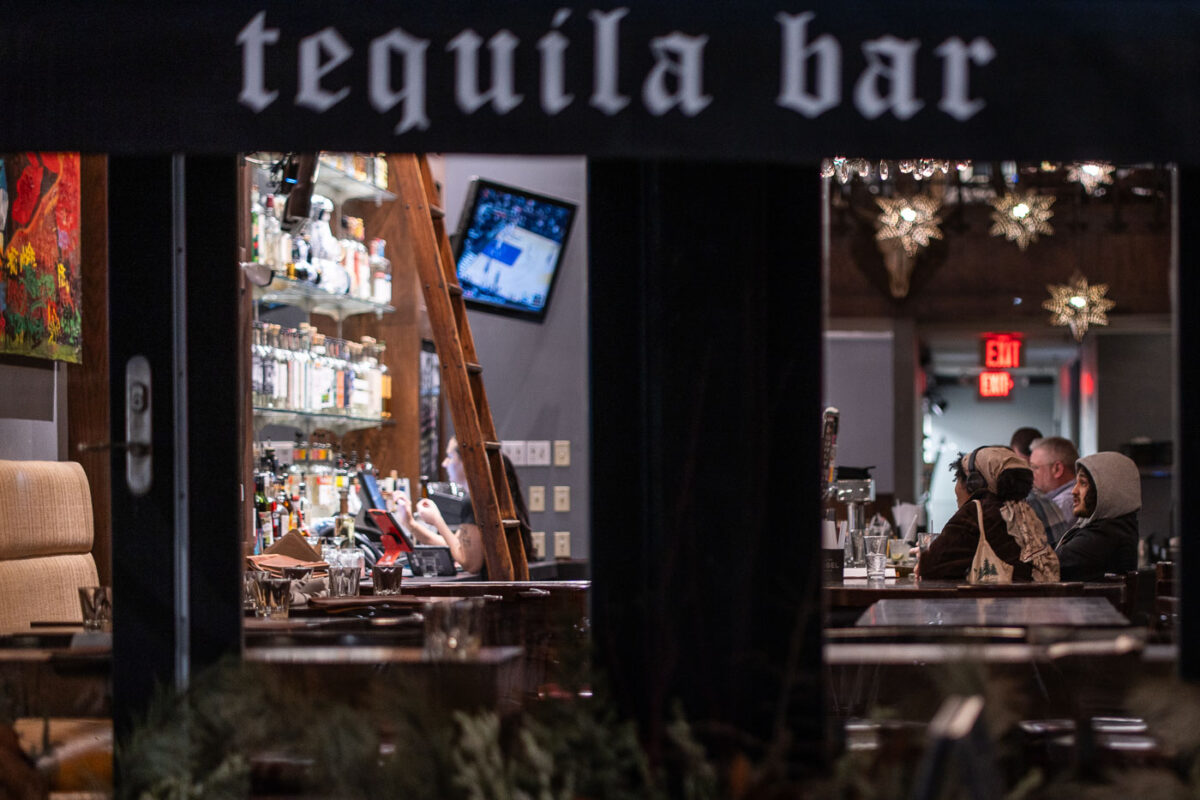
April 5, 2025 — Senator Amy Klobuchar addresses a crowd at a "Hands Off!" protest held at the Minnesota State Capitol. The protest, which drew an estimated 25,000 participants, advocated for the protection of the U.S. Postal Service, a critical piece of national infrastructure. The Minnesota State Capitol, completed in 1905, serves as the seat of government for the state of Minnesota and is a frequent site for public gatherings and political expression. Such rallies at the Capitol underscore the building's role as a public forum for citizens to voice concerns on national and state political issues.April 5, 2025 — A large protest gathered at the Minnesota State Capitol in St. Paul, with an estimated 25,000 participants according to the Minnesota State Patrol. This event was part of the nationwide "Hands Off!" protests, addressing various political concerns. The Minnesota State Capitol, designed by Cass Gilbert and completed in 1905, functions as the primary seat of state government. Its grounds frequently host public assemblies and rallies, serving as a significant forum for civic engagement and political discourse in Minnesota.April 5, 2025 — A large protest, part of the nationwide "Hands Off!" movement, gathered an estimated 25,000 people at the Minnesota State Capitol in St. Paul. The event took place on the Capitol grounds, a significant public space for political assembly and discourse in Minnesota. Designed by Cass Gilbert and completed in 1905, the Minnesota State Capitol building itself is a prominent example of Beaux-Arts architecture, serving as the seat of the state's government. Protesters utilized the historic grounds to express their views, holding signs during the rally.April 5, 2025 — A protestor holds a sign during the "Hands Off!" protest at the Minnesota State Capitol. The sign, depicting a crying Statue of Liberty and the phrase "AMERICA, WTF?", conveyed a message of national concern or disillusionment. This event was part of a nationwide series of "Hands Off!" protests, drawing an estimated 25,000 participants to the Capitol grounds. The Minnesota State Capitol, completed in 1905, regularly serves as a significant public forum for citizens to express political and social concerns.April 5, 2025 — An estimated 25,000 individuals assembled at the Minnesota State Capitol in St. Paul for a 'Hands Off!' protest, part of a nationwide series of rallies. The Minnesota State Capitol, completed in 1905 and designed by Cass Gilbert, frequently serves as a public forum for civic engagement and dissent. During this protest, participants held signs addressing various political and social issues, including immigration and calls to 'Resist.' Several individuals climbed trees on the Capitol grounds, seeking a better view of the proceedings. Such gatherings underscore the building's role as a significant site for public expression and political discourse in Minnesota.April 5, 2025 — A protest sign featuring caricatures of Donald Trump and Elon Musk labeled 'Hitler 2.0' is displayed during a public gathering. This sign was part of the nationwide 'Hands Off!' protests held at the Minnesota State Capitol. The Minnesota State Patrol estimated approximately 25,000 individuals participated in the rally at the Capitol grounds. The Minnesota State Capitol, completed in 1905, frequently serves as a site for public assemblies and political expression, reflecting its role as the seat of state government.April 8, 2025 — Political yard signs stand along a residential sidewalk in South Minneapolis, amidst winter's dry grass and bare trees. These signs, including messages like "Dictator or Democracy — That’s the Choice," "All Are Welcome Here," and "And One Day Like a Miracle He’ll Be Gone," serve as public expressions of political and social sentiment. They reflect the intense national political discourse and local community values prevalent in Minneapolis during recent election cycles. Such displays transform neighborhood spaces into forums for civic engagement, highlighting both the divisions and aspirations within American society.April 8, 2025 — George Floyd Square, located at the intersection of Chicago Avenue and East 38th Street in Minneapolis, is shown in April 2022. This area has served as a continuous site of protest and remembrance since the May 25, 2020 murder of George Floyd. The square functions as a community-maintained memorial and gathering space, reflecting its ongoing cultural and historical significance. Barricades and street art are present, marking the area as a dedicated public space for reflection and advocacy.April 8, 2025 — Patrons gather inside Barrio Tequila Bar, a restaurant located on Nicollet Mall in Downtown Minneapolis. Nicollet Mall is a prominent pedestrian and transit thoroughfare, serving as a central commercial and social hub for the city since its redesign in the 1960s. Barrio operates as a popular dining and nightlife establishment, contributing to the vibrant atmosphere of the downtown area. This interior view was documented in April 2025.April 9, 2025 — A panel discussion titled 'The People's Way' took place during the MSP International Film Festival in Minneapolis. Following a screening of the film 'The People's Way,' Director William Tyner, Minneapolis City Council Member Robin Wonsley, Activist Toshira Garraway, George Floyd Global Memorial's Jeanelle Austin, and Hennepin County Commissioner Angela Conley engaged in a discussion. The film and subsequent panel addressed themes related to the Minneapolis Uprising and the ongoing significance of George Floyd Square. This event provided a platform for community leaders and filmmakers to reflect on the historical context and societal impact of these critical moments in Minneapolis.April 11, 2025 — The rooftop patio at Cowboy Jack's in downtown Minneapolis is shown in April 2025, serving as a popular outdoor social space. This establishment, situated within a multi-story brick building, contributes to the commercial and cultural vitality of the city center. Such venues are integral to the urban experience, offering gathering points in a district that has been central to Minneapolis's recent history and ongoing development.April 11, 2025 — Patrons socialize and dance inside Last Call bar, situated on N 5th Street in downtown Minneapolis. As a prominent nightclub, Last Call contributes to the social and entertainment offerings of the city's core. Venues like this serve as vital gathering places, fostering community interaction and leisure activities within the urban environment. Downtown Minneapolis has historically functioned as a commercial and cultural center, and its nightlife establishments play a role in the district's continued vitality.April 11, 2025 — A Metro Transit light rail train travels along Hennepin Avenue in Downtown Minneapolis at night. This public transit system, which began operation with the Blue Line in 2004, connects key areas of the city and region, including the Warehouse District. The train is approaching the Warehouse District/Hennepin Avenue station, a vital stop serving the vibrant entertainment and residential district. On a warm evening, pedestrians and passengers utilize the street and transit, highlighting the area's ongoing activity as a central urban corridor.April 12, 2025 — A Minneapolis Police squad car is towed from Lagoon Avenue in Uptown Minneapolis. This event took place during a period of widespread civil unrest in the city, known as the Minneapolis Uprising. Lagoon Avenue, a major commercial and residential corridor, was a focal point for protests and related activities following the murder of George Floyd in May 2020. The towing of police vehicles reflects the operational challenges and societal tensions present during this historically significant period.April 12, 2025 — A street vendor serves patrons outside the historic Uptown Theater at the intersection of Hennepin Avenue and Lagoon Avenue in Uptown Minneapolis. The theater, a prominent cultural landmark since its opening in 1939, is illuminated by its marquee, advertising an event for April 17. This nighttime gathering around the vendor's cart reflects the lively commercial and social atmosphere of the Uptown neighborhood, a long-standing center for entertainment and retail in the city.April 15, 2025 — A surveillance camera is positioned on the Pleasant Avenue Bridge, overlooking the Midtown Greenway in Minneapolis. The Midtown Greenway, a 5.5-mile-long rail-with-trail corridor, was developed from a former railway line into a vital path for pedestrians and cyclists. Security cameras like this are deployed in urban environments to monitor activity and enhance public safety along transportation routes. Their presence in Minneapolis public spaces reflects ongoing efforts to maintain order and address security concerns.April 15, 2025 — Construction is underway at the former Minneapolis Police 3rd Precinct station in Minneapolis. The building sustained significant damage from arson during protests in May 2020, which erupted following the murder of George Floyd. This site became a focal point during the Minneapolis Uprising, symbolizing widespread public unrest and demands for police accountability. The current work addresses structural damage and prepares the property for its future use or redevelopment.April 15, 2025 — A protest flyer is affixed to a street pole in Minneapolis, Minnesota. The flyer advertises a "Community Assembly" scheduled for January 19, calling to "Defeat Trump's Extreme-Right Billionaire Agenda." The event was planned to take place at Andersen United Middle School, located at 1008 Andersen Lane, and was organized by the Party for Socialism and Liberation (PSL), advocating for immigrant rights, workers' rights, LGBTQ+ rights, and environmental concerns. Such flyers serve as a common form of public communication for grassroots political organizing, reflecting local activism and public sentiment during a period of significant national political debate.April 27, 2025 — The removal of the front vestibule at the former Minneapolis Police 3rd Precinct station marks a phase in the site's re-development. This structure has remained vacant and damaged since it was set on fire on May 28, 2020, during protests and civil unrest following the murder of George Floyd. The deconstruction reflects the lasting impact of the Minneapolis Uprising. The future of the site is part of ongoing community discussions regarding its historical significance and potential for new purpose.April 30, 2025 — Motorcyclists utilize the sidewalk along Lagoon Avenue in Uptown Minneapolis. This practice is observed in the area, often providing direct access to local establishments like McDonald's. The commercial district of Uptown, including Lagoon Avenue, experienced altered traffic patterns and public space dynamics during and after the 2020 Minneapolis Uprising. Such adaptations in urban mobility reflect local practices and responses to changing street conditions.