April 2022
Minneapolis Uprising – April 2022
Streets, storefronts, and memorials across Minneapolis two years after the murder of George Floyd
In April 2022, Minneapolis was navigating a city still visibly shaped by the events of 2020 and the months that followed. The announcement that no charges would be filed against the officer who shot and killed Amir Locke on February 2nd brought protesters back into the streets downtown, with the BRAPB motorcyclists and marchers moving through the city days after the decision was made public.
The broader arc of unresolved questions ran through almost every corner of the city that month. The Minnesota Department of Human Rights released findings on April 27th confirming that the Minneapolis Police Department had engaged in a pattern of racial discrimination in violation of the Minnesota Human Rights Act, a report that made the front pages of both the Star Tribune and the Pioneer Press. At George Floyd Square, the intersection of 38th Street and Chicago Avenue remained a living memorial two years after Floyd's murder, with the city's "38th and Chicago Re-envisioned" planning process soliciting public feedback on what the area should become.
Some sites carried the weight of incidents that had accumulated between 2020 and this period. The Seven Points parking ramp in Uptown had been closed since June 2021, when Winston Smith was shot and killed by law enforcement officers on its rooftop. The ramp remained fenced off and barricaded nearly a year later. On Lake Street, the lot where an O'Reilly Auto Parts store was destroyed during the 2020 unrest was under construction for a new housing development, while the Everlake apartment building, damaged by fire during that same period, had been rebuilt and reopened.
The city in April 2022 was neither the acute crisis of 2020 nor a resolved aftermath. Businesses on Lake Street and Lyndale Avenue were open. Construction was underway. Memorials held their ground. The Minnesota Human Rights Act findings landed into that unsettled middle state, adding institutional weight to demands that had been made in the streets for nearly two years.
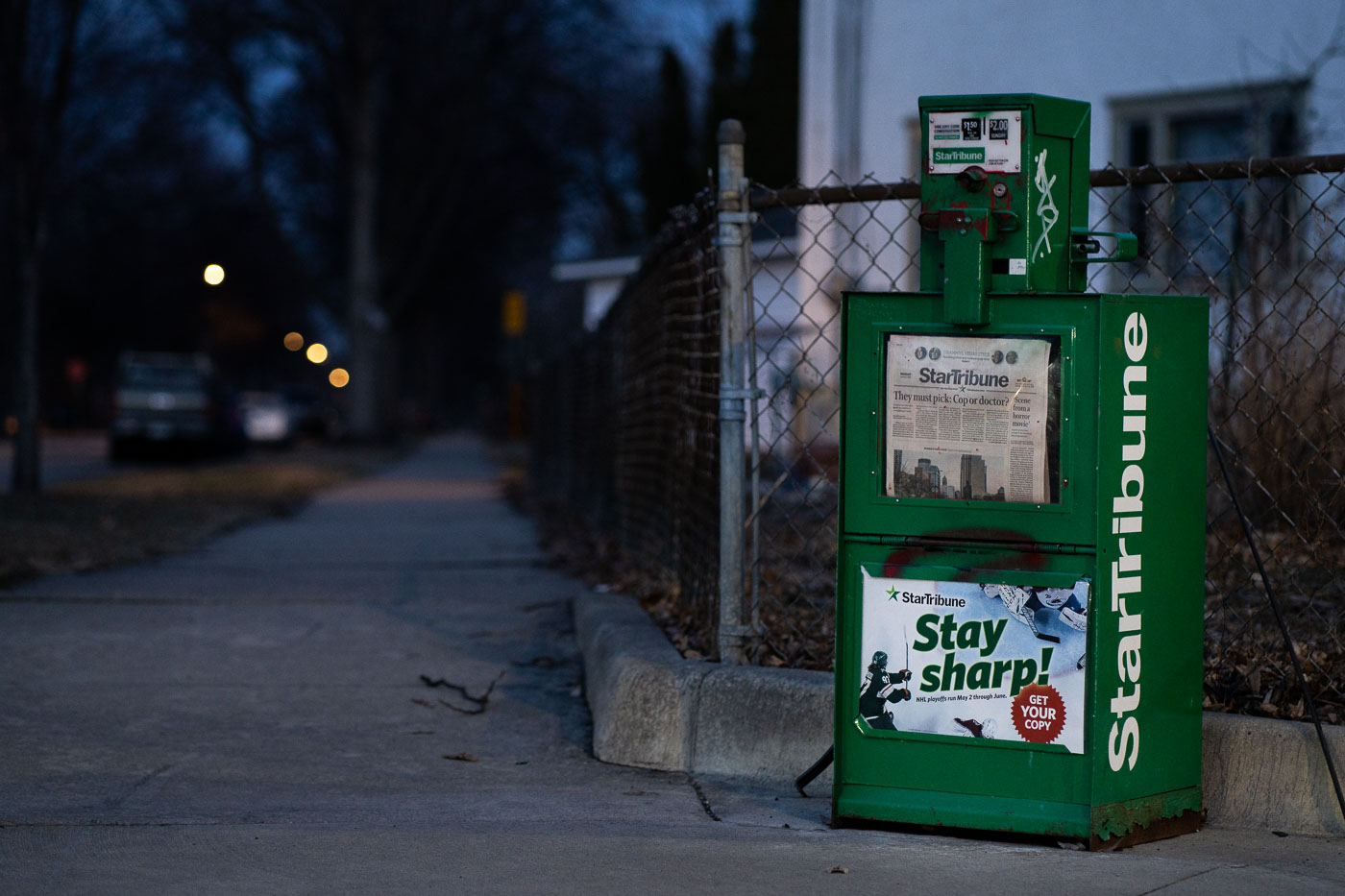 View full post: Star Tribune Newsrack, South Minneapolis
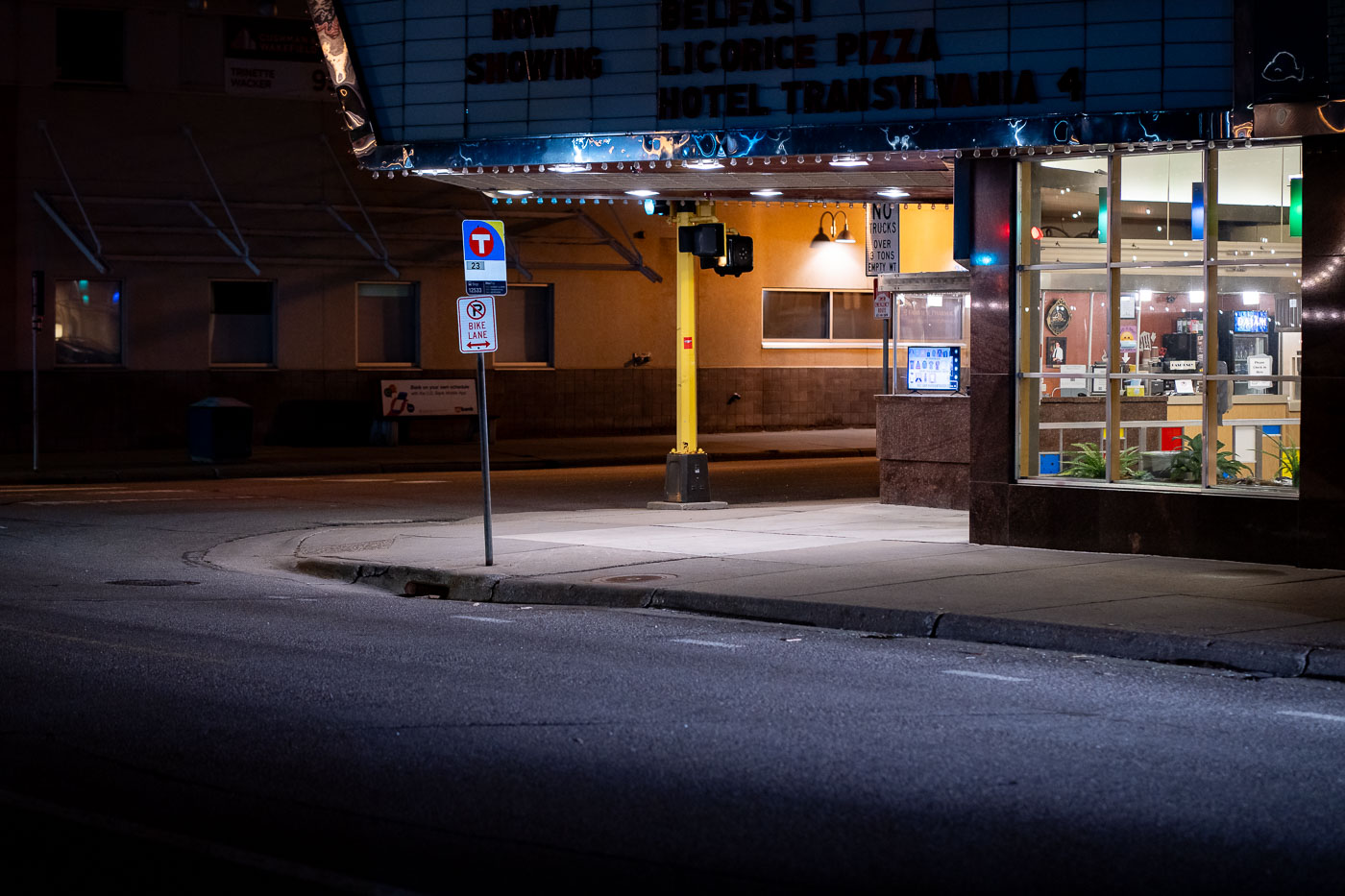 View full post: Riverview Theatre, Minneapolis, April 2022 Evening
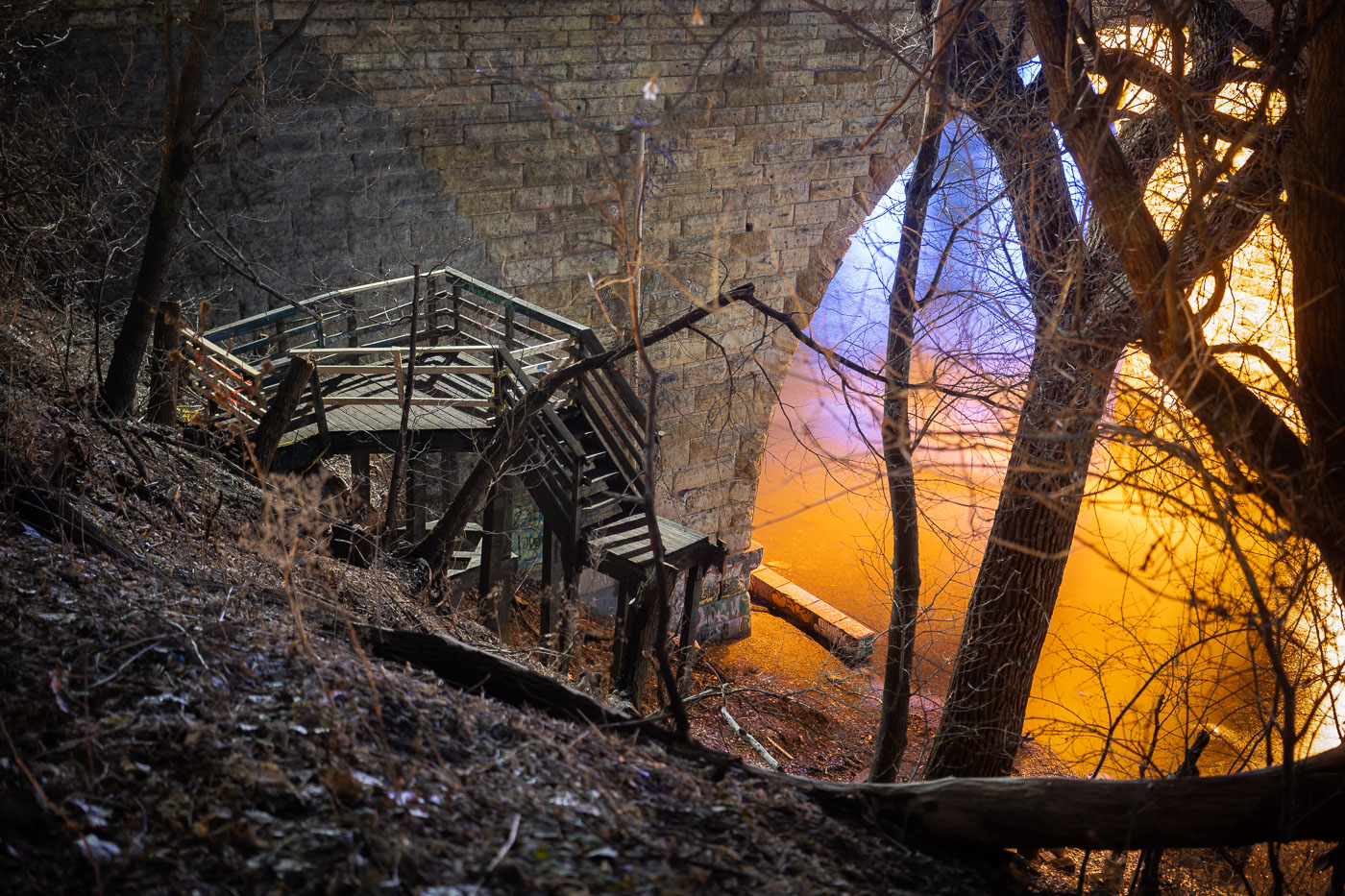 View full post: Dismantled Stairway Beneath the Stone Arch Bridge
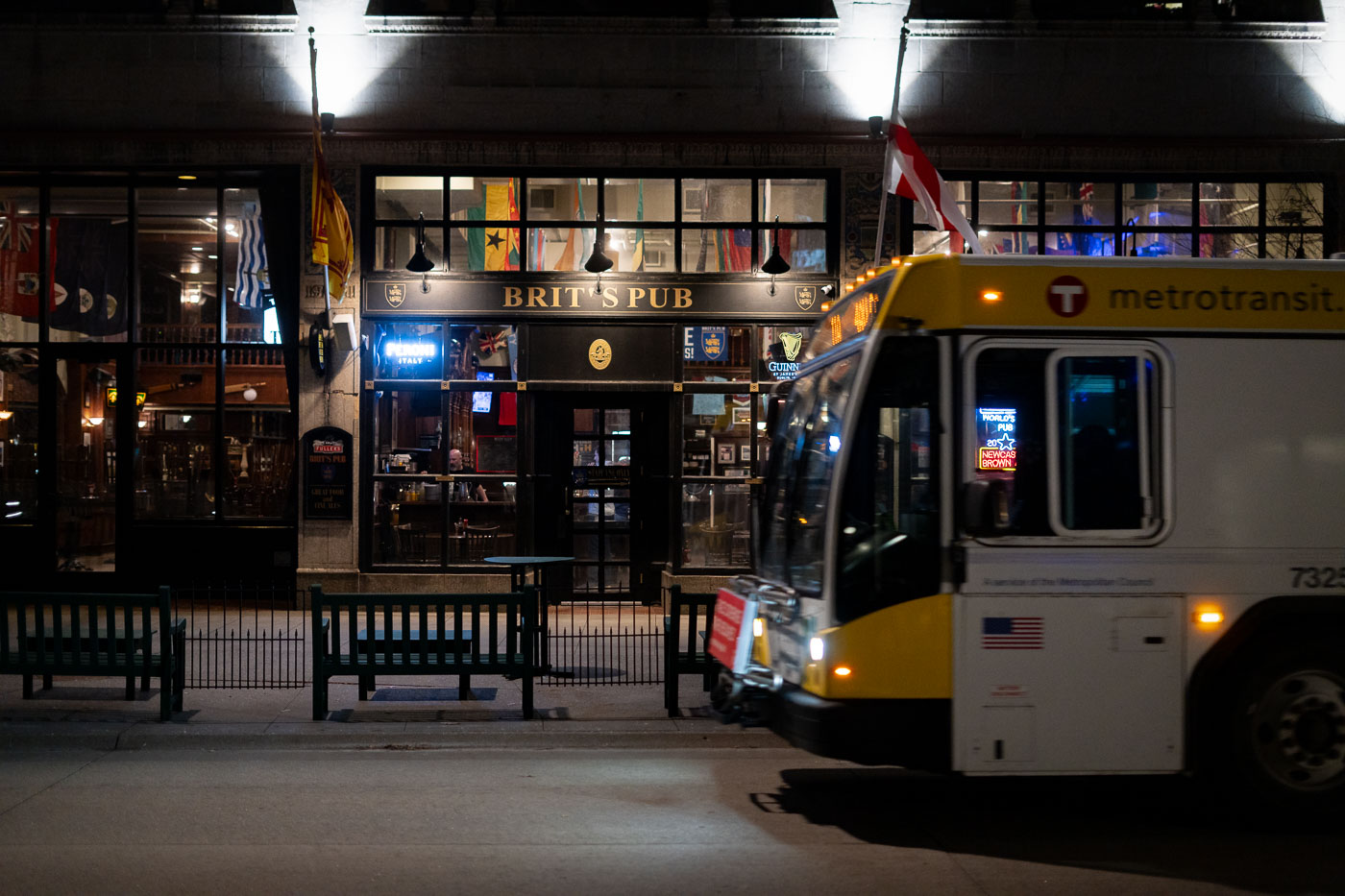 View full post: Metro Transit Bus Passes Brit’s Pub on Nicollet Mall, Minneapolis
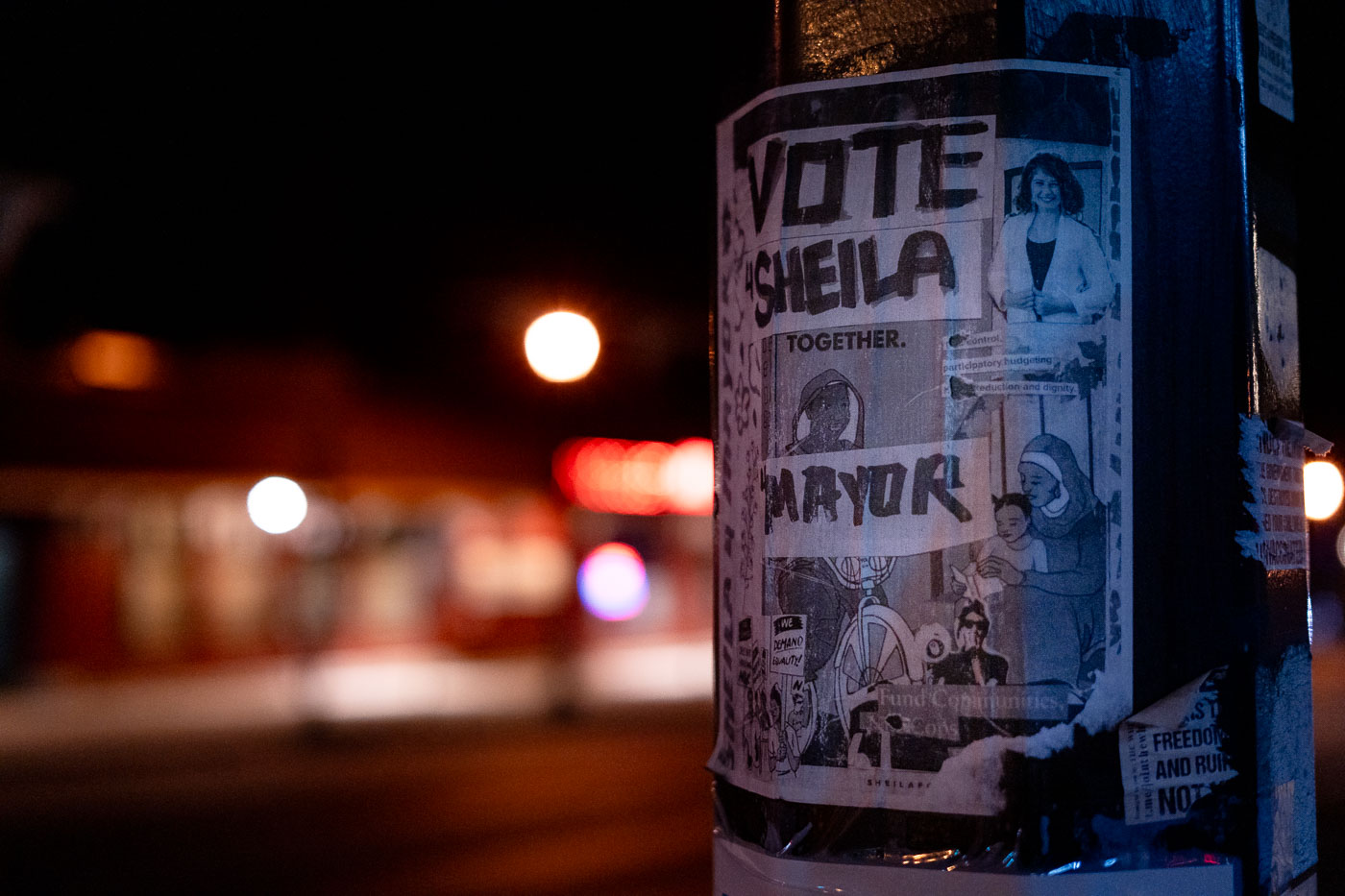 View full post: Vote Sheila Nezhad for Mayor Campaign Poster, South Minneapolis
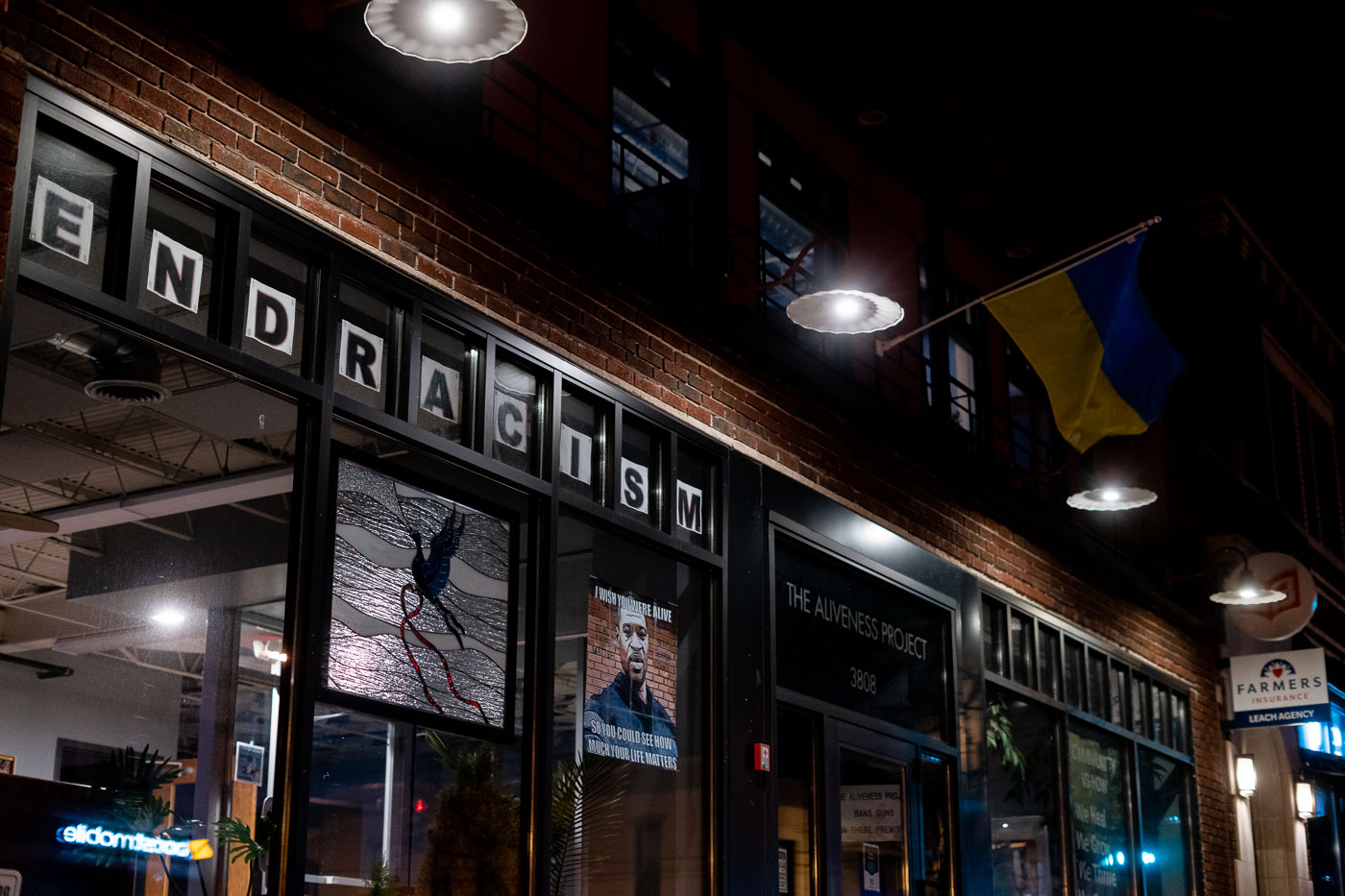 View full post: End Racism Sign and Ukraine Flag, South Minneapolis
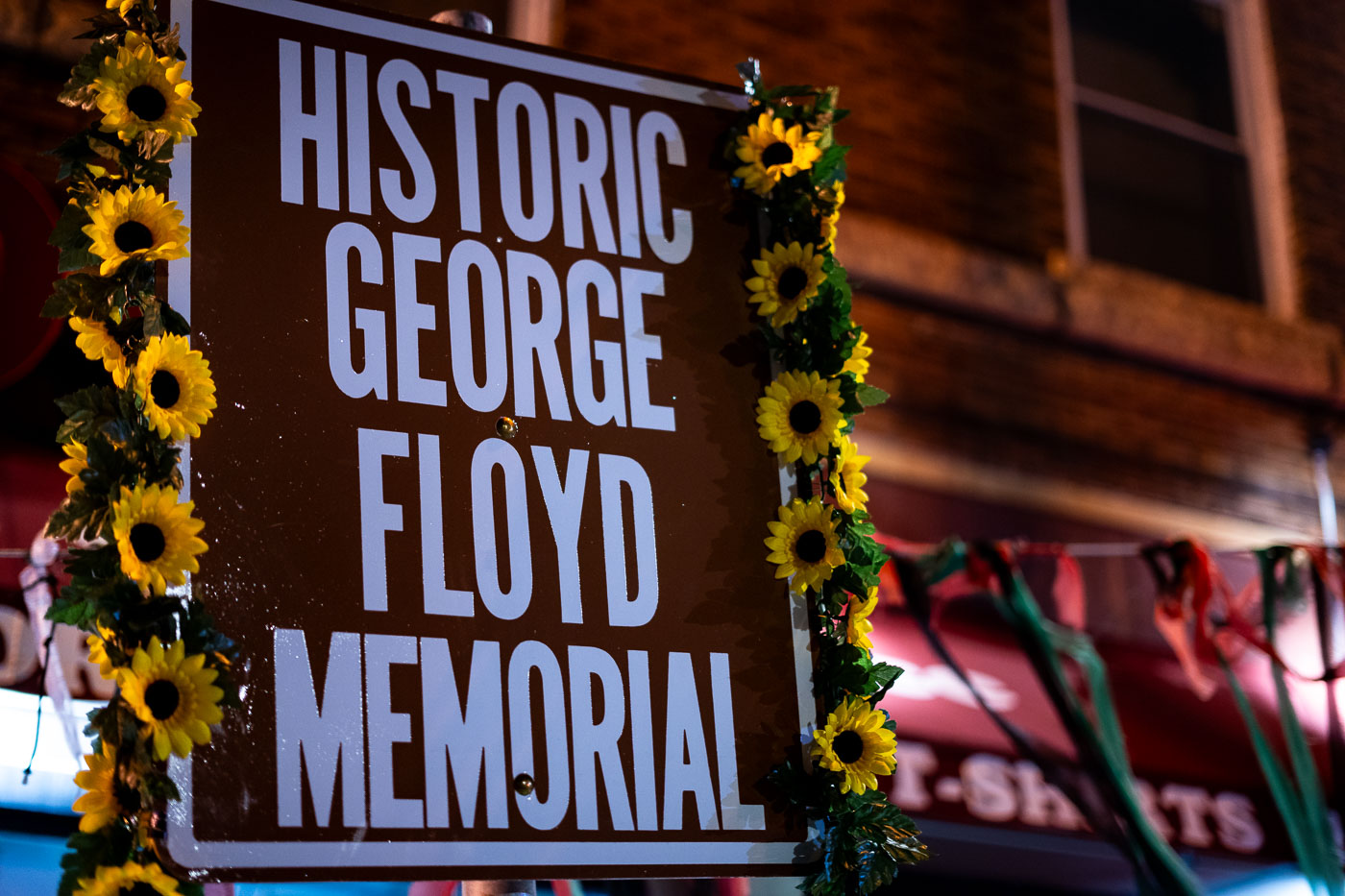 View full post: Historic George Floyd Memorial Sign, Minneapolis
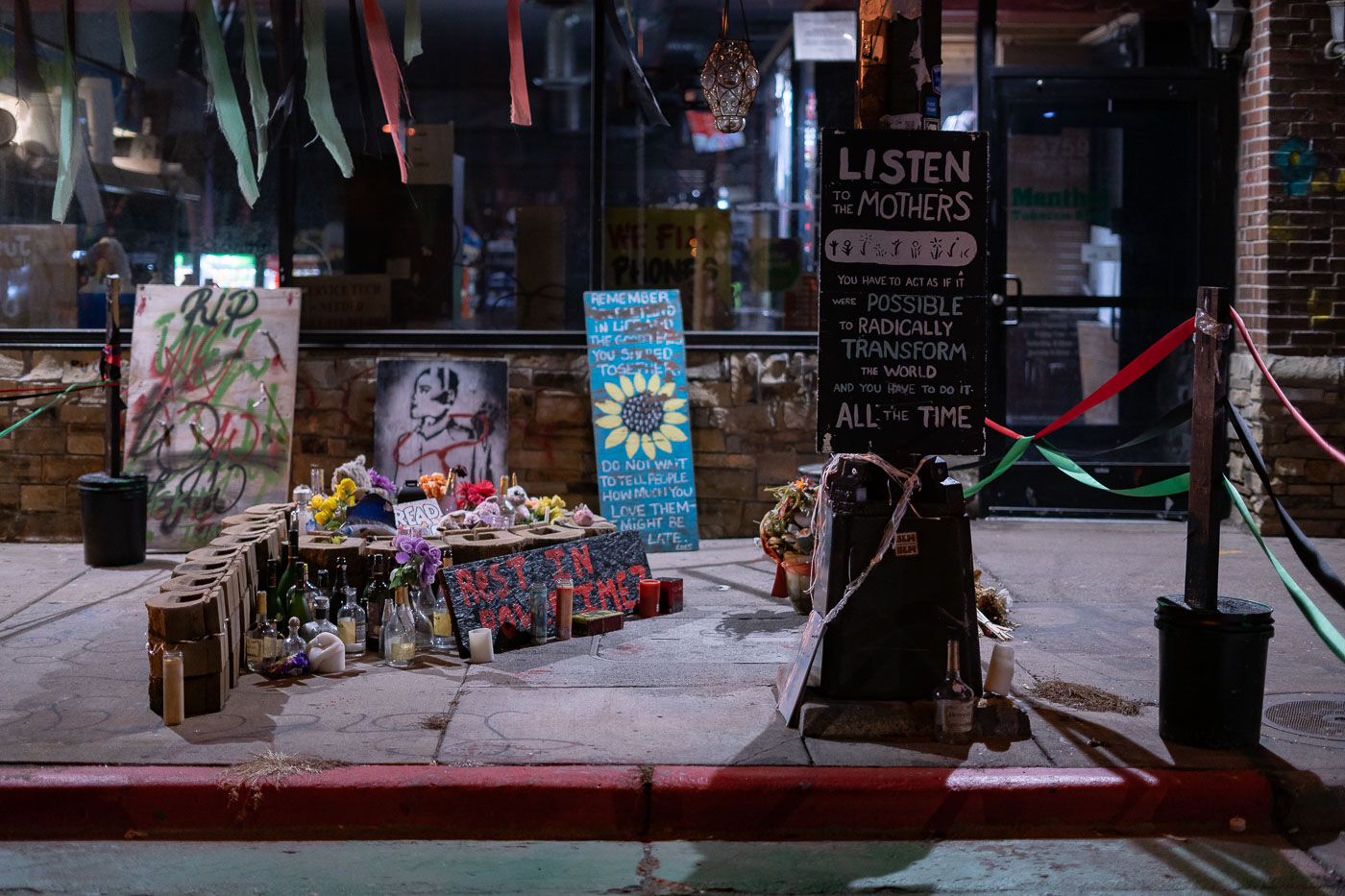 View full post: Imez Wright Memorial at George Floyd Square, Minneapolis
 View full post: George Floyd Square visitor map in April 2022
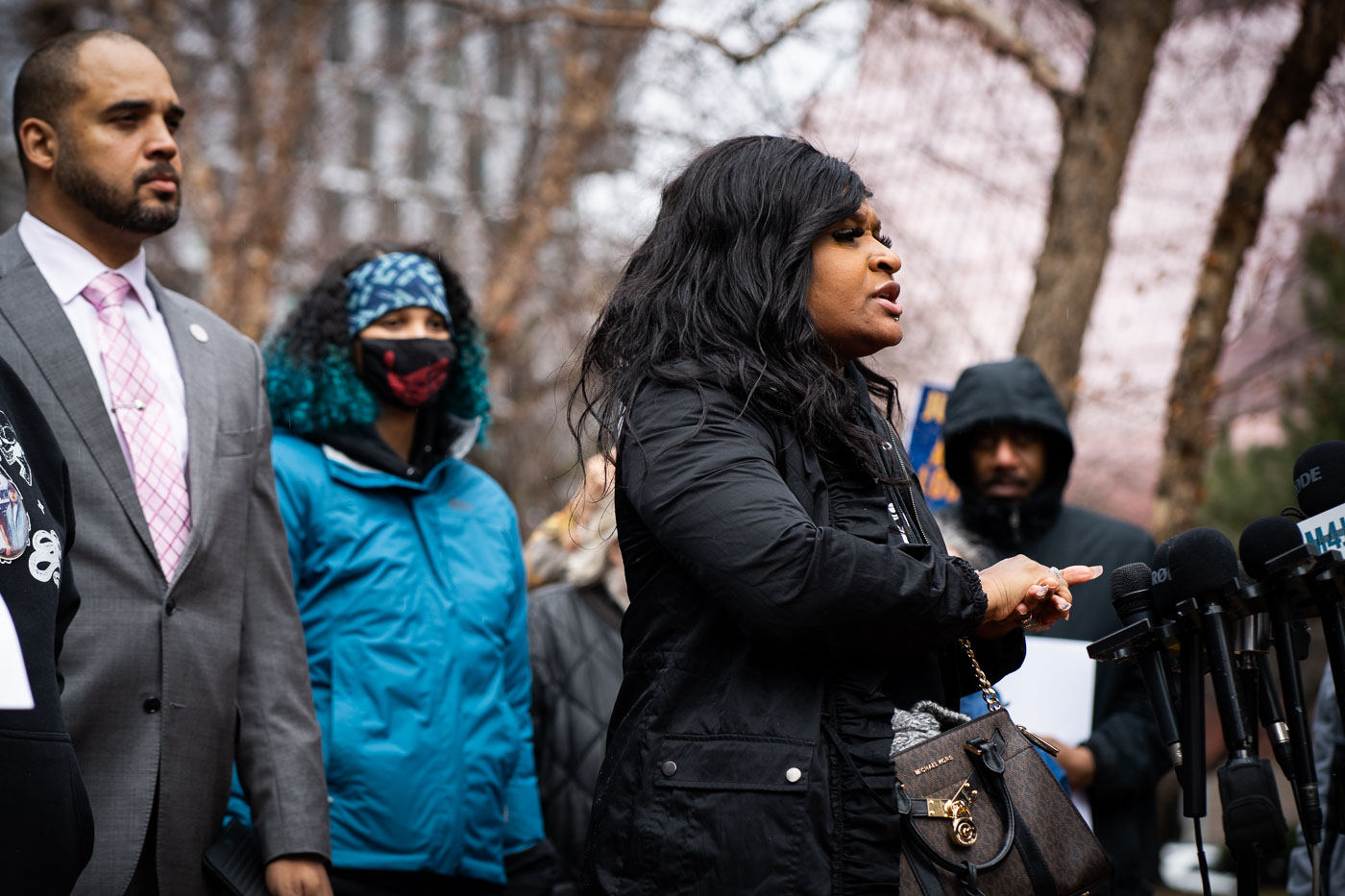 View full post: Toshira Garraway speaks at Hennepin County Government Center rally
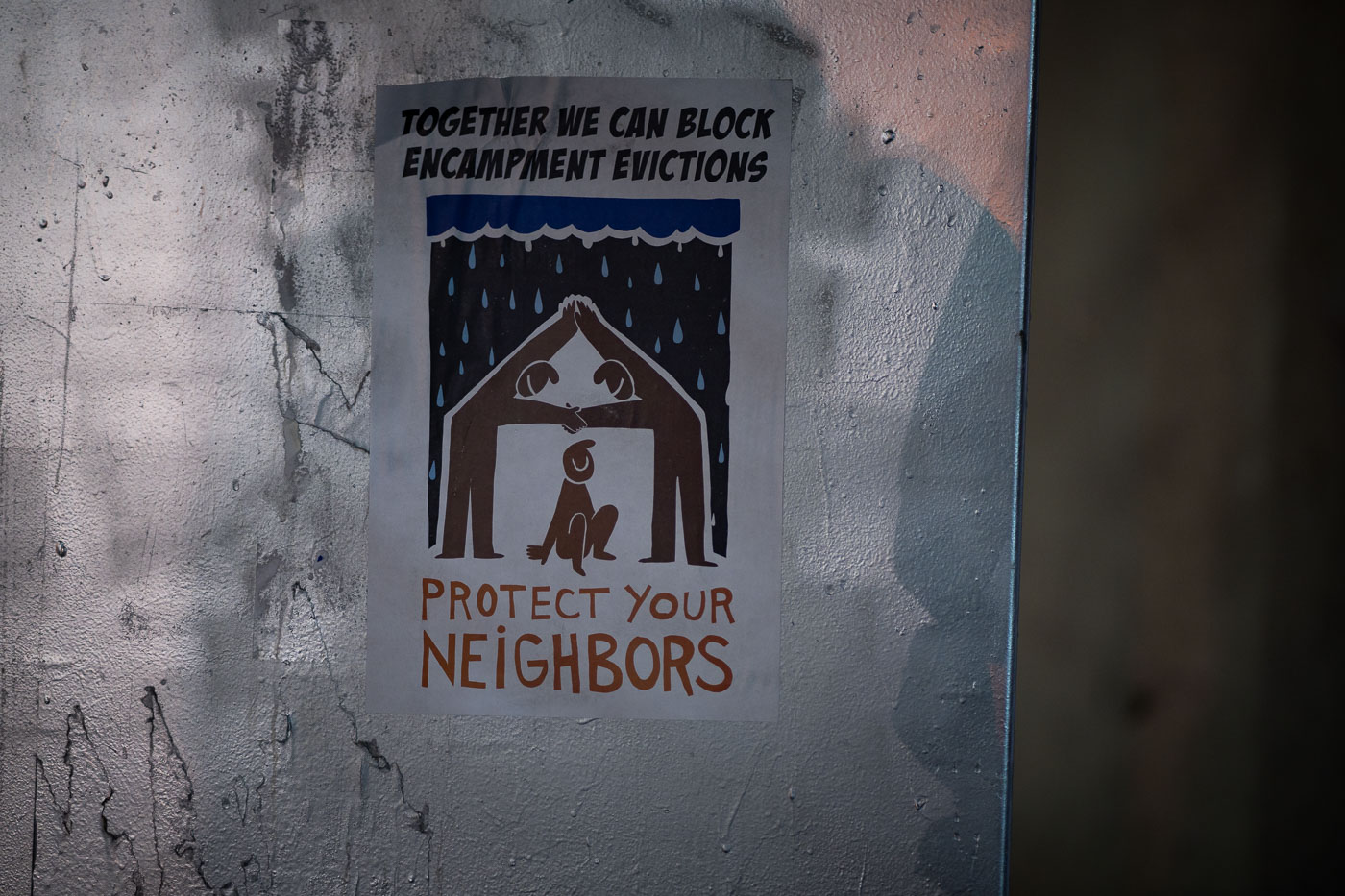 View full post: Minneapolis: Protest Flyer Against Encampment Evictions
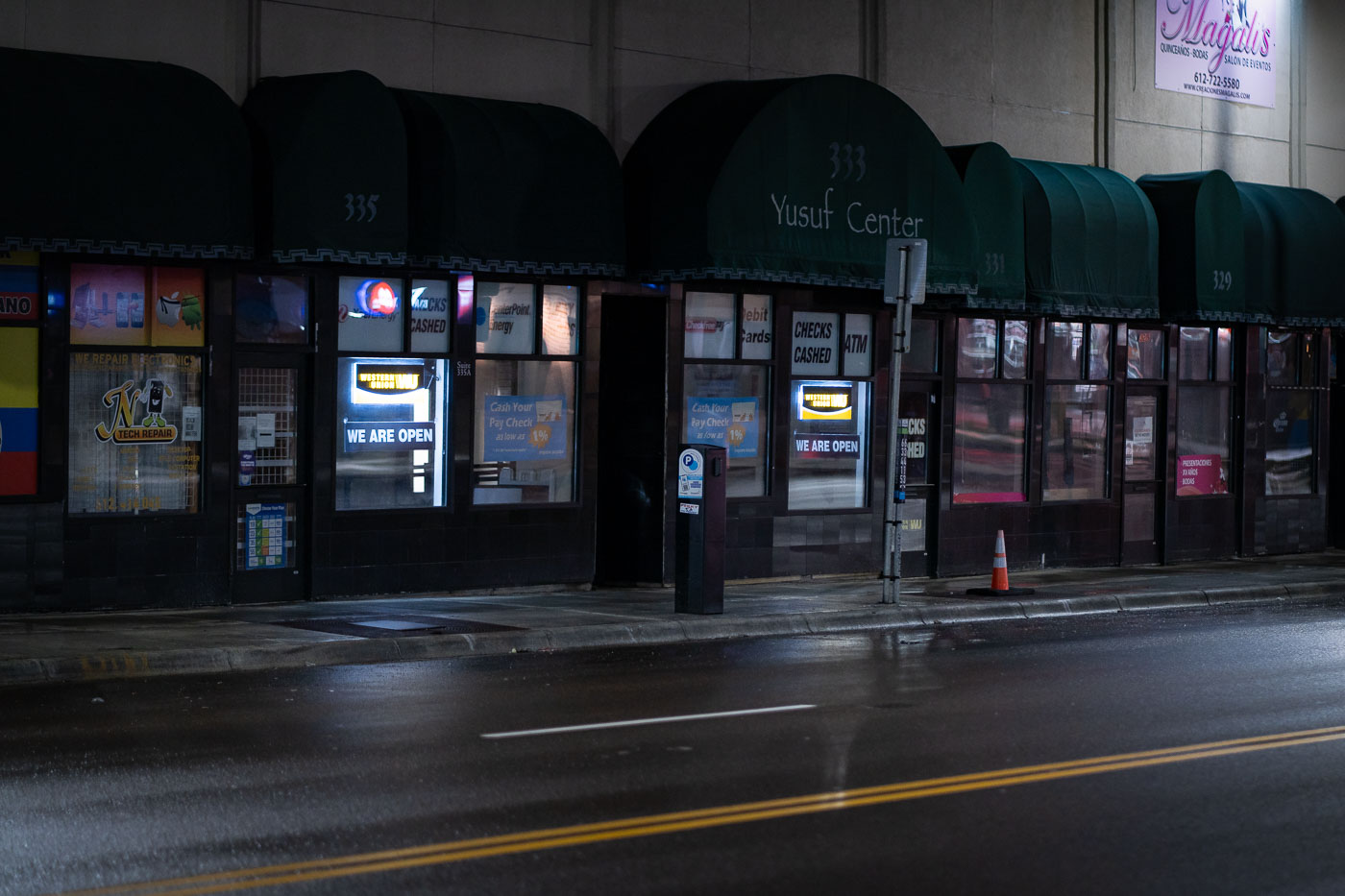 View full post: The Yusef Center on Lake Street in Minneapolis
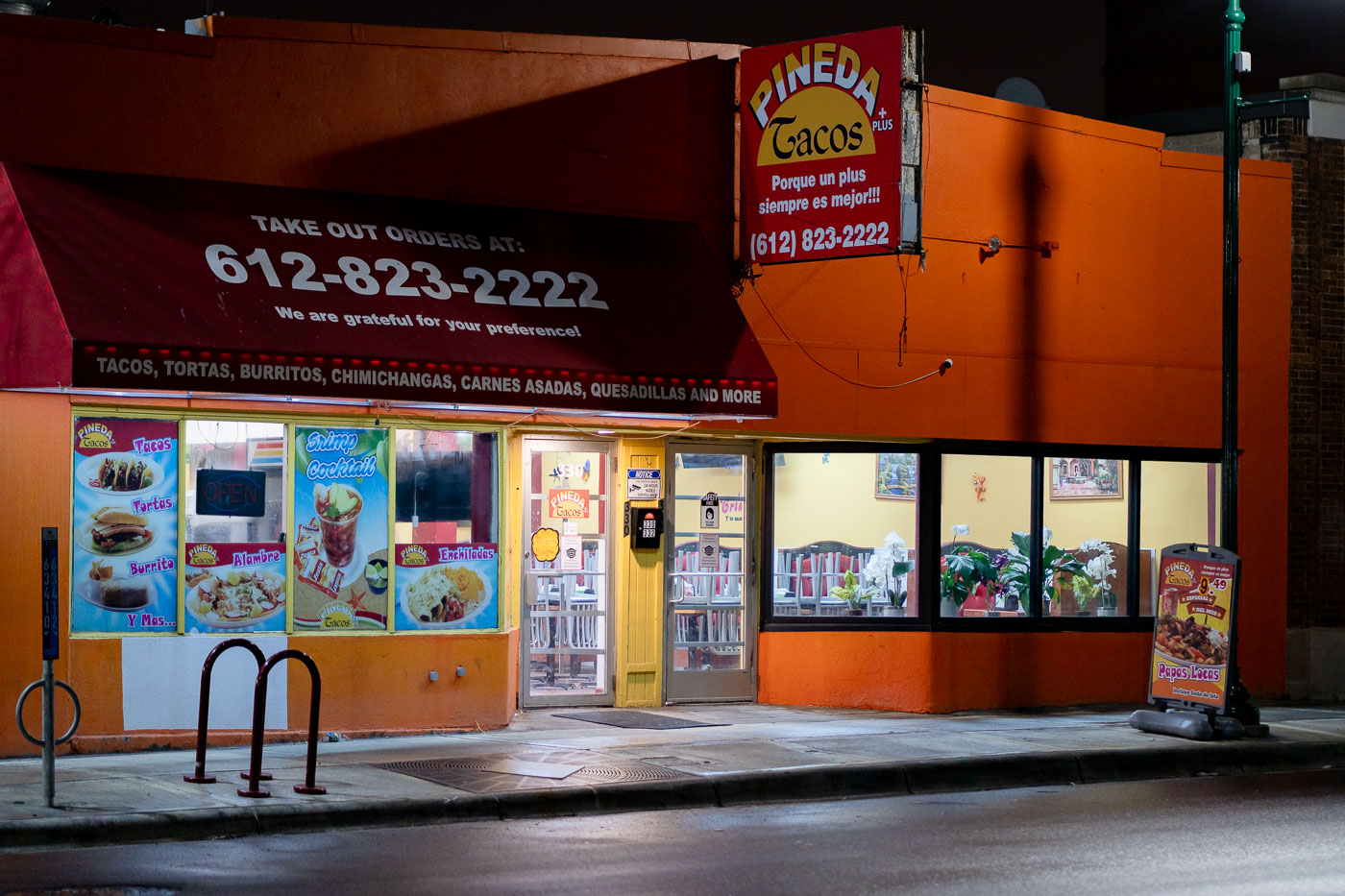 View full post: Pineda Tacos on Lake Street in Minneapolis
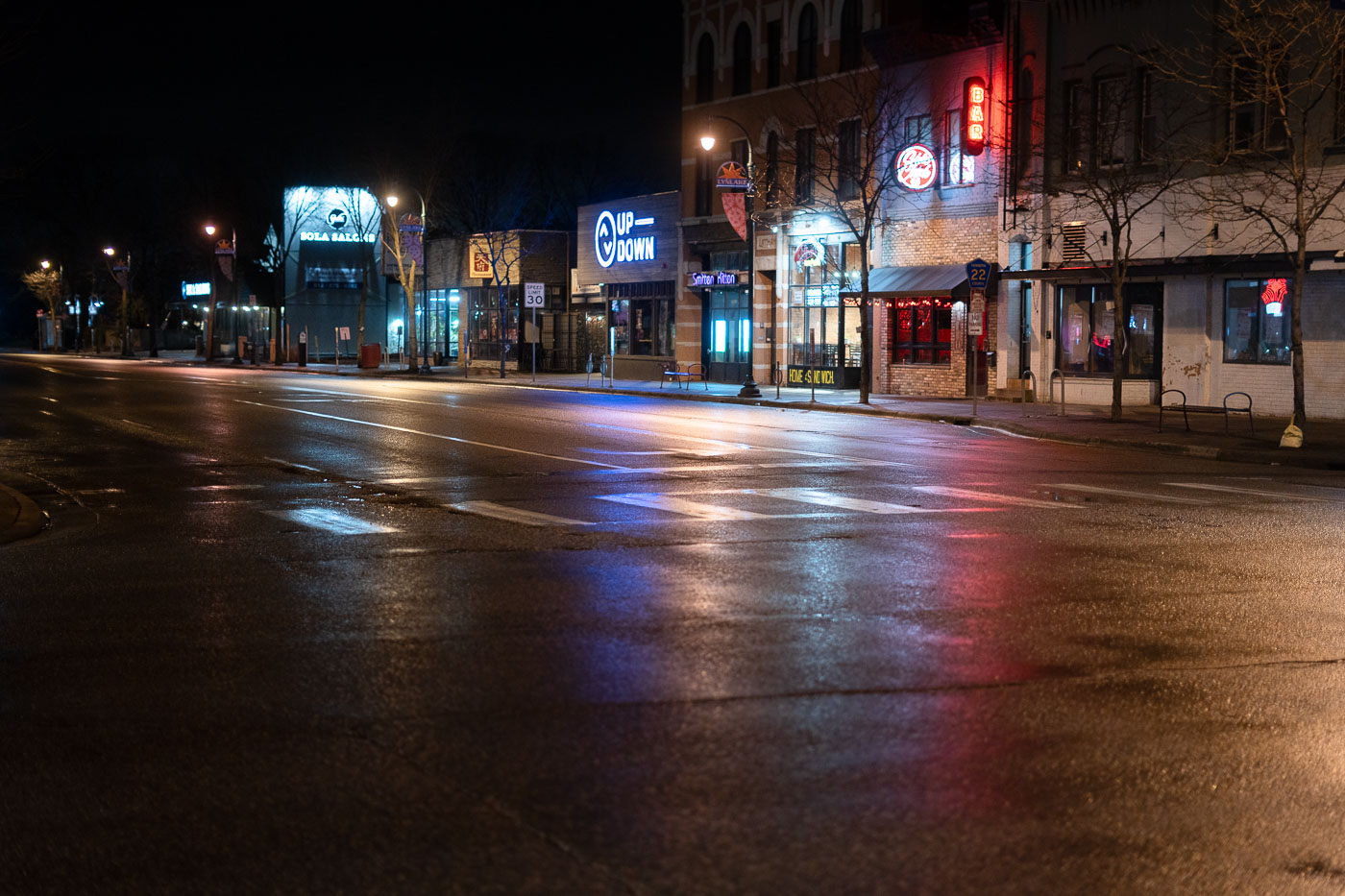 View full post: Up Down Arcade Bar, Lyndale Ave, Minneapolis at Night
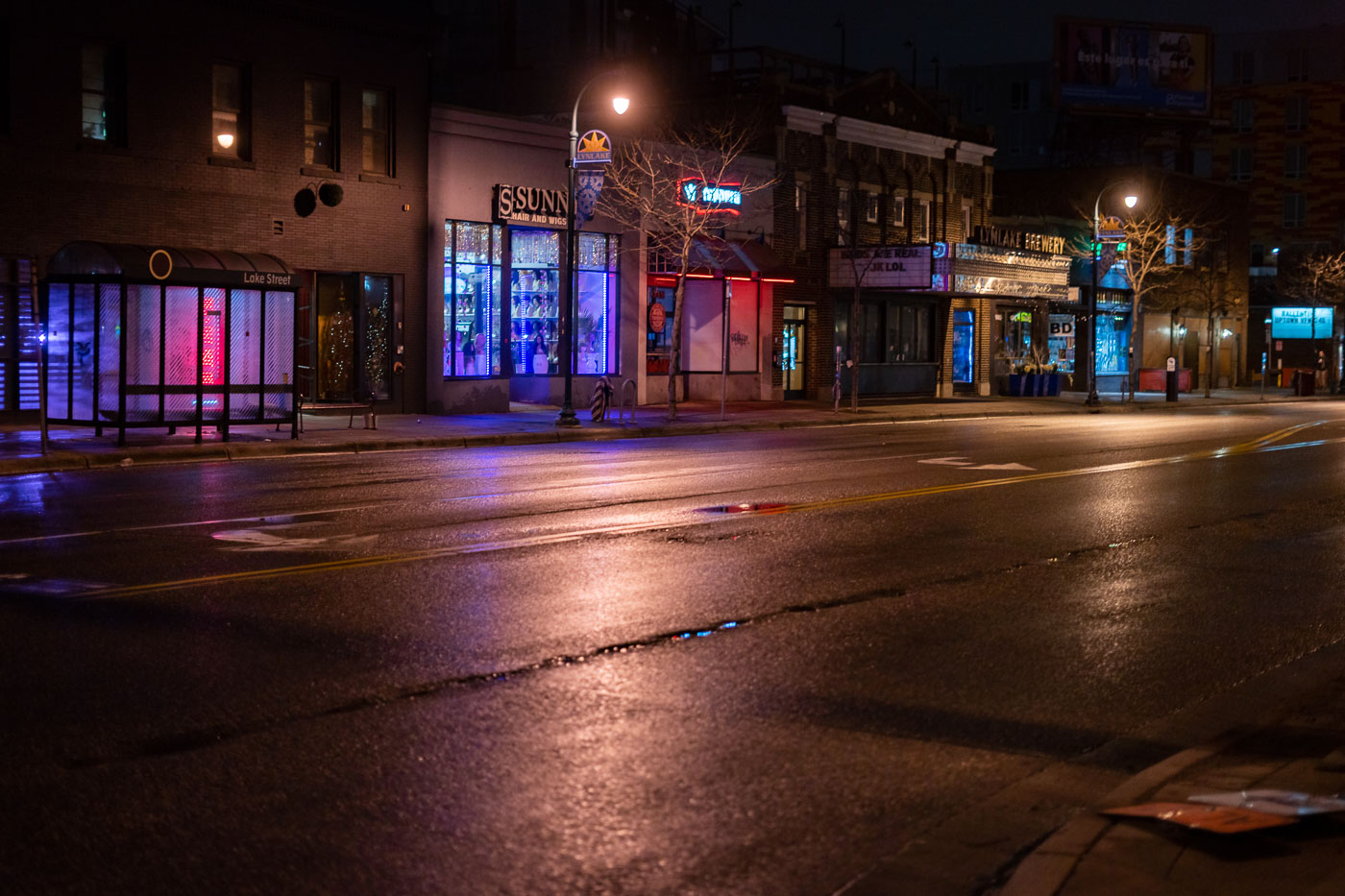 View full post: Lynlake Brewery, Lake Street, Uptown Minneapolis Night 2022
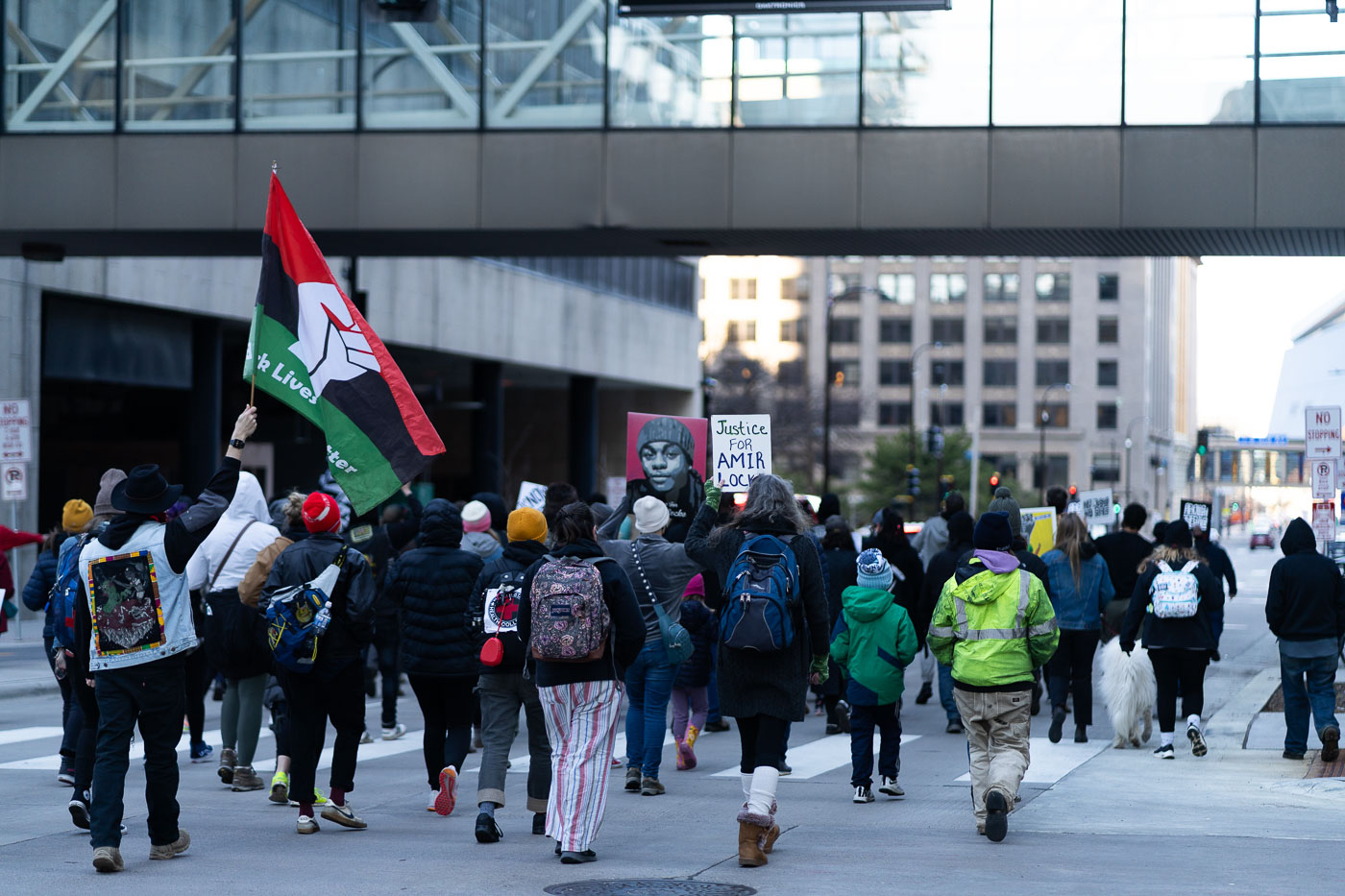 View full post: Amir Locke Protest March Downtown Minneapolis April 2022
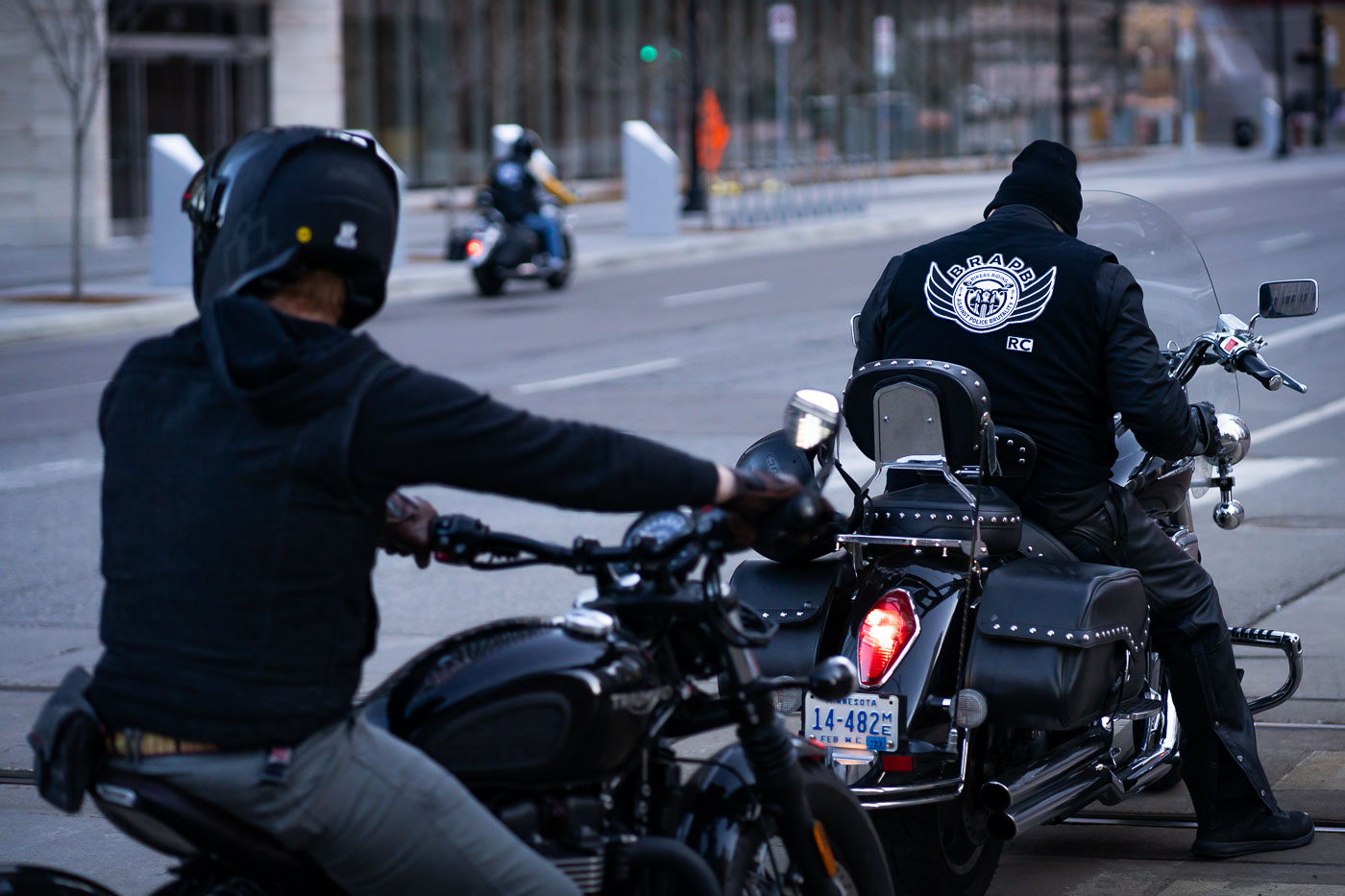 View full post: BRAPB motorcycles at Amir Locke protest in Downtown Minneapolis
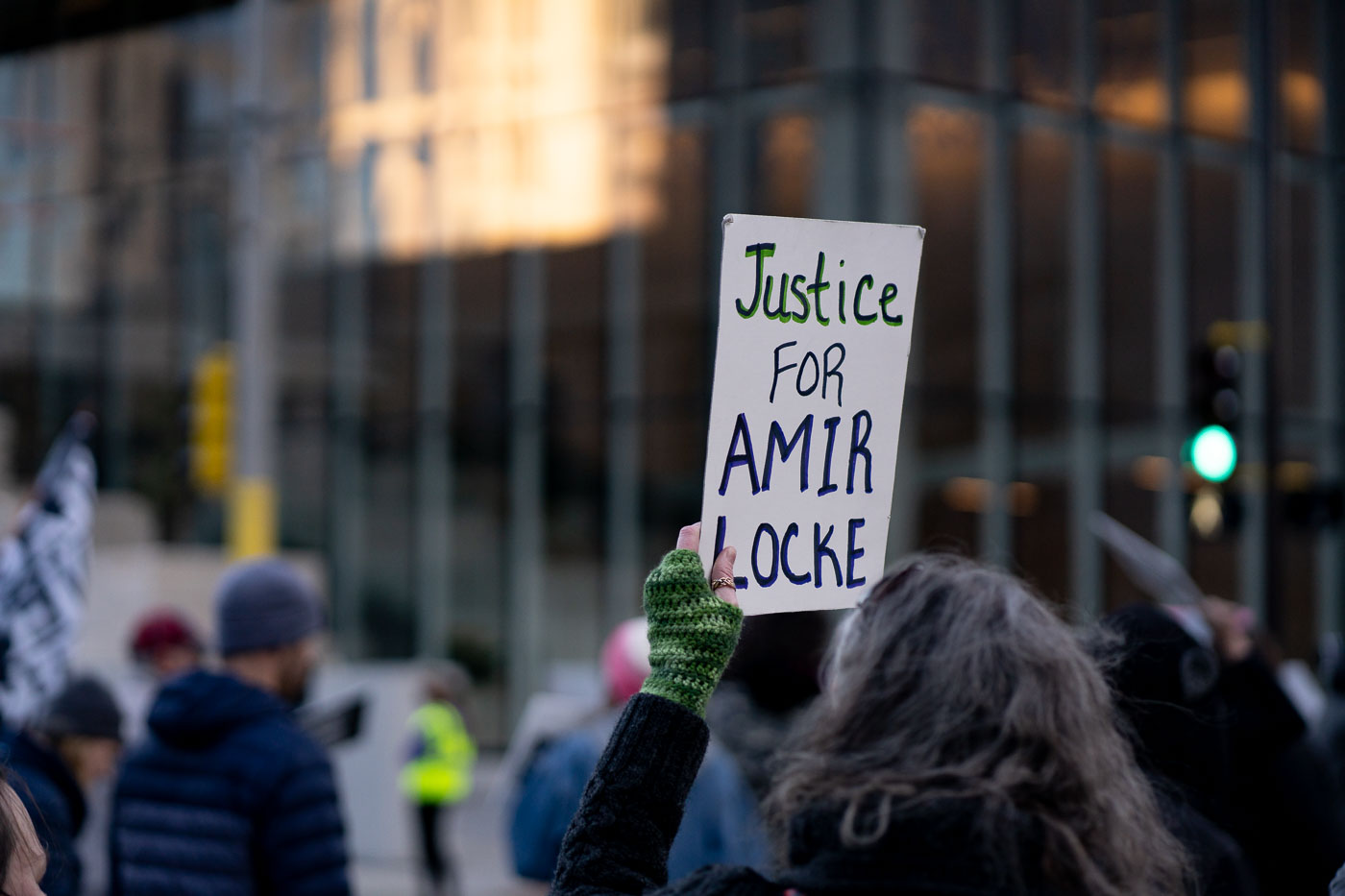 View full post: Minneapolis Protest for Amir Locke, April 2022
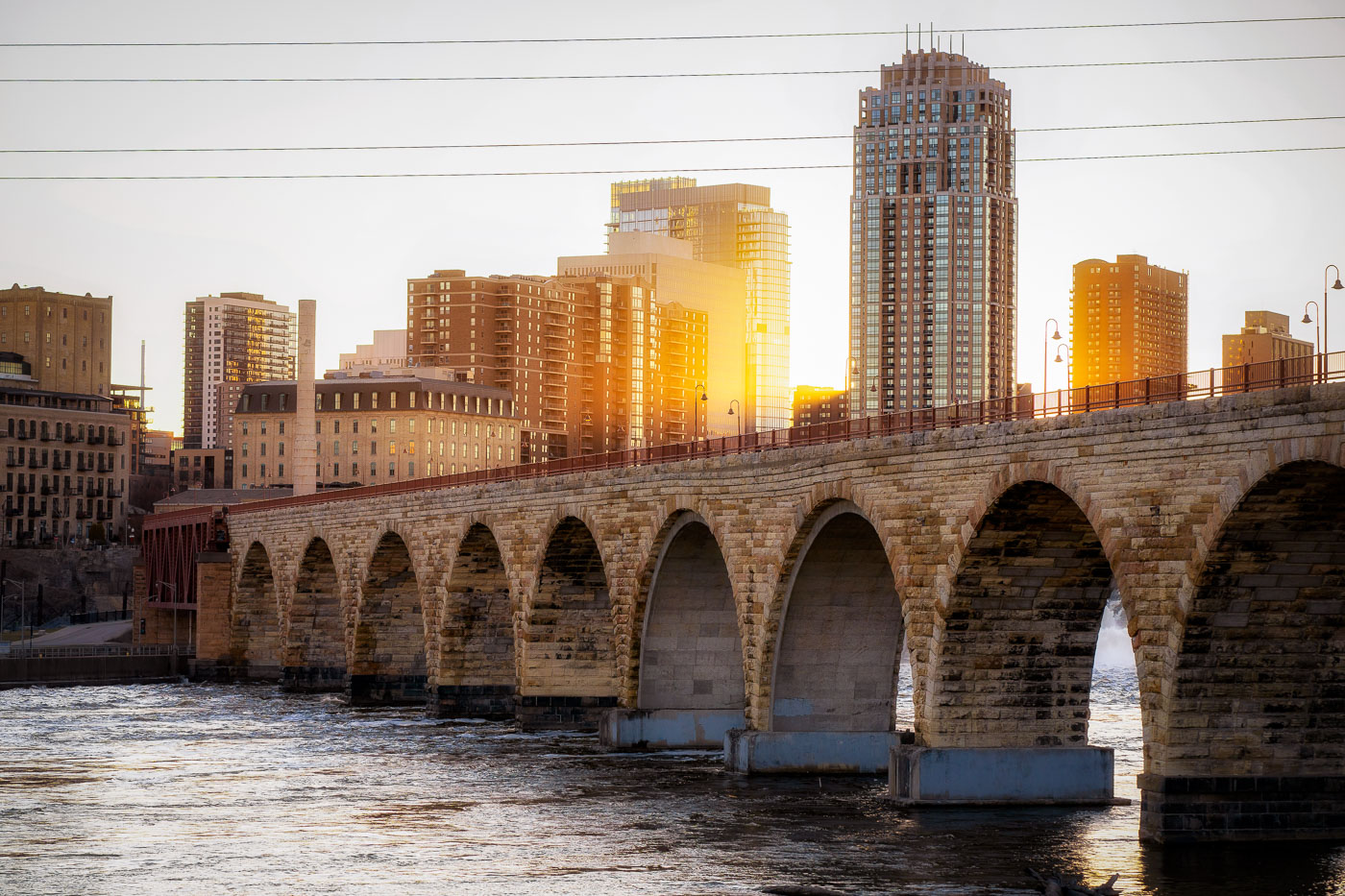 View full post: Golden Light Over Minneapolis Skyline From Stone Arch Bridge
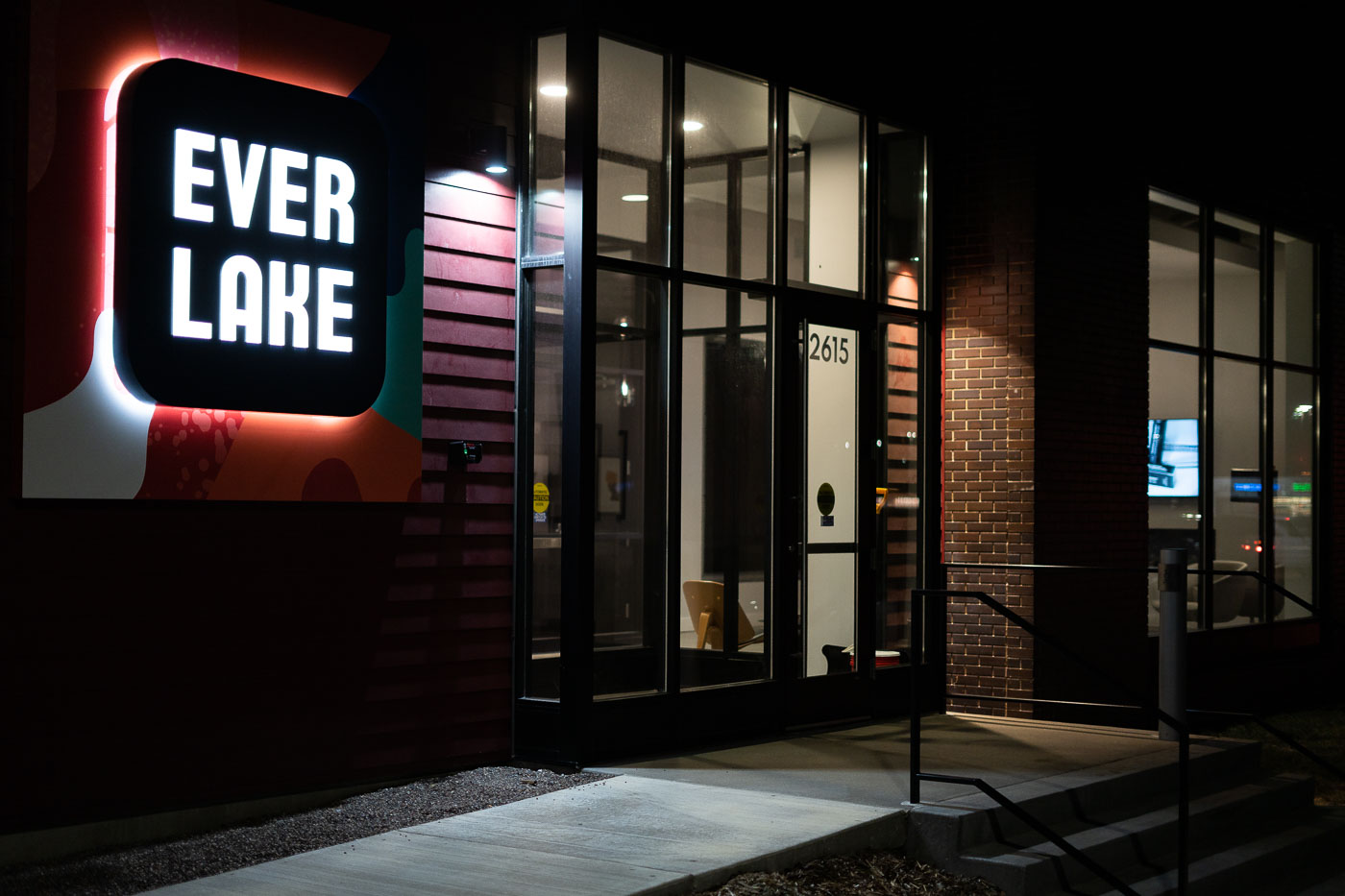 View full post: Everlake Apartments Signage, South Minneapolis, April 2022
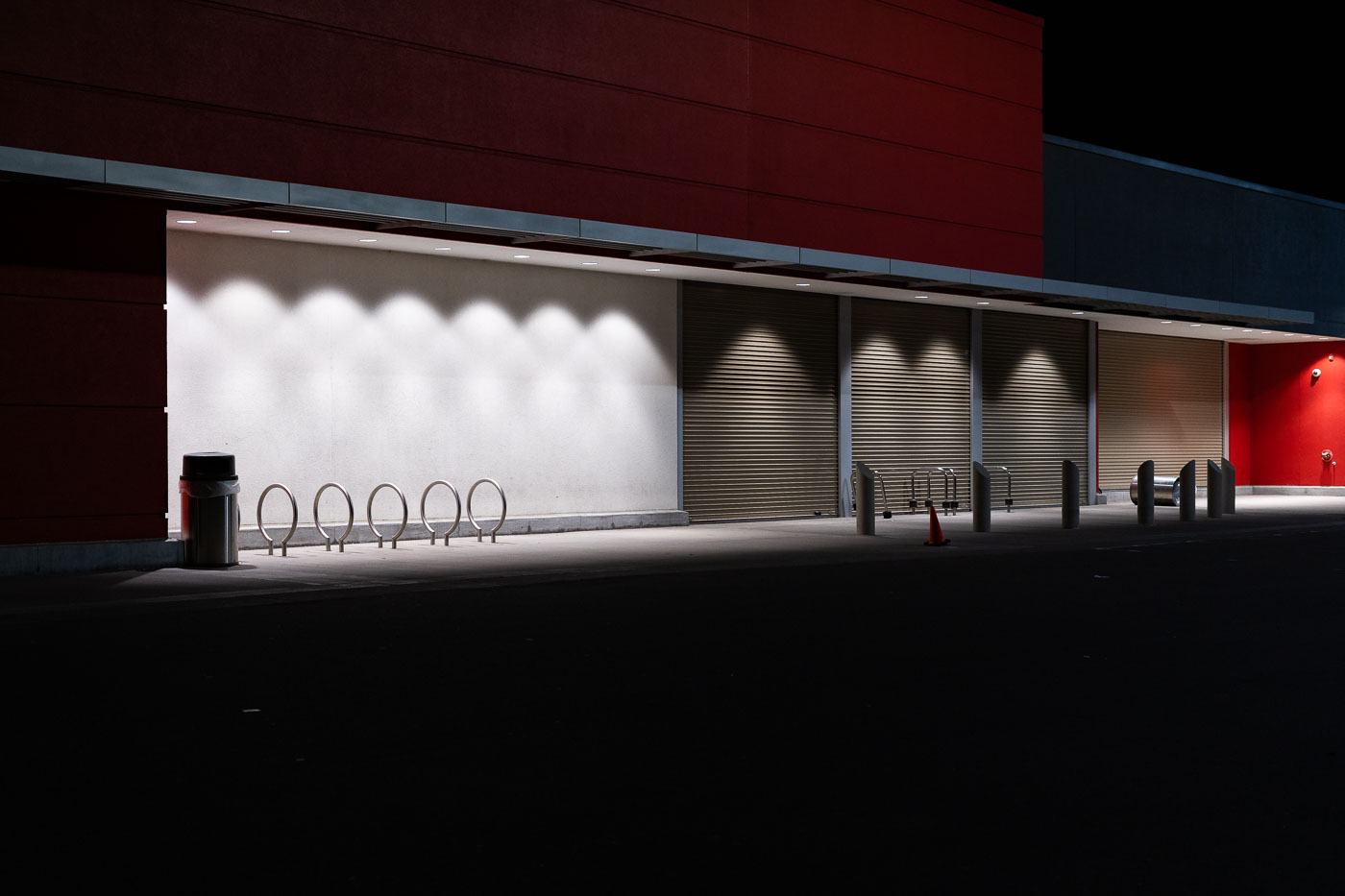 View full post: Target Store Shutters, South Minneapolis
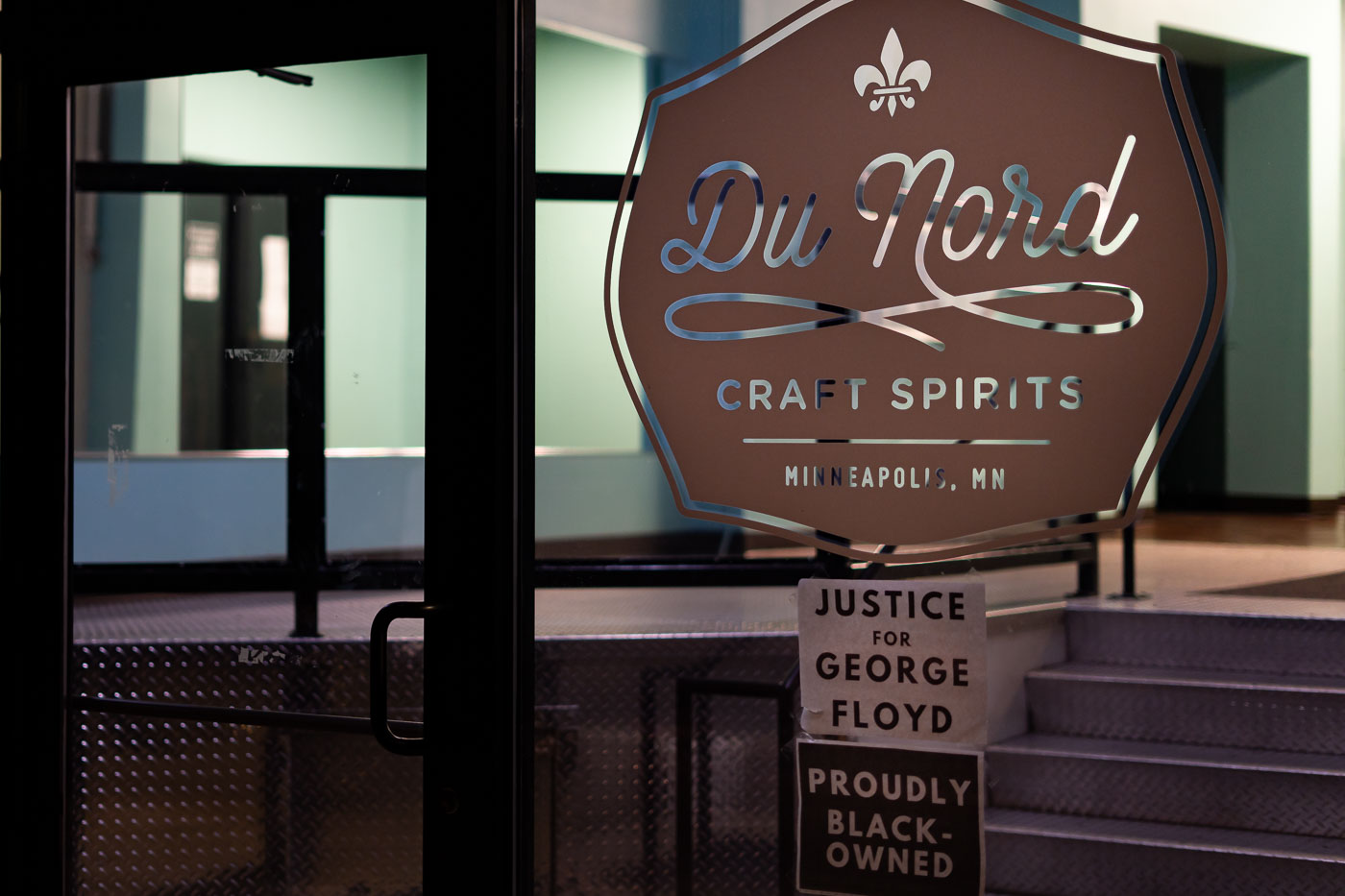 View full post: Du Nord Craft Spirits, Minneapolis, MN
 View full post: The Square Event Space, 3736 Chicago Ave, Minneapolis
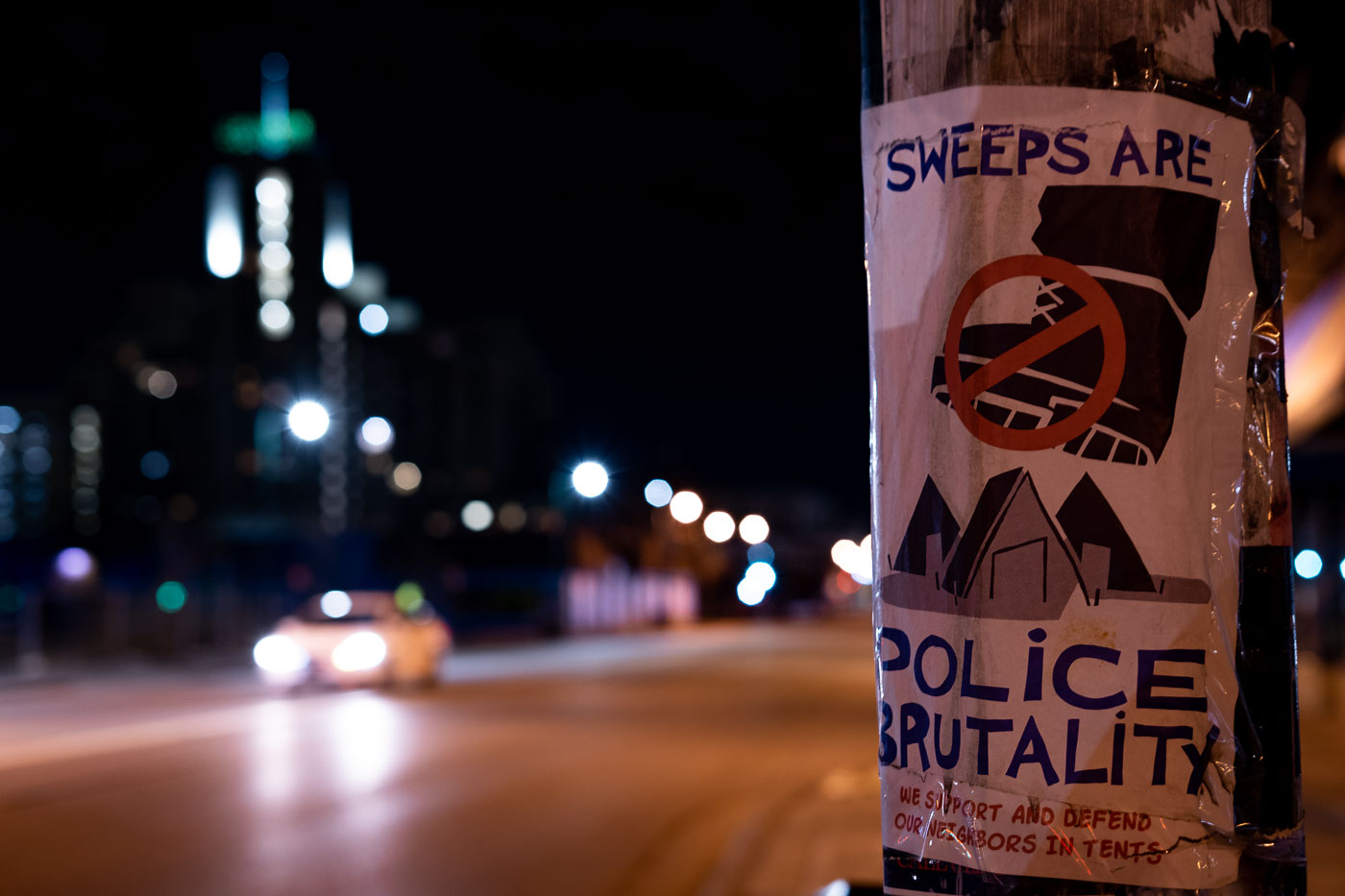 View full post: Minneapolis Flyer: Sweeps Are Police Brutality
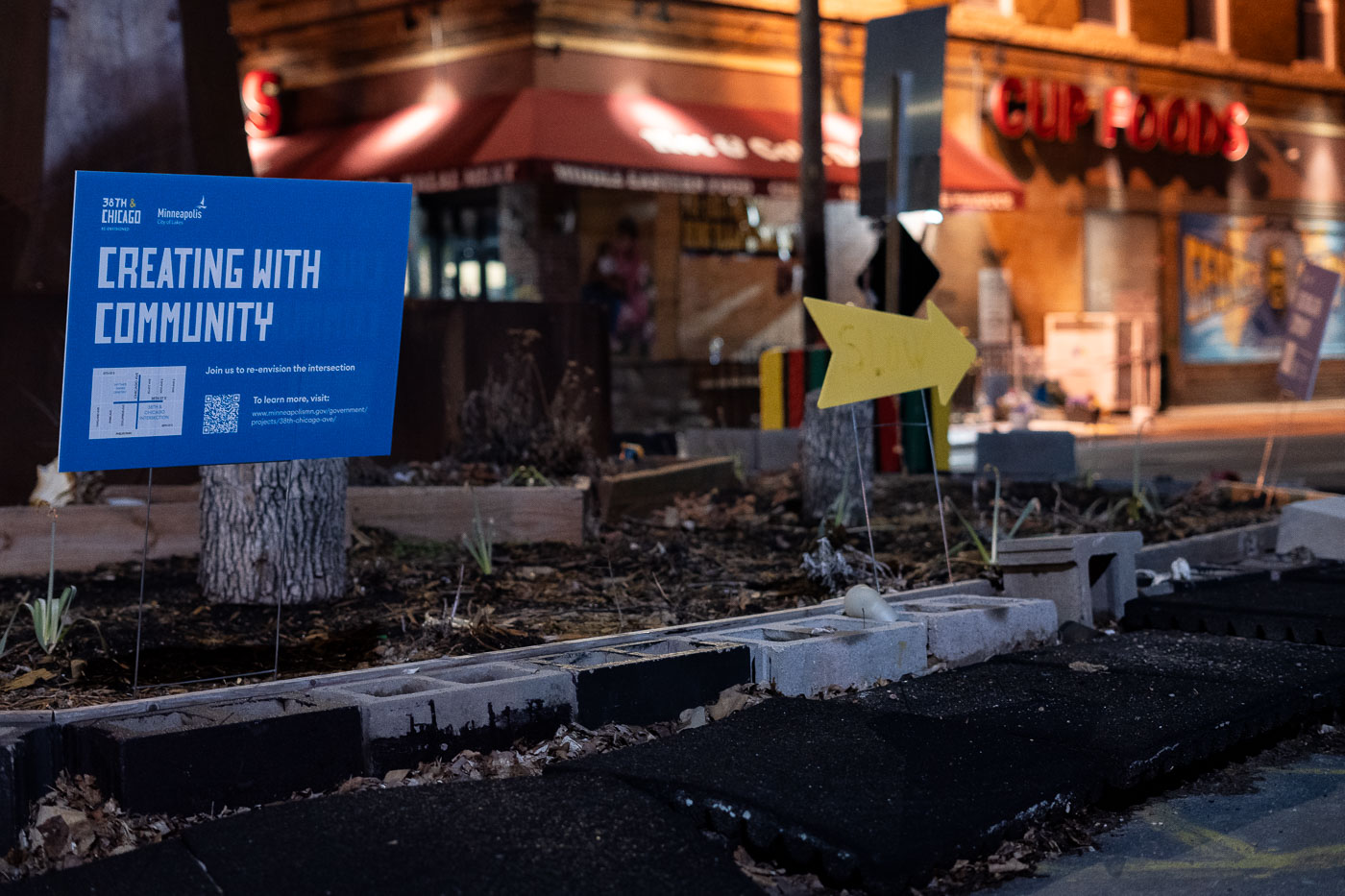 View full post: 38th & Chicago Re-envisioned Sign, Minneapolis
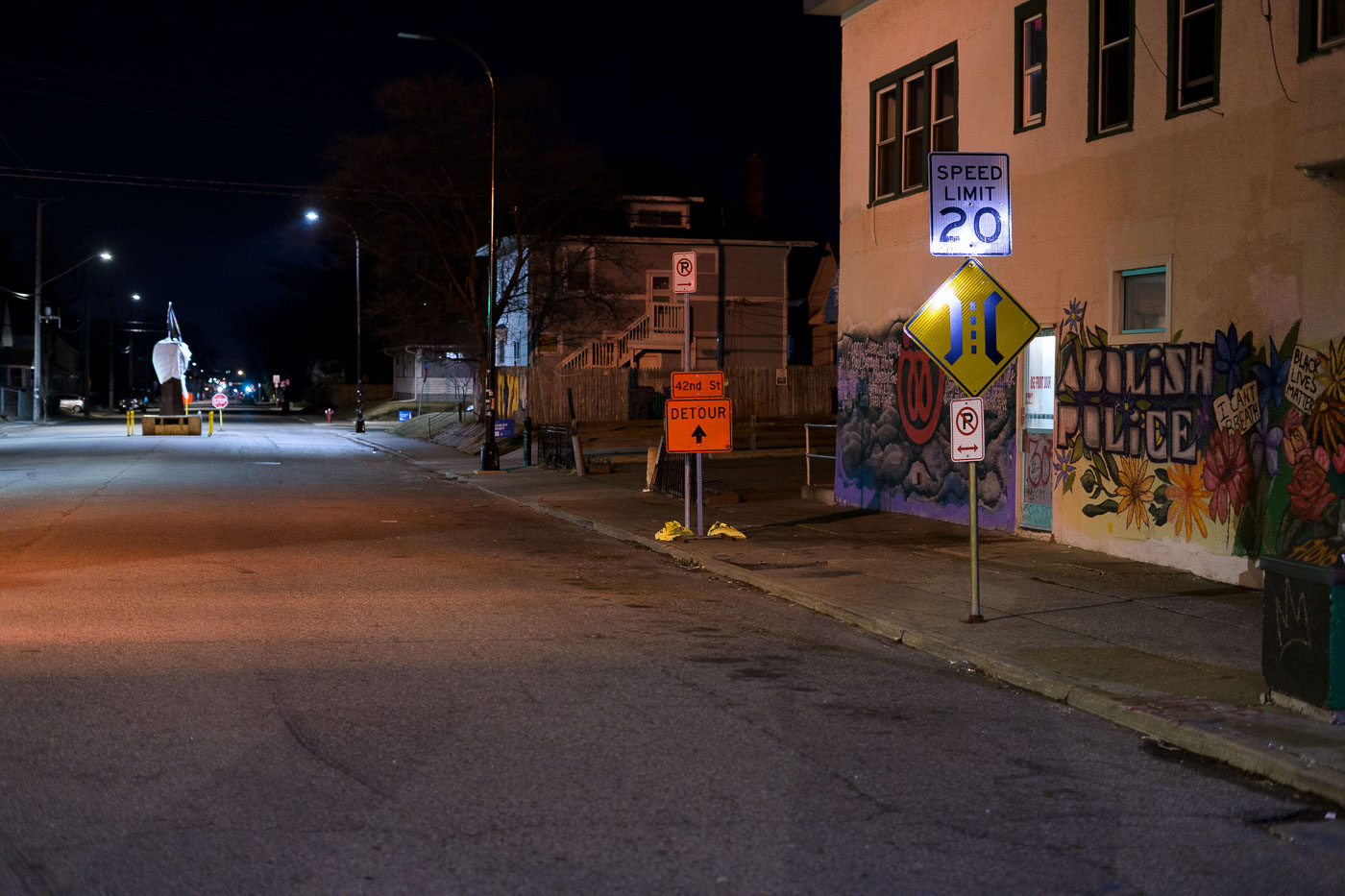 View full post: George Floyd Square, Minneapolis: 38th Street at Night, April 2022
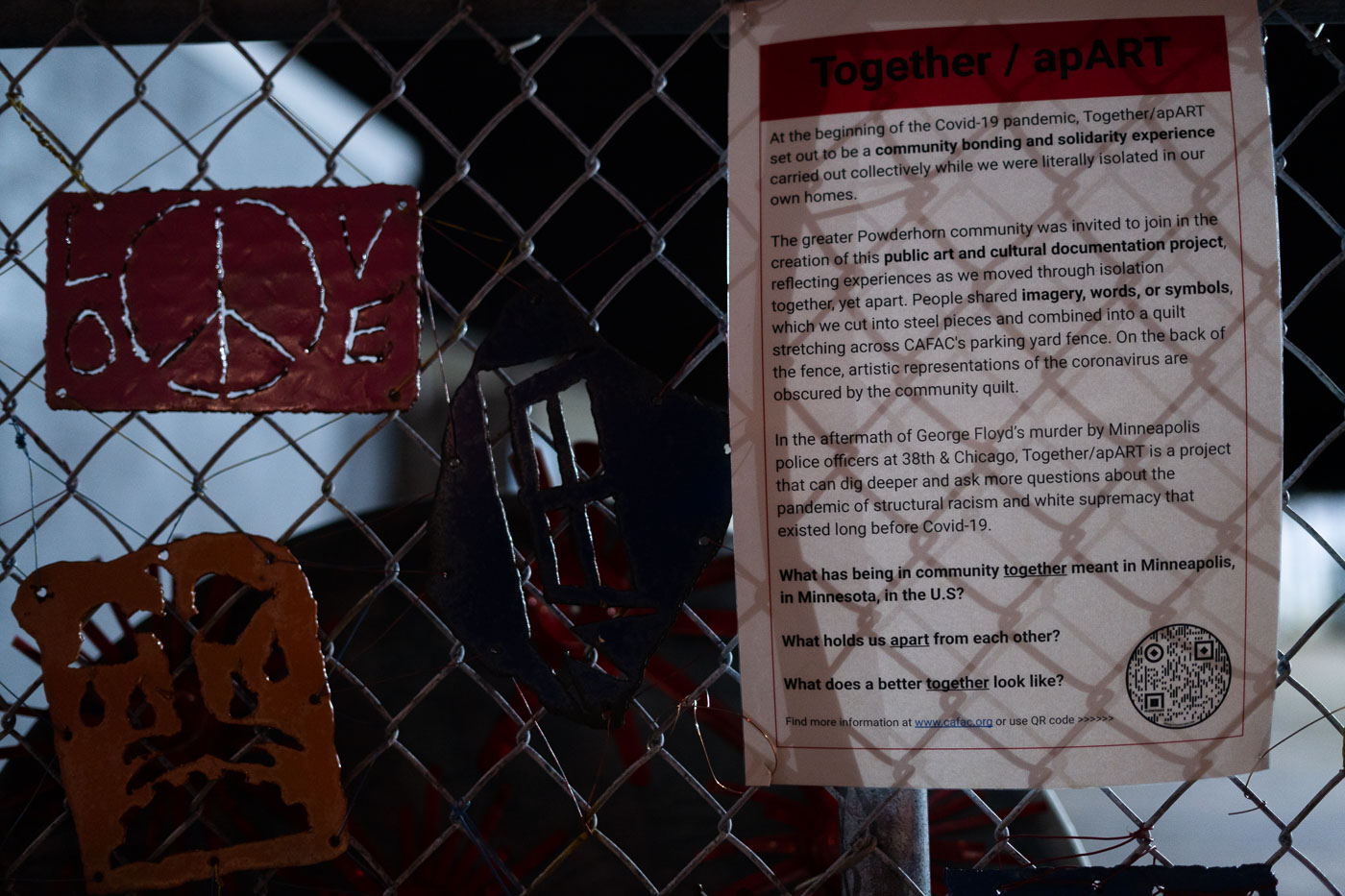 View full post: Powderhorn Community Art Project: Together / apART
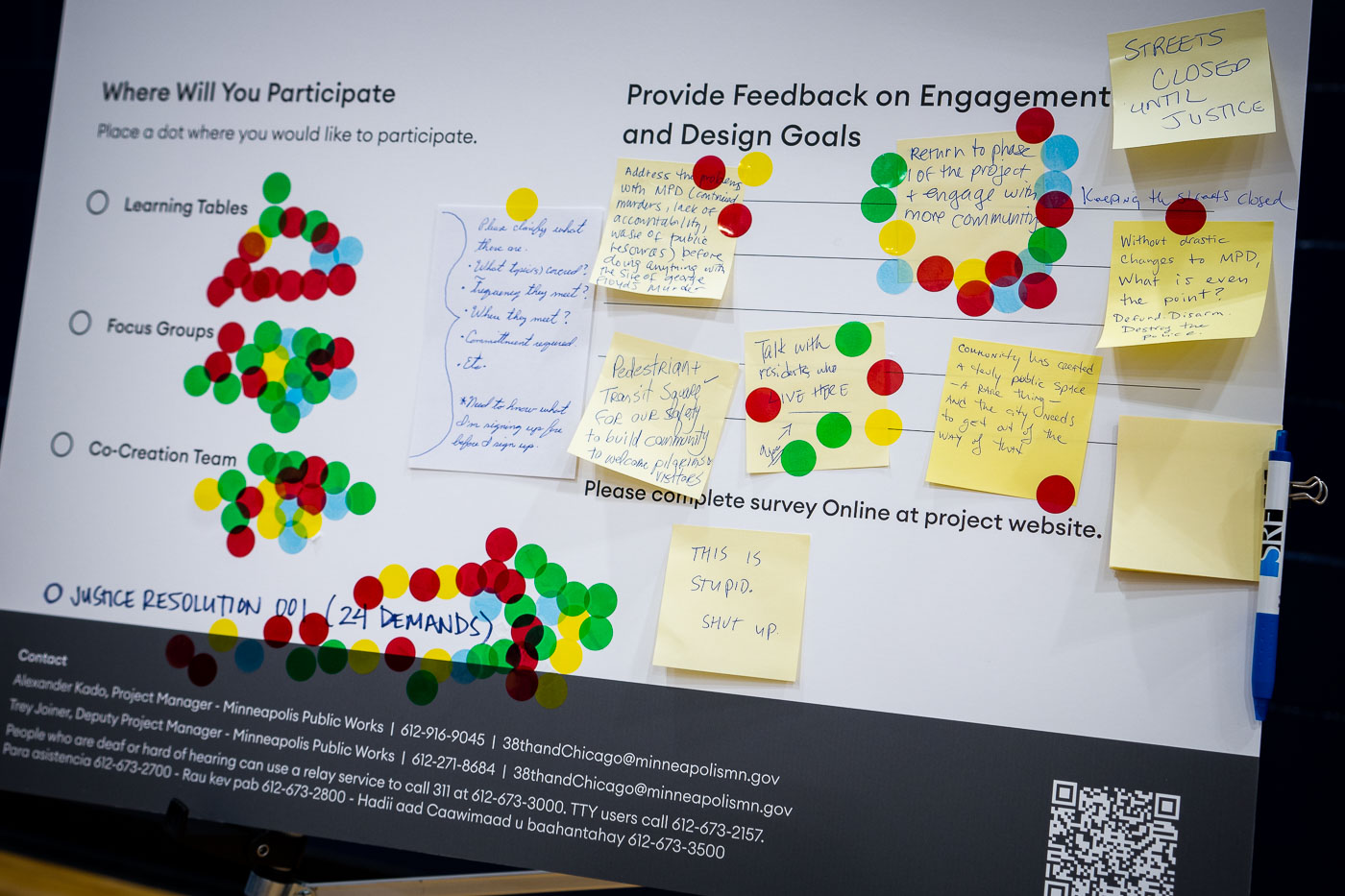 View full post: Feedback on George Floyd Square Re-envisioning Project
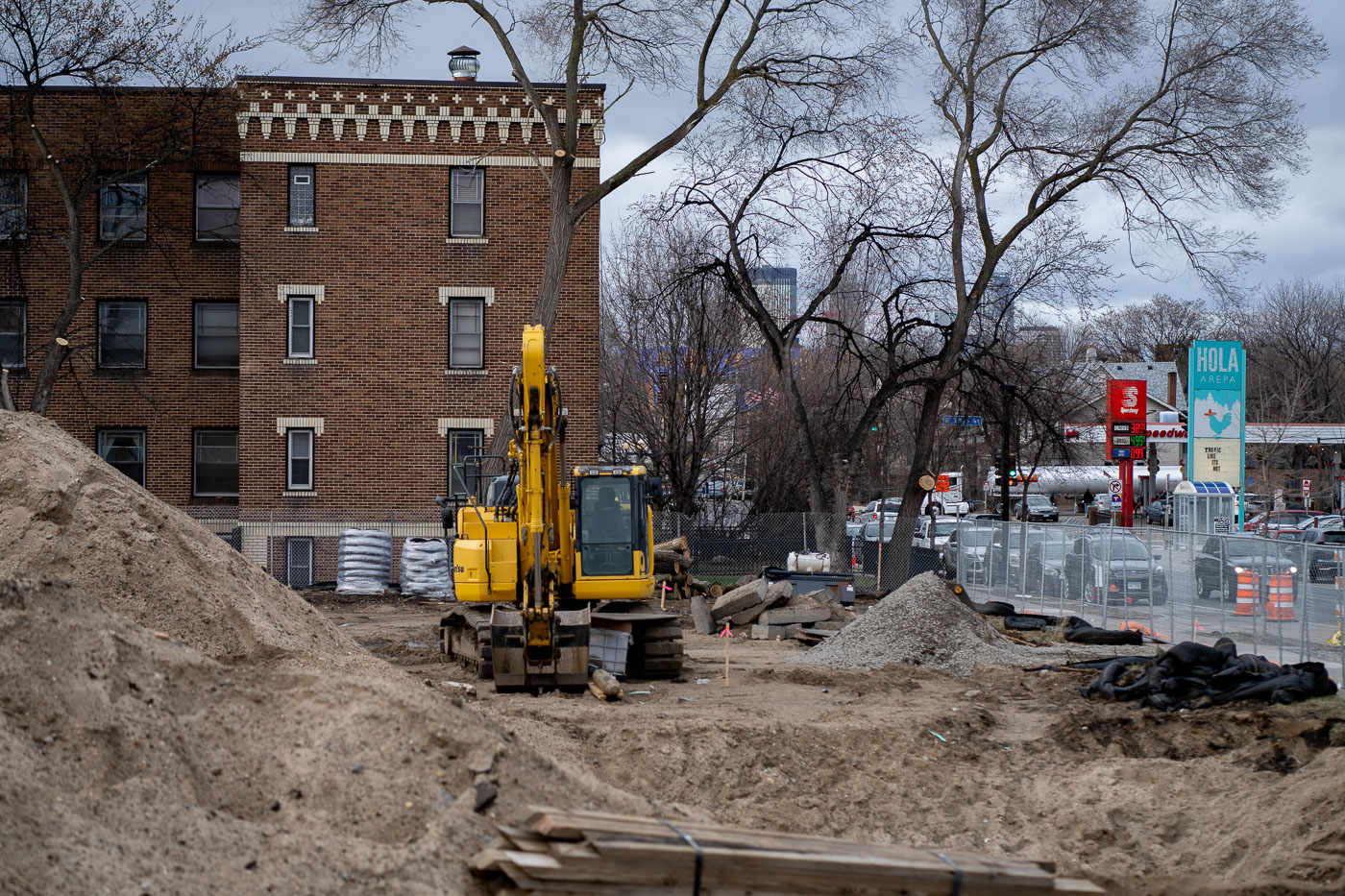 View full post: Nicollet Ave Construction: New Housing Development
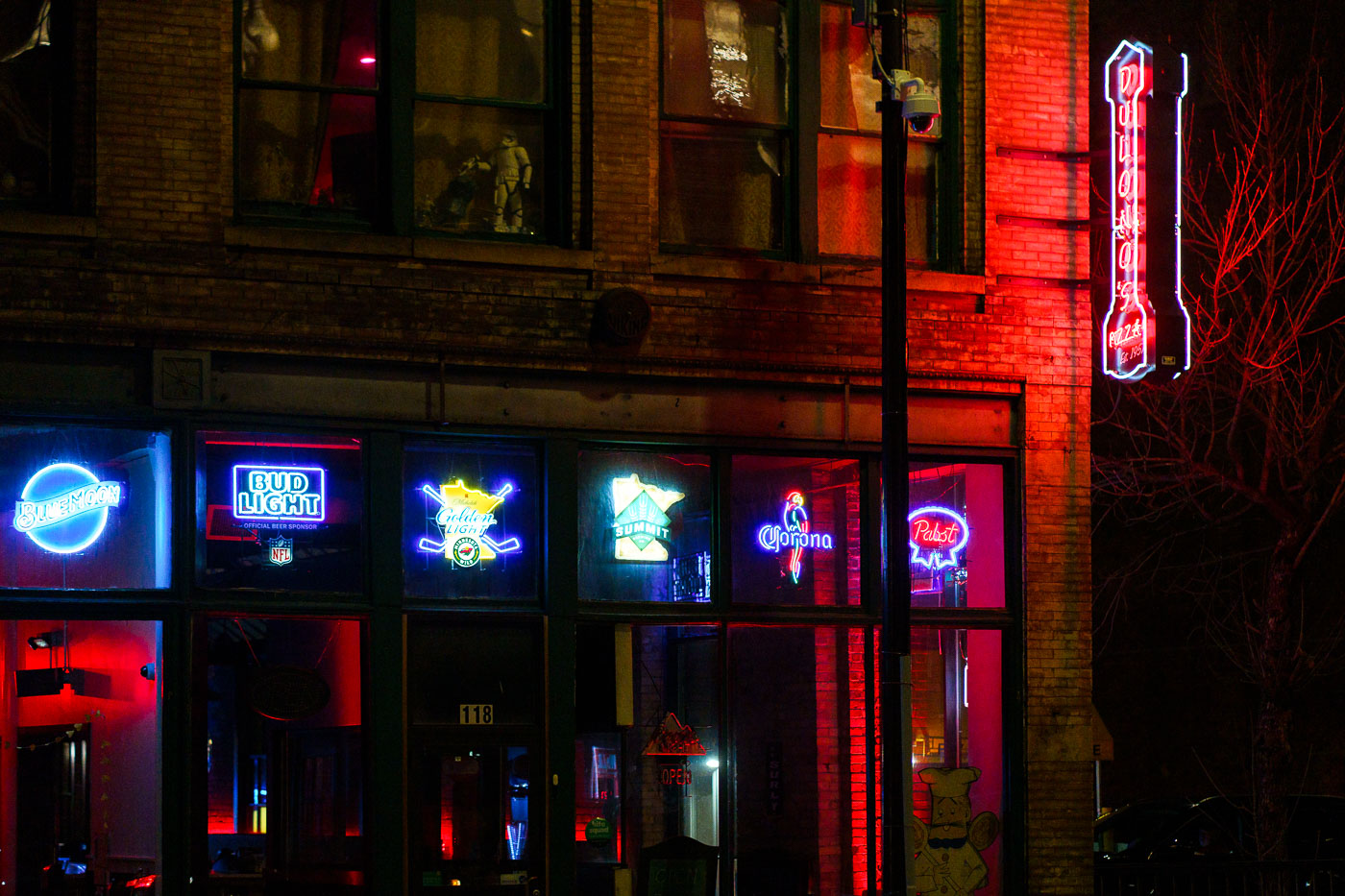 View full post: Dulono’s Pizza Neon Sign, Downtown Minneapolis
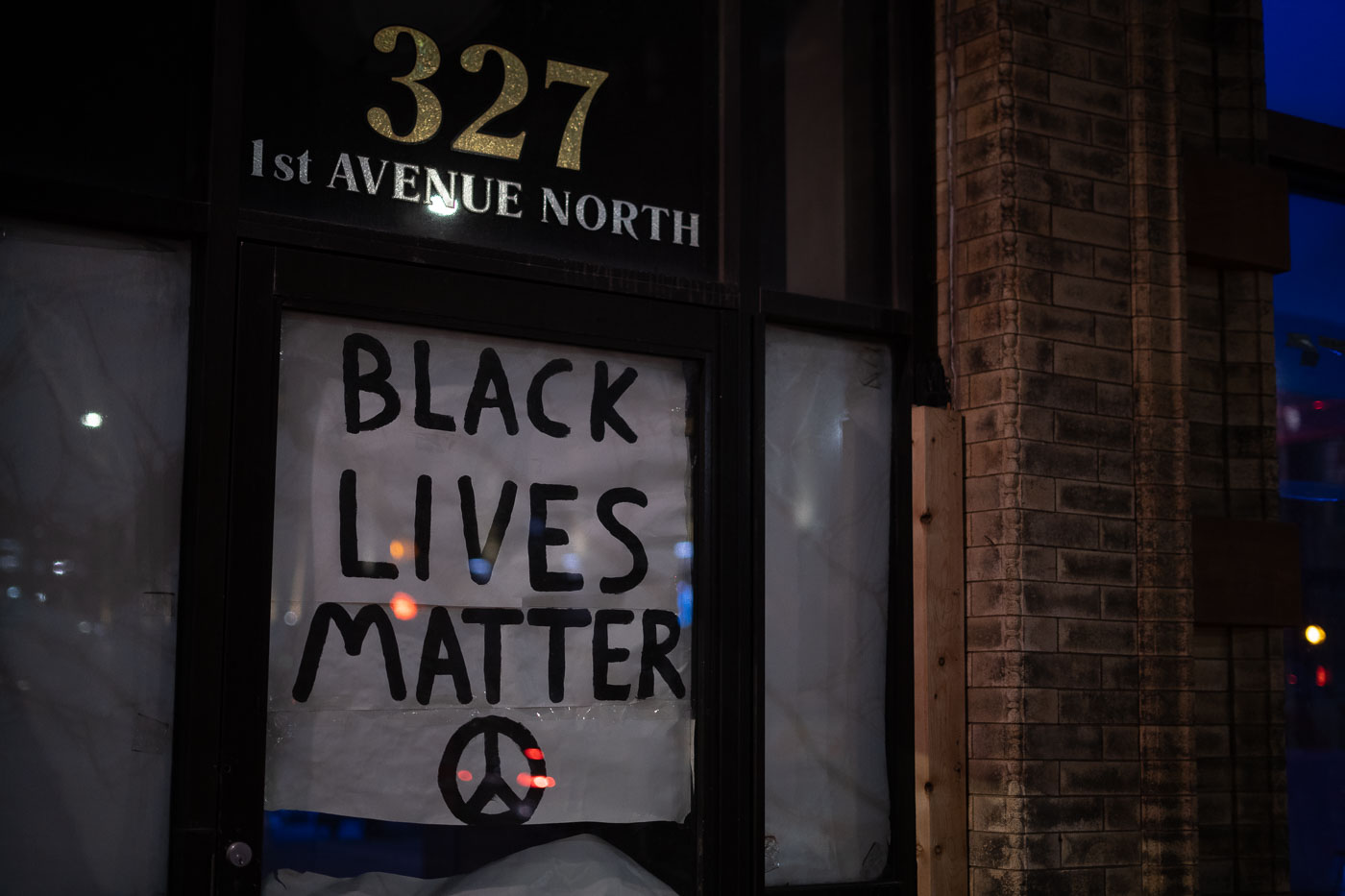 View full post: Black Lives Matter Sign, 327 1st Ave N, Minneapolis April 2022
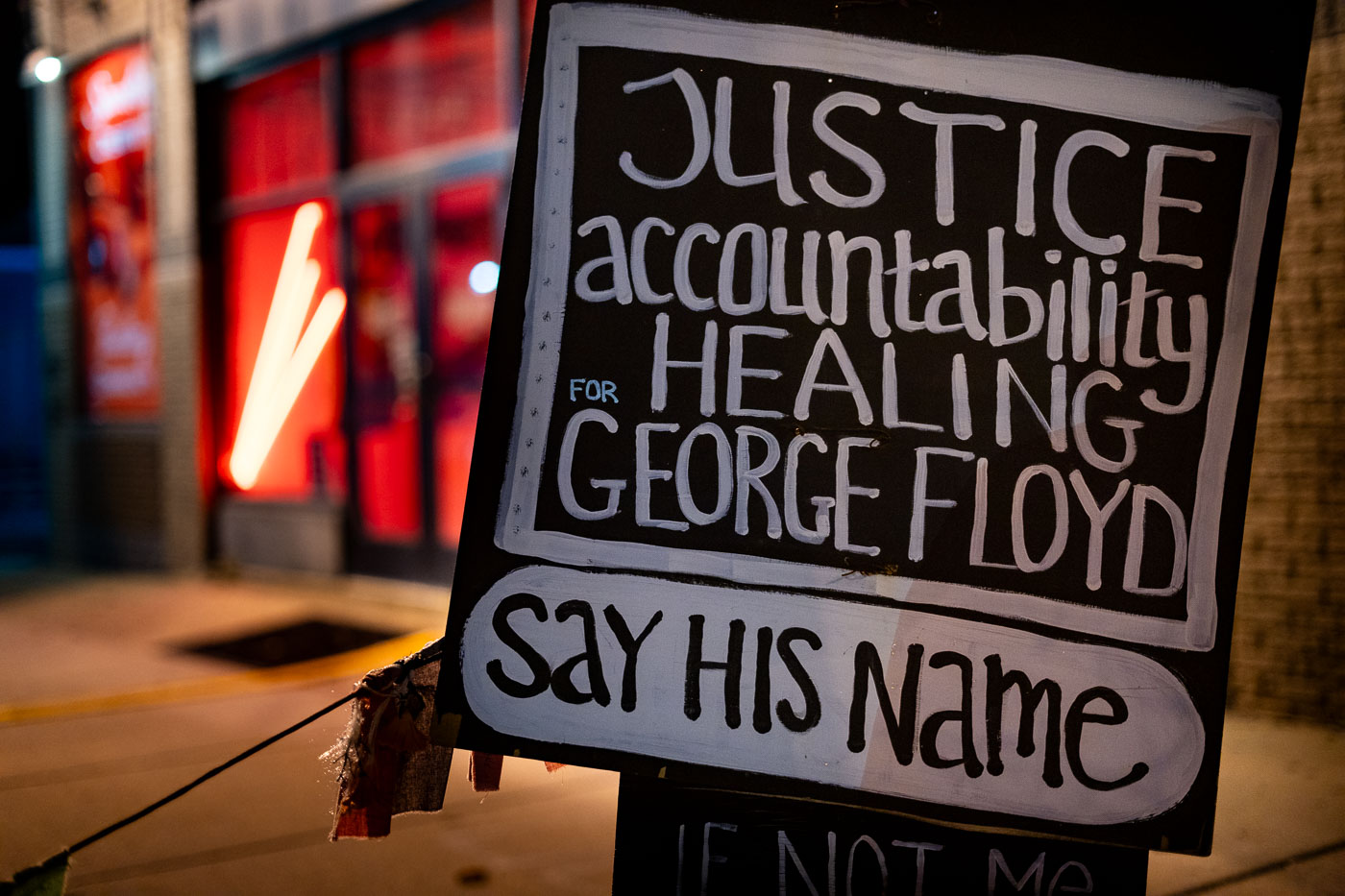 View full post: George Floyd Square: Justice, Accountability, Healing Sign
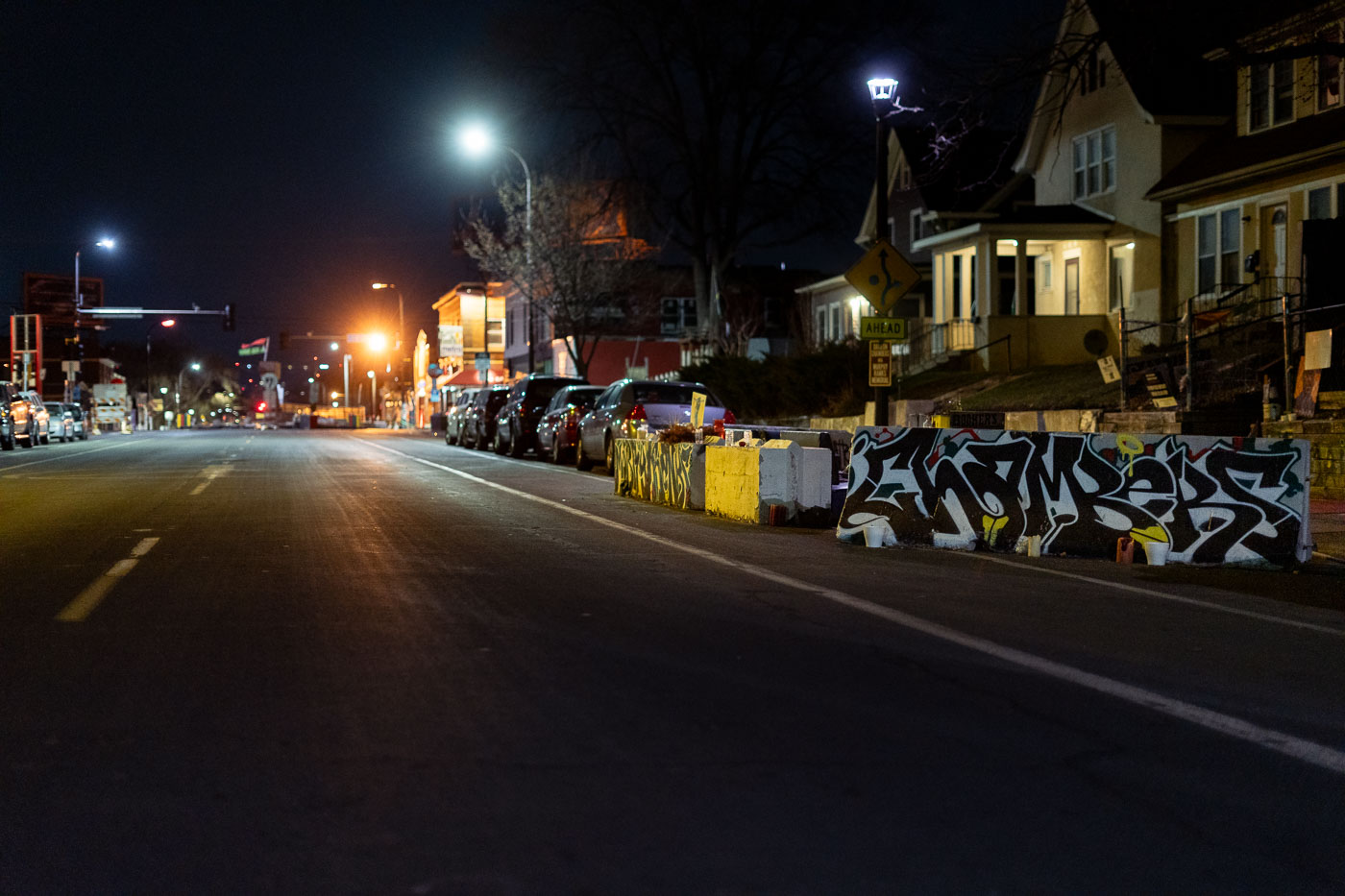 View full post: Murphy Ranks Memorial, George Floyd Square, Minneapolis, April 2022
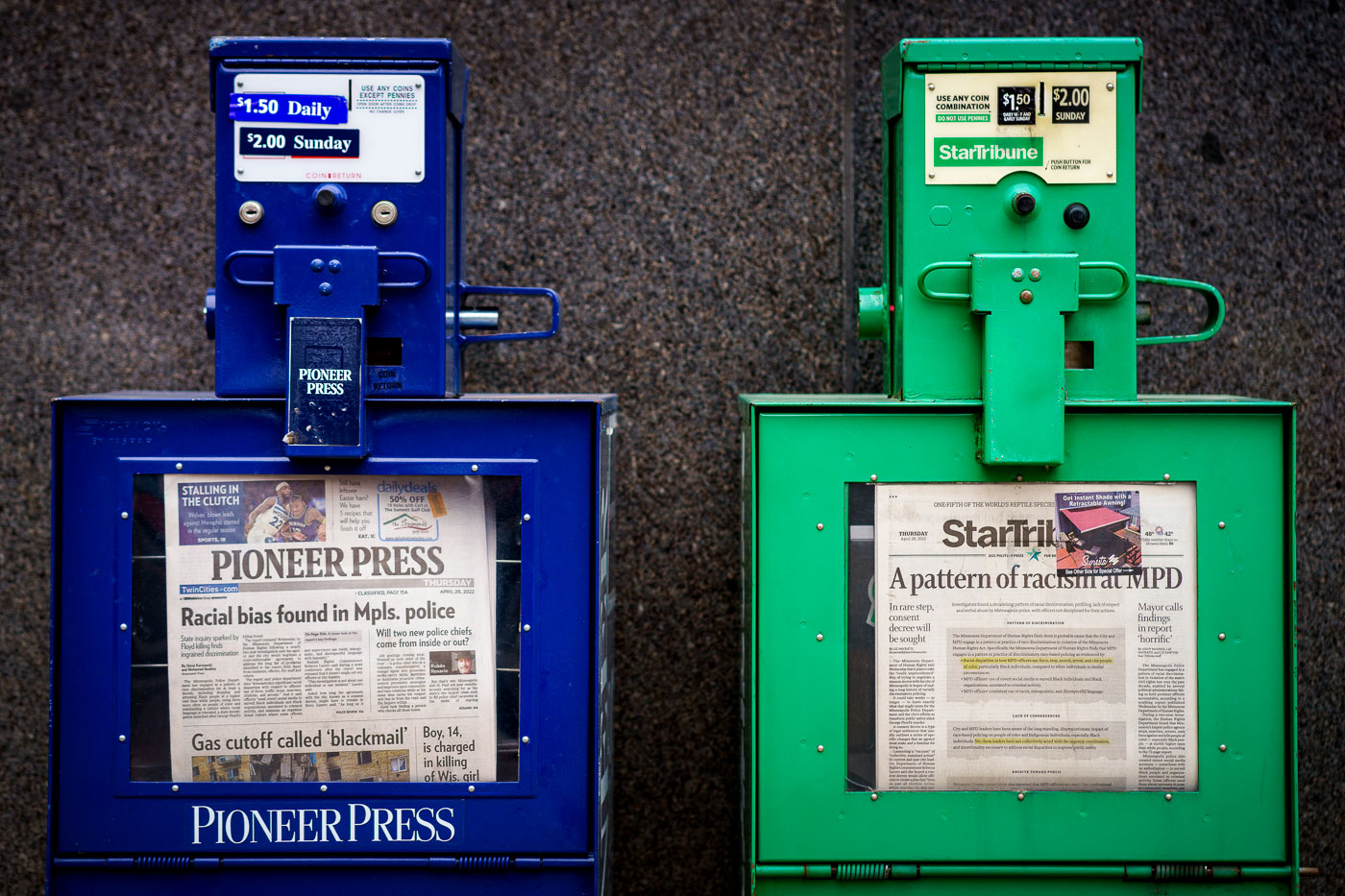 View full post: Minneapolis Star Tribune and Pioneer Press Newsracks April 28, 2022
 View full post: Former JUUT Salon, Hennepin & Lake, Uptown Minneapolis
 View full post: Security fencing at Seven Points Mall, Lake Street, Minneapolis
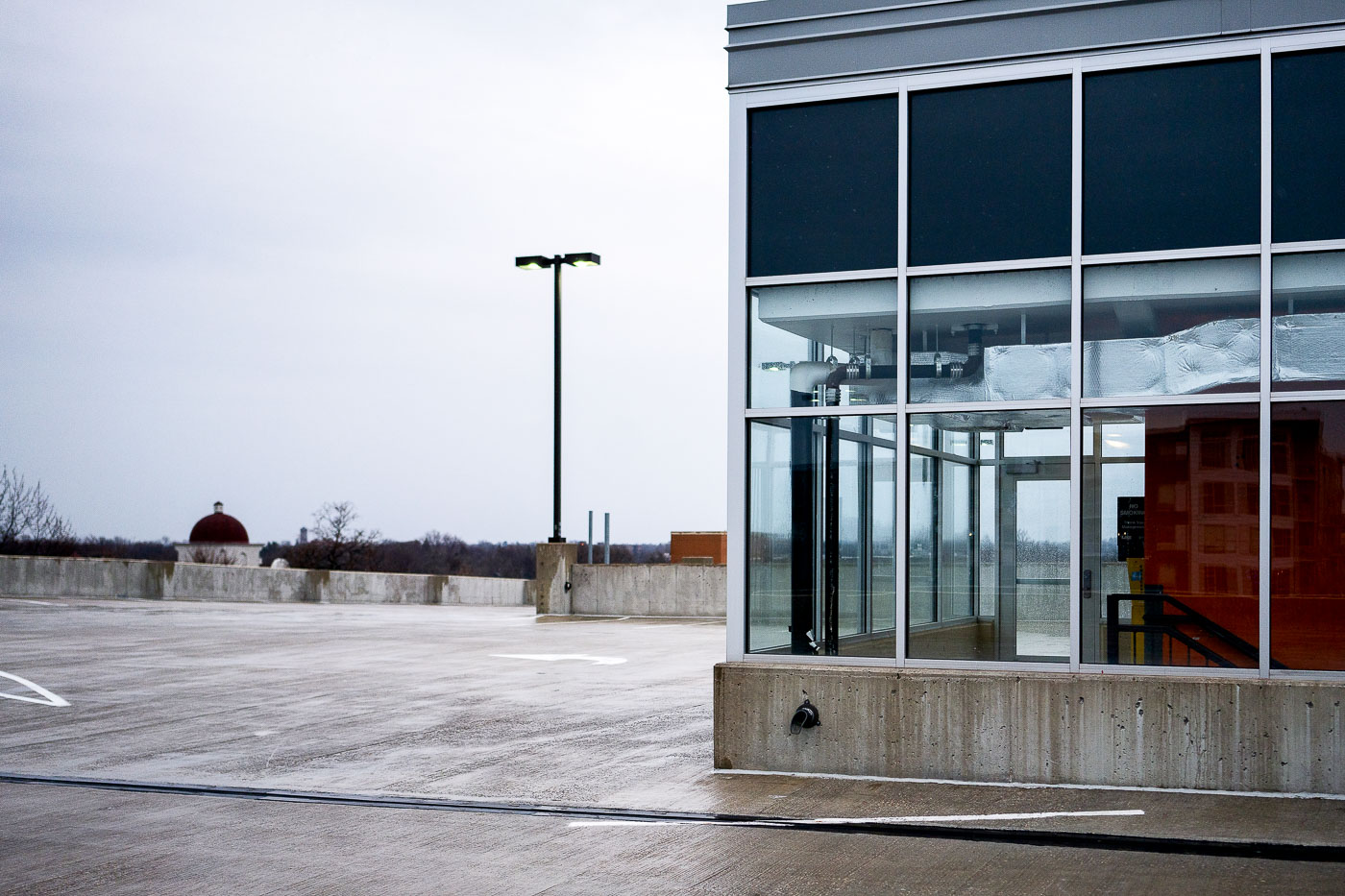 View full post: Seven Points Parking Ramp, Uptown Minneapolis
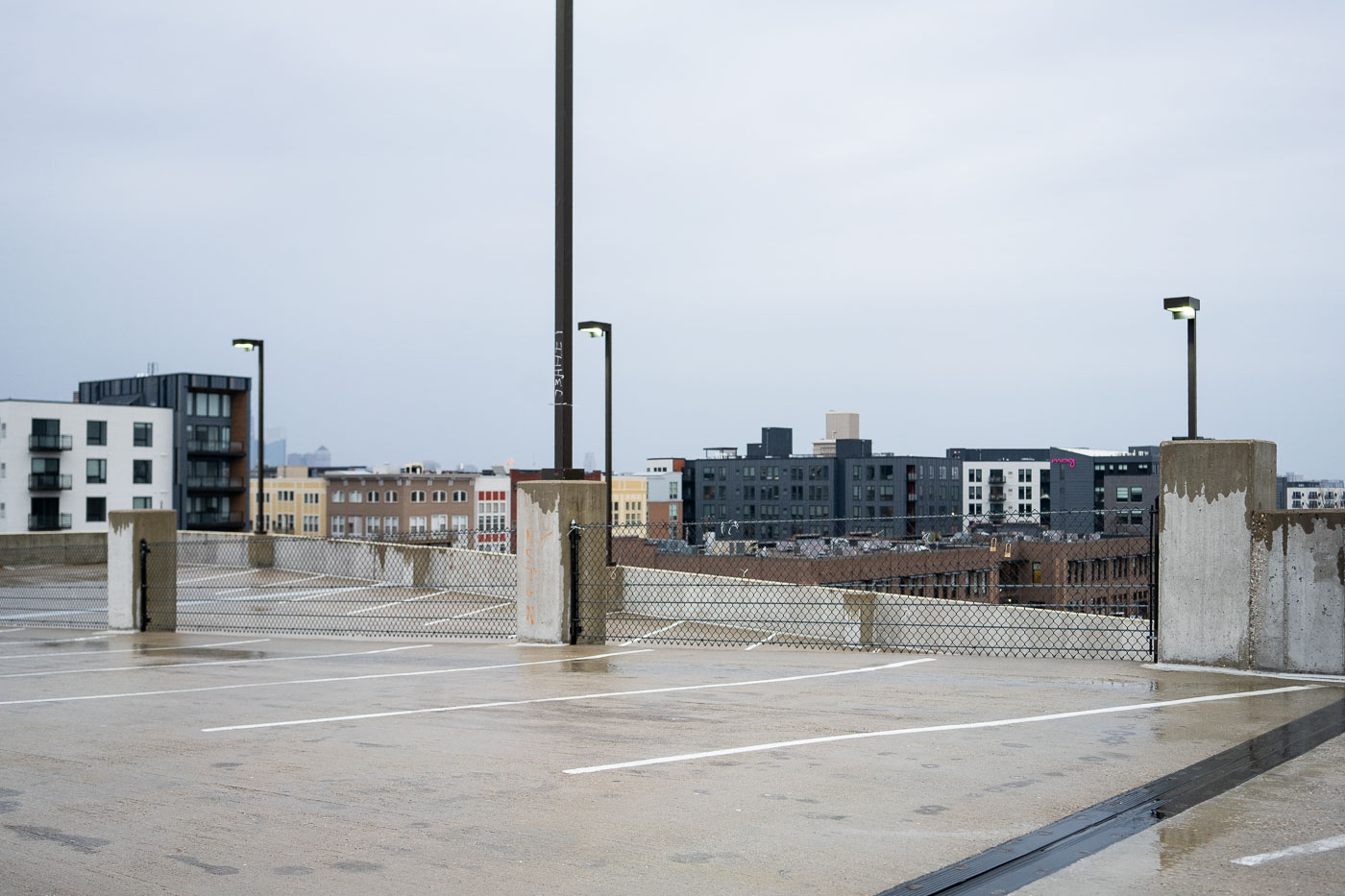 View full post: Seven Points Parking Ramp Rooftop, Uptown Minneapolis
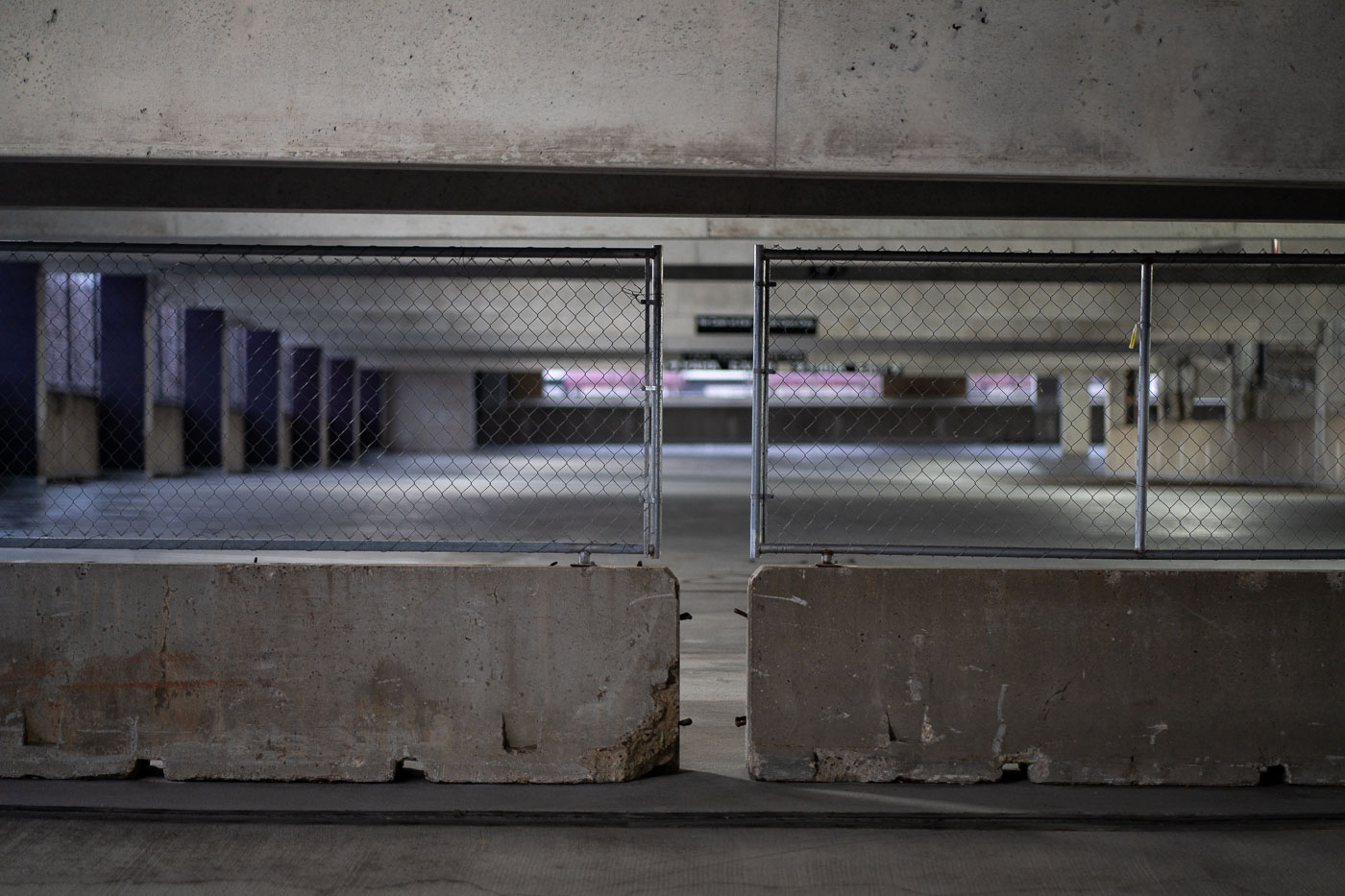 View full post: Seven Points Parking Ramp Barricades After Protests
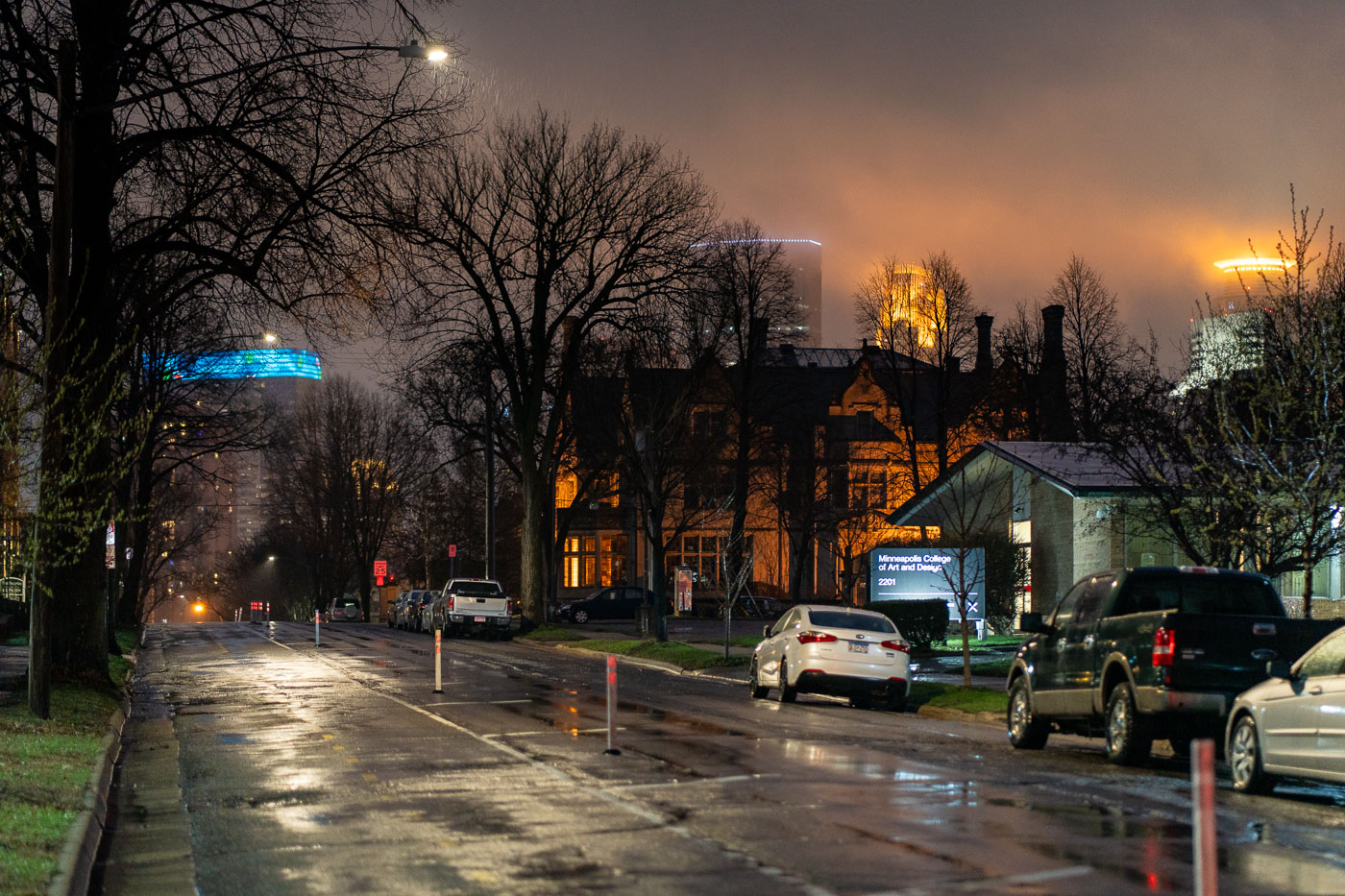 View full post: First Avenue South, Minneapolis: Rainy Night with Fog
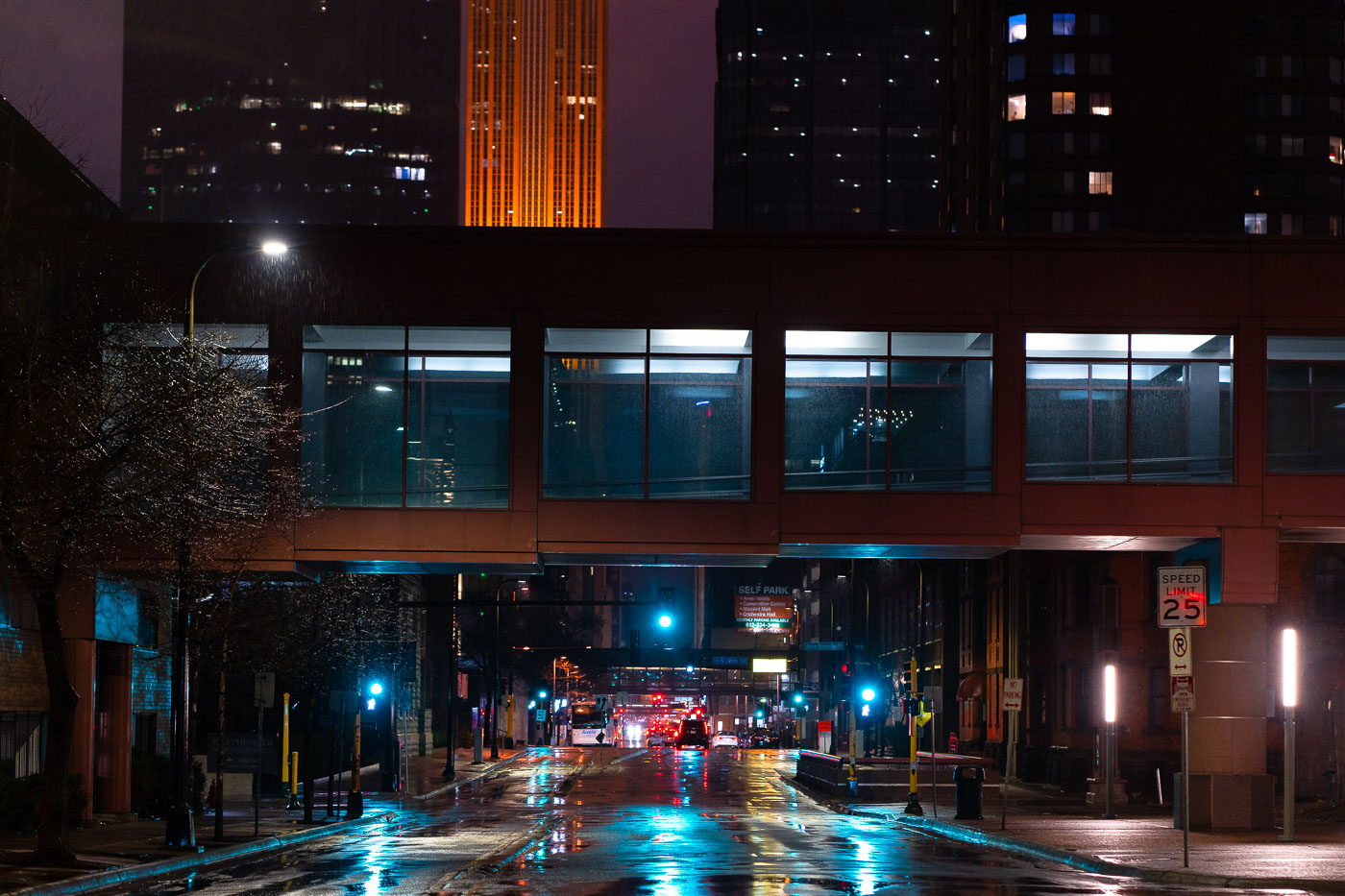 View full post: Minneapolis Skyway at Night in Spring Rain
 View full post: Cup Foods George Floyd Mural Damaged by Vehicle Crash
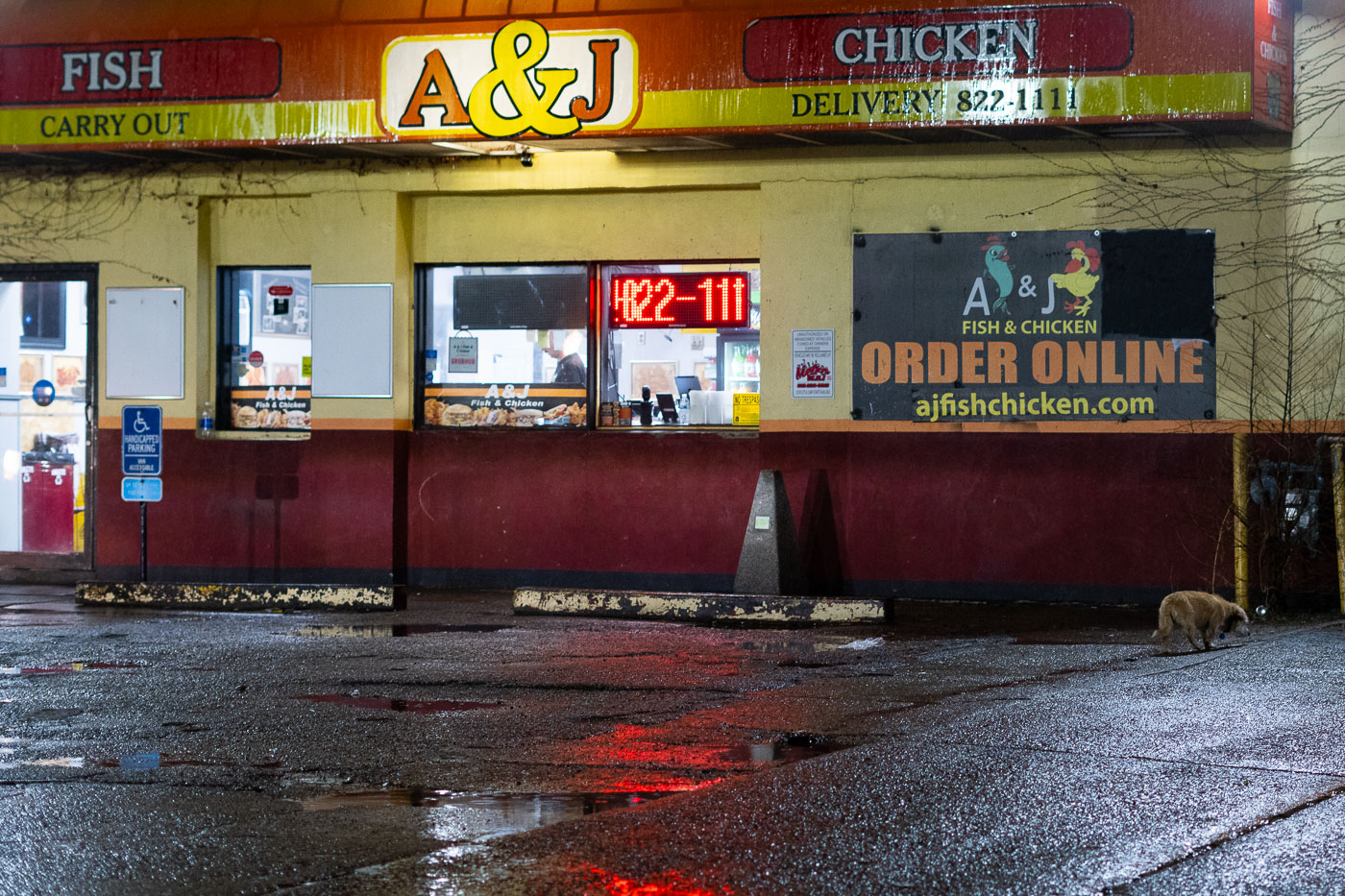 View full post: A&J Fish and Chicken, Lake Street, South Minneapolis