Dominican Republic
Tourism, local communities, and public infrastructure in eastern Dominican Republic
February 5, 2016 - February 10, 2016
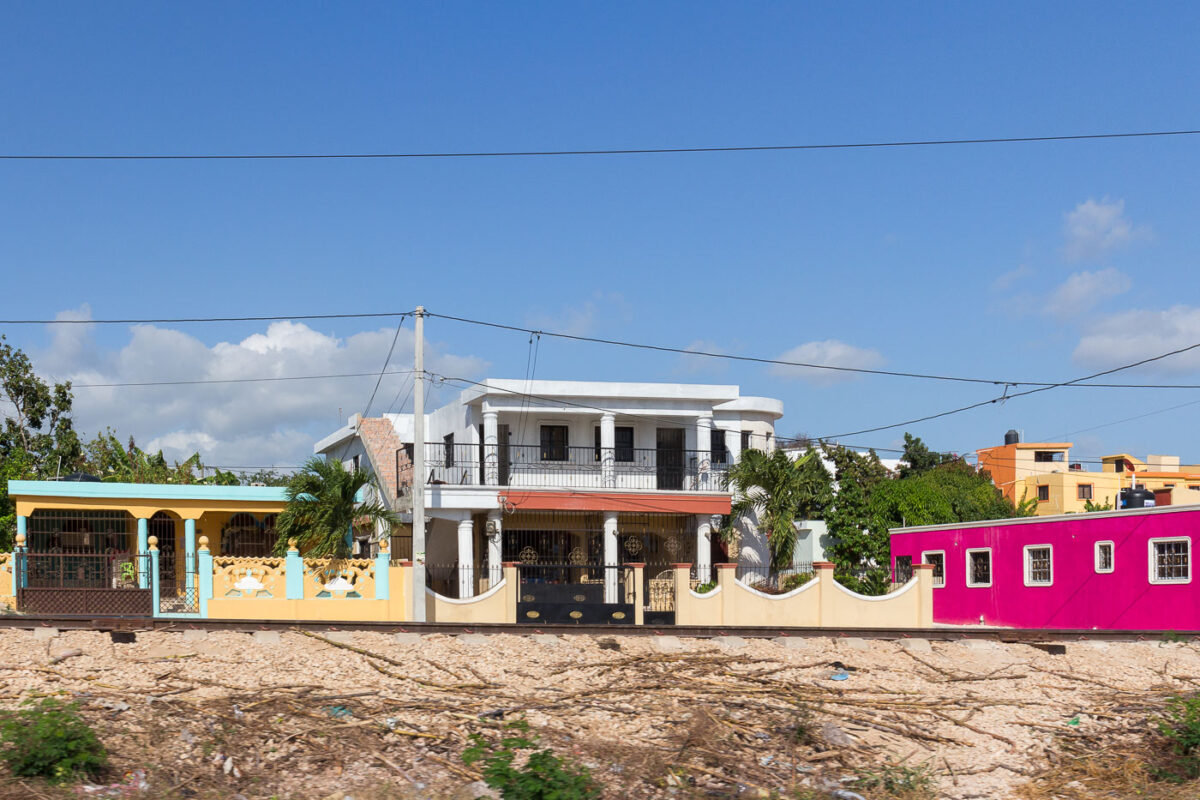
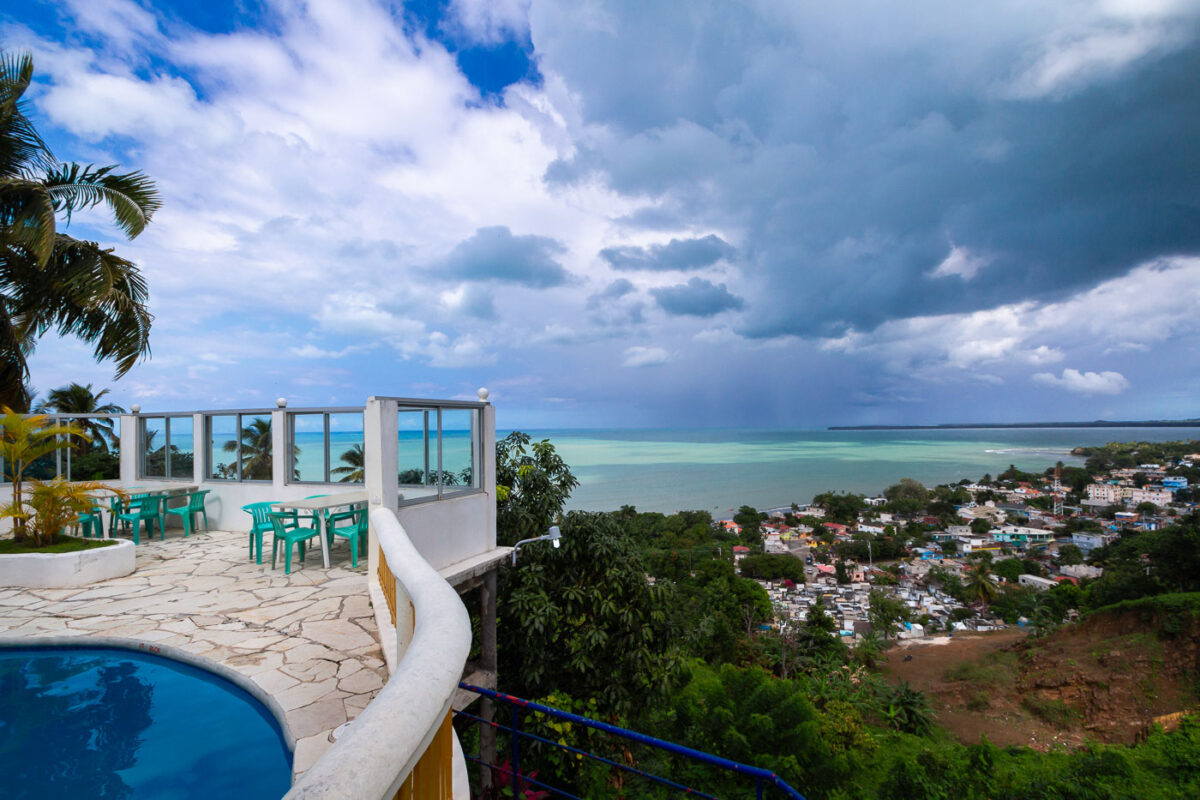
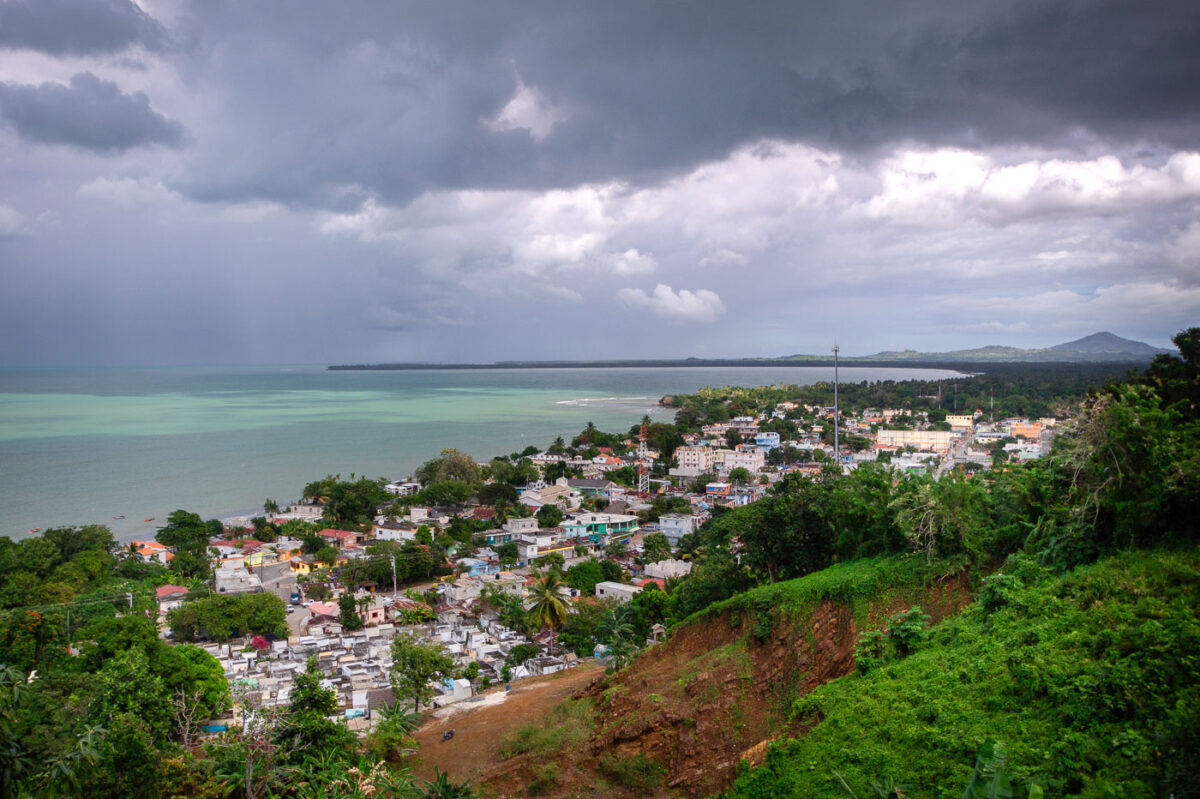
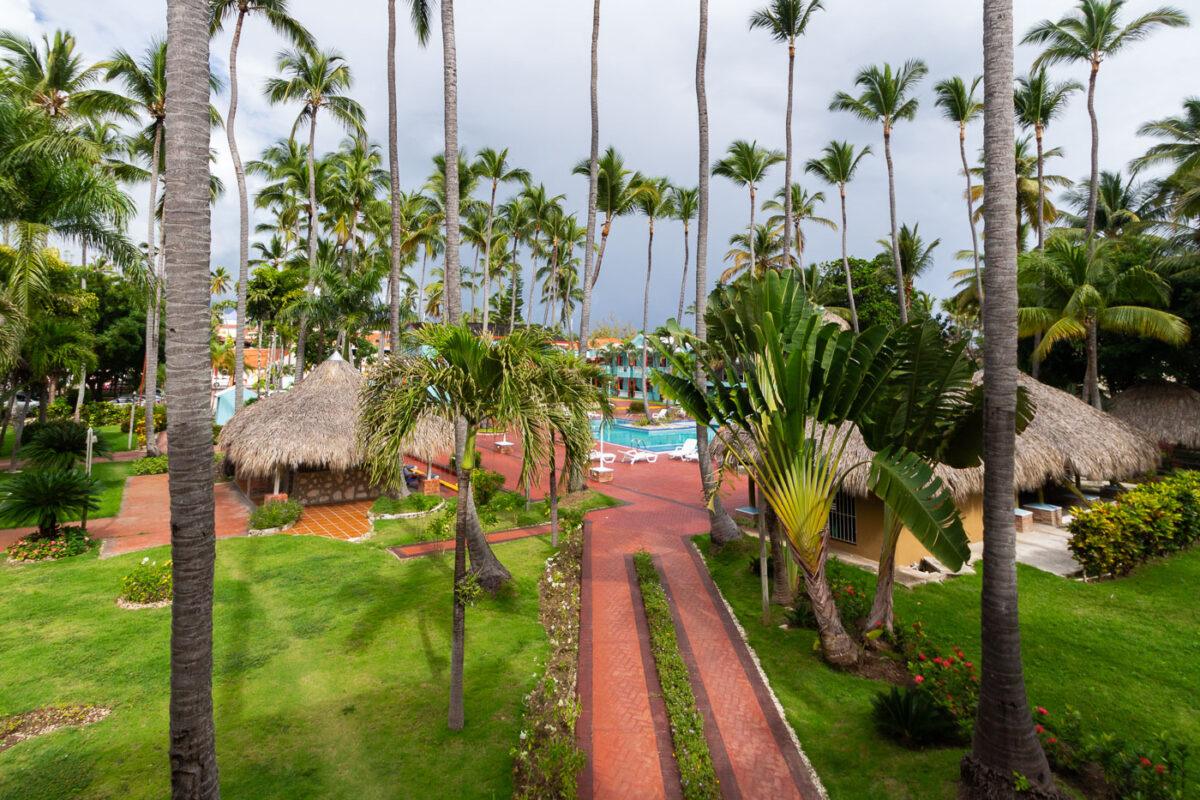
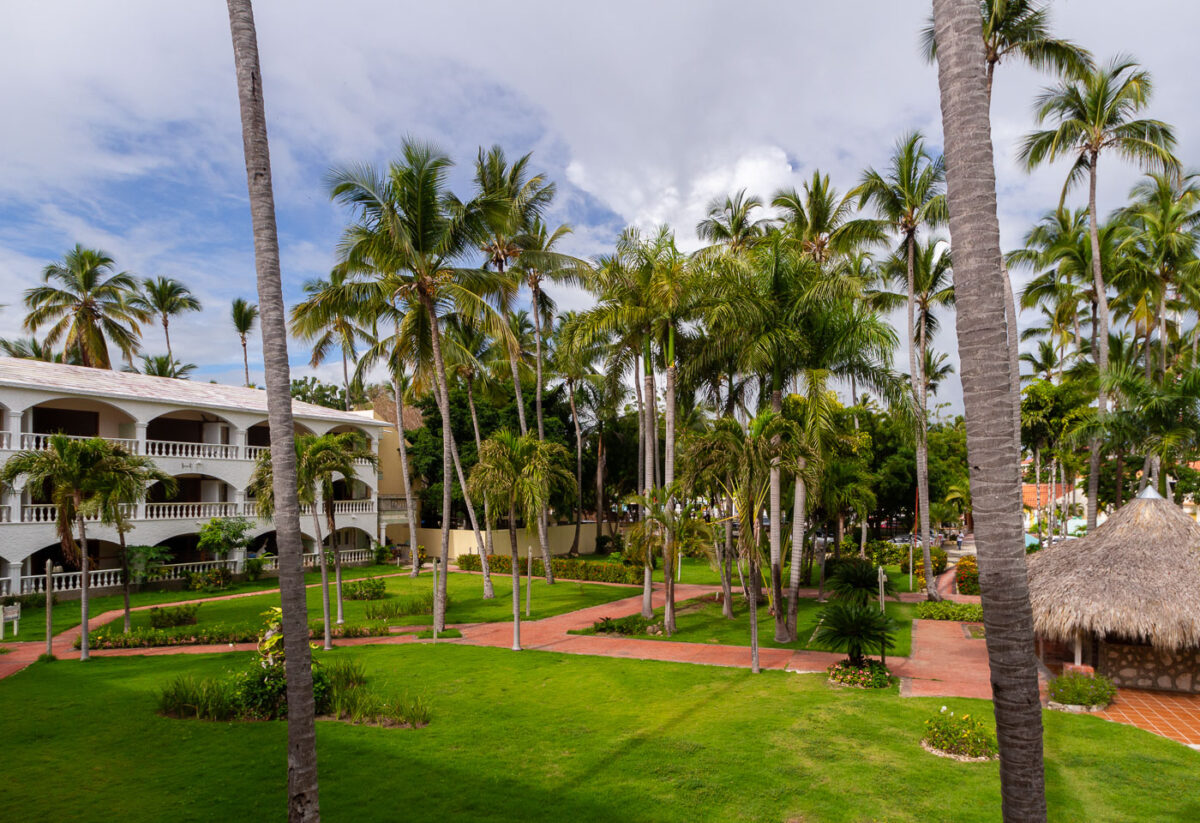
The eastern Dominican Republic is a region marked by a blend of coastal tourism, established local communities, and significant infrastructure growth. Punta Cana and Bávaro have seen rapid transformation since the late 20th century, shifting from fishing villages and agricultural areas to major international resort destinations. Nearby towns such as Miches and La Romana continue to reflect traditional economic activities such as fishing, agriculture, and small-scale commerce, even as large-scale development projects expand throughout the coastal corridor. Architectural and infrastructural elements, including hotels like Cortecito Inn and Hotel La Loma, illustrate different stages of regional growth, from early tourism development to more recent resort planning and ecotourism initiatives.
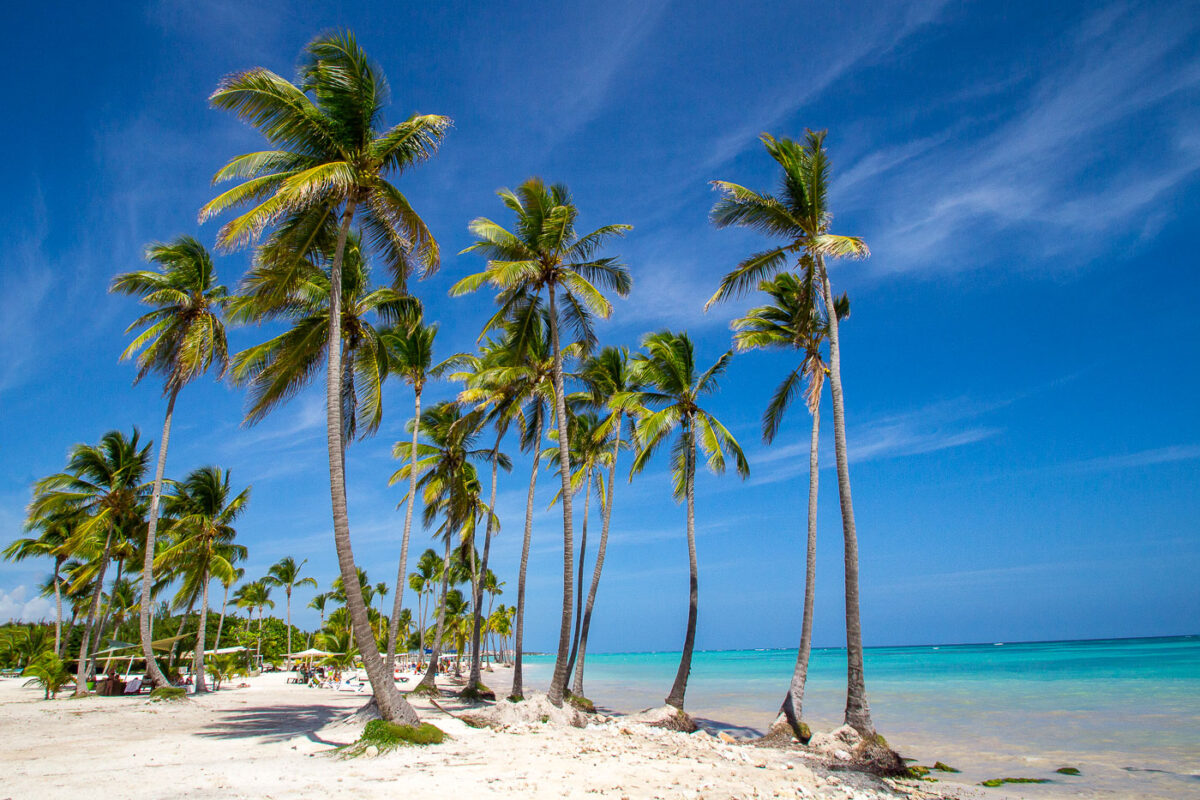
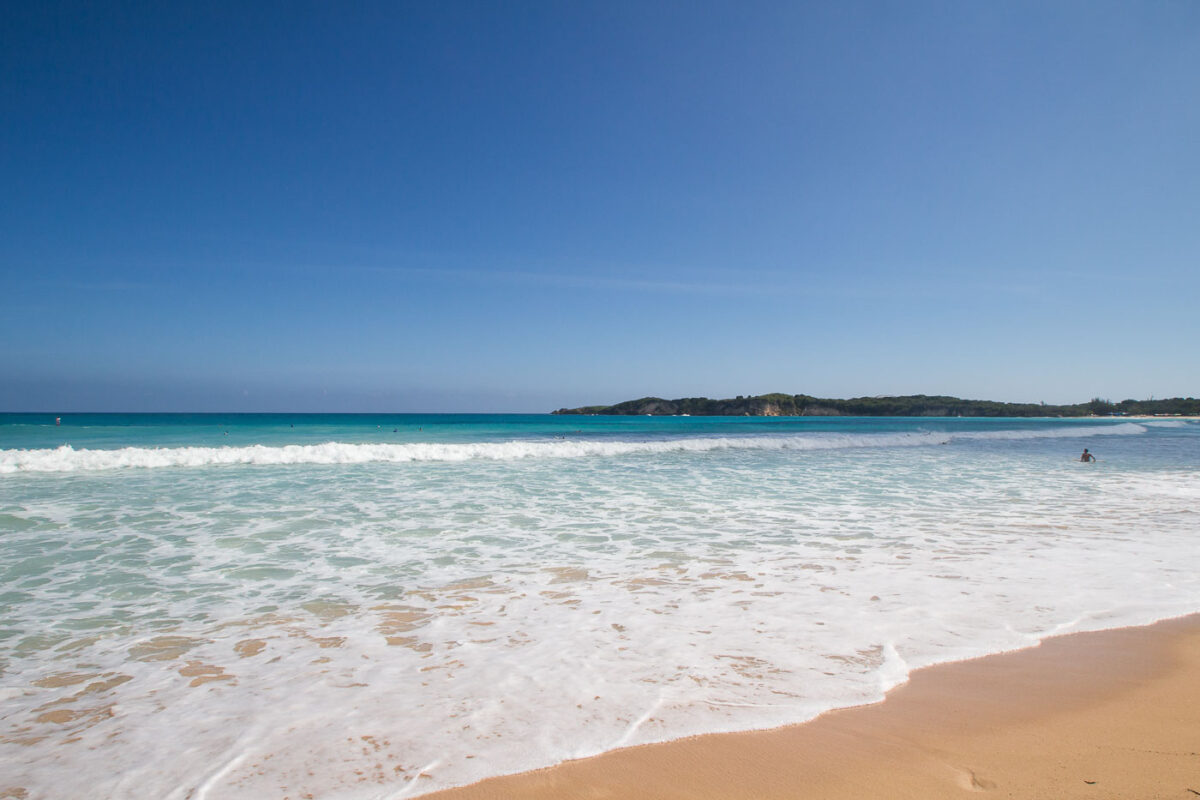
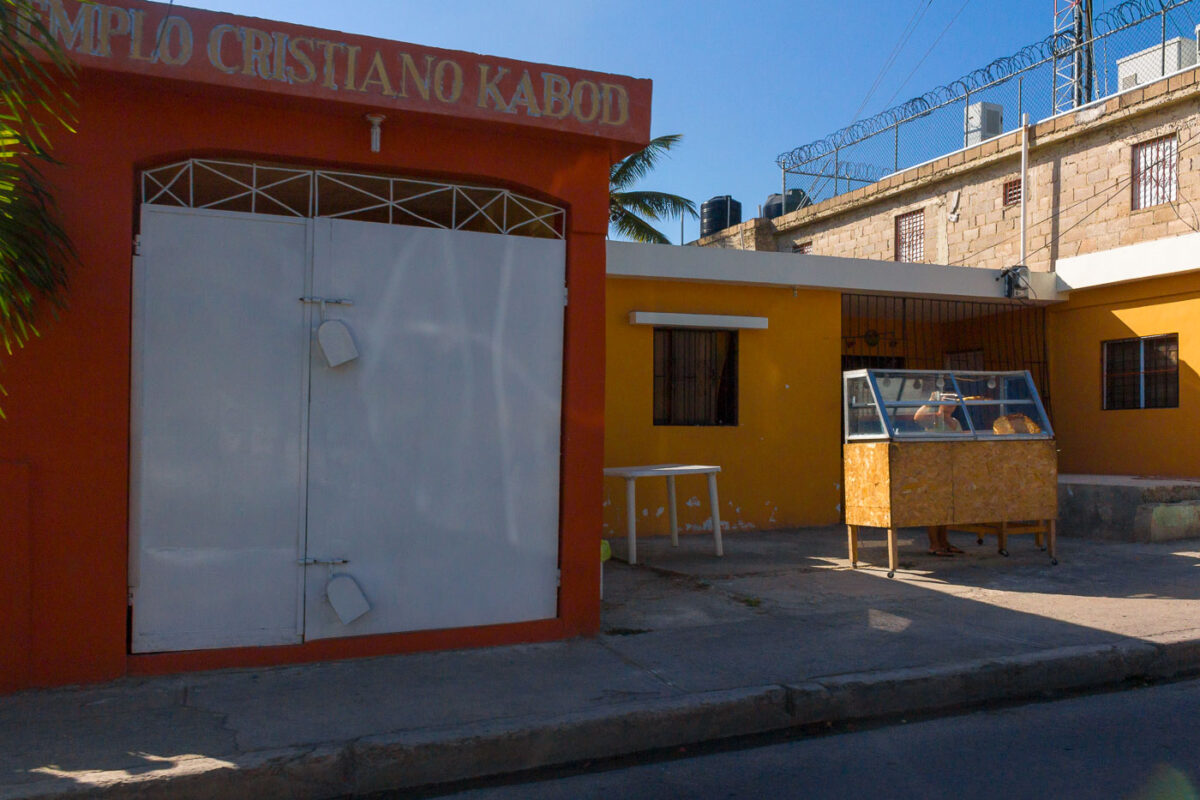
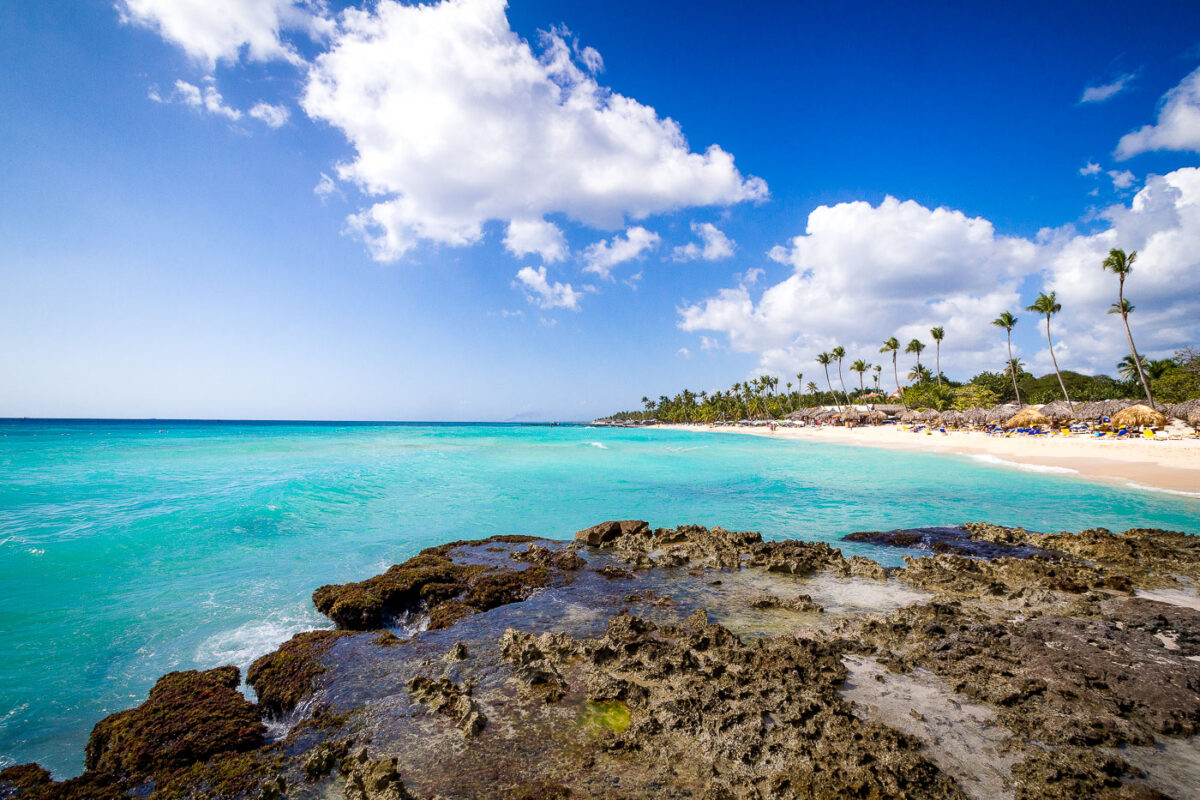
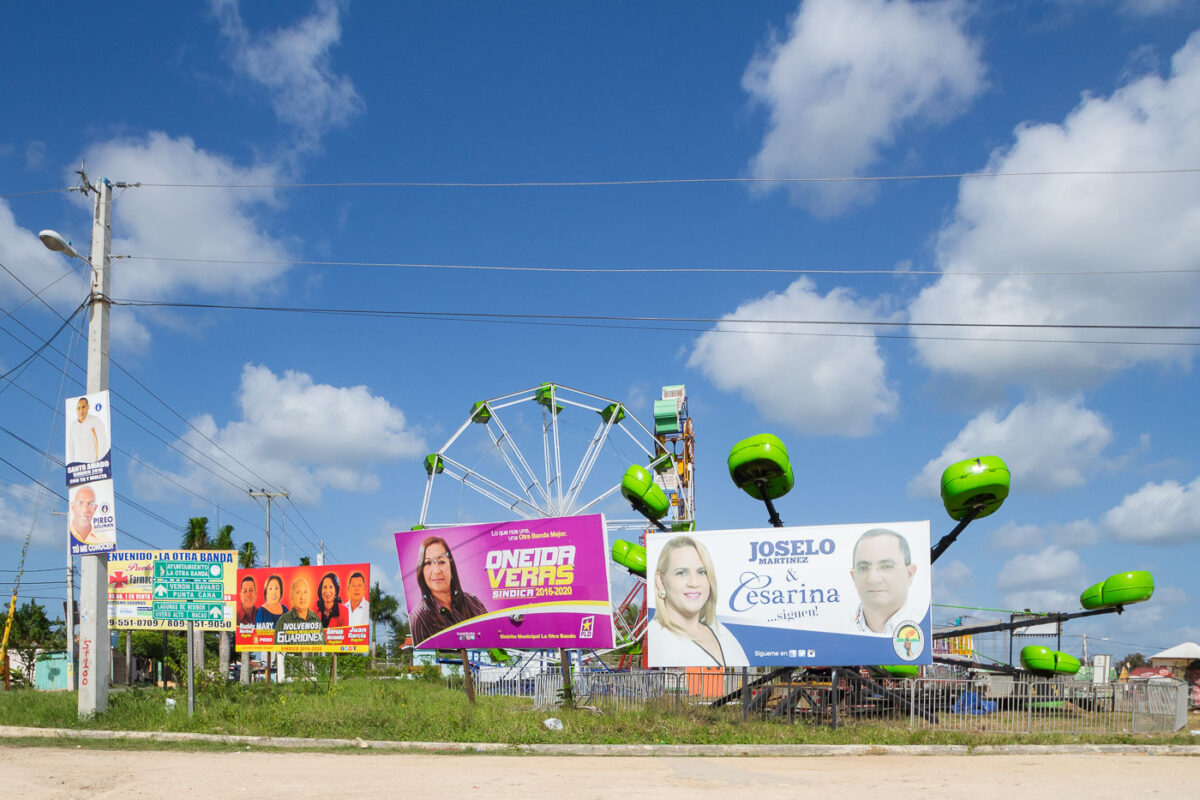
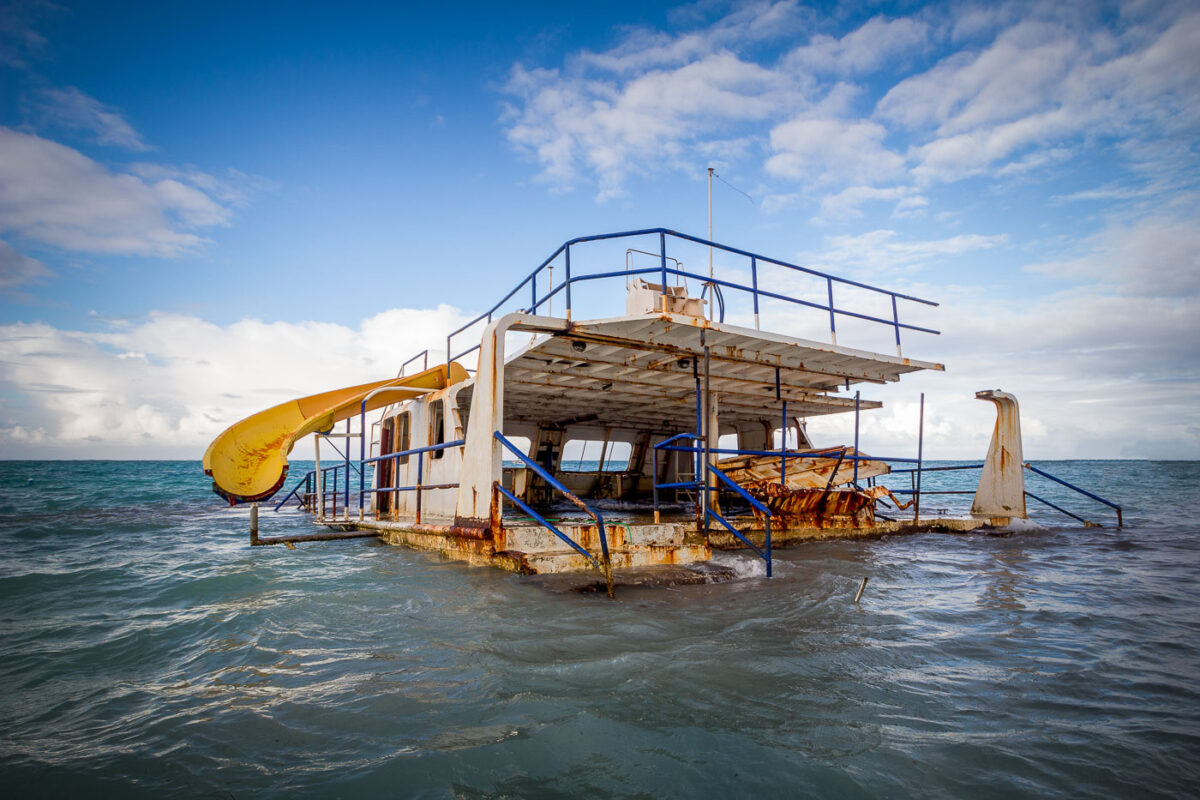
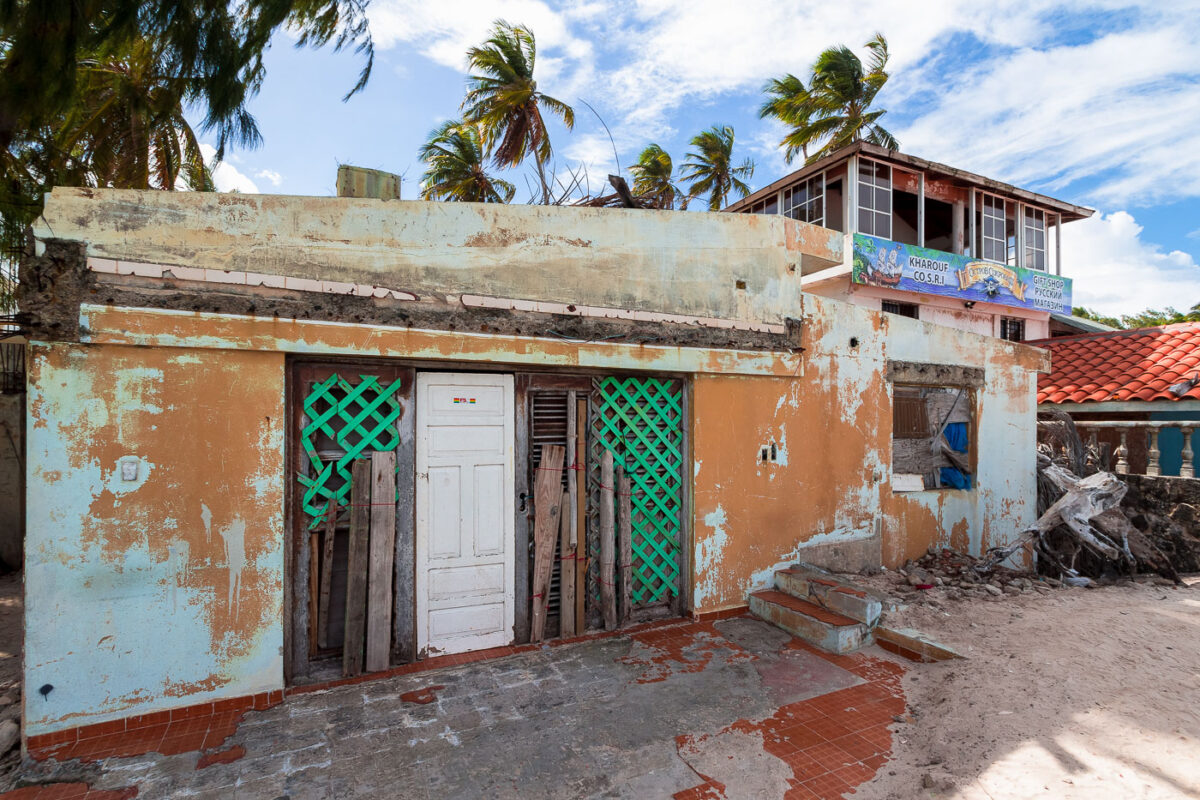
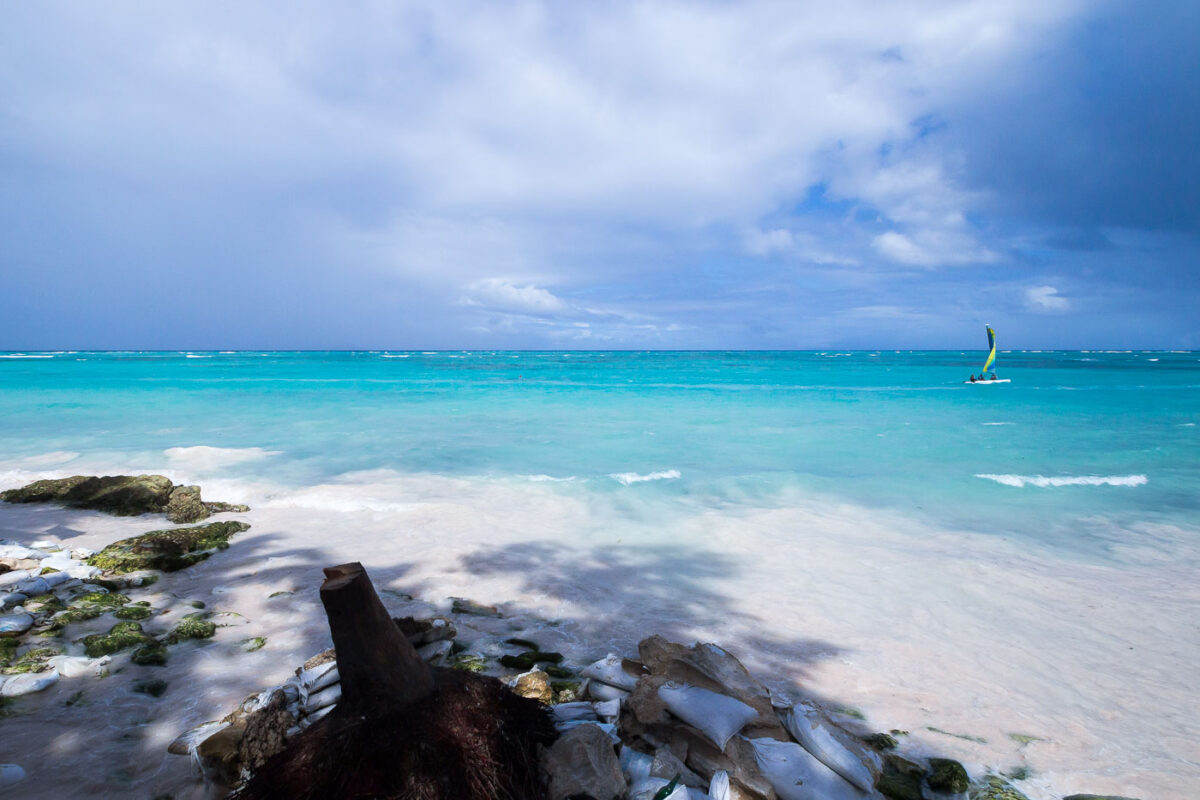
Beaches such as Macao and Juanillo reveal ongoing contrasts between public access, traditional uses, and privatized resort landscapes. Local public spaces and commercial sites—including abandoned structures and roadside fairgrounds—highlight the relationship between longstanding community life and the new demands of tourism and real estate. The area’s natural features, including the shallow waters of Laguna Redonda and the Atlantic coastline, have shaped both historical settlement patterns and recent economic shifts, making this region a focal point for discussions about the future of land use and cultural preservation in the Dominican Republic.