Map
More from Antigua
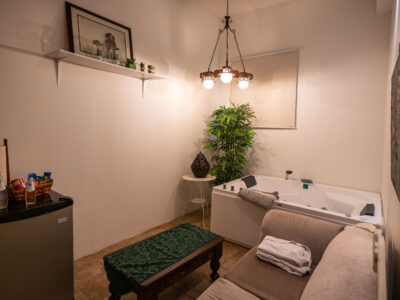
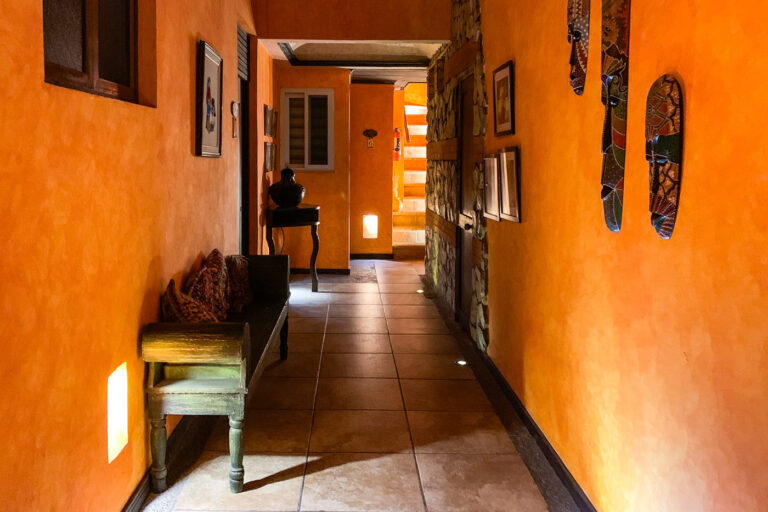
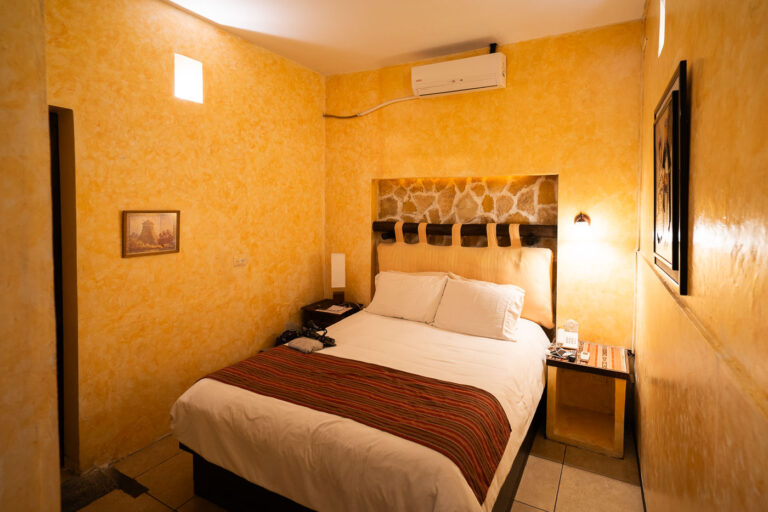
Jacuzzi Suite at Casa Bella Boutique Hotel, Antigua
Casa Bella Boutique Hotel sits within Antigua Guatemala's historic center, a UNESCO World Heritage site recognized for its preserved Spanish…
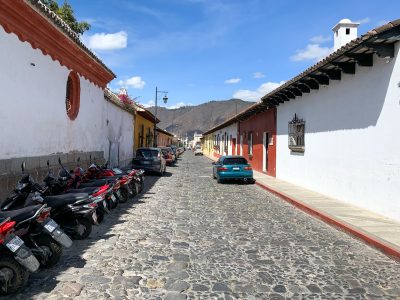
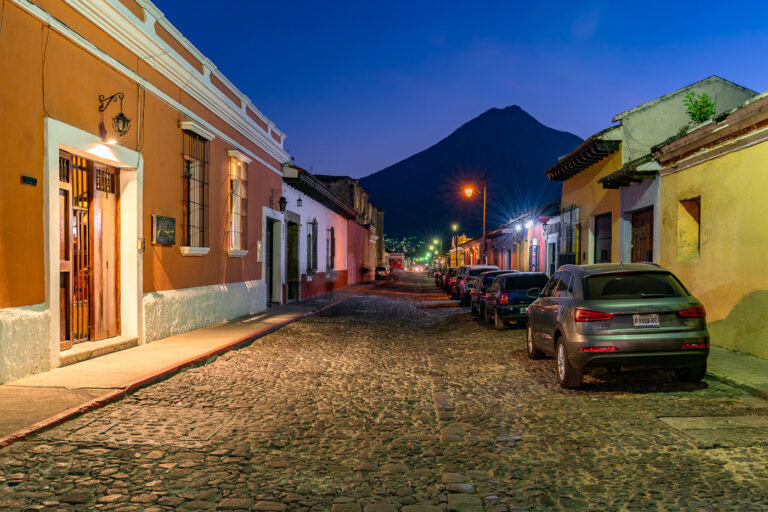
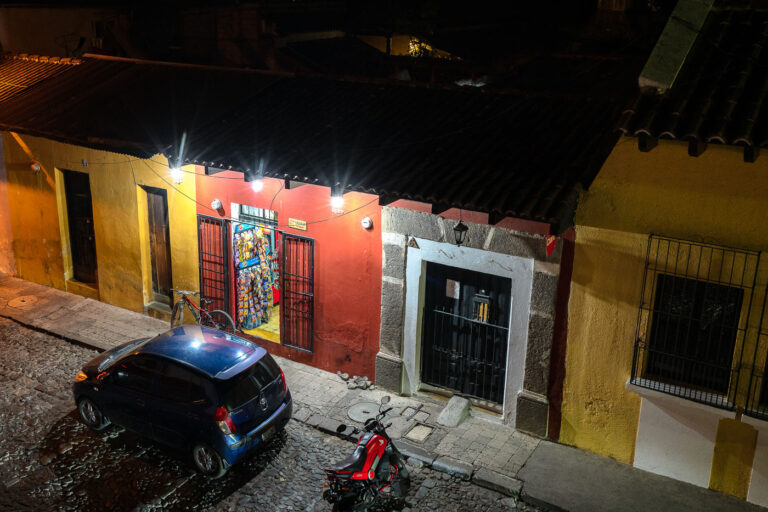
Parked Motorcycles Along a Cobblestone Lane in Antigua
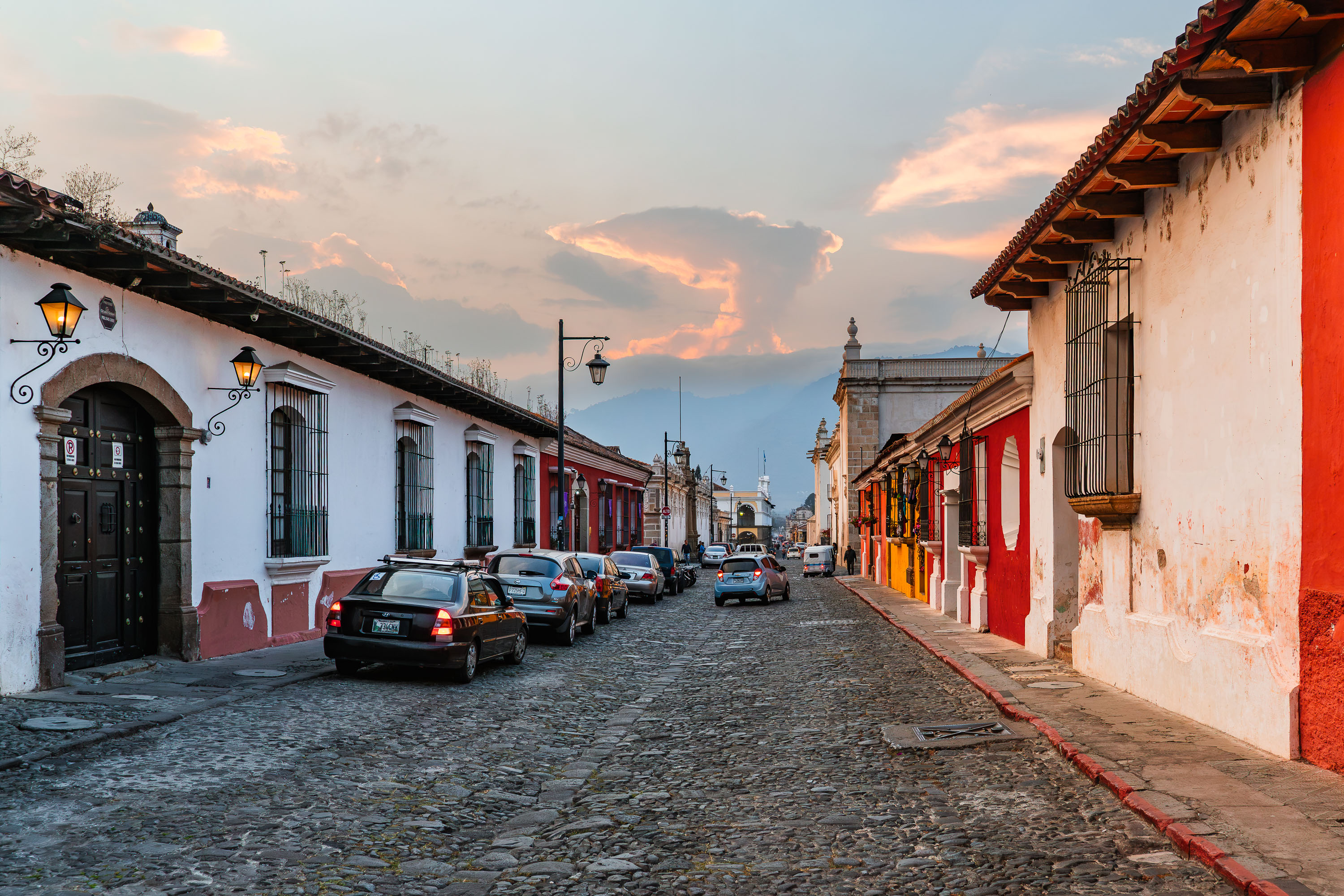
Antigua's streets still follow the colonial grid laid out after the city became the capital of the Kingdom of Guatemala…

San José Cathedral and Volcán de Agua Over Antigua Guatemala
The Catedral de San José faces Parque Central in Antigua Guatemala, its current facade dating to a 1680 rebuilding after…

Volcán de Agua at Sunset from the Acatenango Highlands
Volcán de Agua rises to 3,766 meters south of Antigua Guatemala, its symmetrical cone a familiar sight across the Panchoy…
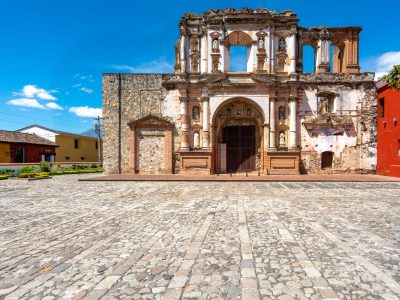
Facade of Iglesia y Convento de la Compañía de Jesús, Antigua
The Compañía de Jesús complex in Antigua Guatemala was built by the Jesuit order, with construction on this church completed…

Archway View of the Palacio de los Capitanes Generales
The Palacio de los Capitanes Generales stands on the south side of Antigua Guatemala's Parque Central, the plaza that anchored…
Nearby Photos