Tree

4 photos · 2019–2021

4 photographs tagged Tree, 2019–2021.
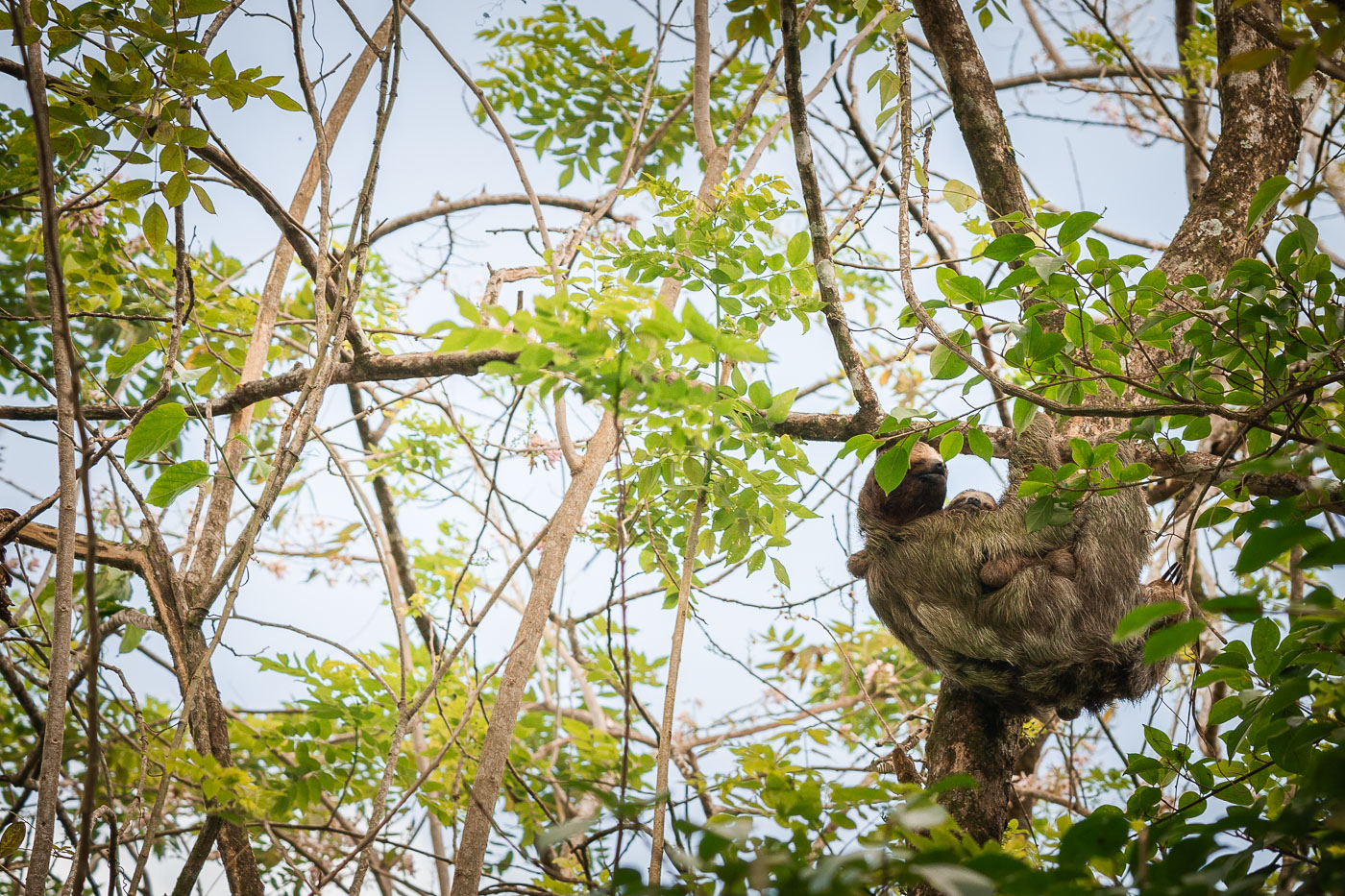
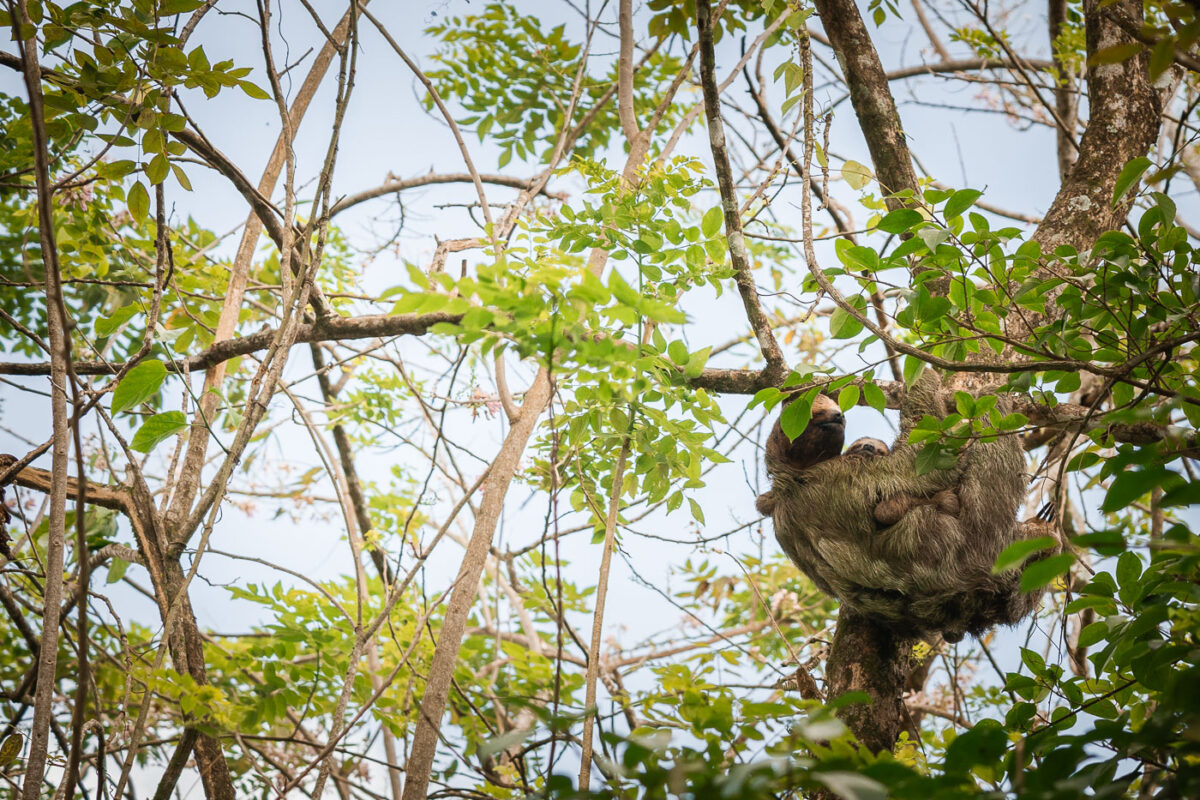
A mother sloth and her baby cling to a tree branch in Costa Rica's tropical forest canopy.
Costa Rica is home to two sloth species: the brown-throated three-fingered sloth and Hoffmann's two-fingered sloth. Both are arboreal and spend the majority of their lives in tree canopies, descending to the ground only about once a week to defecate. Females carry their young continuously for the first several months, with the infant clinging to the mother's belly as she moves slowly through the branches. Sloths have an exceptionally slow metabolism tied to a leaf-based diet, which is low in calories and difficult to digest, and this pace allows them to conserve energy while avoiding the attention of predators like harpy eagles.

Mother Sloth and Baby High in a Costa Rican Tree
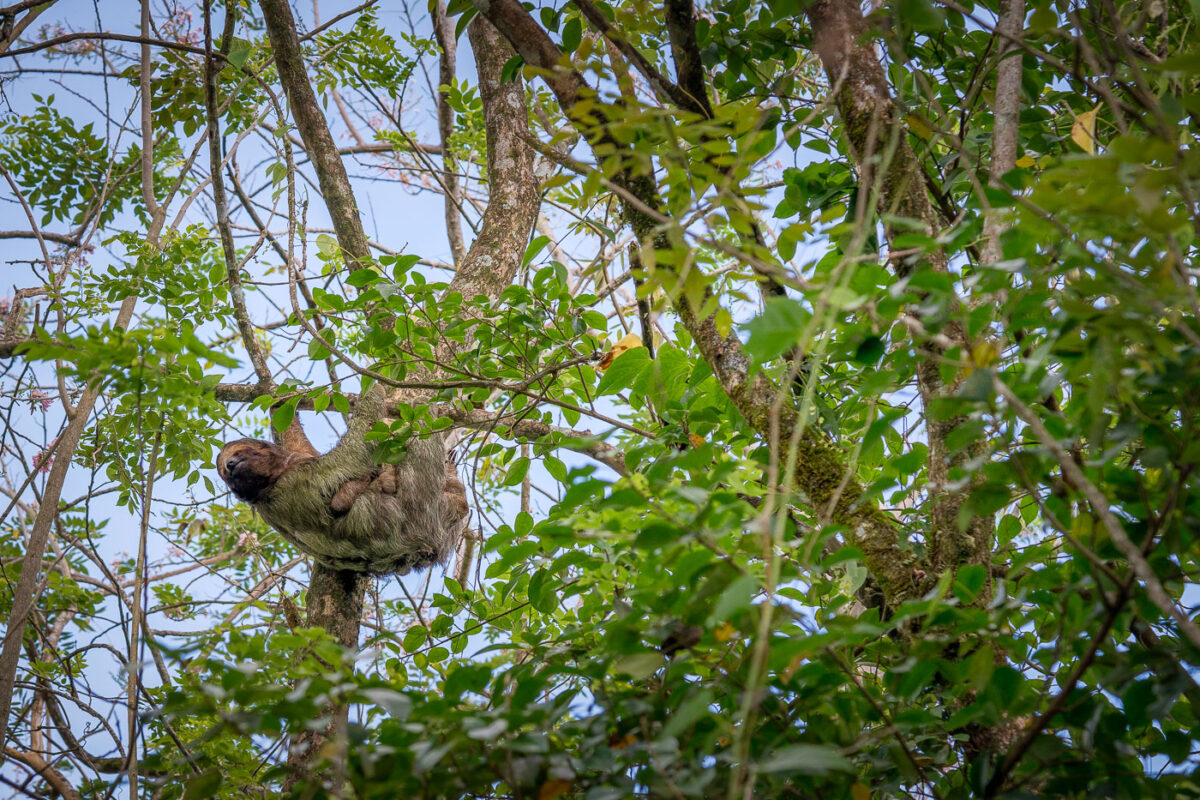
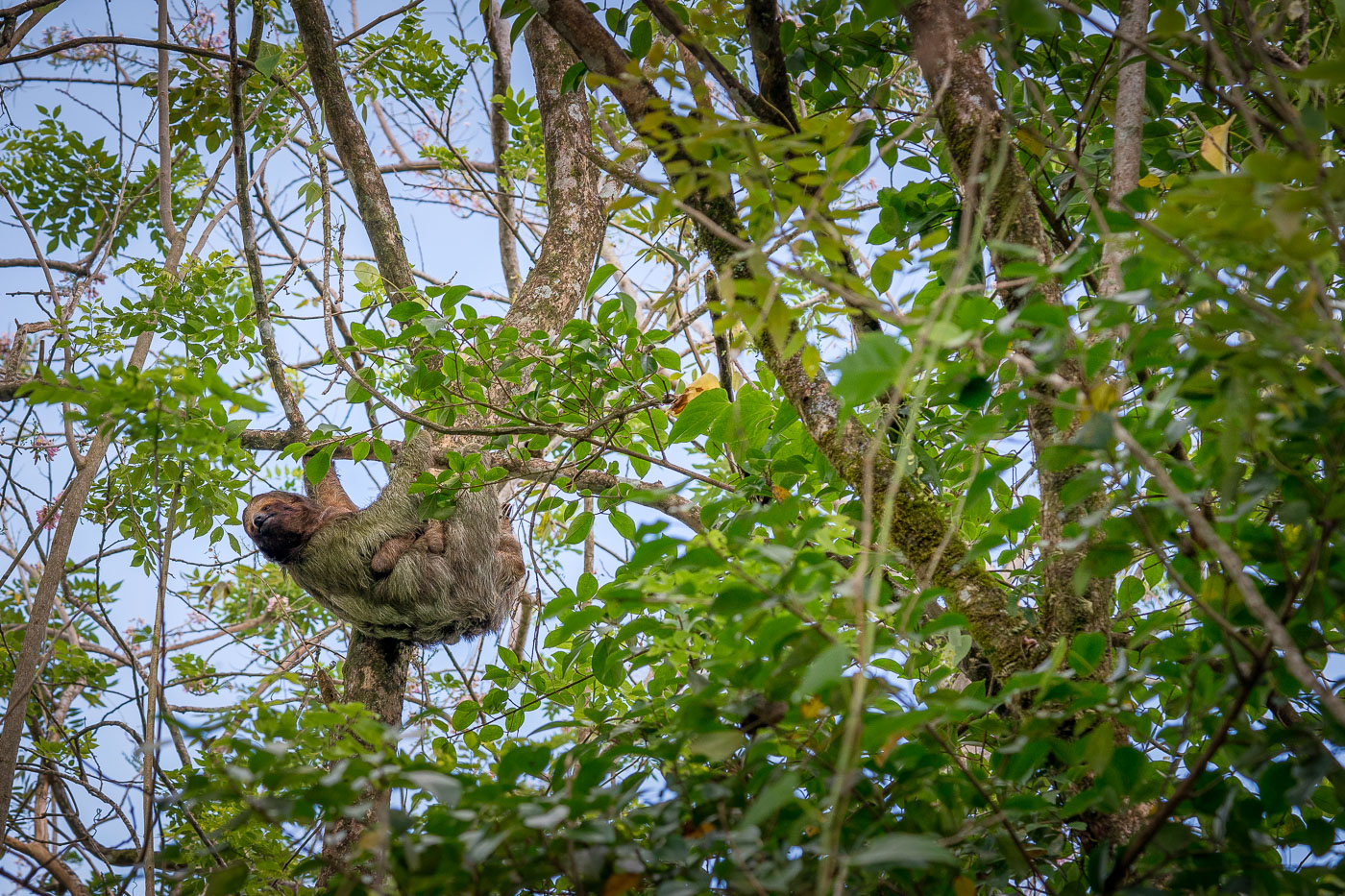
A three-toed sloth with its infant hangs from tree branches in Costa Rica's rainforest canopy.
Costa Rica is home to two sloth species: the brown-throated three-toed sloth (Bradypus variegatus) and Hoffmann's two-toed sloth (Choloepus hoffmanni). Females carry their young on their belly for several months after birth, as the infant lacks the strength to move independently through the canopy. Sloths spend nearly all their lives in trees, descending to the ground only about once a week to defecate. Algae growing in their fur gives many a greenish tint that helps camouflage them from predators like harpy eagles and jaguars.

Mother Sloth with Baby Clinging to a Costa Rican Treetop
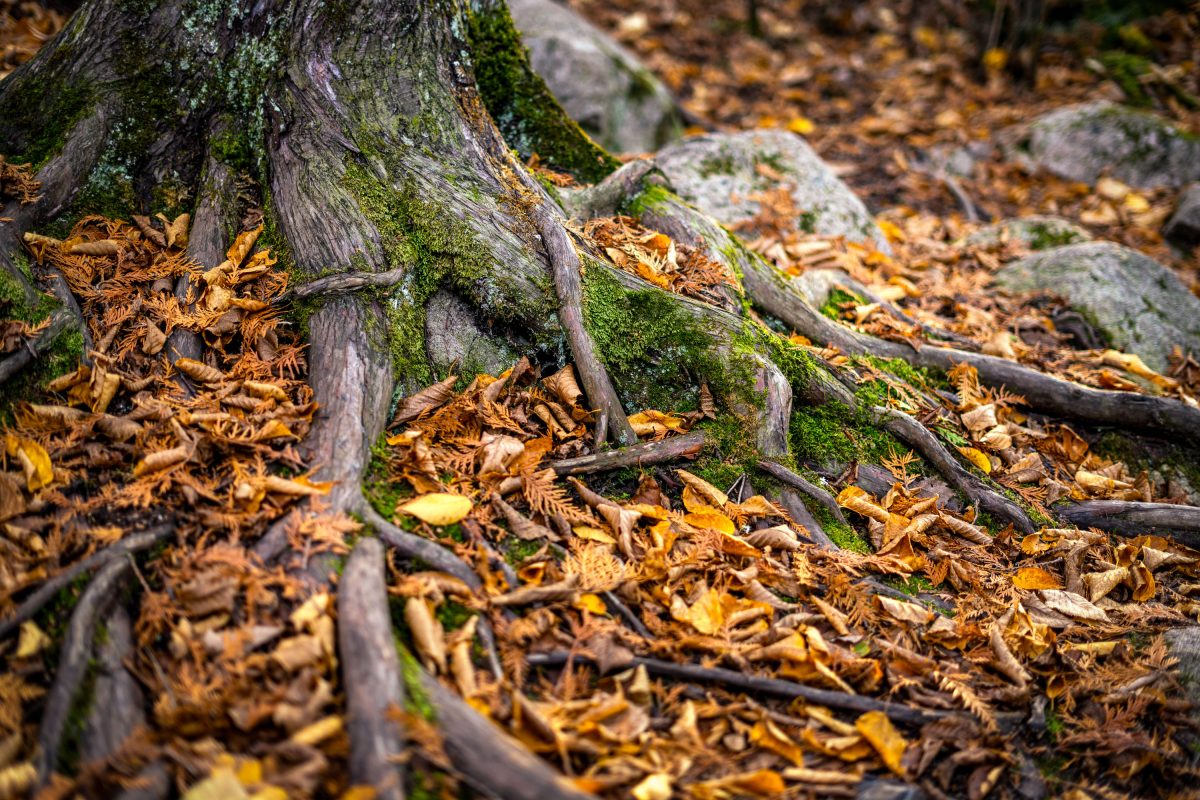
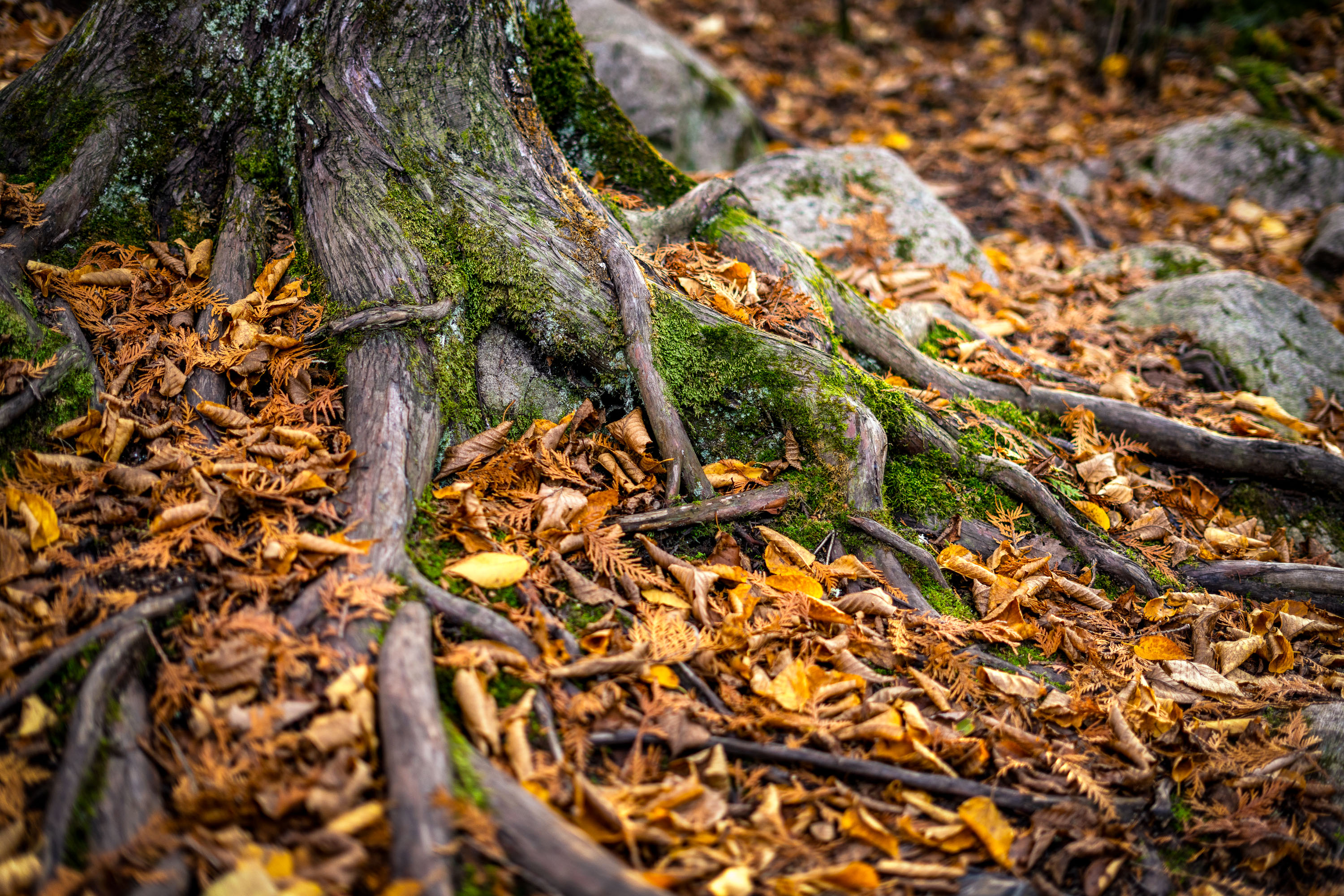
Moss-covered tree roots and rocks amid autumn leaves on a forest floor near Ely, Minnesota.
Ely sits at the edge of the Superior National Forest, a landscape shaped by thin glacial soils and granite bedrock close to the surface. Trees here often grow shallow, wide-spreading root systems rather than deep taproots, since roots can't penetrate far into the rocky ground. That shallow growth leaves roots exposed along many forest trails, especially where erosion or foot traffic has worn away the topsoil. The region's mixed hardwood and conifer forest sheds heavily each October, blanketing the ground in fallen leaves and needles.

Exposed Tree Roots and Autumn Leaves near Ely, Minnesota
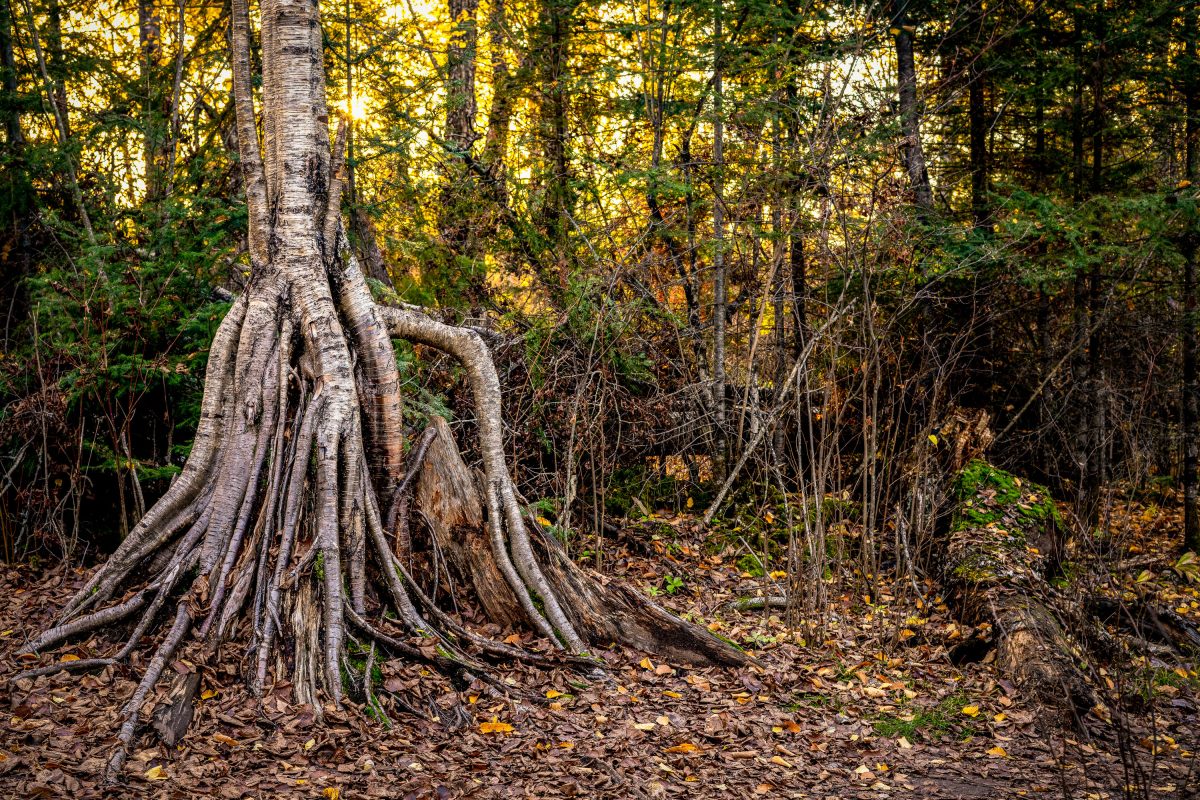
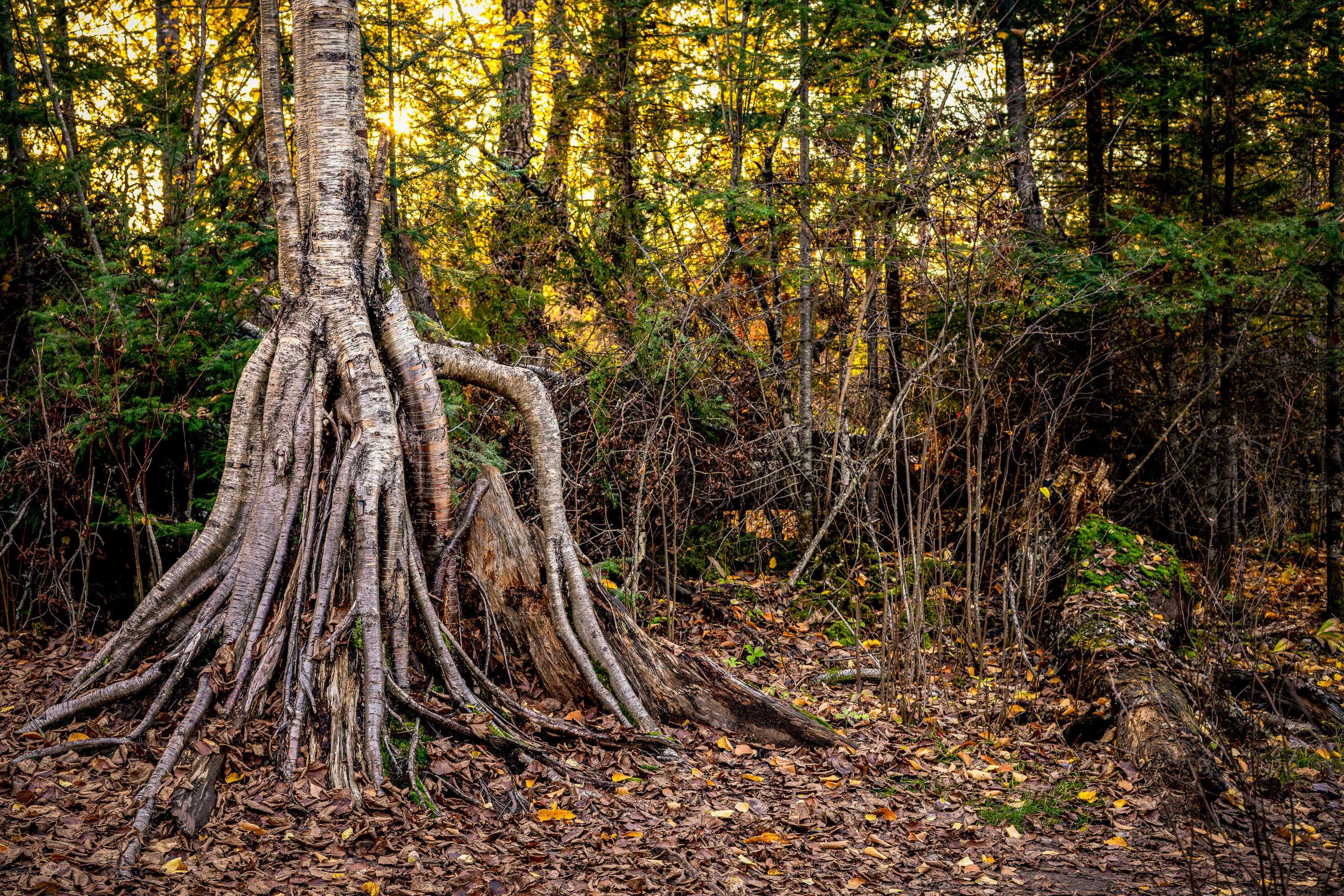
Tree with exposed root system spreads across forest floor in woods near Ely, Minnesota.
Ely sits at the edge of the Superior National Forest and serves as a gateway to the Boundary Waters Canoe Area Wilderness, more than a million acres of lakes, rivers, and forest along the Minnesota-Ontario border. The thin, rocky soil common to this part of the state often forces paper birch trees to send roots wide across the surface rather than deep underground, leaving root systems like this one exposed as surrounding earth erodes away over time.

Exposed Birch Roots in the Superior National Forest, Ely, Minnesota

Built in Minneapolis

Minneapolis Photographer

Browse by location, move through long-running series, or start with recent work.