Chicago
Downtown Chicago infrastructure, transit, architecture, and redevelopment, 2014–2019
March 28, 2014 - October 20, 2019
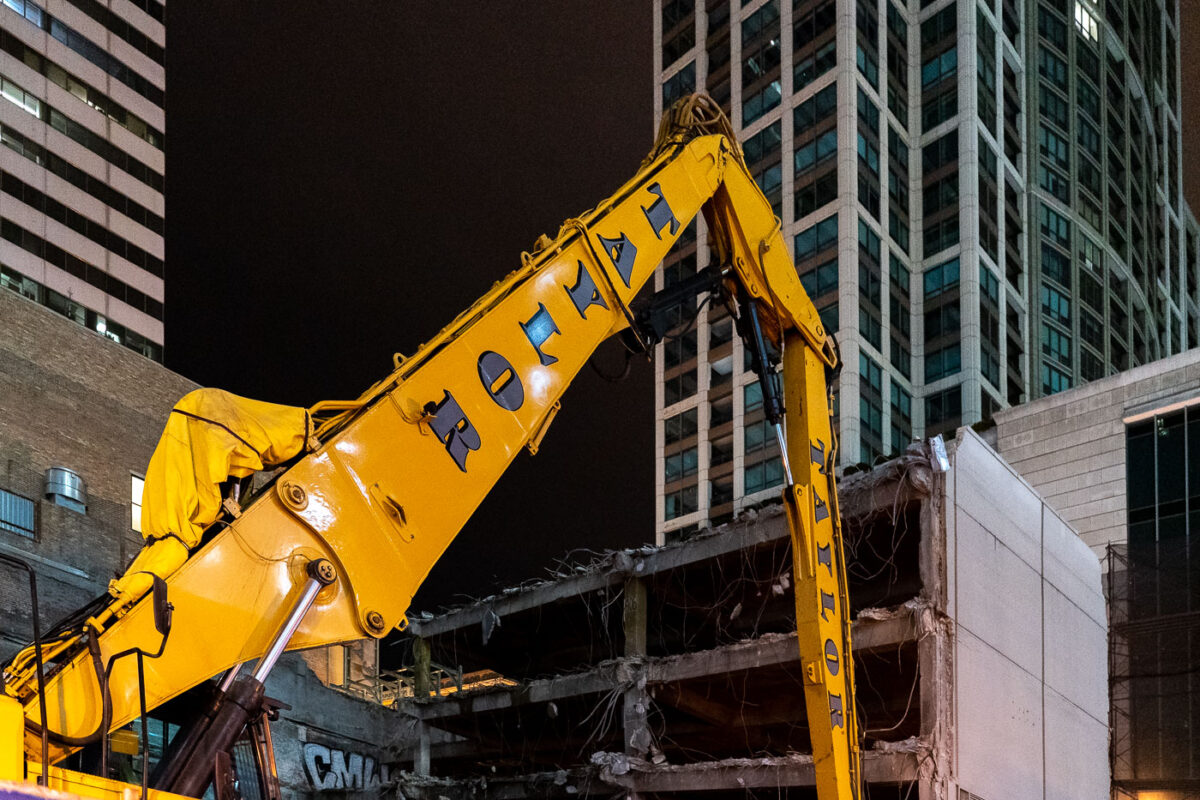
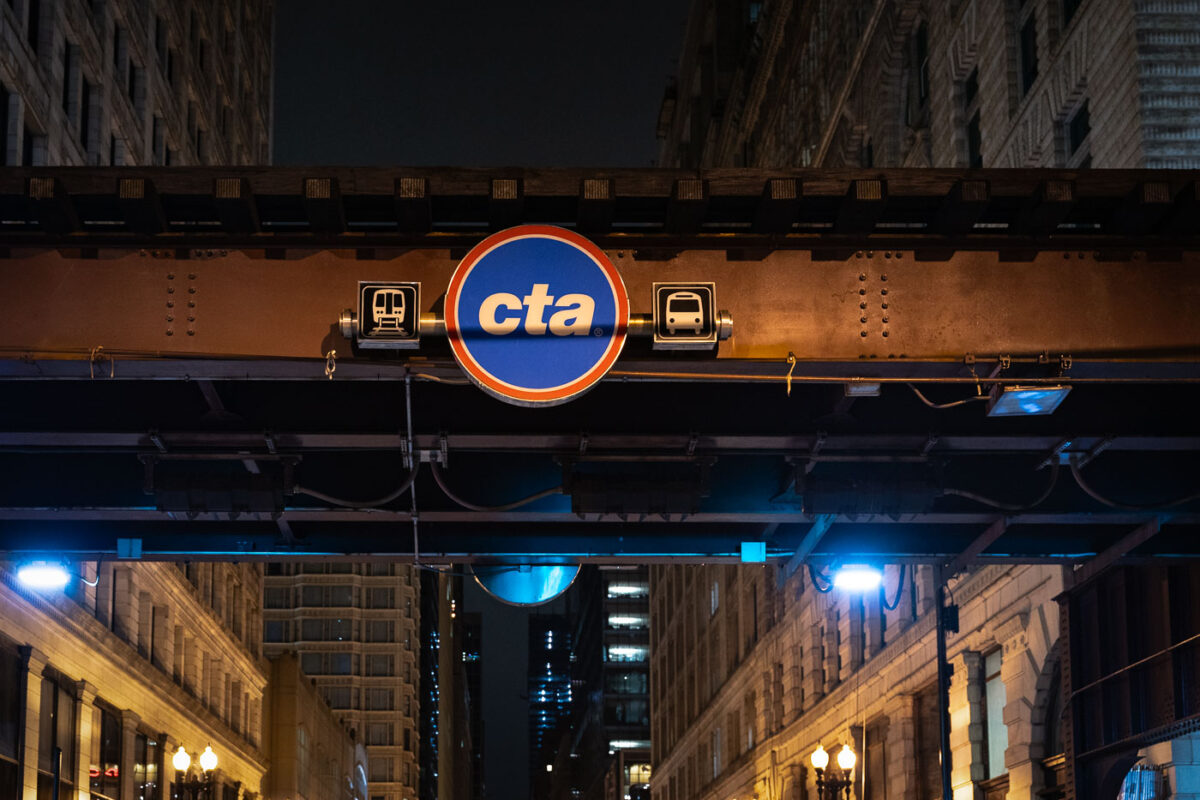
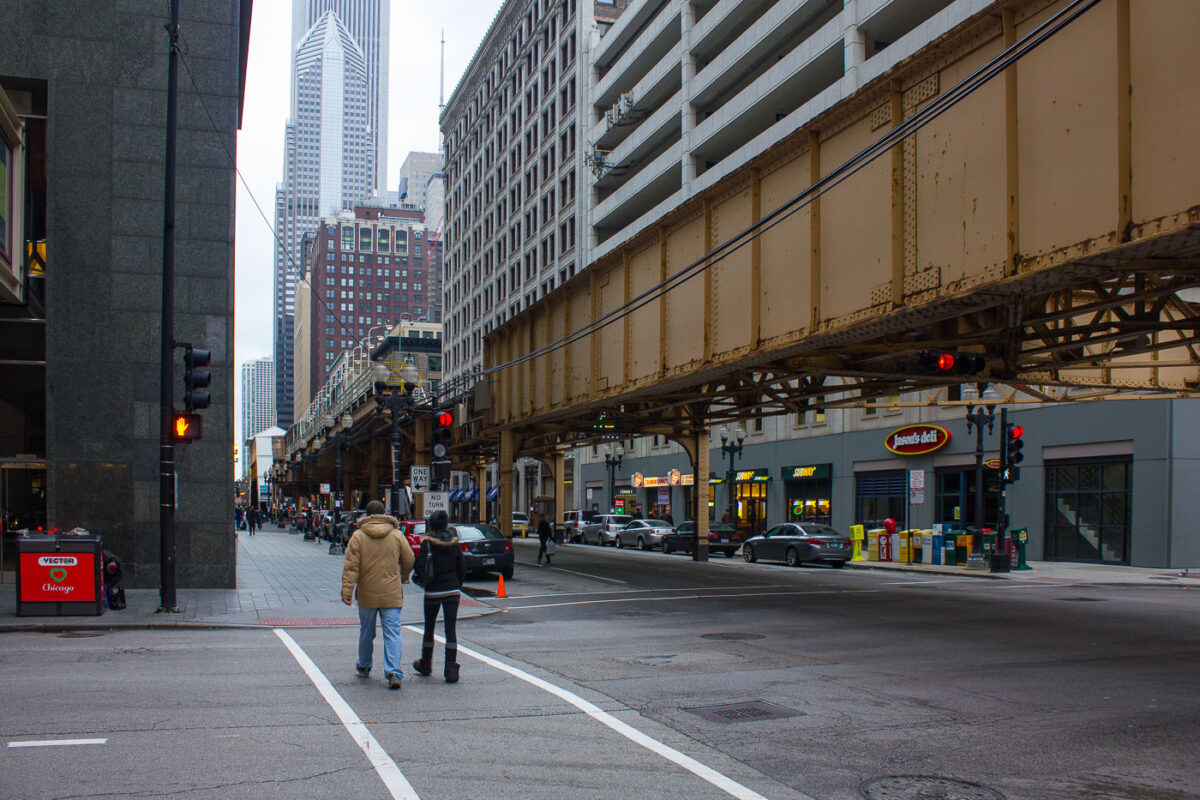
Chicago’s downtown area, anchored by the Chicago River and marked by early skyscrapers and industrial heritage, provides a historical backdrop for the city’s dense network of streets, bridges, and public transit. The Loop, defined by the Chicago Transit Authority’s iconic elevated tracks, has served as the central business and transportation hub since the late 19th century. Major projects like the construction of the Loews Hotel and demolition of mid-century structures illustrate ongoing cycles of development and transformation in this urban core.
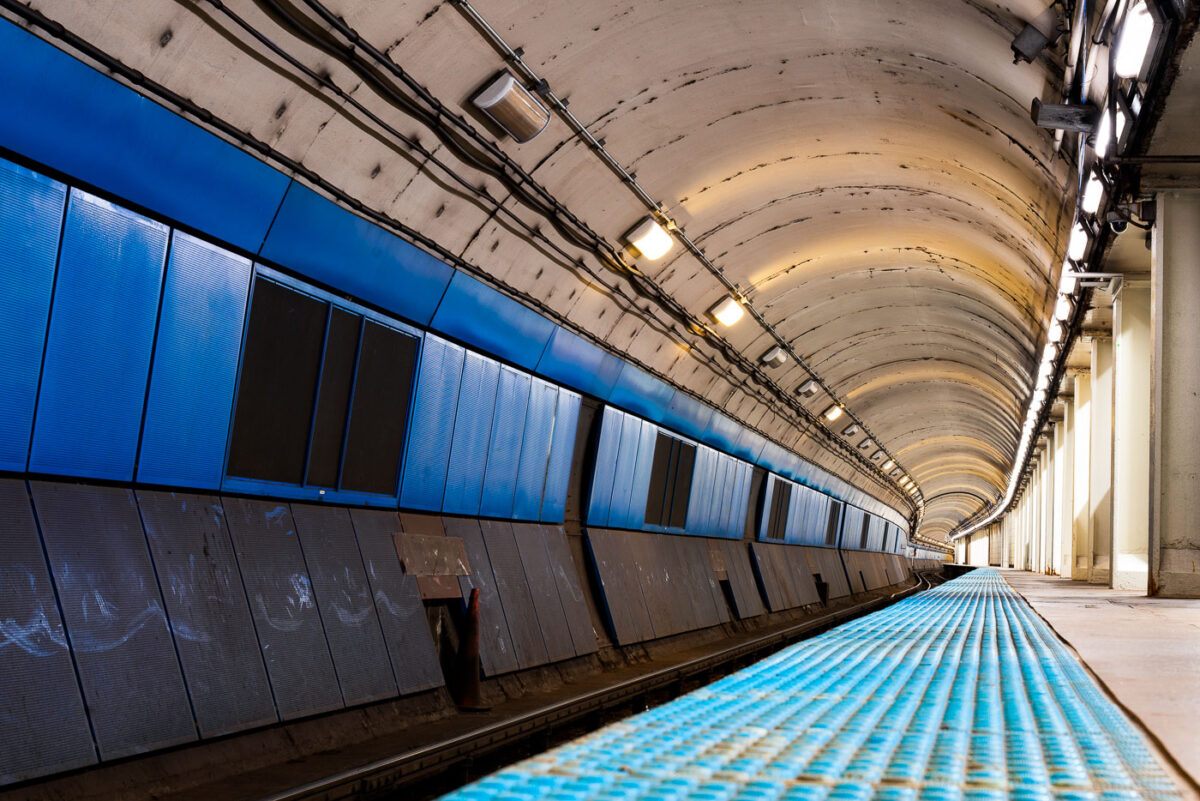
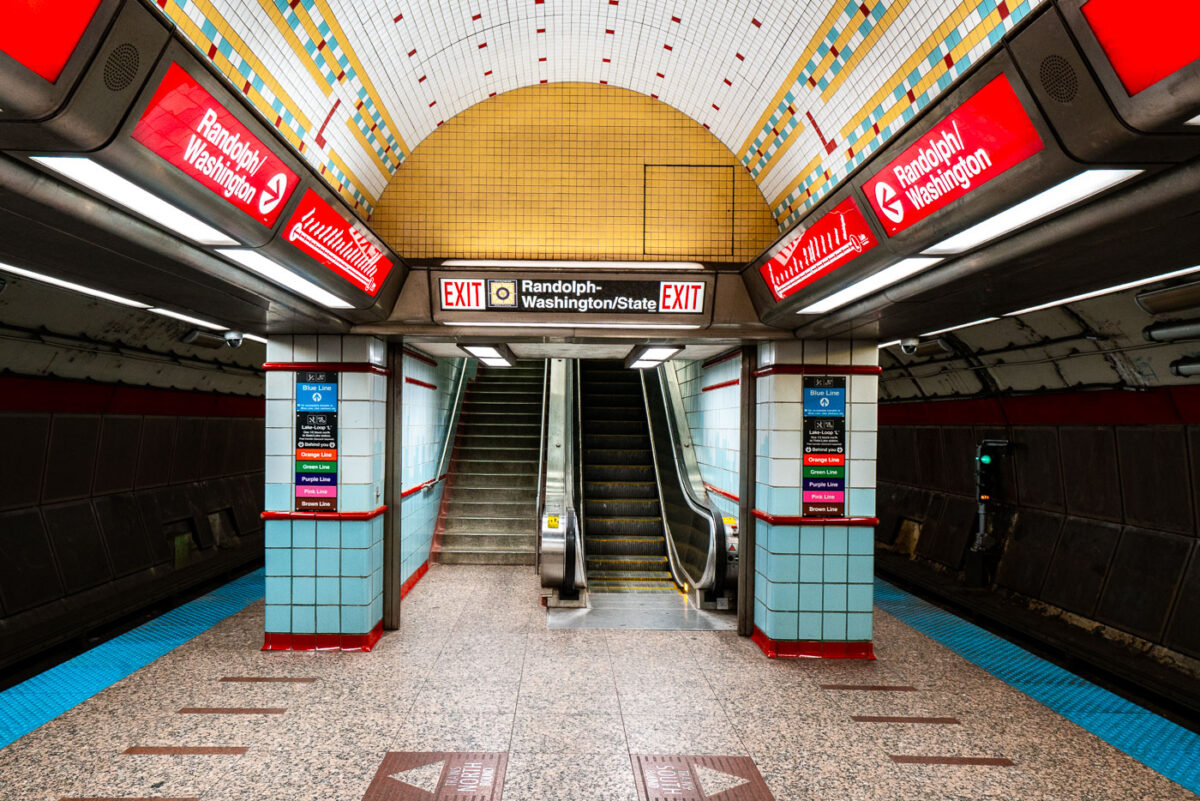
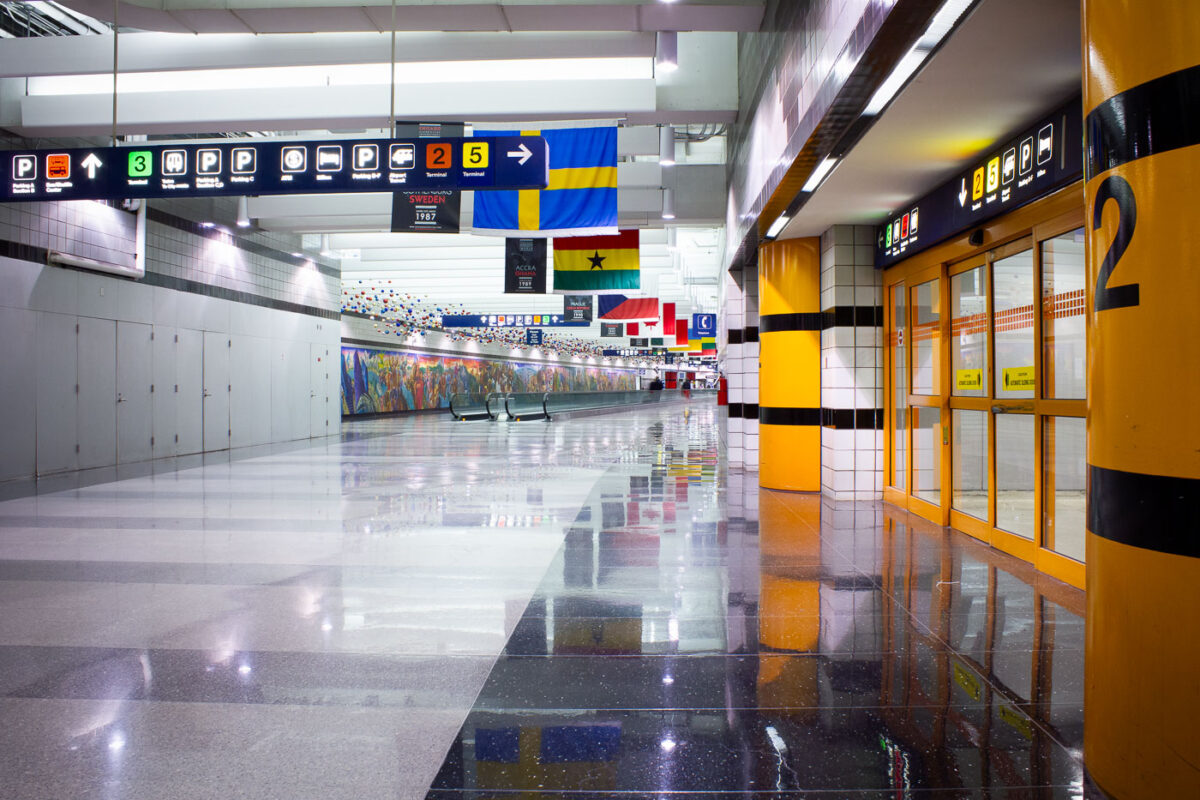
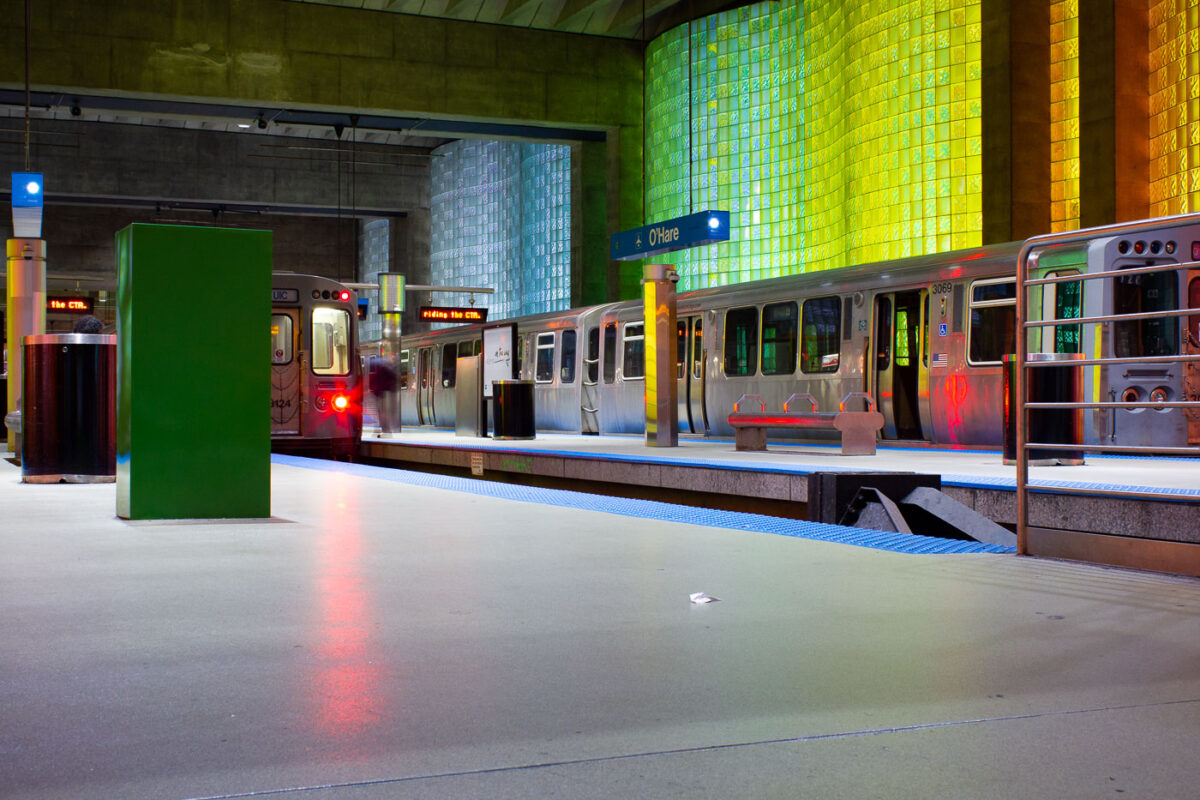
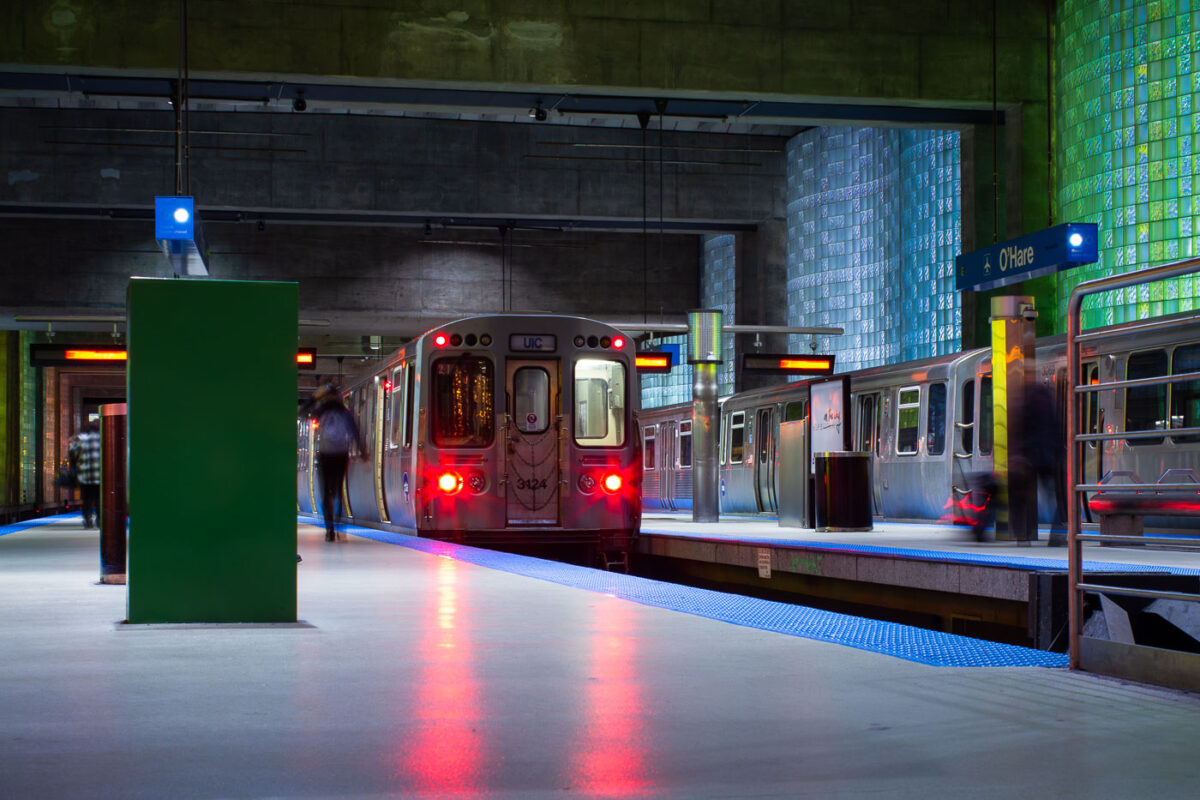
Key elements such as the State Street subway and Milwaukee–Dearborn subway highlight Chicago’s investment in rapid transit during the mid-20th century. Stations like Randolph/Washington, with its 1940s Art Moderne design, and the utilitarian platforms of the Blue Line, demonstrate the city’s response to growing transportation needs, linking neighborhoods and vital destinations beneath the surface. Today, these infrastructures remain essential to daily life, with the CTA network connecting over a million residents and visitors across the city’s expanding landscape.
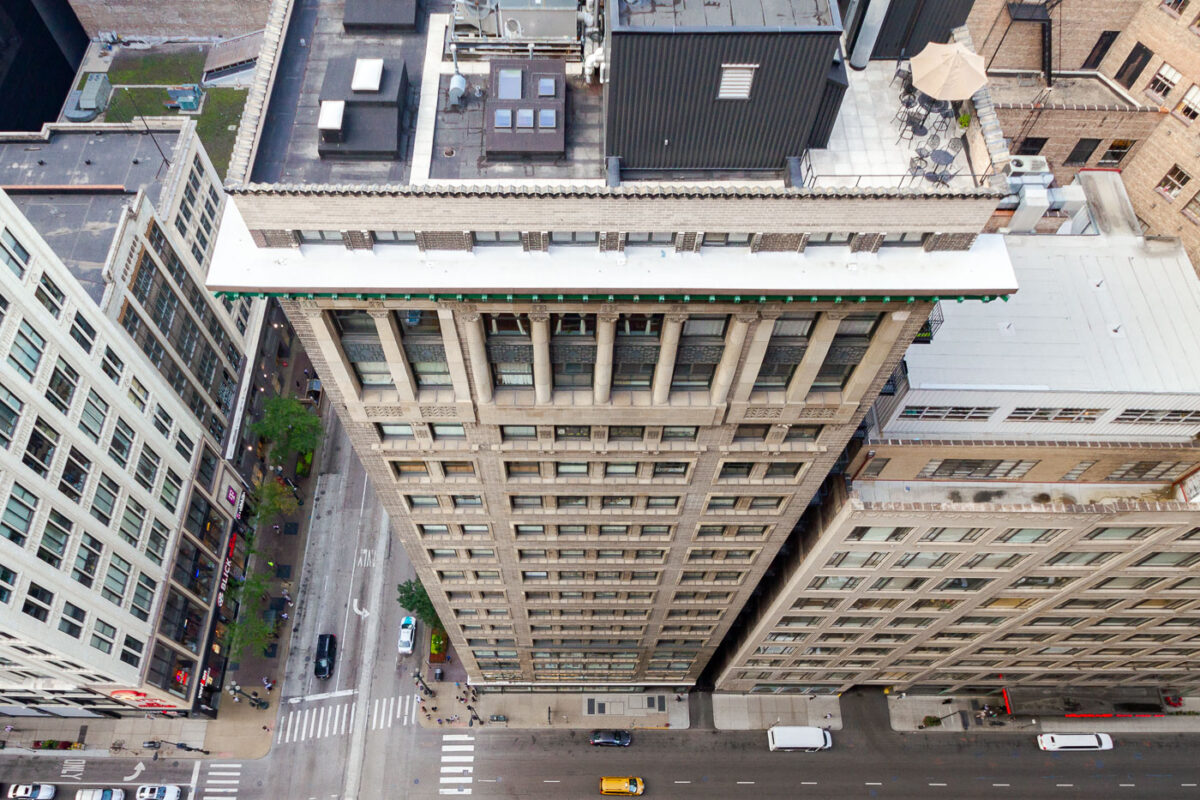
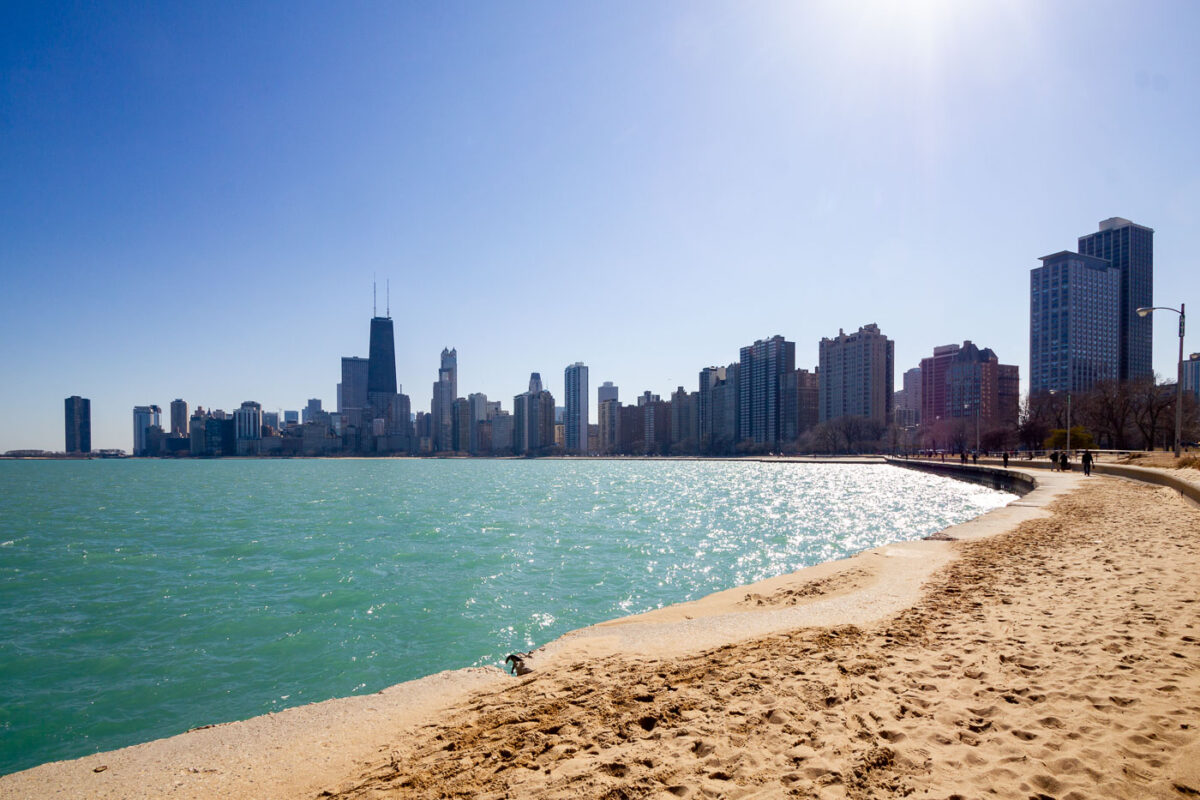
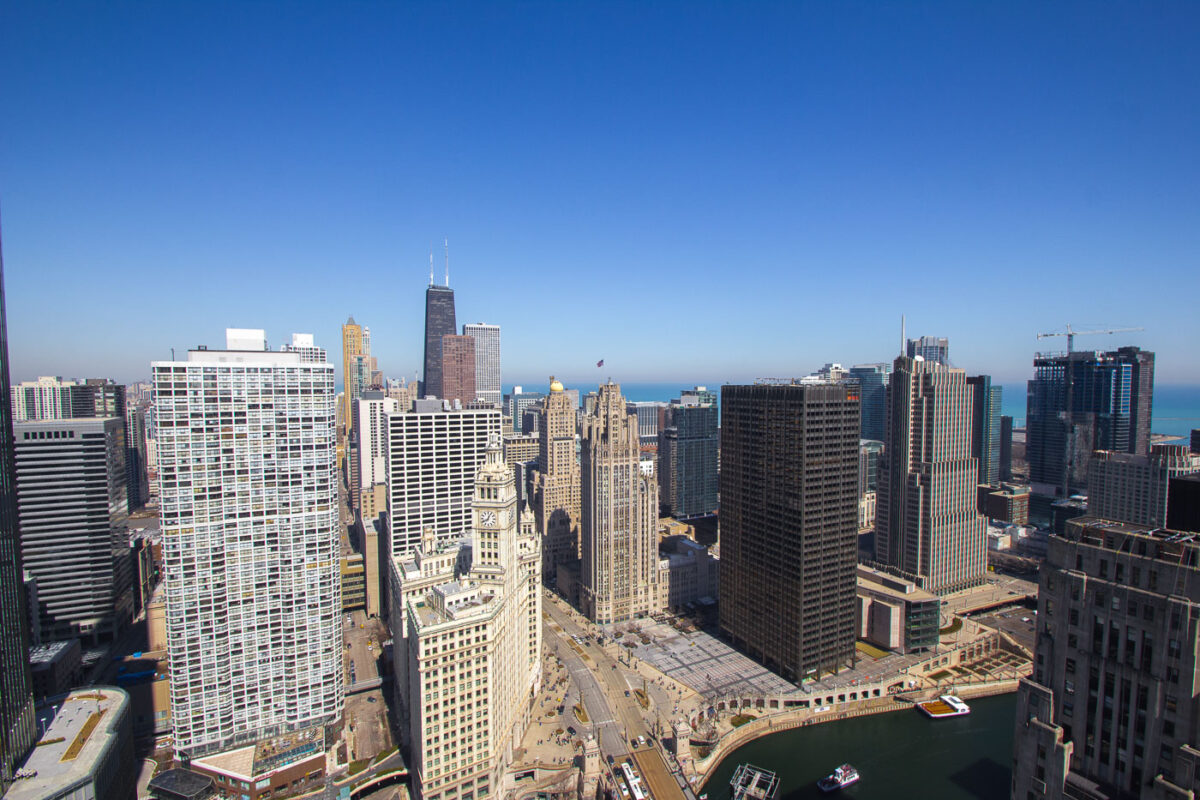
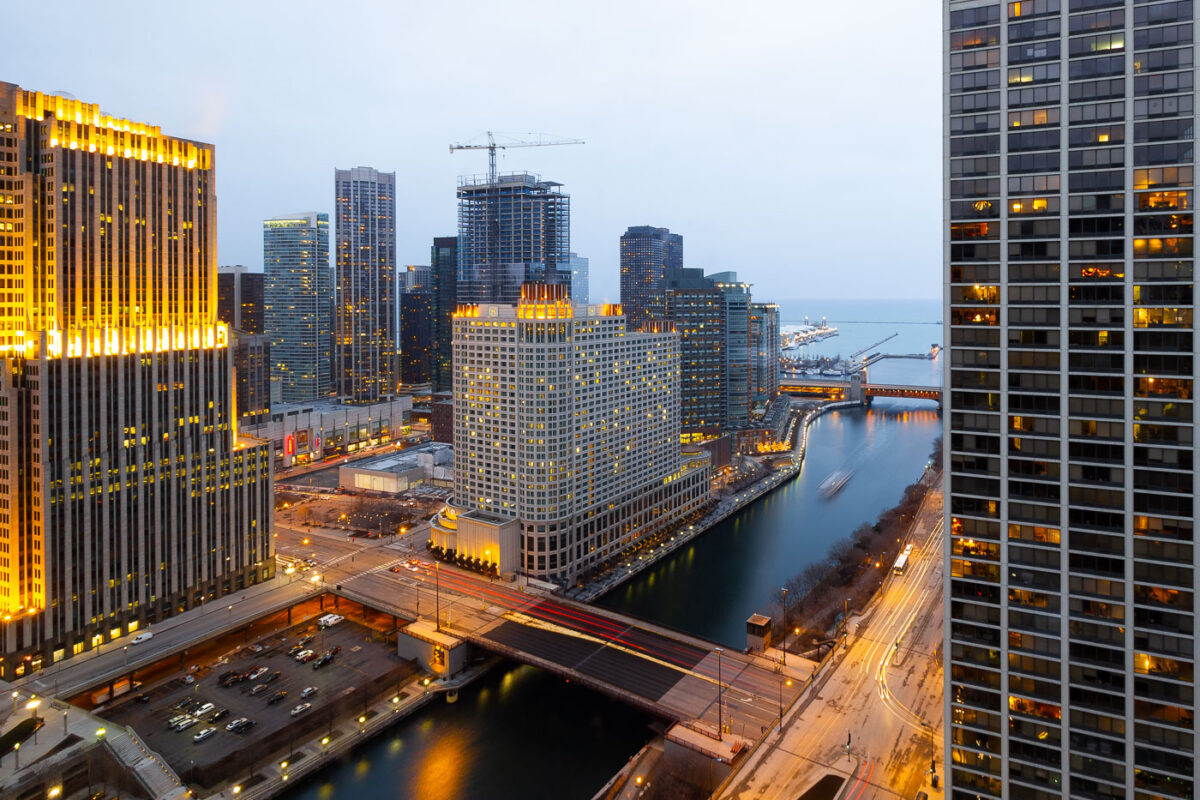
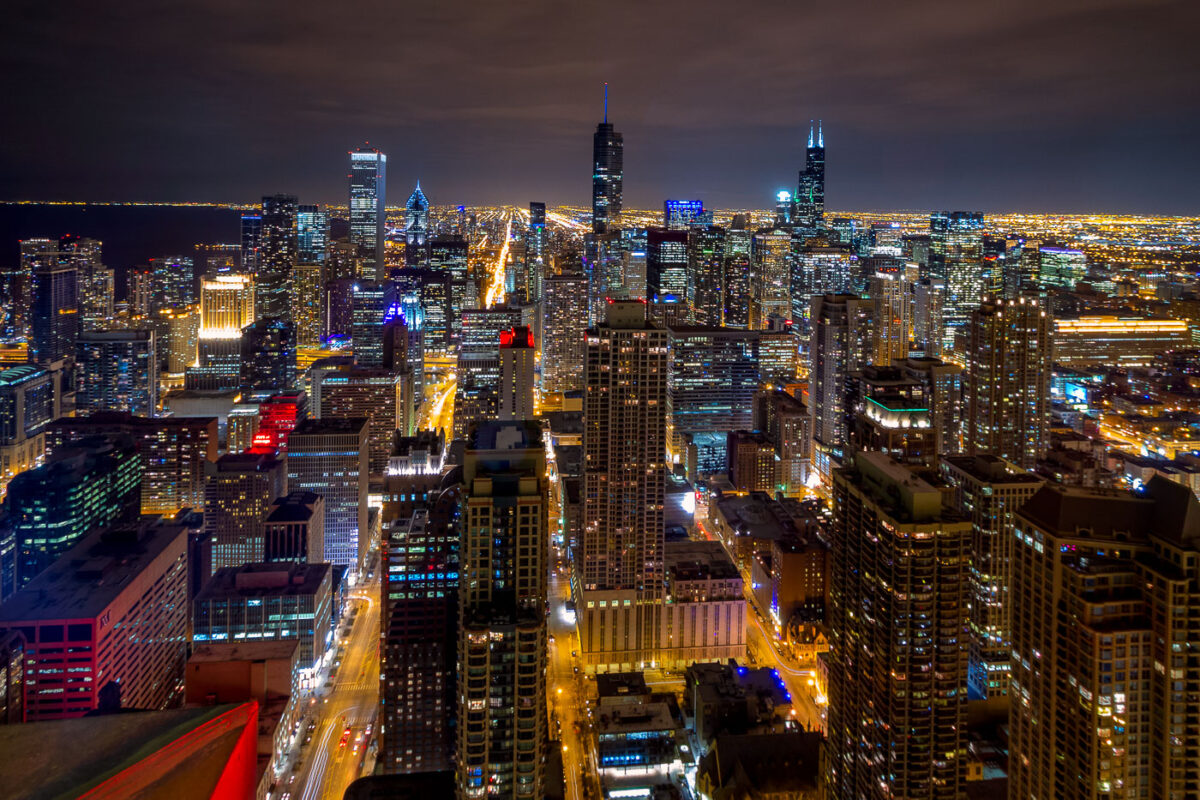
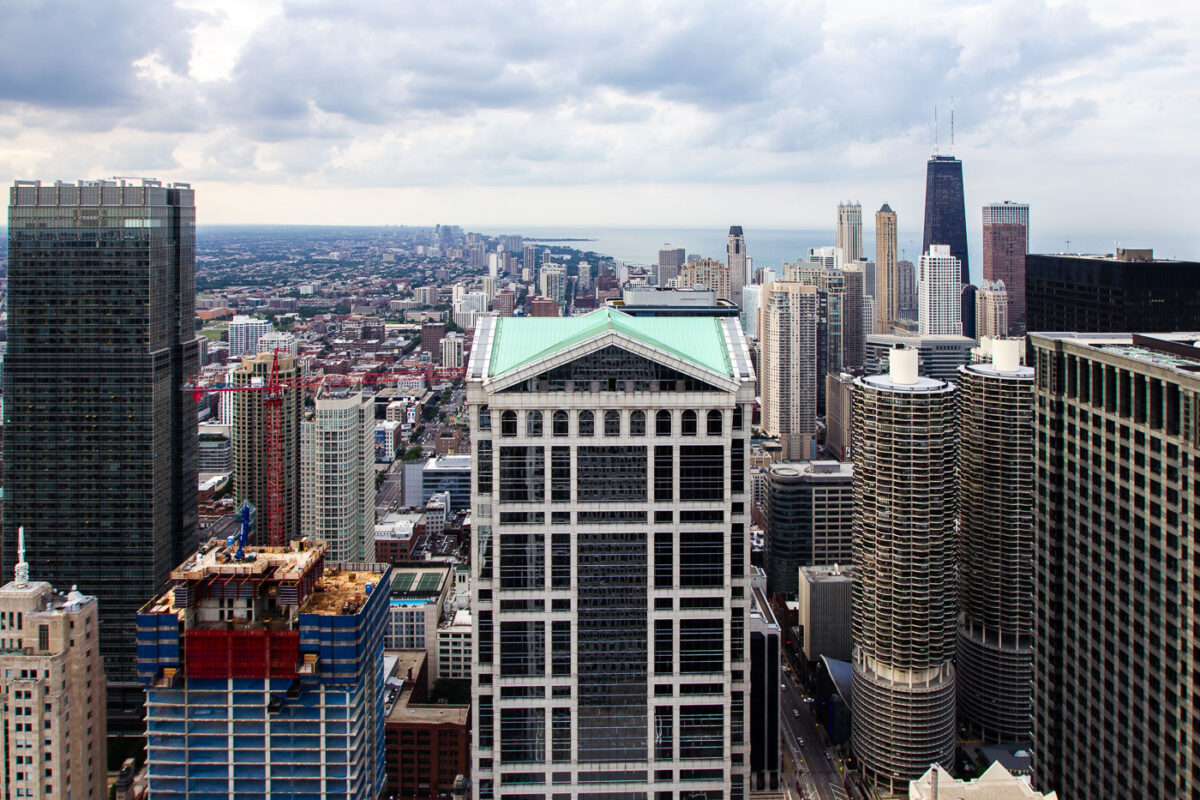
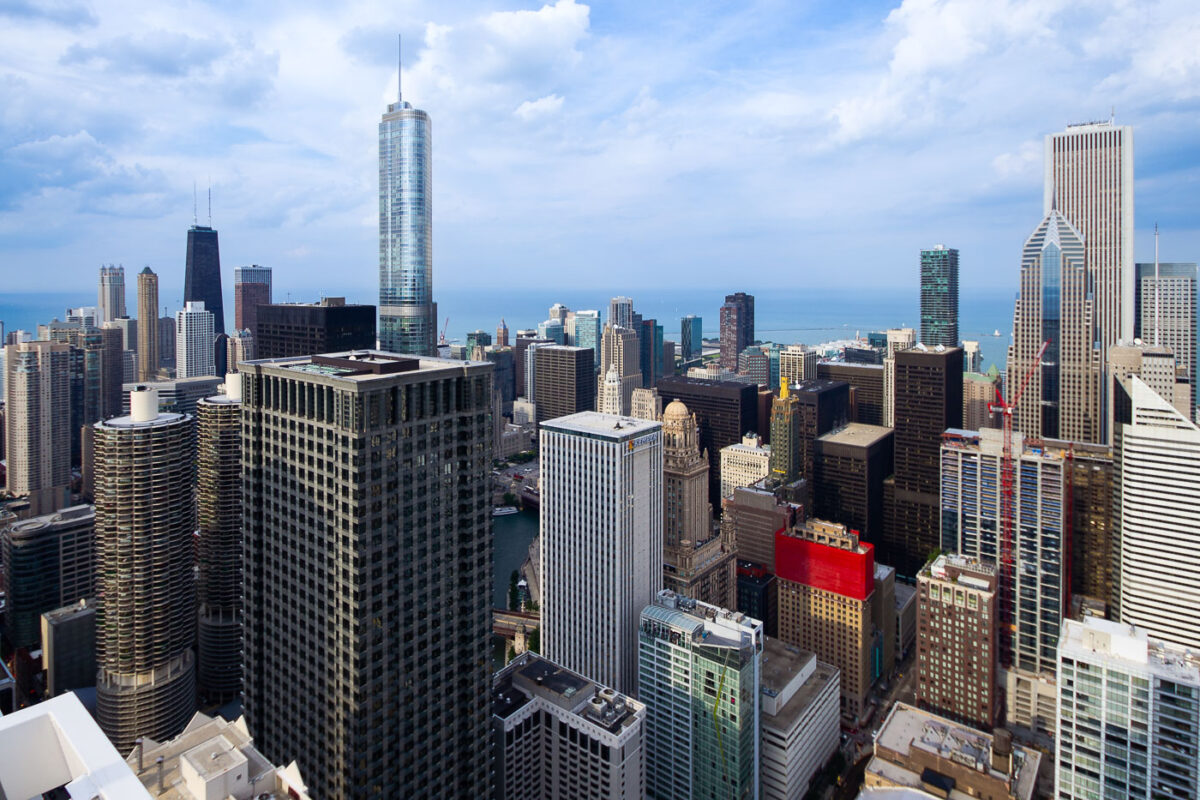
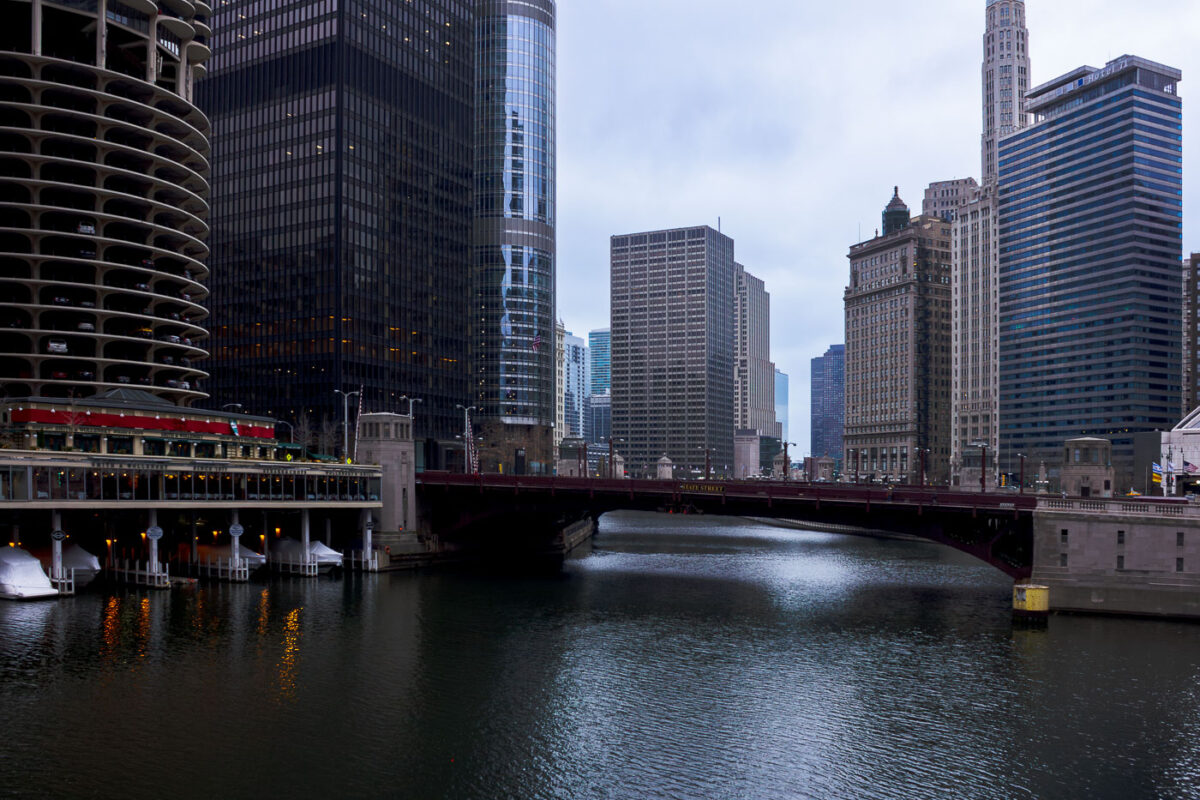
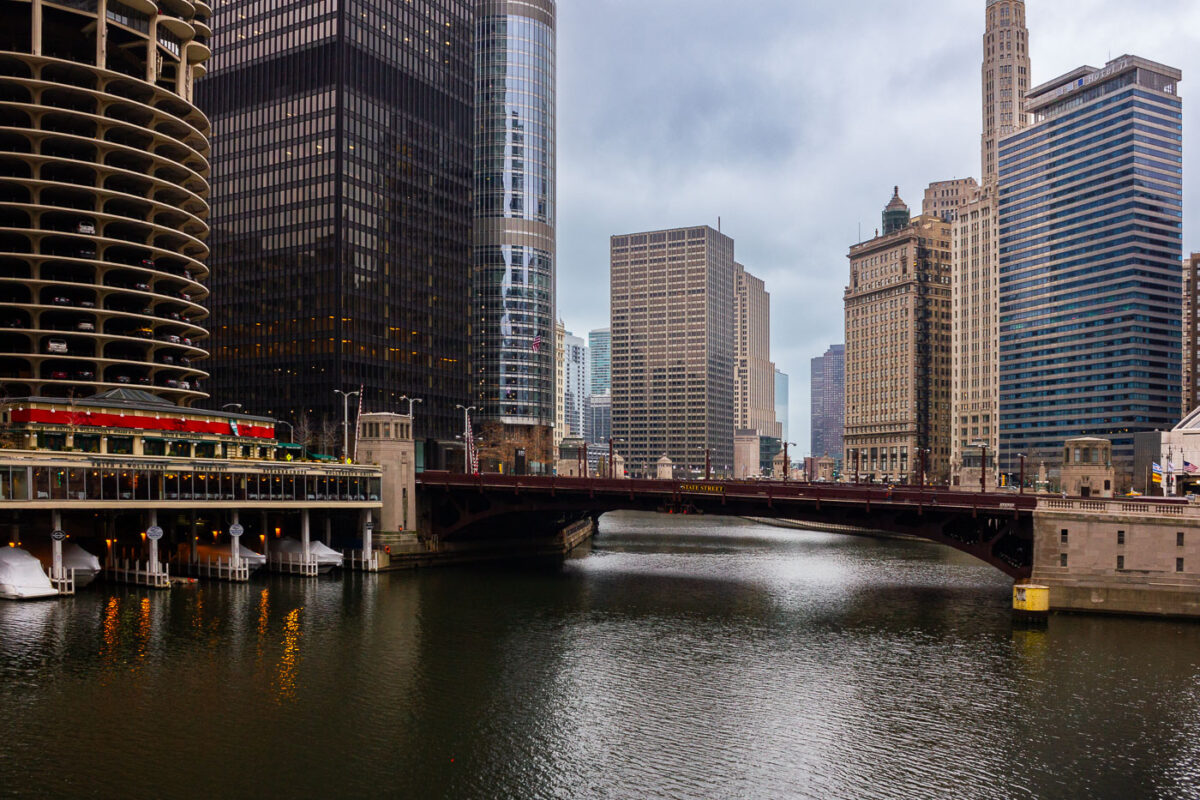
Downtown’s evolving architectural profile, visible along the riverfront and Lake Michigan shore, is shaped by continuous modernization and adaptive use. The preservation of historic facades alongside new high-rise buildings signals Chicago’s longstanding tradition of architectural ambition and urban reinvention.