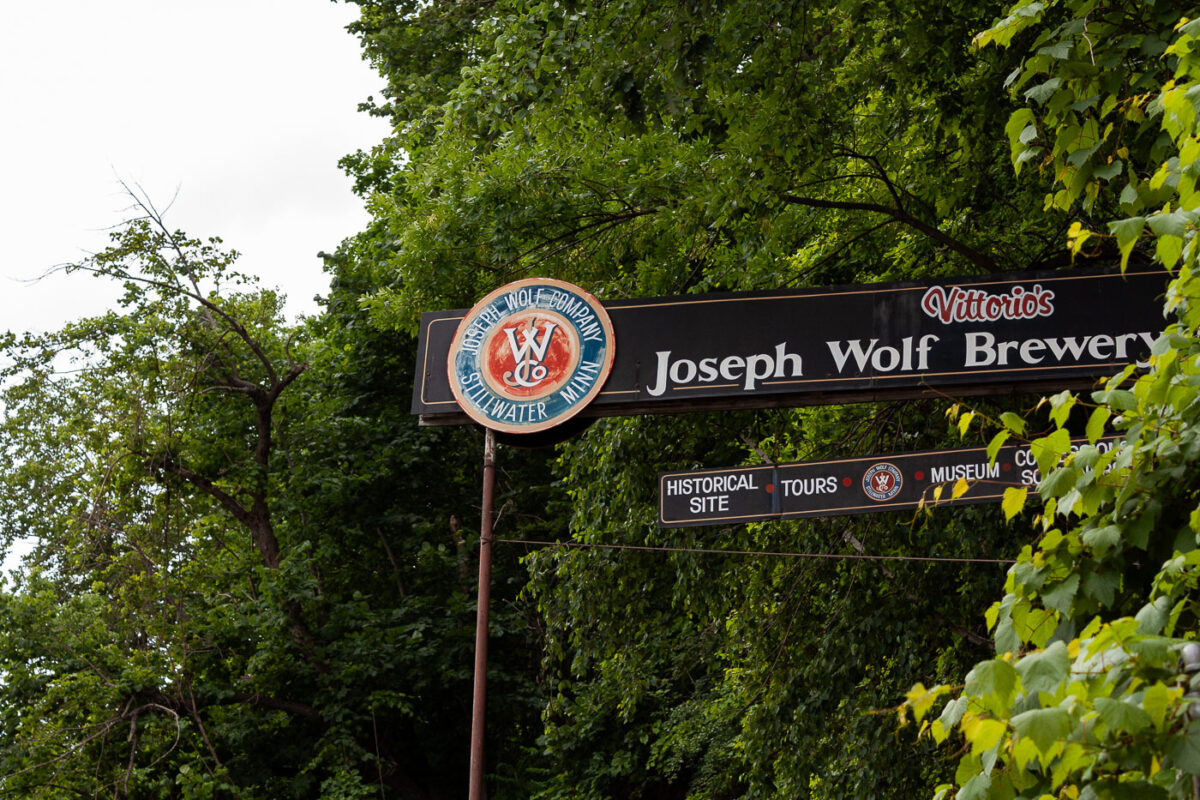
Joseph Wolf Brewery sign, Stillwater, Minnesota
June 2009 — Joseph Wolf Brewery, Stillwater, Minnesota
Explore photos tagged Museum.
June 2009 — Joseph Wolf Brewery, Stillwater, Minnesota
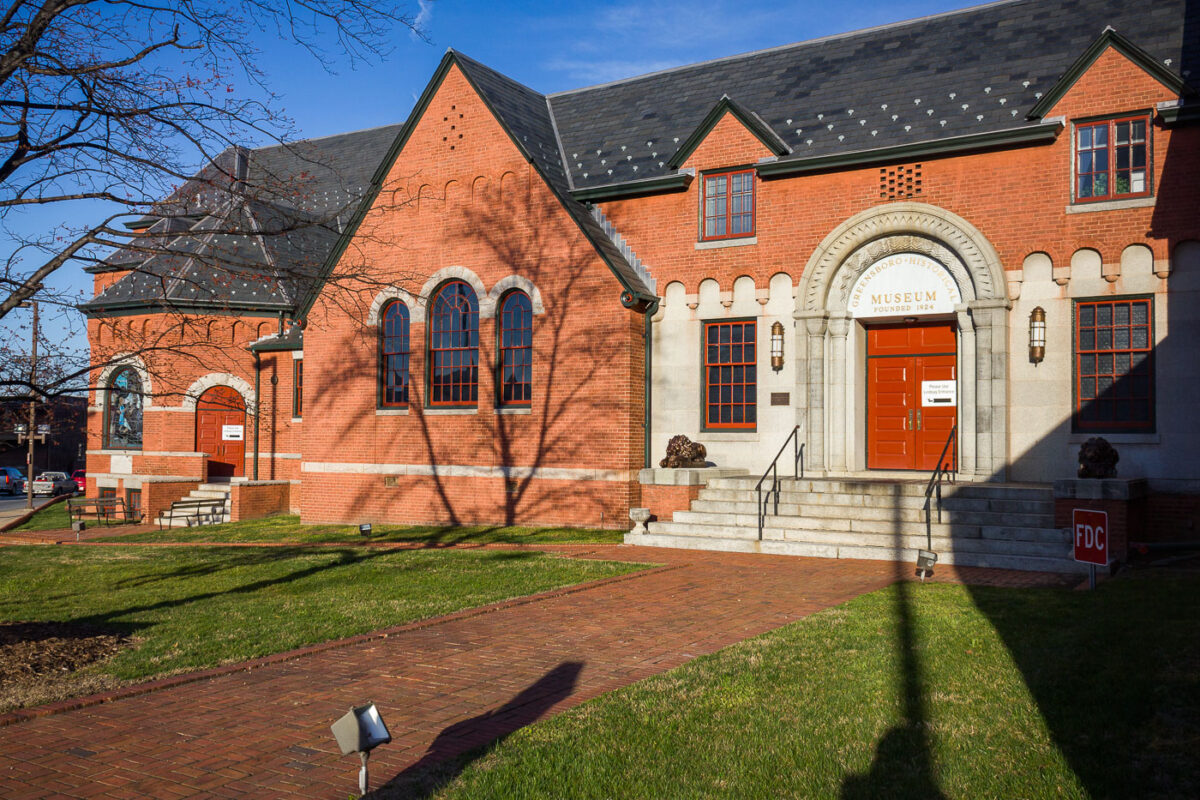
March 2012 — The Greensboro History Museum, consisting of the former First Presbyterian Church of Greensboro and Smith Memorial Building, is a historic museum building located at 130 Summit Ave.
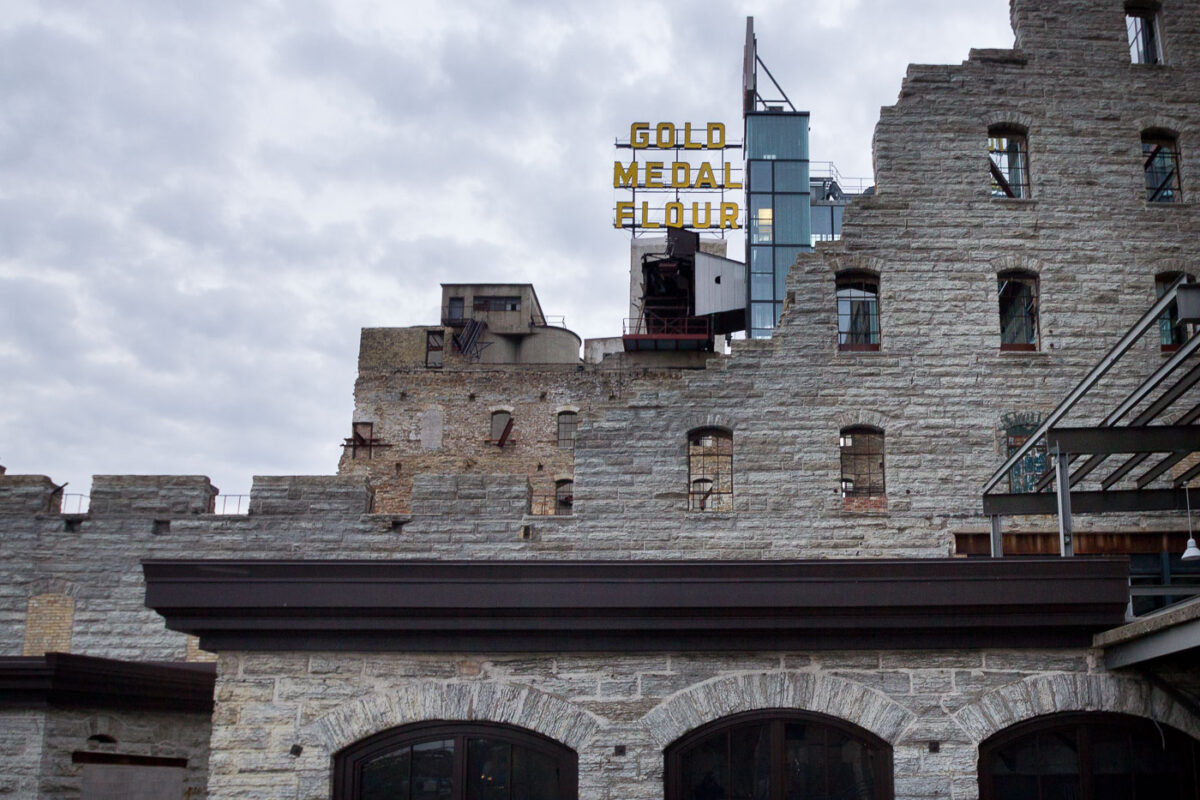
May 2014 — The old Washburn Mill in downtown Minneapolis, part of the Mill City Museum.
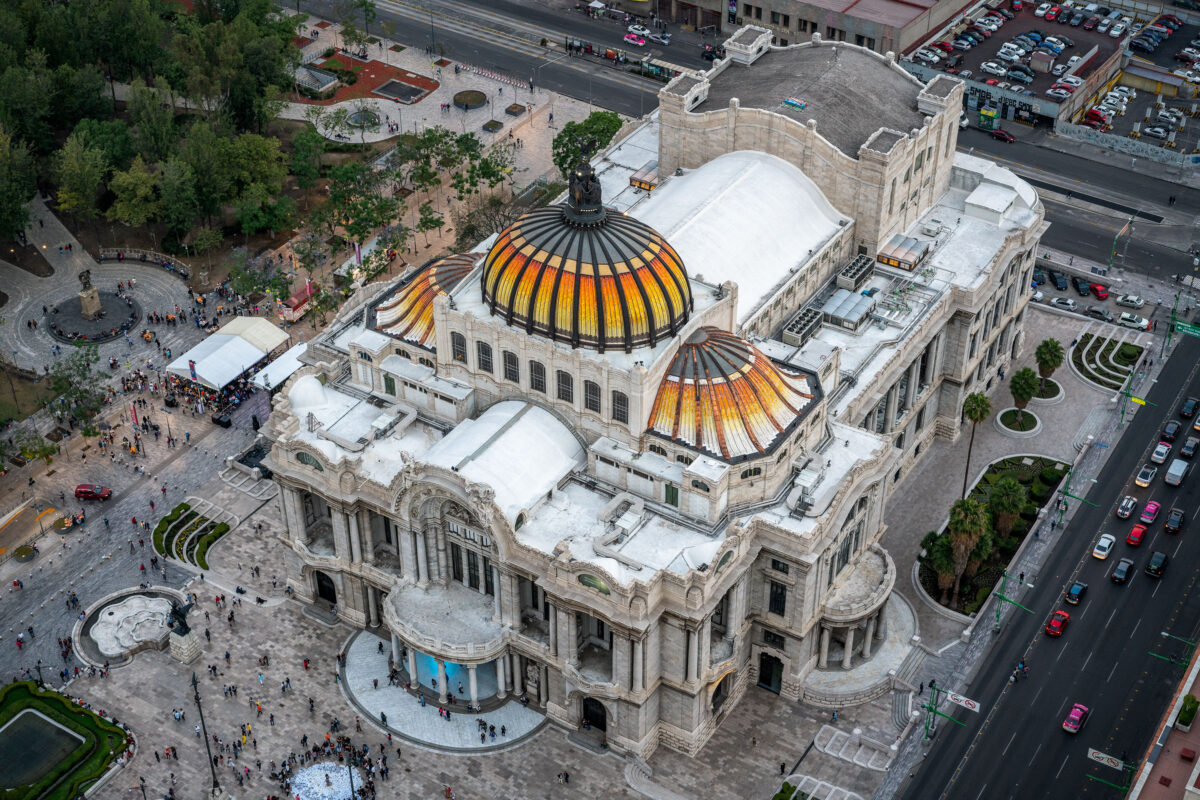
April 2018 —
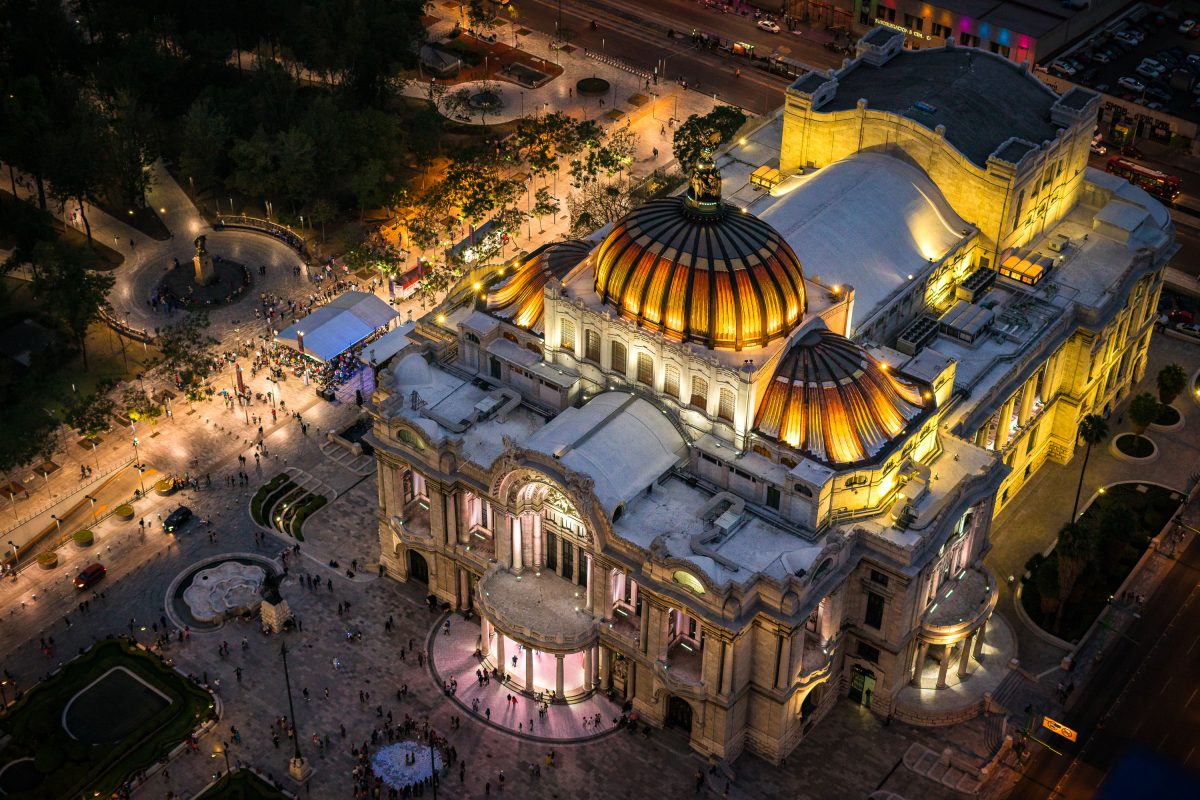
April 2018 —
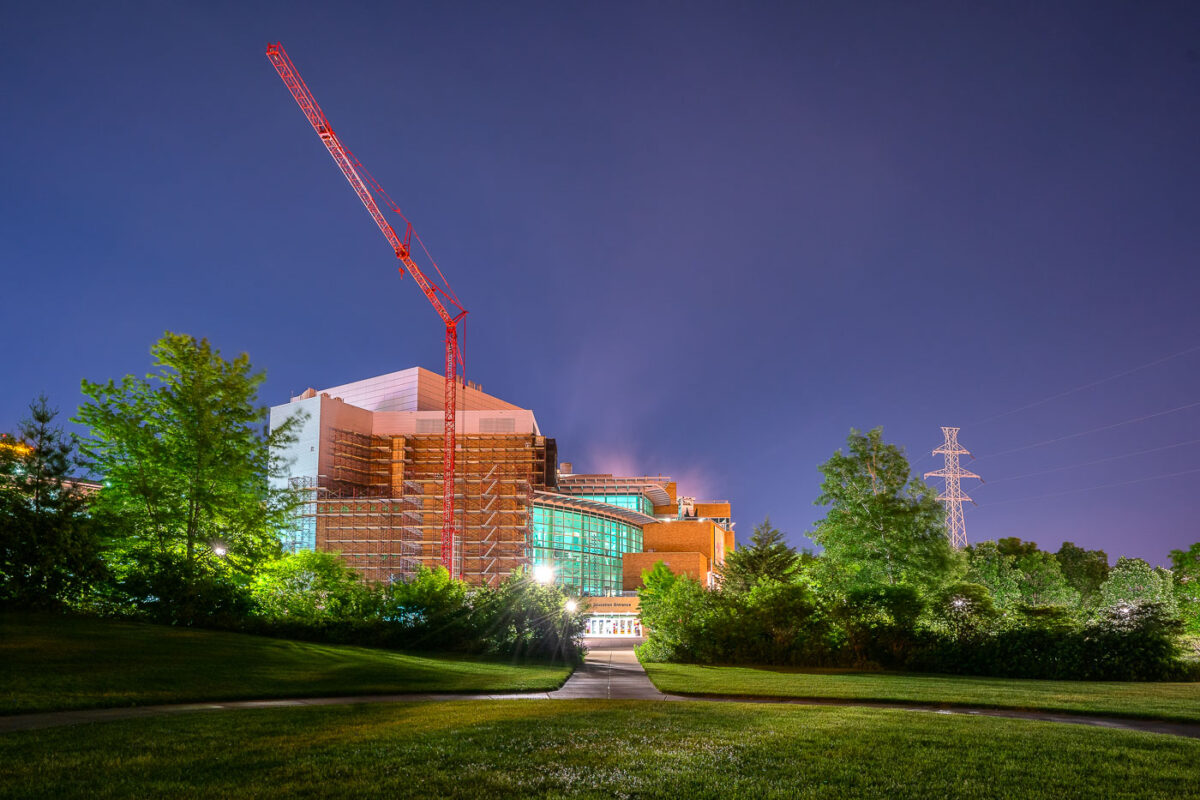
June 2018 — Scaffolding on the Science Museum of Minnesota in St. Paul.
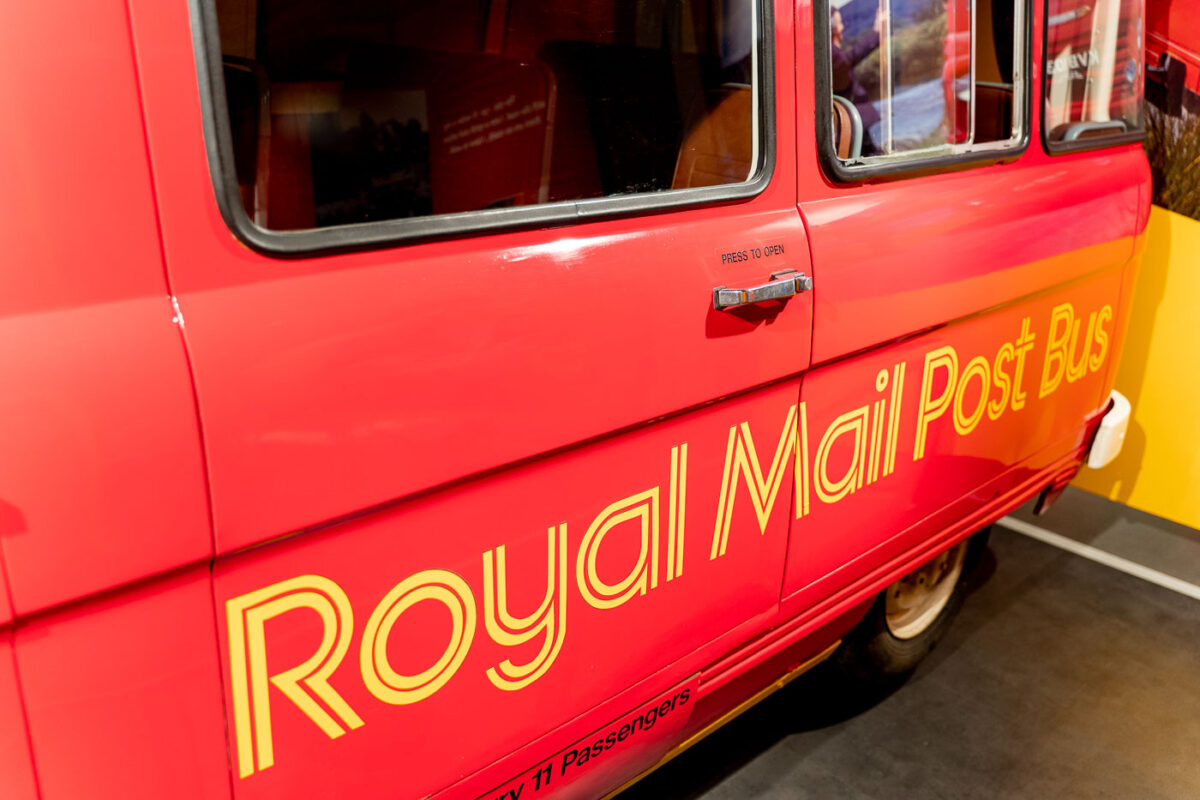
May 2019 — A preserved Royal Mail Post Bus, once a familiar sight across rural Britain, is seen here on display with its signature red and gold livery. Introduced in 1967, the Post Bus service was an innovative hybrid of public transport and postal logistics, providing passenger seats on vehicles that also delivered mail along remote routes where dedicated bus services were uneconomical. Operated by Royal Mail in partnership with local councils, these vehicles—often based on small vans or minibuses—served isolated villages across Scotland, Wales, and the English countryside. Each bus carried both letters and up to a dozen passengers, connecting rural communities to larger towns while ensuring that even the most remote addresses received daily mail service. The scheme ran for over four decades before its gradual discontinuation by 2017, marking the end of a uniquely British solution to the challenges of rural mobility and communication.
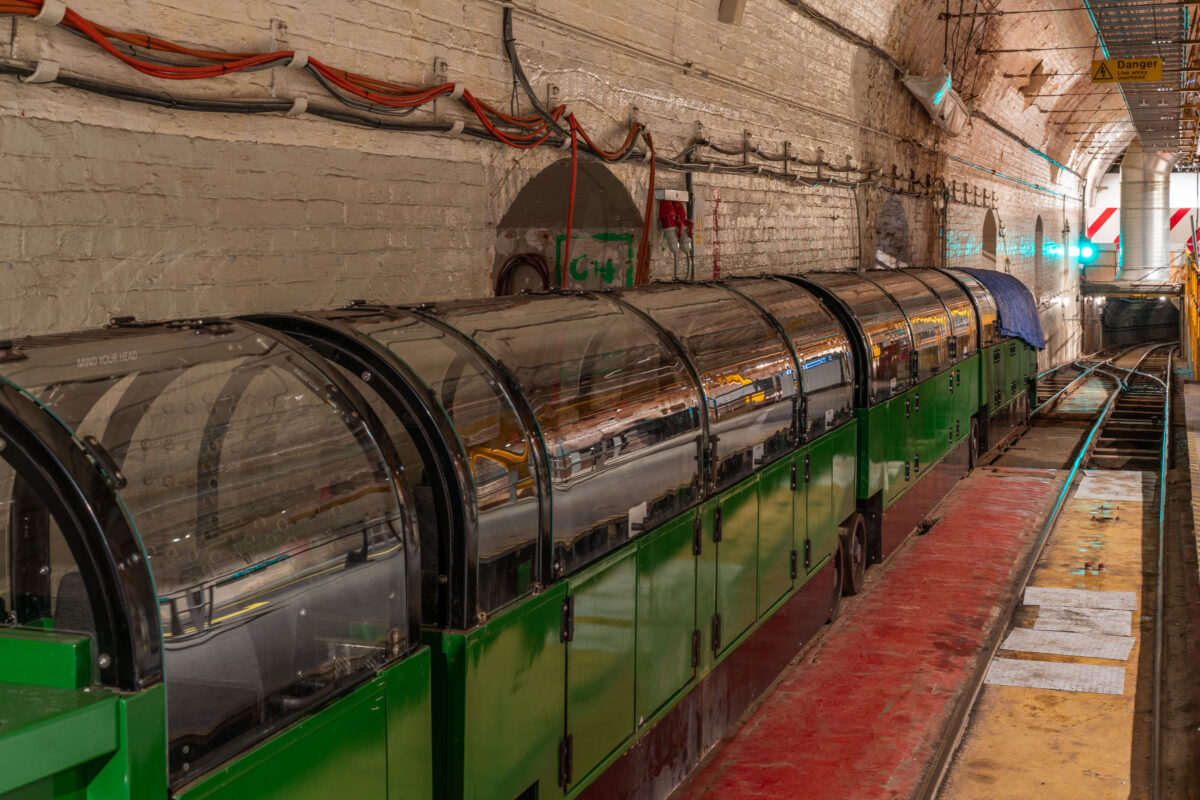
May 2019 — Beneath the streets of central London lies one of the city’s lesser-known engineering feats—the Post Office Railway, more commonly known as the Mail Rail. Built in the early 20th century and officially opened in 1927, the driverless electric railway carried letters and parcels between key sorting offices and railway stations, including Paddington, Mount Pleasant, and Liverpool Street. The tunnels, only 2 feet wide and running for over six miles, allowed mail to move across the capital in a fraction of the time it took above ground, unaffected by London’s constant congestion. The trains, such as the preserved unit pictured here, were designed to operate automatically, hauling specially built mail containers along narrow tracks deep below the city. Each train could carry up to 12 tons of post at speeds of up to 40 miles per hour, operating 22 hours a day at the network’s peak. The system remained in service until 2003, when changing logistics and new road systems made it redundant. Today, visitors to the Postal Museum in Clerkenwell can ride a restored section of the railway and see the machinery that once kept London’s communication network in motion. The preserved infrastructure—brick tunnels, signal systems, and compact rolling stock—stands as a rare example of early automation in transport history, reflecting Britain’s long-standing innovation in engineering and urban logistics.
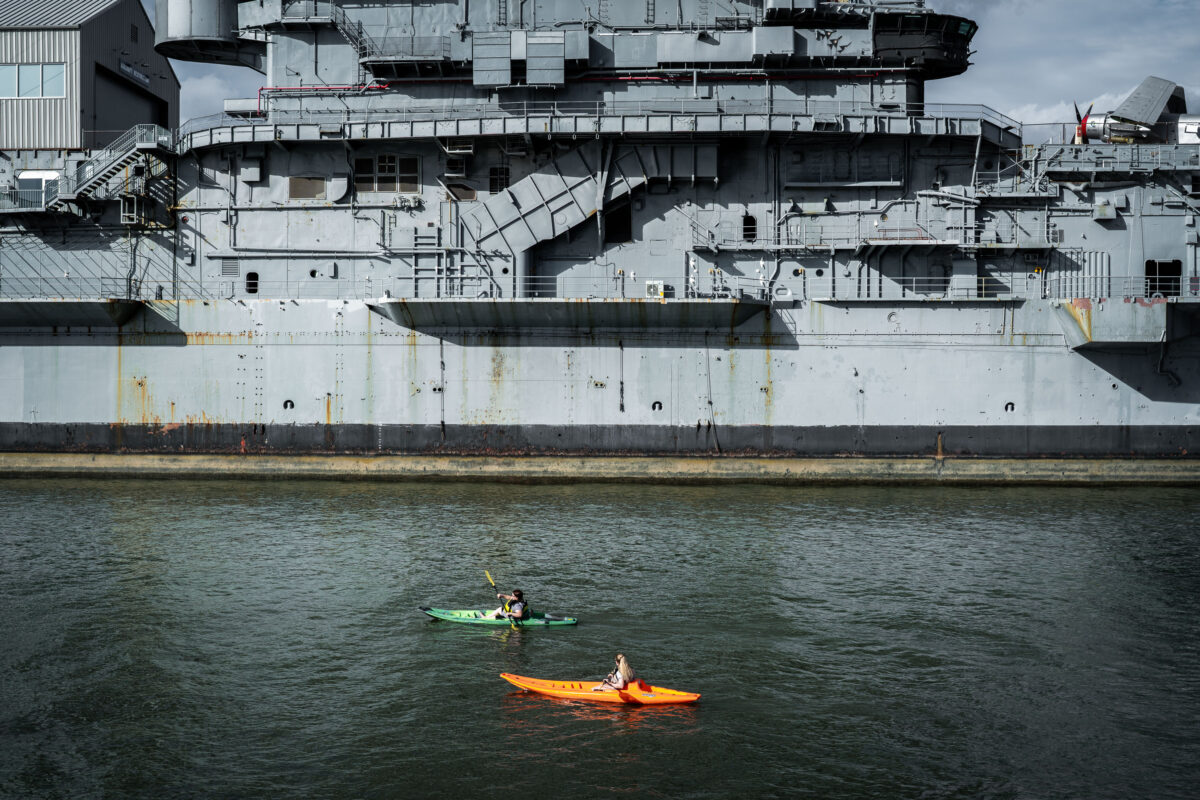
September 2019 — Two people paddle kayaks along the Hudson River near the USS Intrepid, a decommissioned aircraft carrier now serving as part of the Intrepid Sea, Air & Space Museum in Manhattan. The massive gray hull of the ship looms over the water, contrasting with the small boats below.
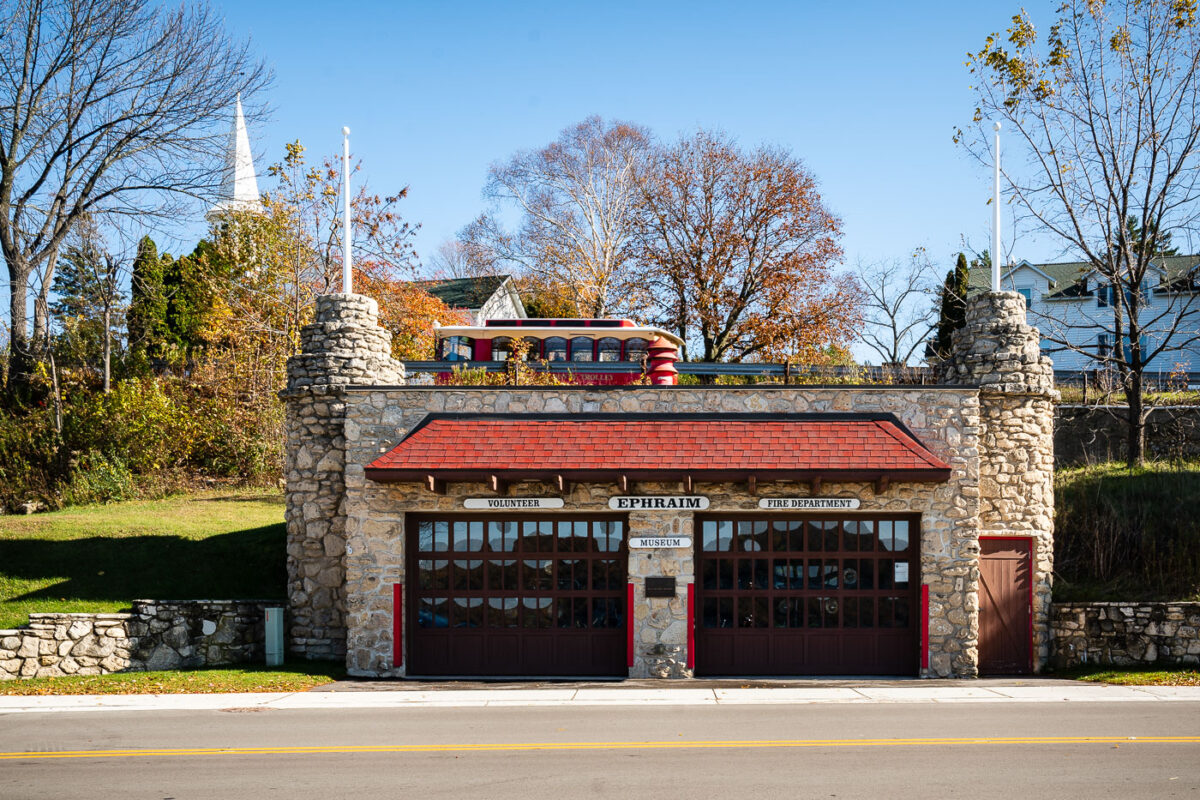
October 2019 — The historic Ephraim Volunteer Fire Department Museum, housed in a stone building with classic red doors, stands as a reminder of small-town service and heritage in Ephraim, Wisconsin.
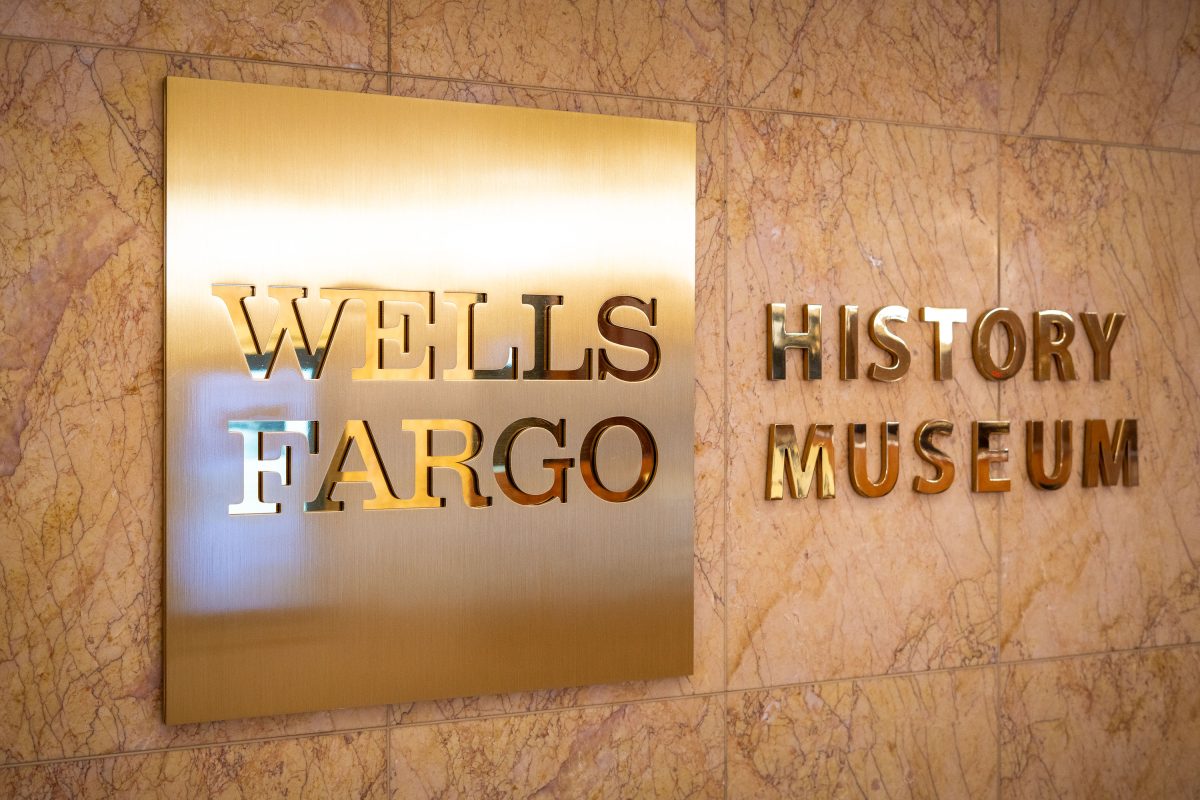
February 2020 —
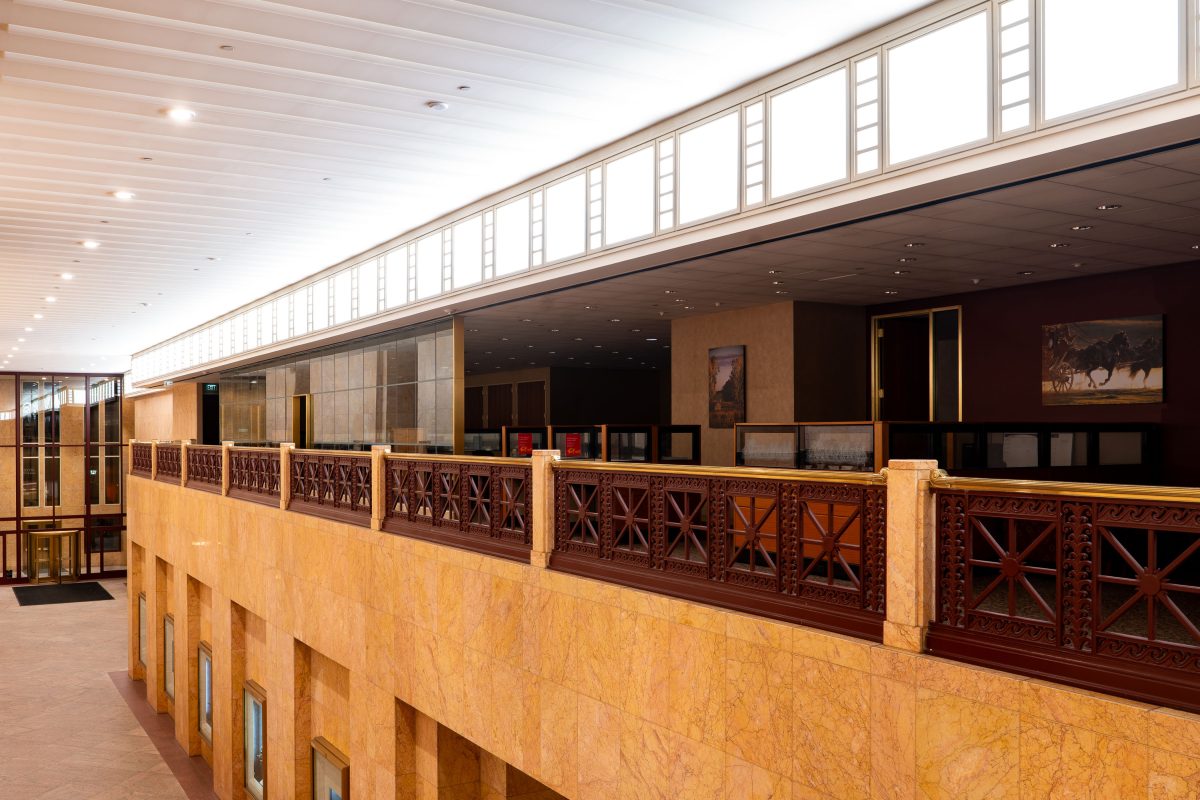
February 2020 —
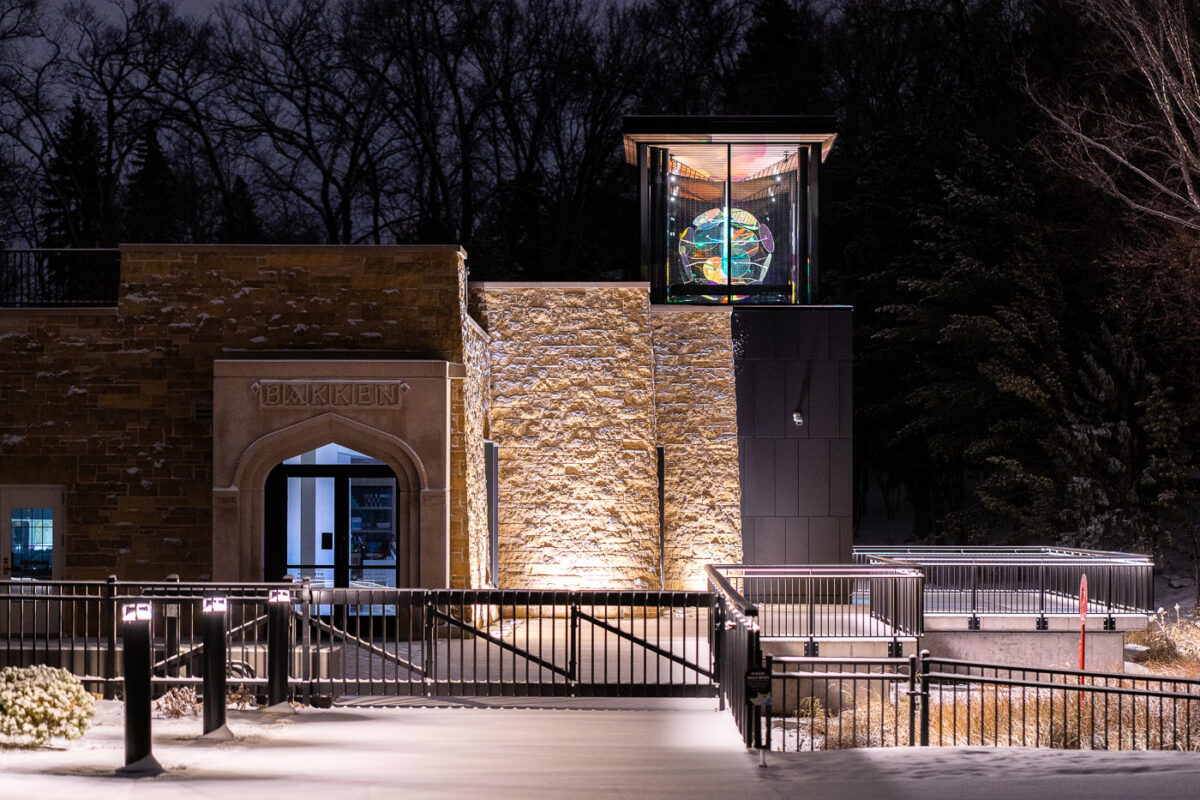
December 2021 — The Bakken Museum in Minneapolis. The science museum was founded in 1975 by Earl Bakken, the co-founder of Medtronic.
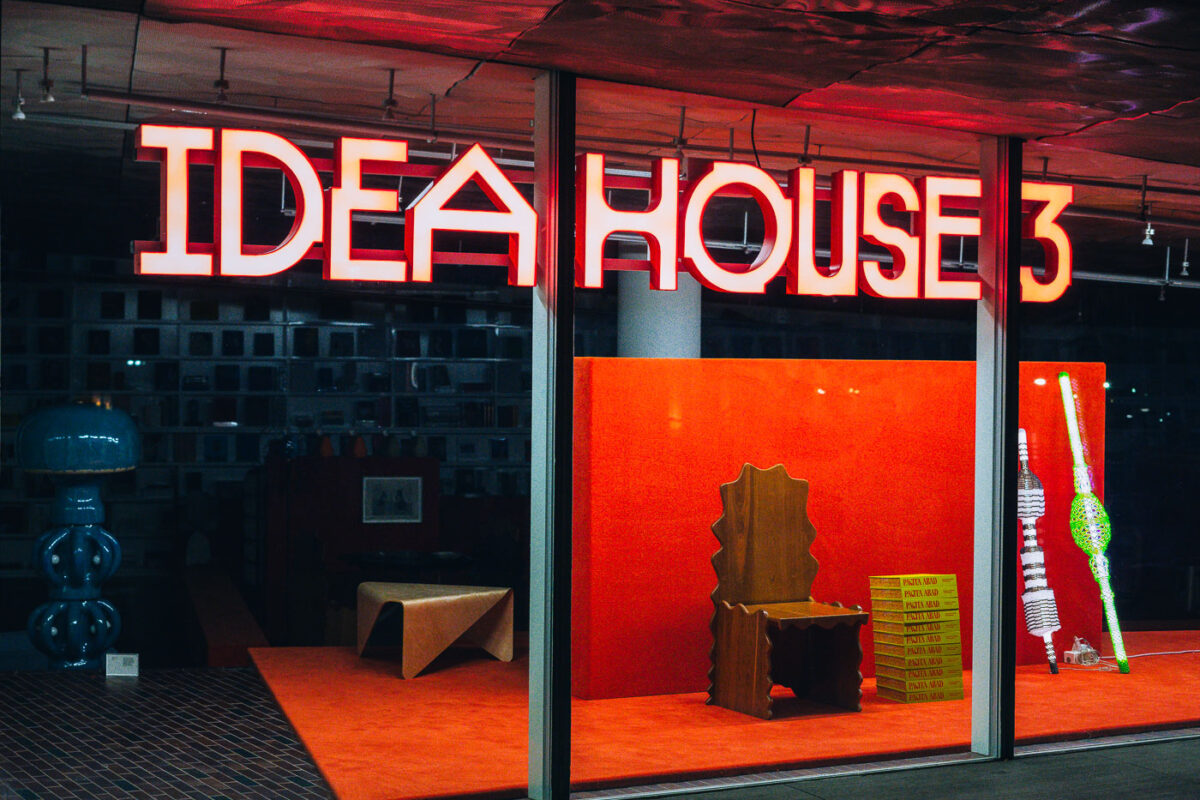
December 2023 — Idea House 3 at the Walker Art Center in Minneapolis.
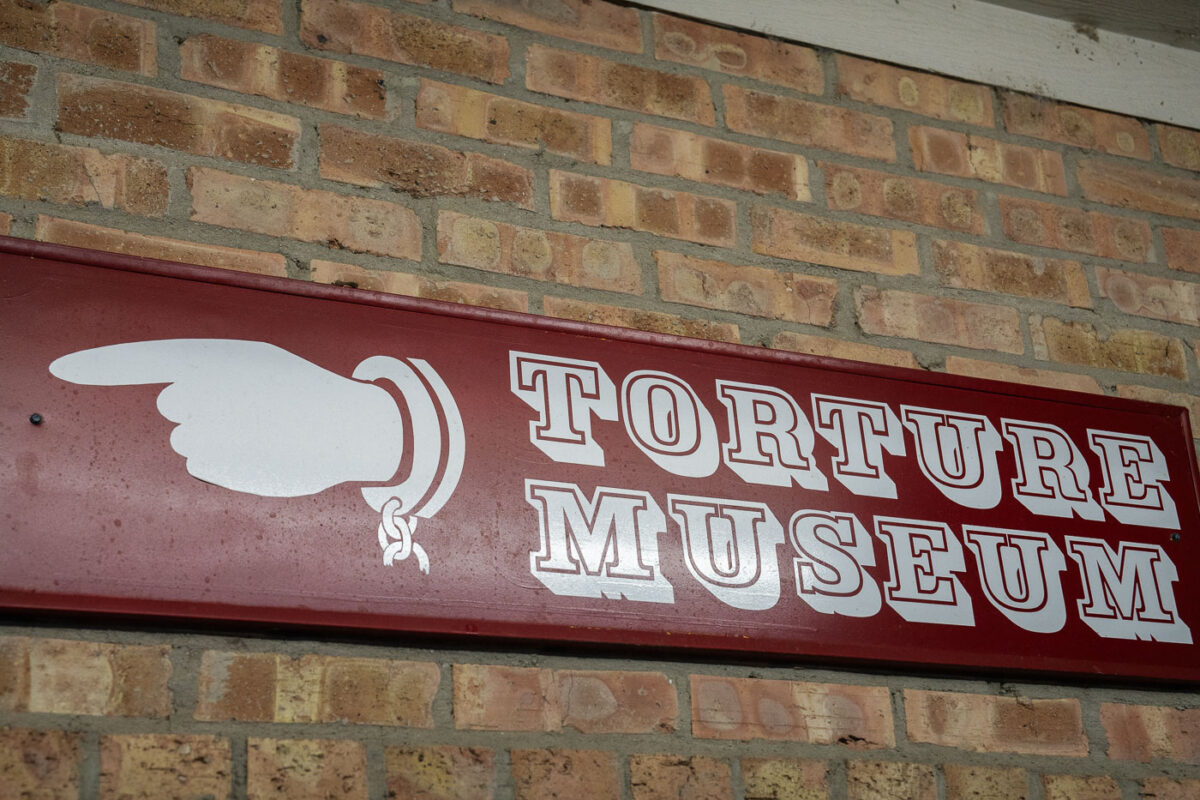
July 2024 — A sign for the Torture Museum in the Wisconsin Dells.