Photo Set
Minneapolis Lakes
Sailing, fishing, and winter gatherings across Bde Maka Ska, Cedar Lake, and Lake of the Isles
Minneapolis, MN
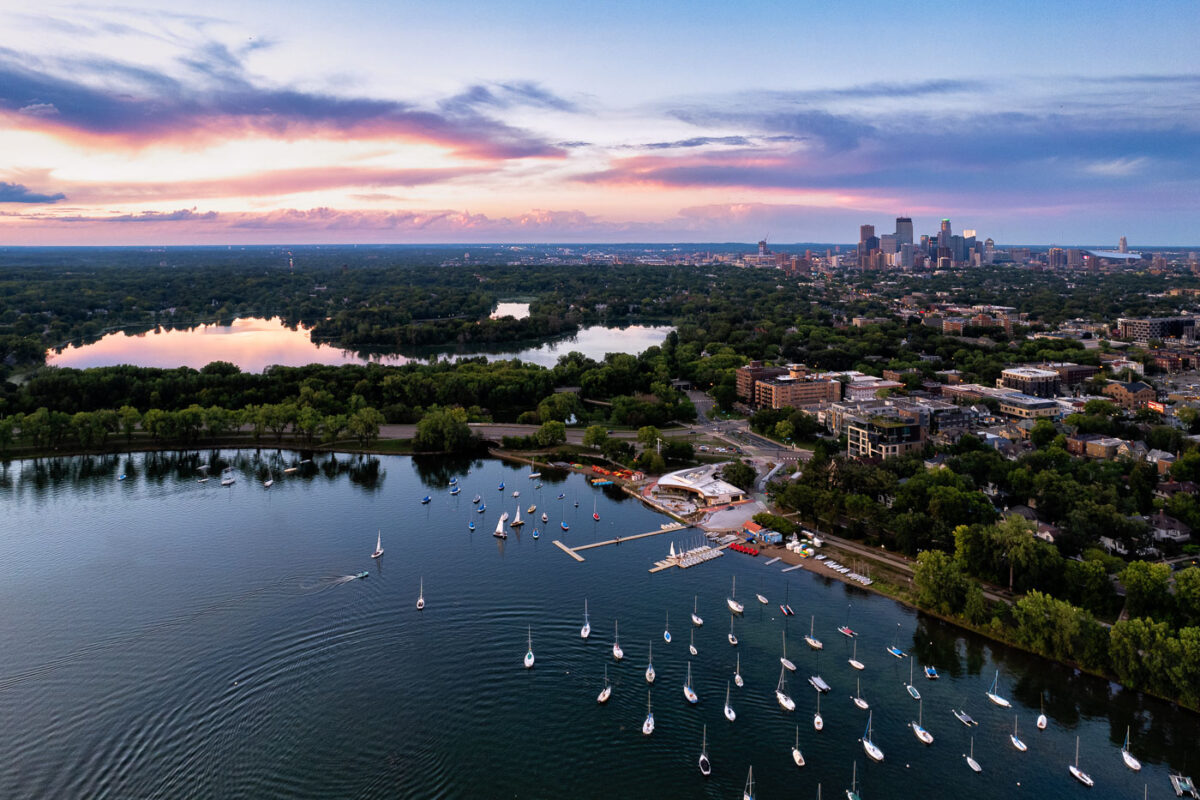
The Minneapolis Chain of Lakes is a system of interconnected lakes and parkland stretching through the southwest side of the city, developed in the late nineteenth and early twentieth centuries as part of a citywide parks movement. Bde Maka Ska, Cedar Lake, and Lake of the Isles form its core, linked by parkways and trails that remain among the most heavily used public land in Minneapolis.
The chain took shape under the influence of landscape designer Horace Cleveland, who argued in the 1880s that Minneapolis should acquire its lakeshores before development claimed them. The city followed that advice, and the Minneapolis Park and Recreation Board built out a system of connected green corridors, beaches, and boating facilities that still define the neighborhoods surrounding them. The Minikahda Club, founded in 1898 and situated along the shore of Bde Maka Ska, reflects how private institutions also took root around the lakes during that same era.
The largest lake in the system, Bde Maka Ska, carried the name Lake Calhoun for most of its recorded history under American governance. Its original Dakota name, meaning White Earth Lake, was officially restored in 2017 following a resolution by the Shakopee Mdewakanton Sioux Community, with the change formalized in 2020.
The lakes draw year-round use: sailing and volleyball in summer, the Luminary Loppet lantern event circling Lake of the Isles in winter, and fishing and cycling through the shoulder seasons. The opening of the Metro Transit Southwest LRT green line extension added a rail connection running near Cedar Lake and Bde Maka Ska, threading new transit infrastructure through parkland that has anchored this part of the city for well over a century.
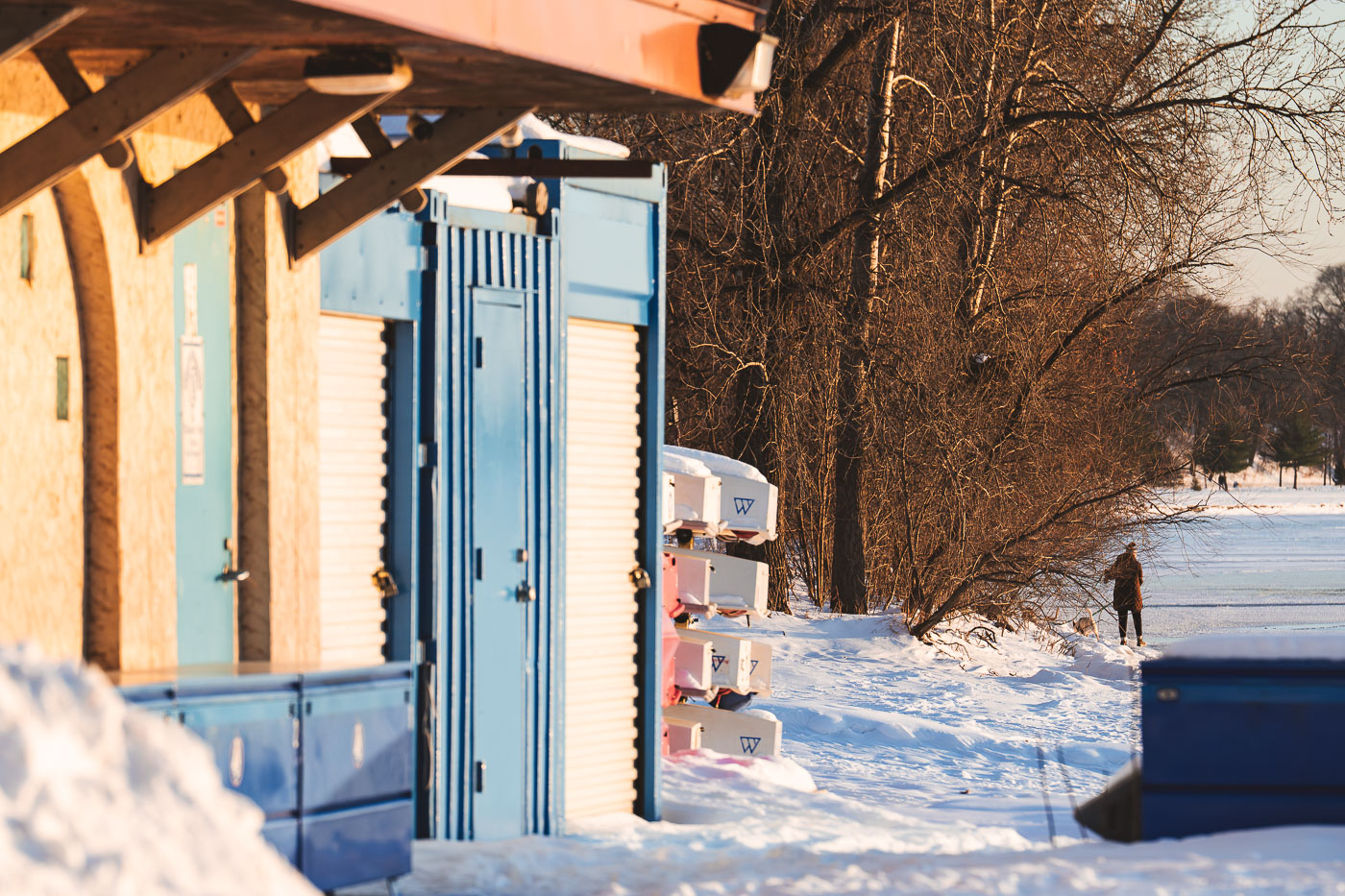 View full post: Boat Storage Racks Along the Shore of Bde Maka Ska
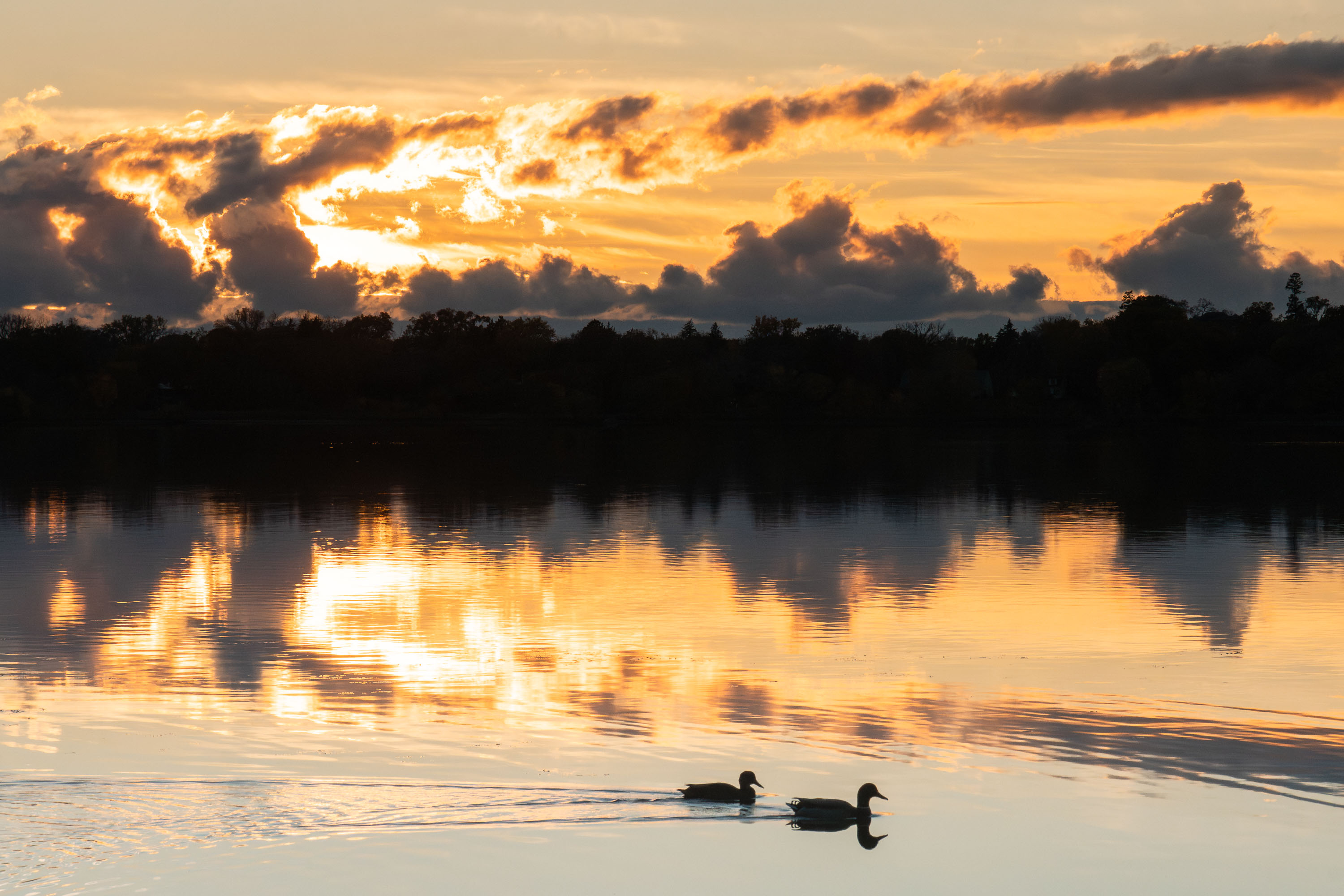 View full post: Ducks at Sunset on Bde Maka Ska
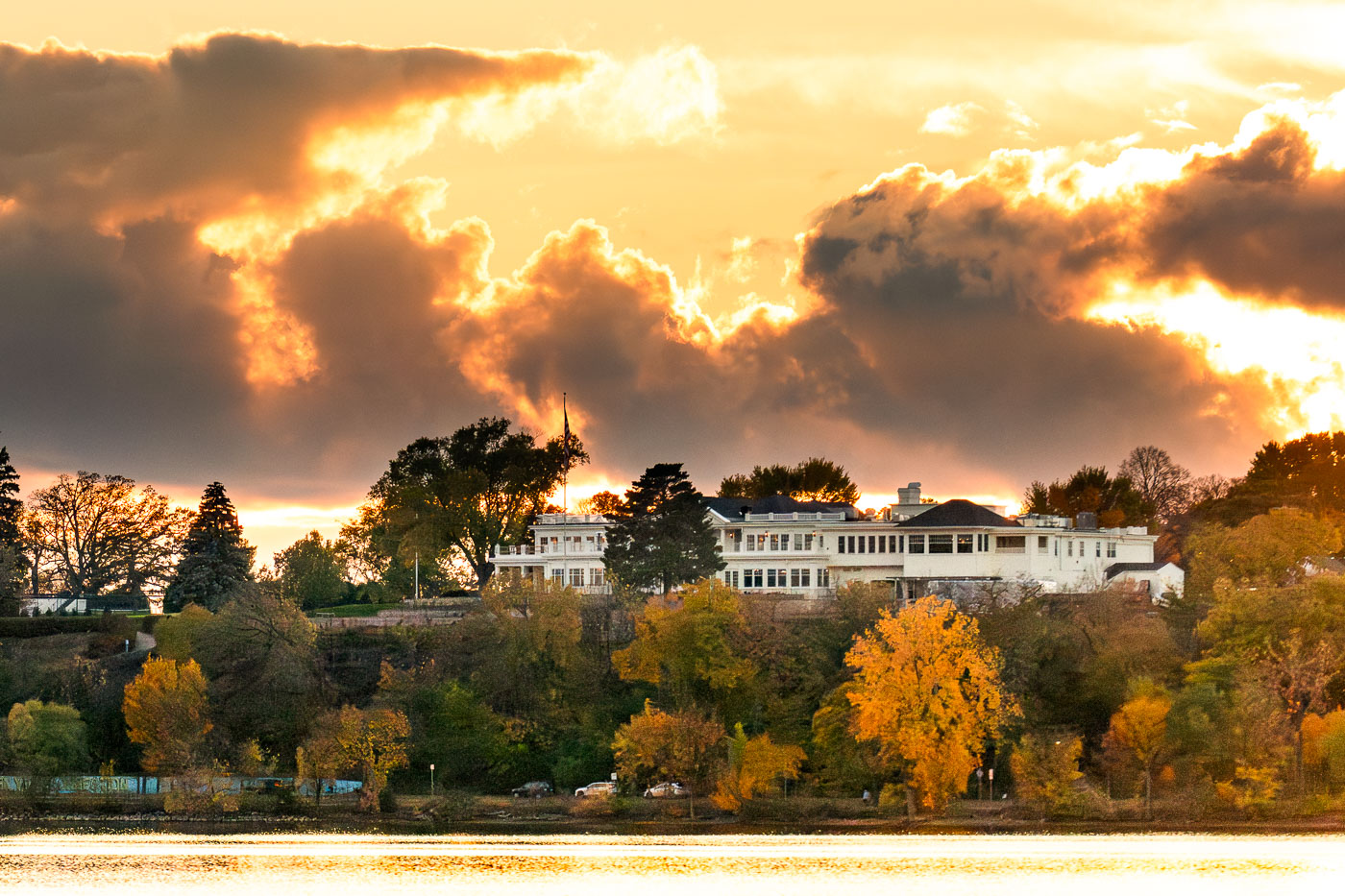 View full post: Storm Clouds Glow Over the Minikahda Club at Sunset
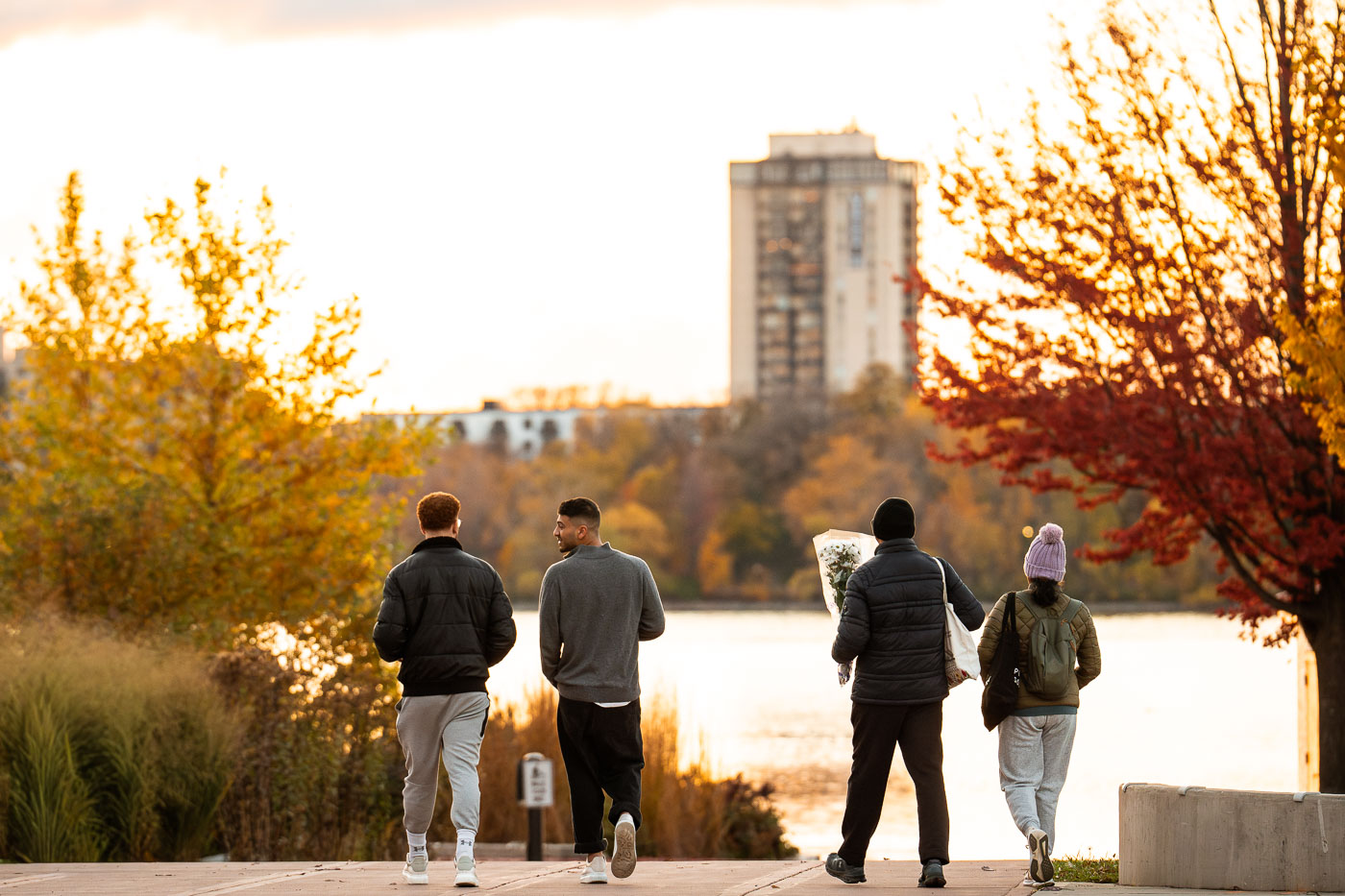 View full post: Autumn Evening Walk Along Bde Maka Ska
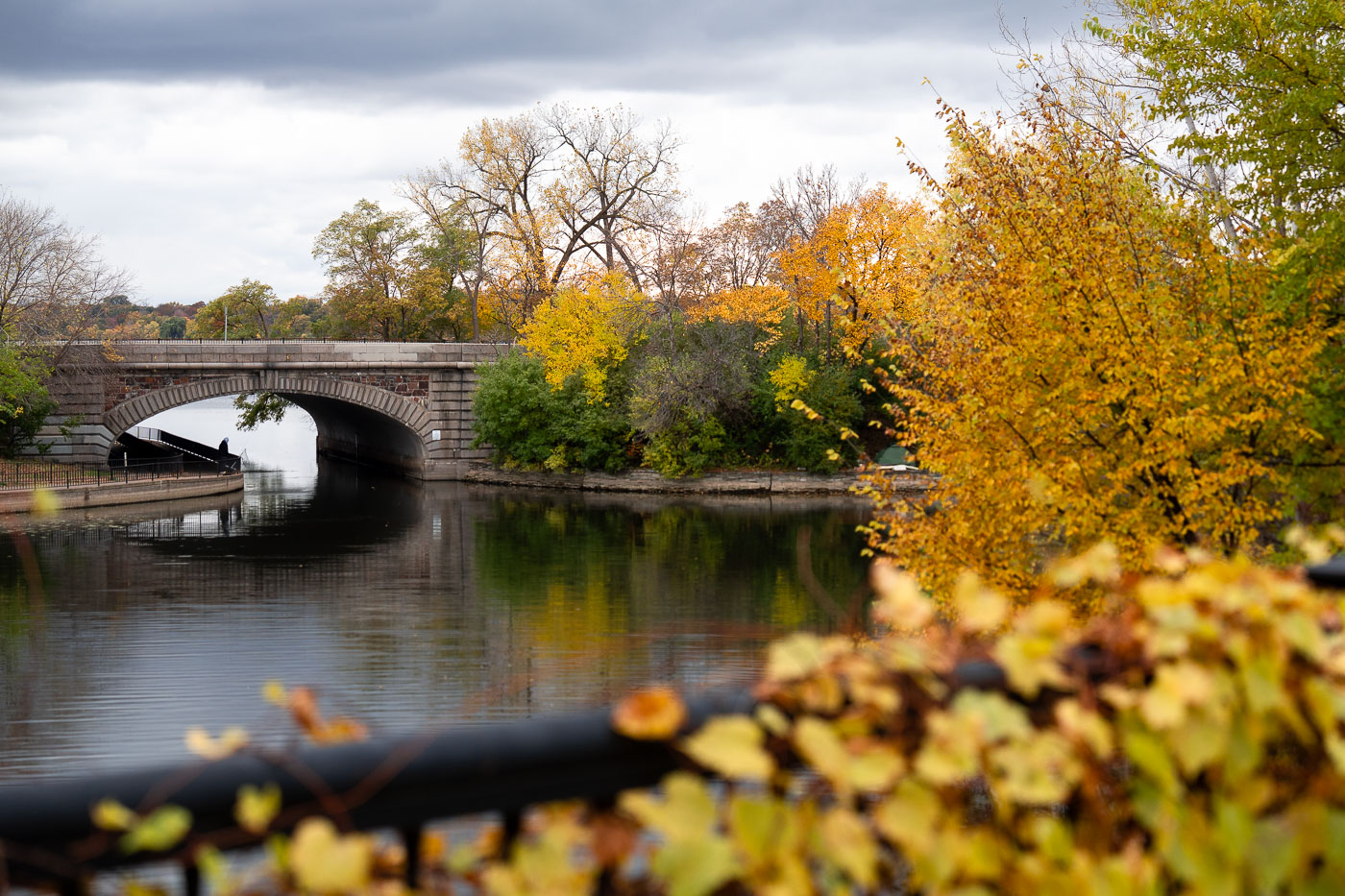 View full post: Fall Colors Along the Channel Between Lake of the Isles and Bde Maka Ska
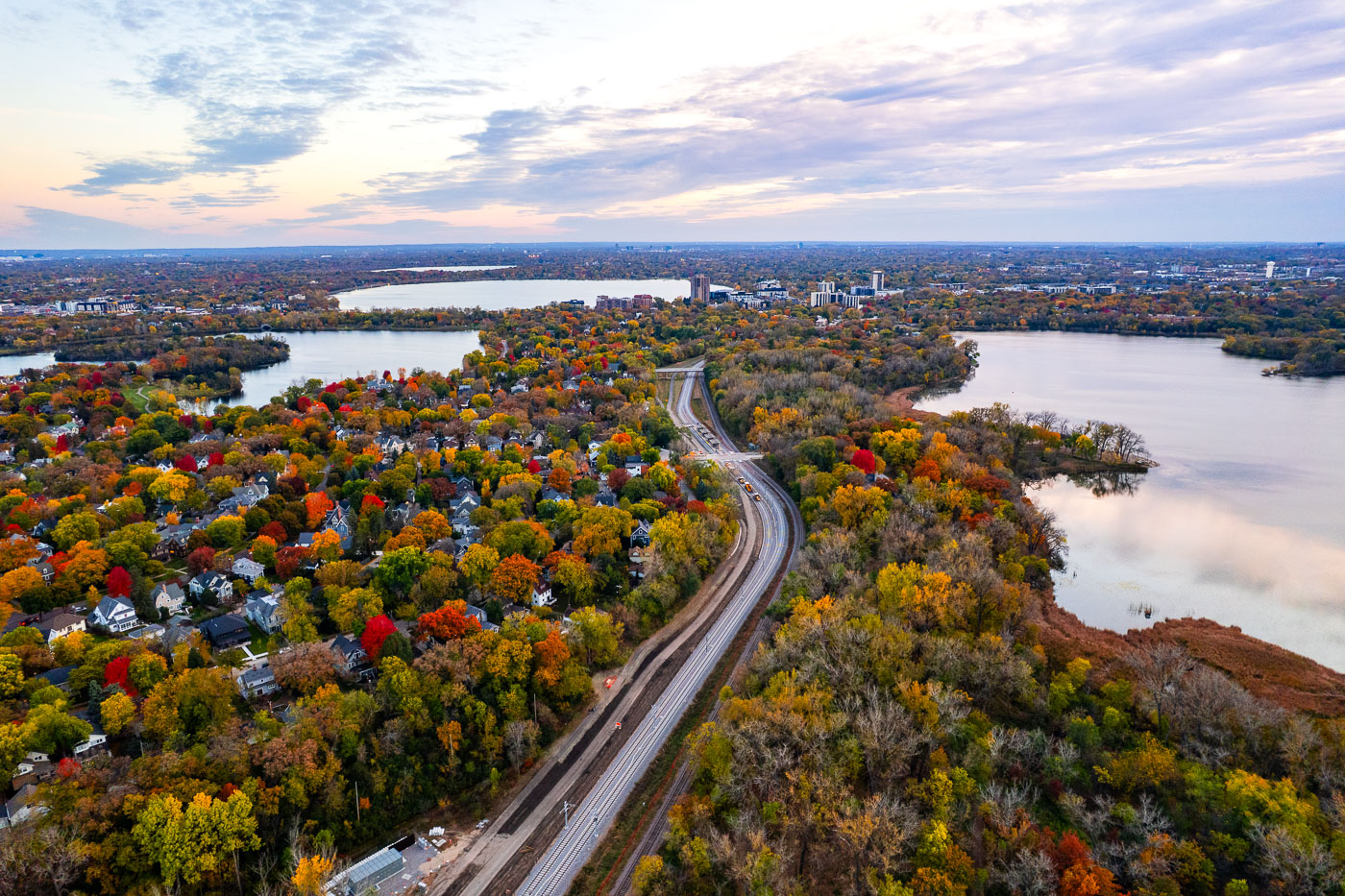 View full post: Southwest LRT Line Under Construction Near Bde Maka Ska in Fall
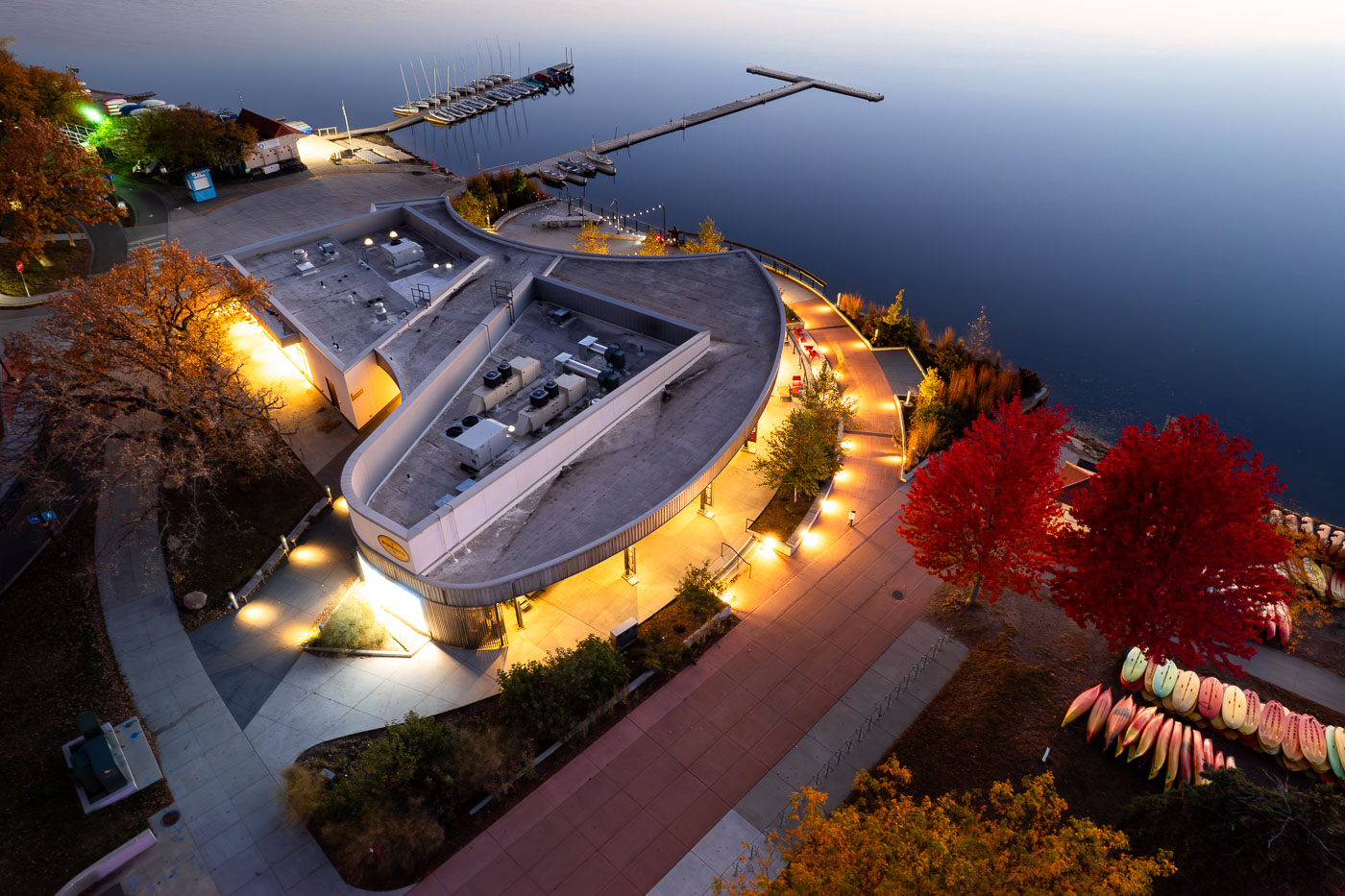 View full post: Aerial View of the Bde Maka Ska Pavilion in Autumn
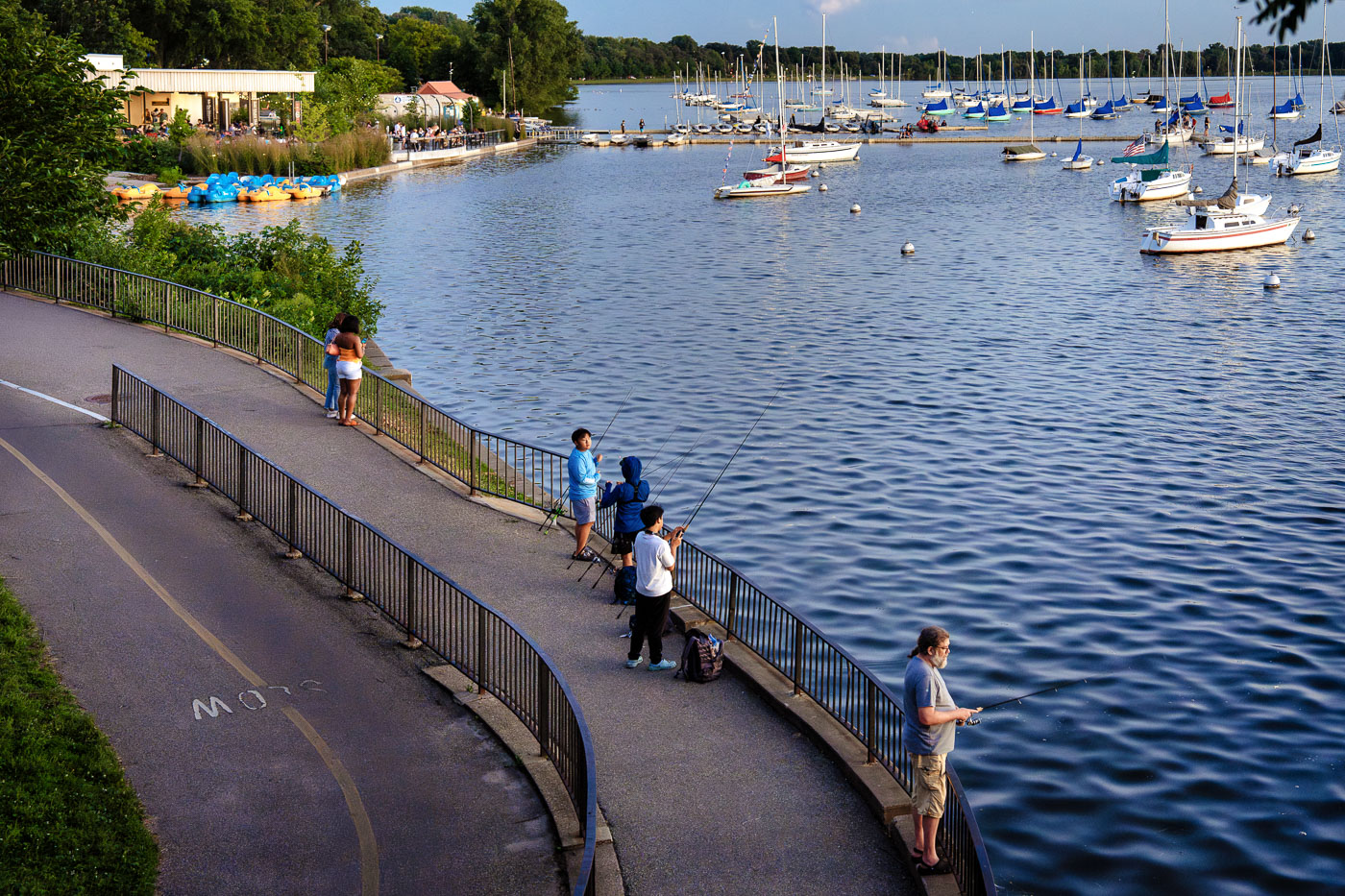 View full post: Fishing Along the Bde Maka Ska Shoreline Path
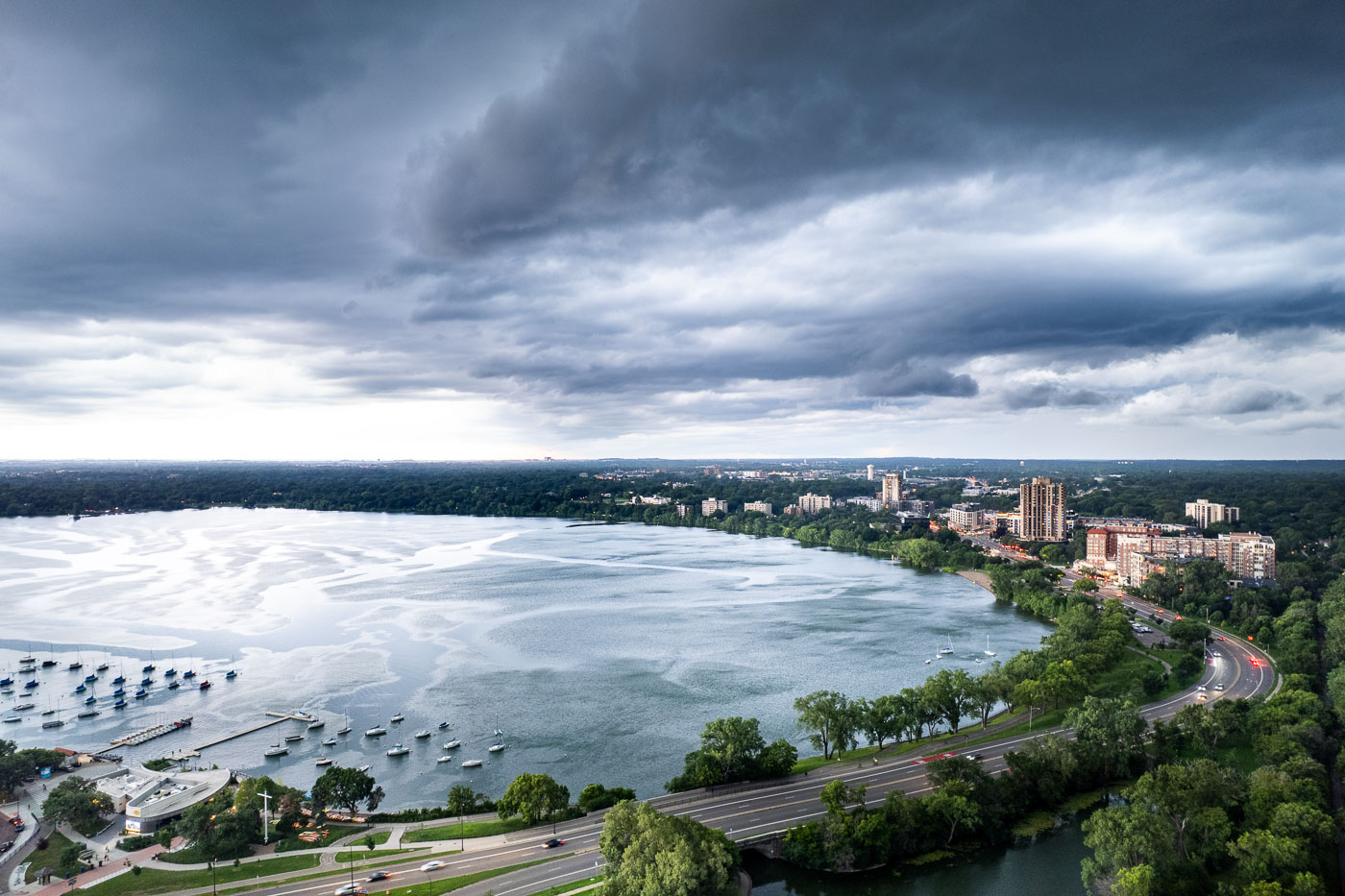 View full post: Thunderstorm over Bde Maka Ska, Minneapolis, July 2025
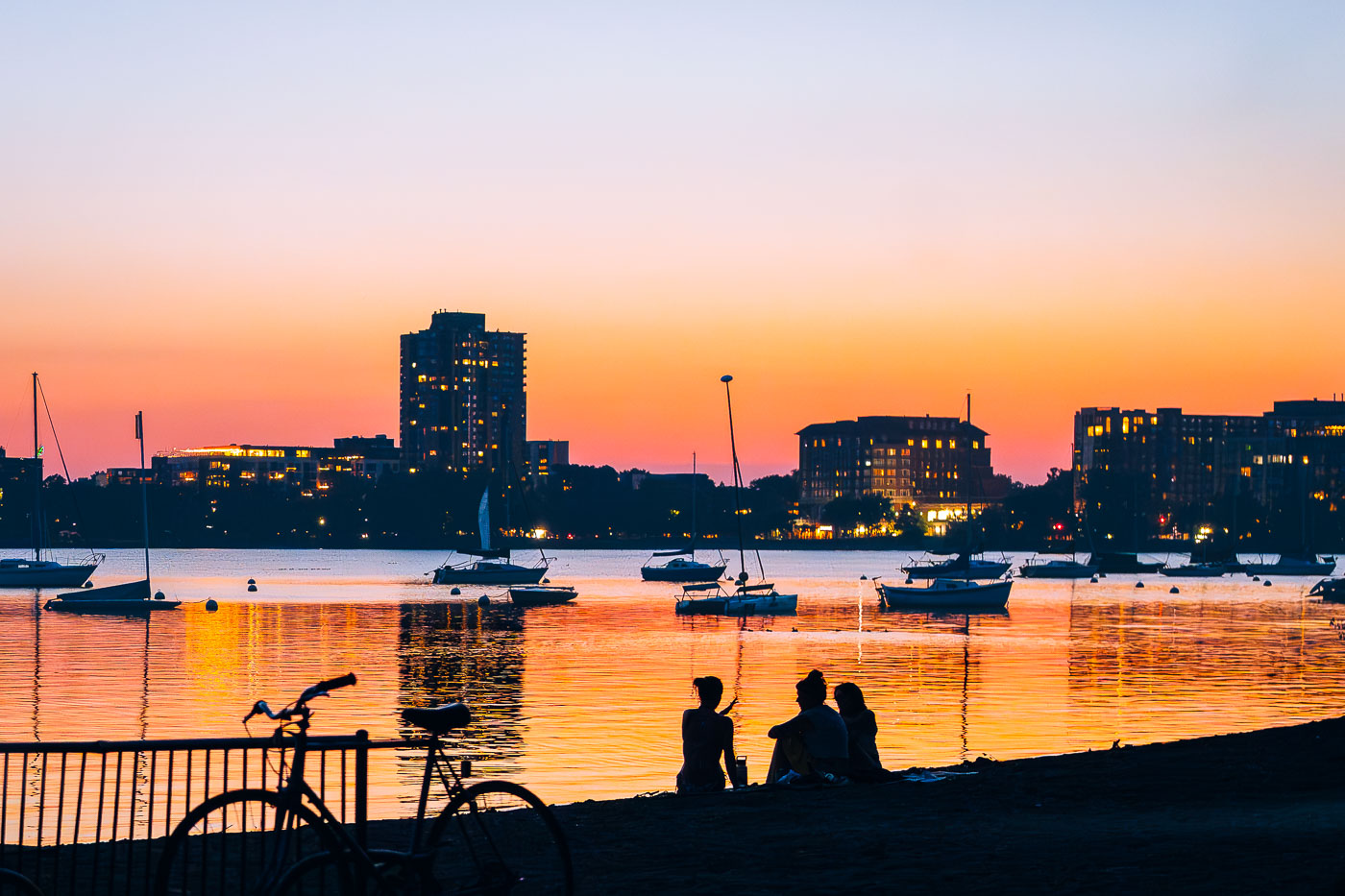 View full post: Sailboats and Skyline at Dusk on Bde Maka Ska
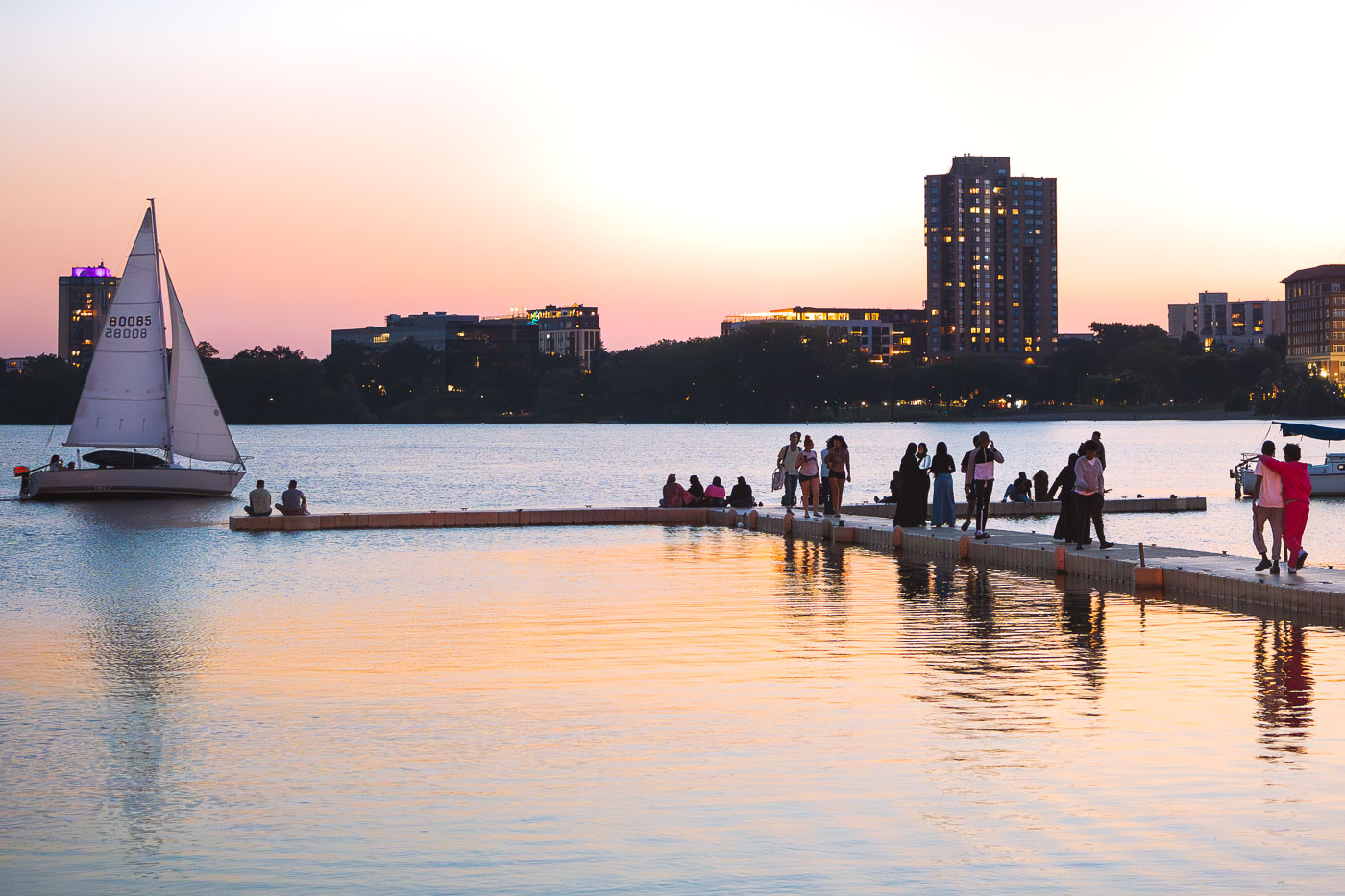 View full post: Sailboat Passing the Dock on Bde Maka Ska at Sunset
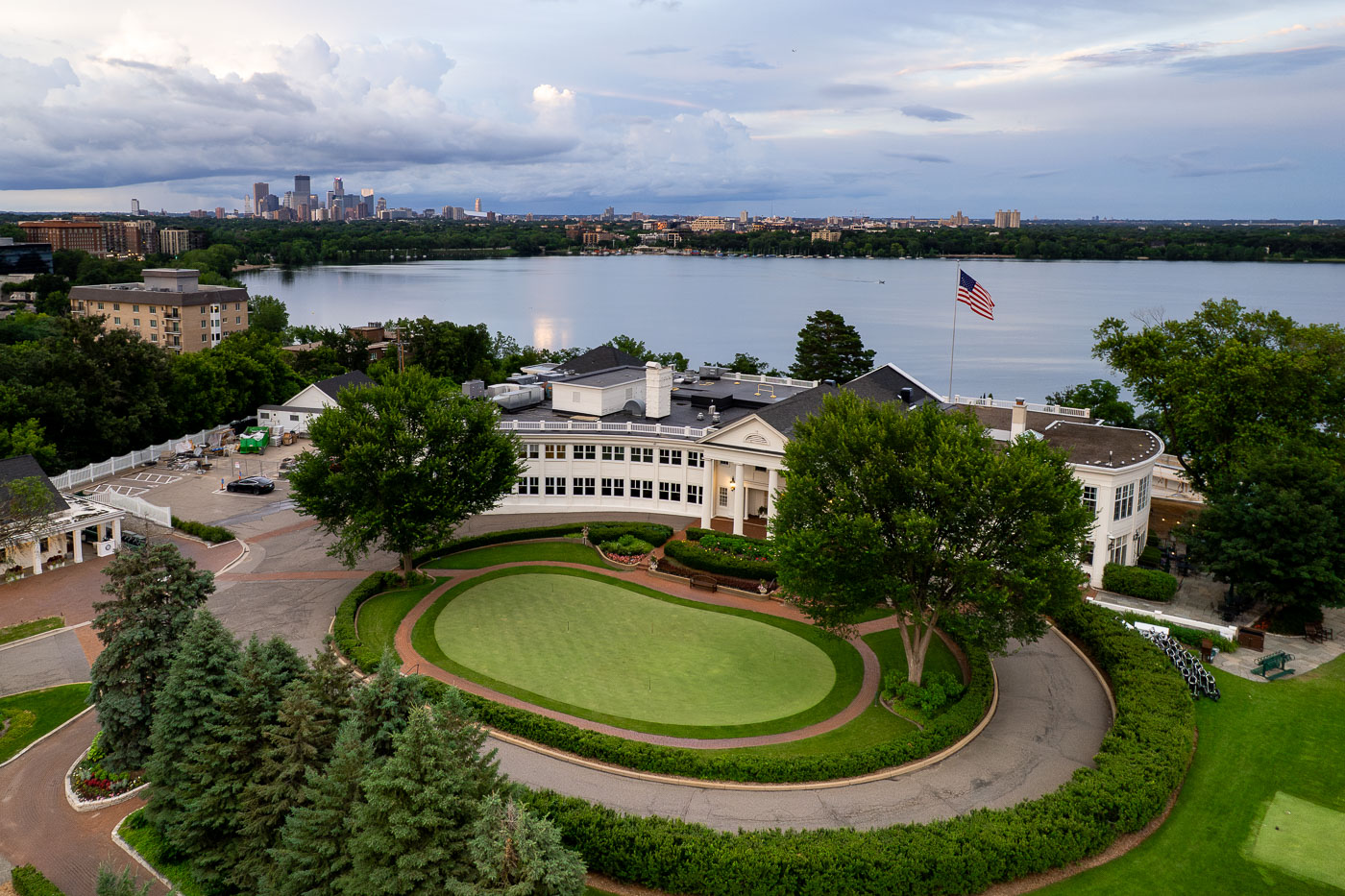 View full post: Minikahda Club Golf Course, Bde Maka Ska, Minneapolis Skyline
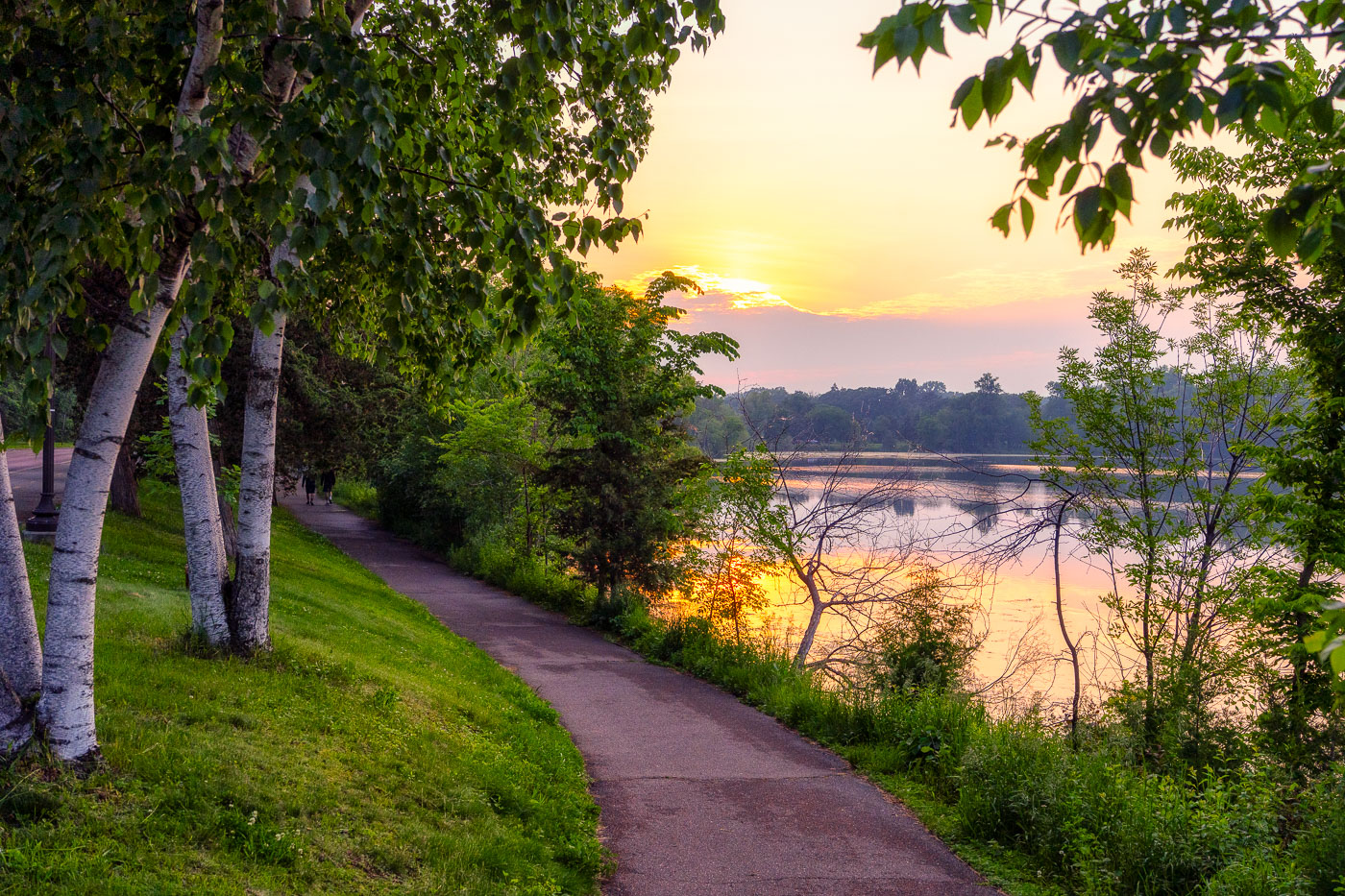 View full post: Beautiful sunset around Cedar Lake in Minneapolis
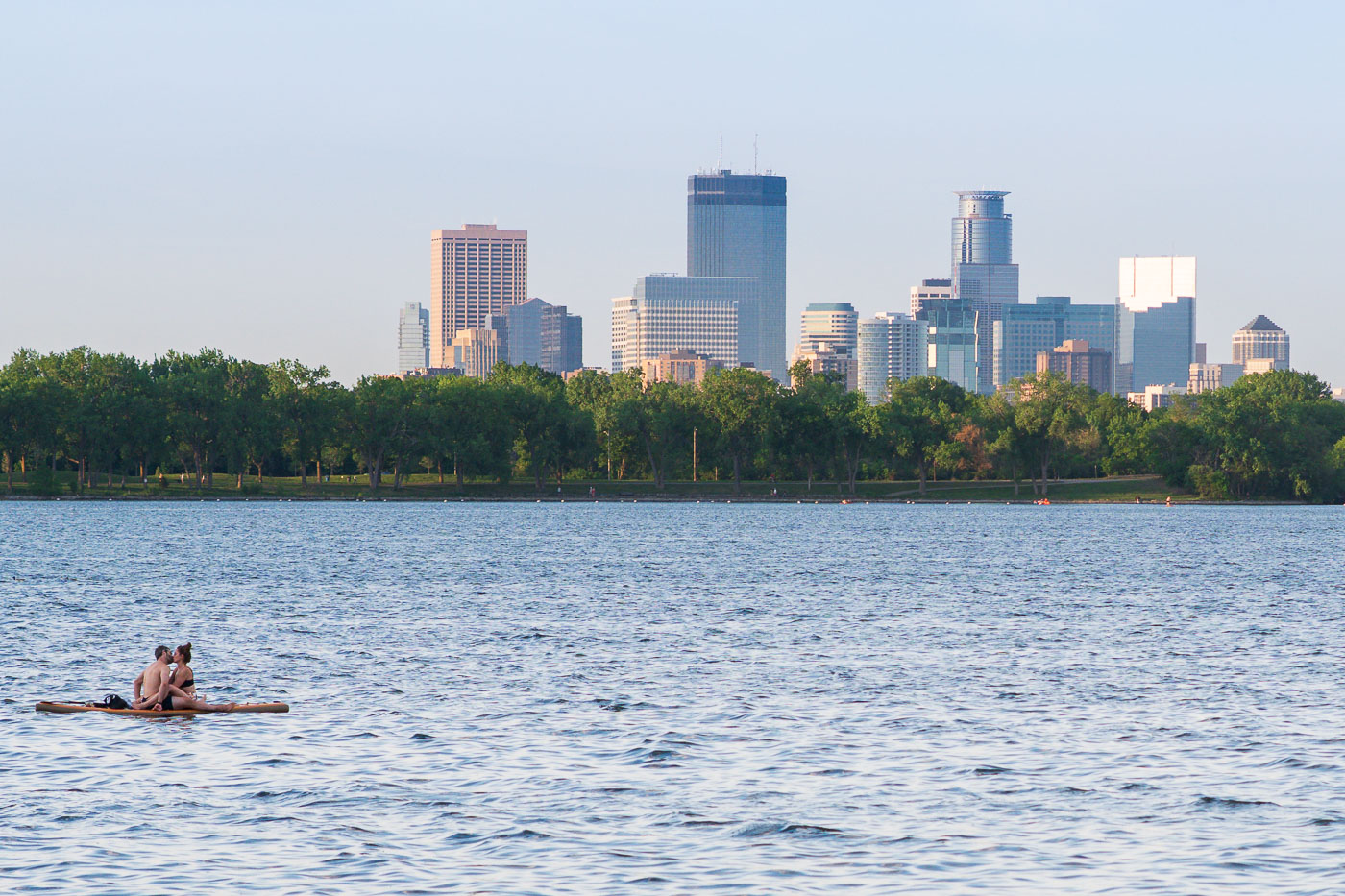 View full post: Couple Floating on Bde Maka Ska, Minneapolis Skyline
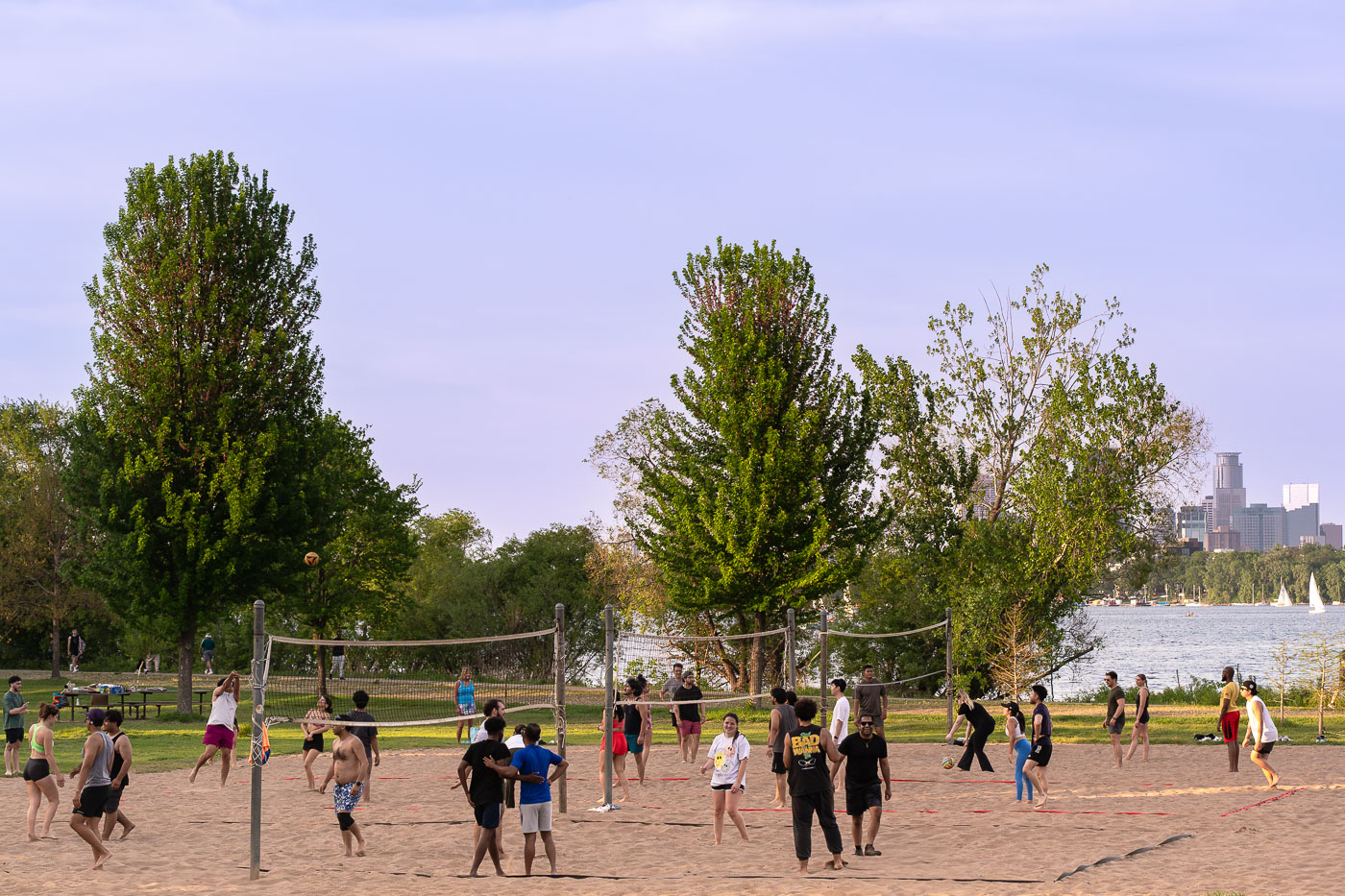 View full post: Top 10 Weather Week and Lake Volleyball in Minneapolis
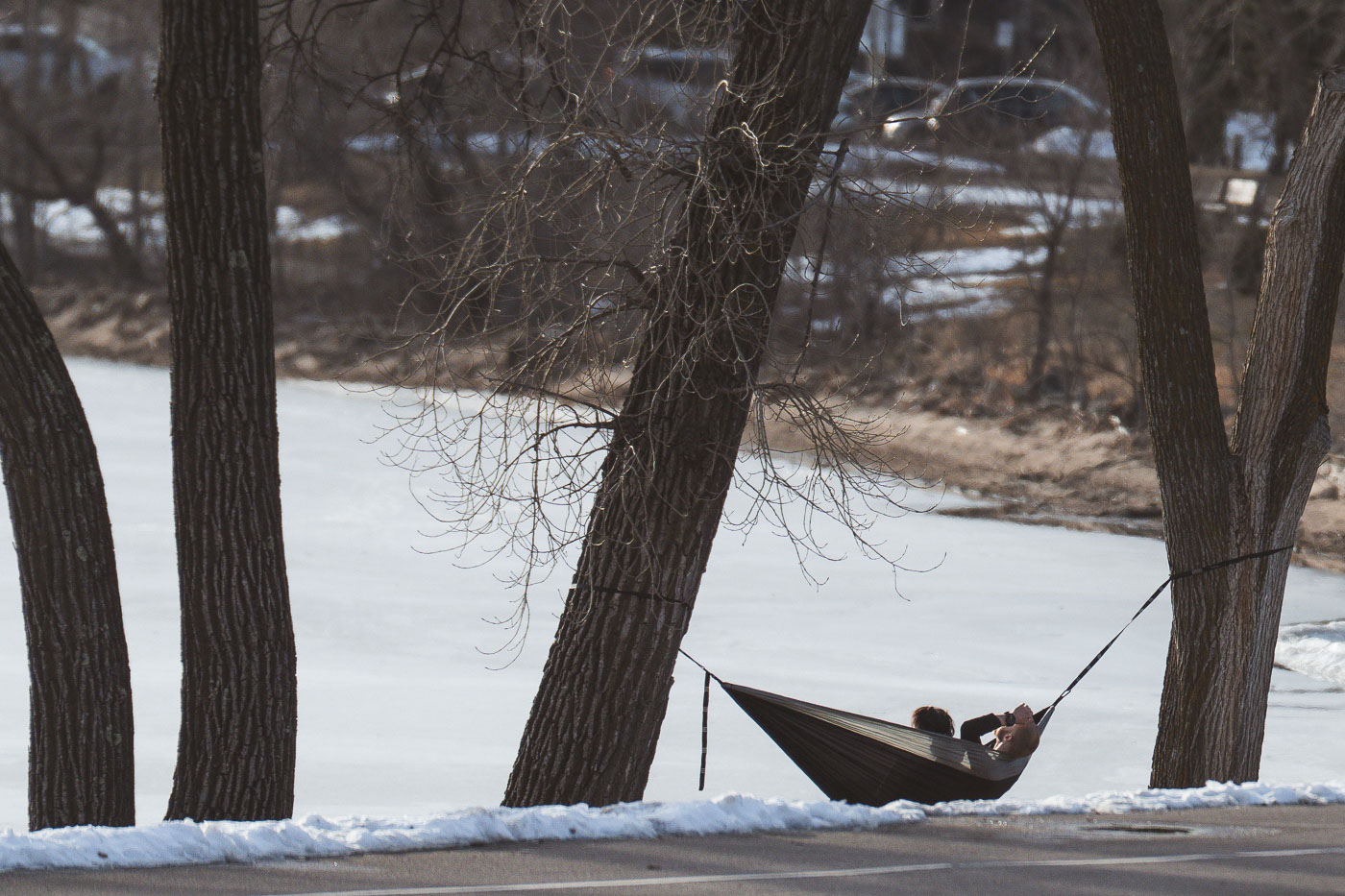 View full post: Hammocking Along a Frozen Bde Maka Ska in Minneapolis
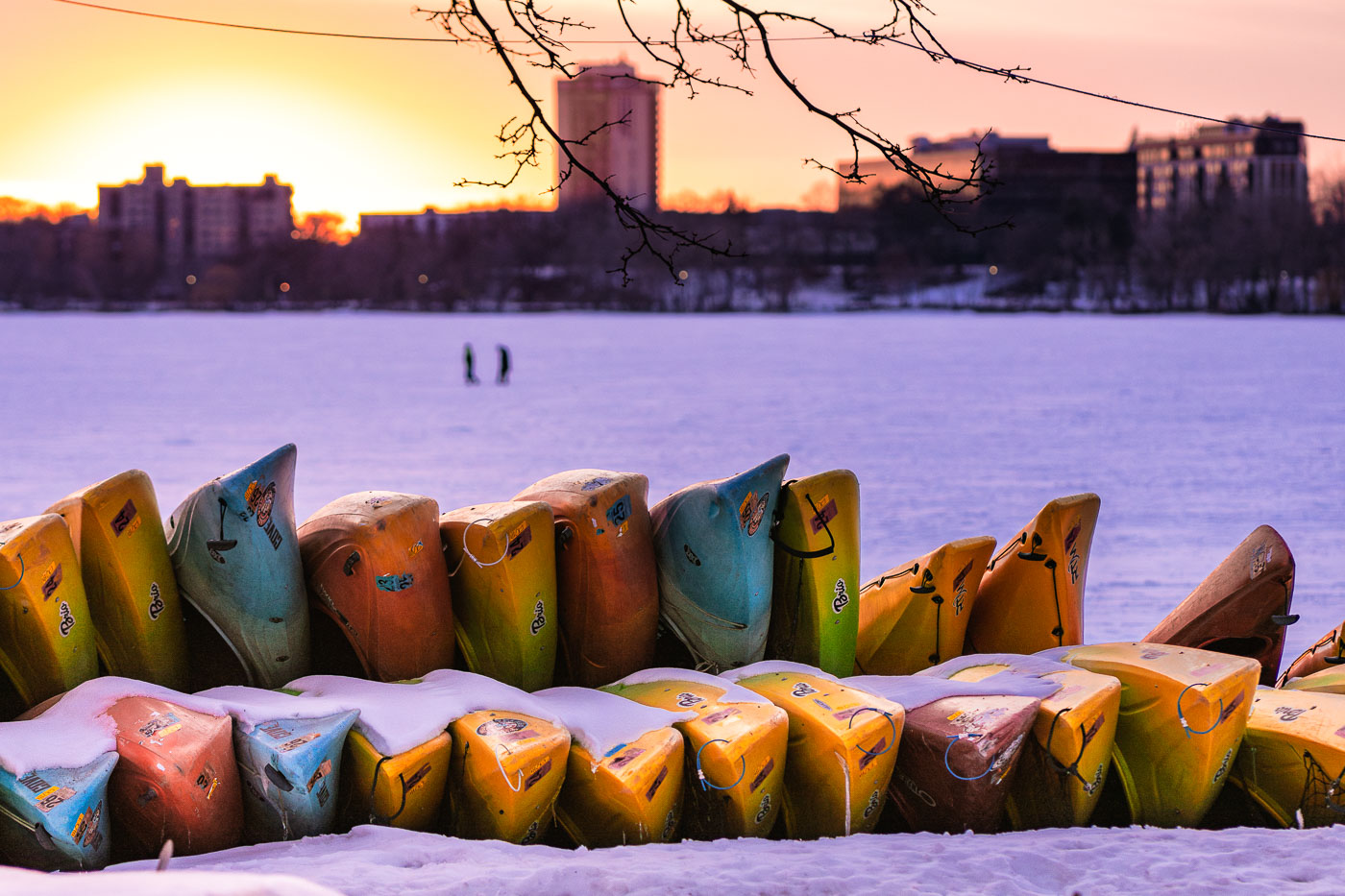 View full post: Snowbound Kayaks Along Bde Maka Ska at Sunset
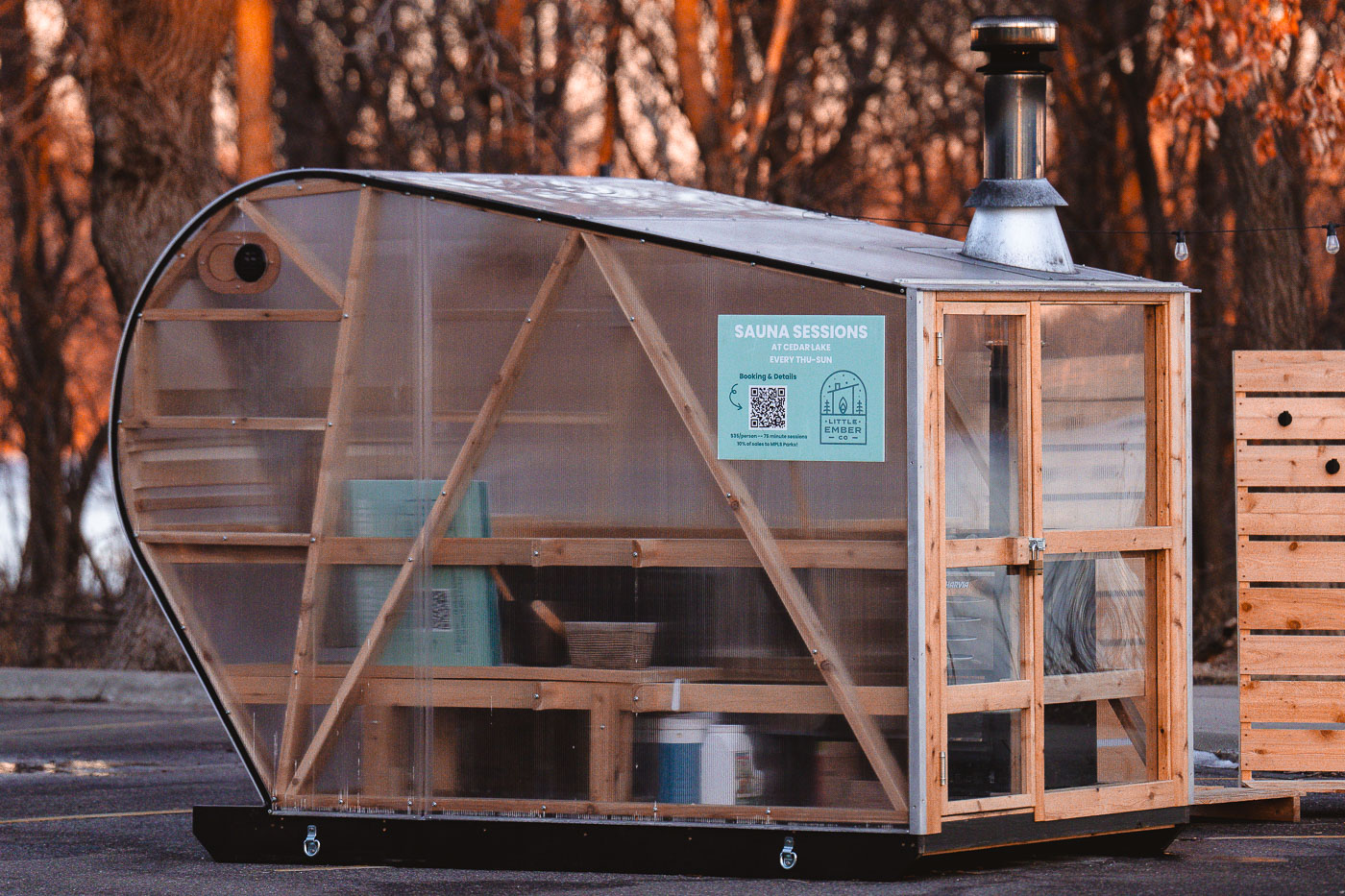 View full post: Little Ember Co. Sauna Sessions at Cedar Lake
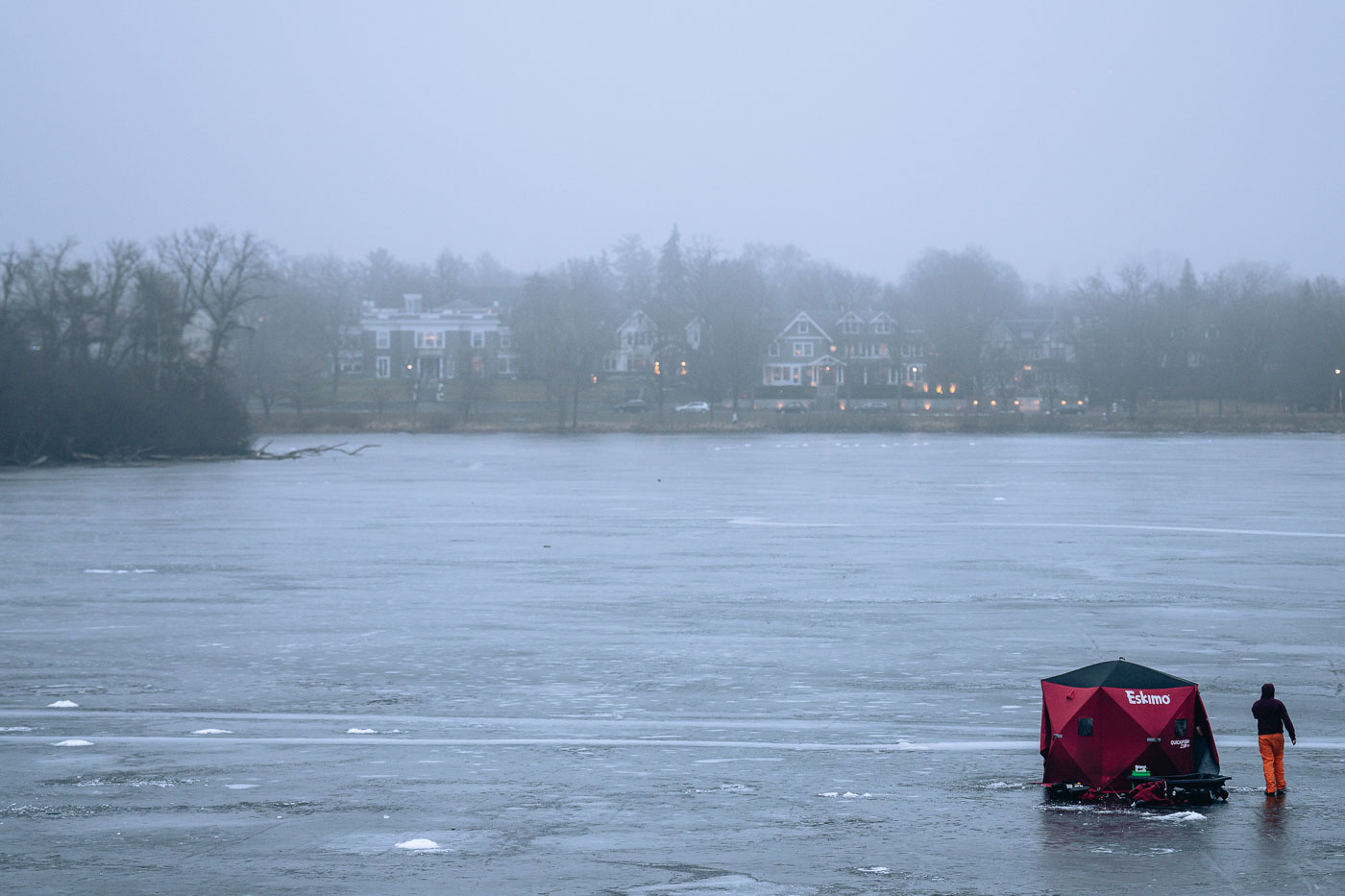 View full post: Ice Fishing on Lake of the Isles, Minneapolis
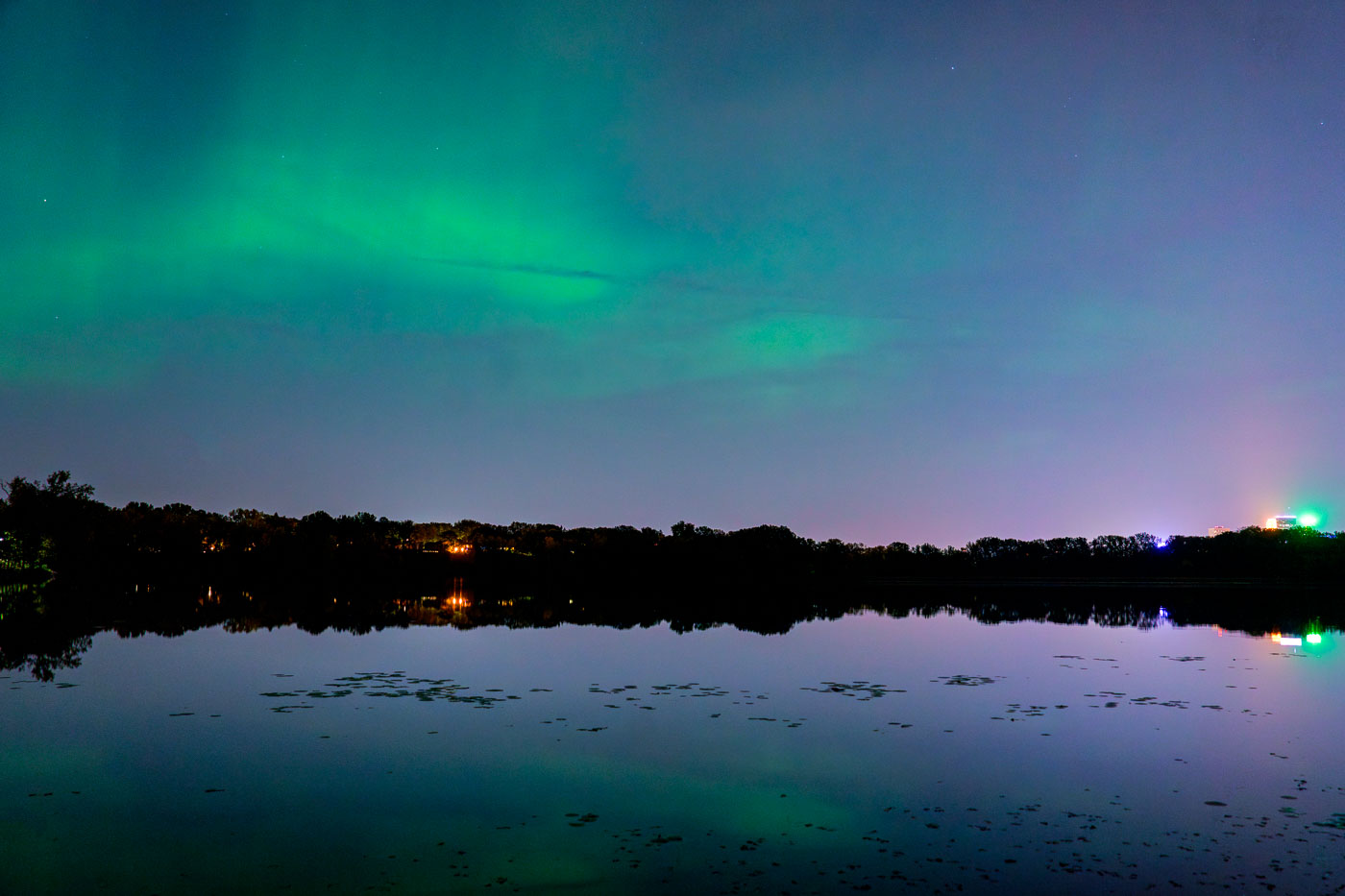 View full post: Northern Lights Glow Above Cedar Lake in Minneapolis
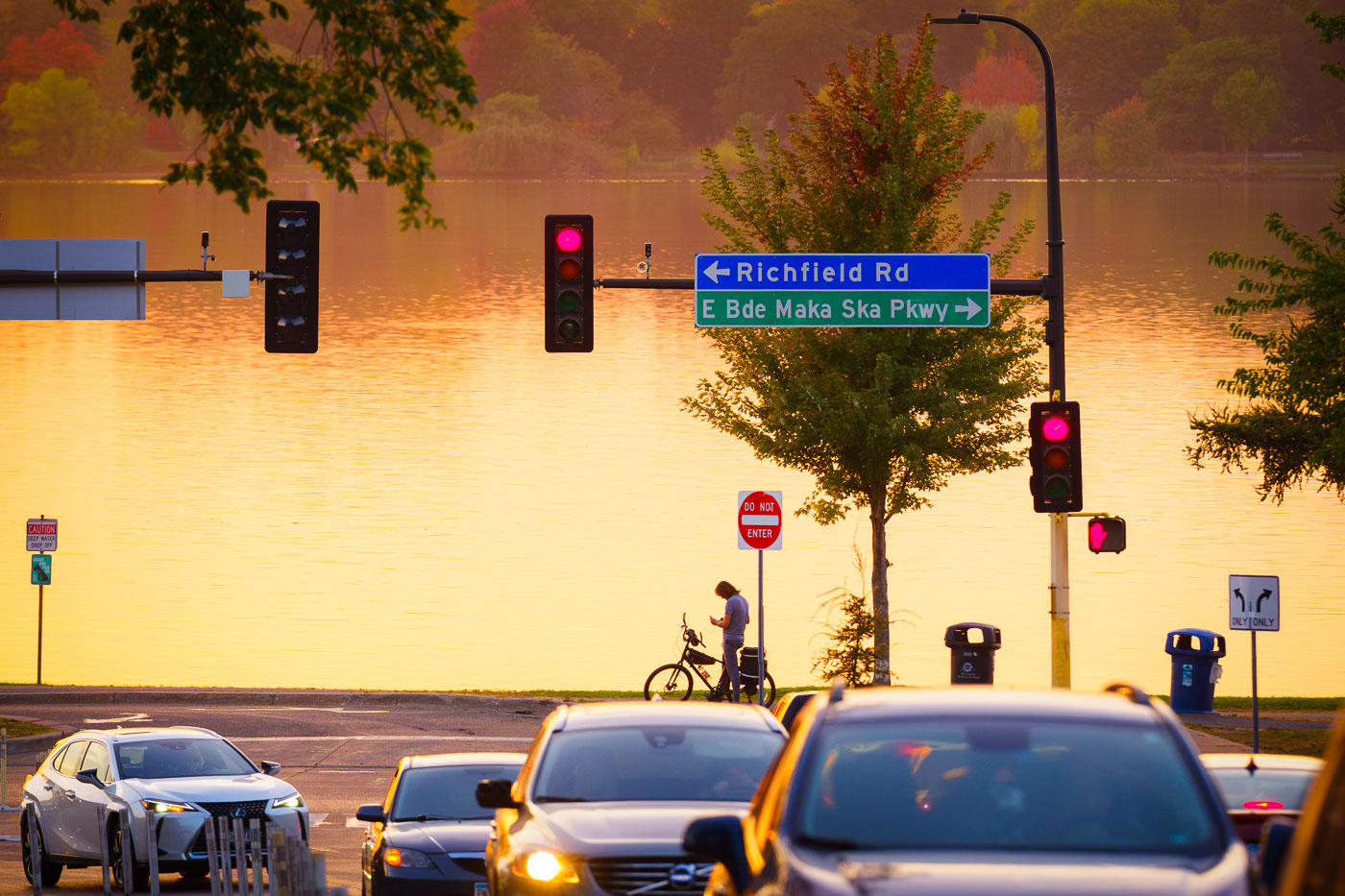 View full post: Bde Maka Ska Parkway at Sunset, Minneapolis
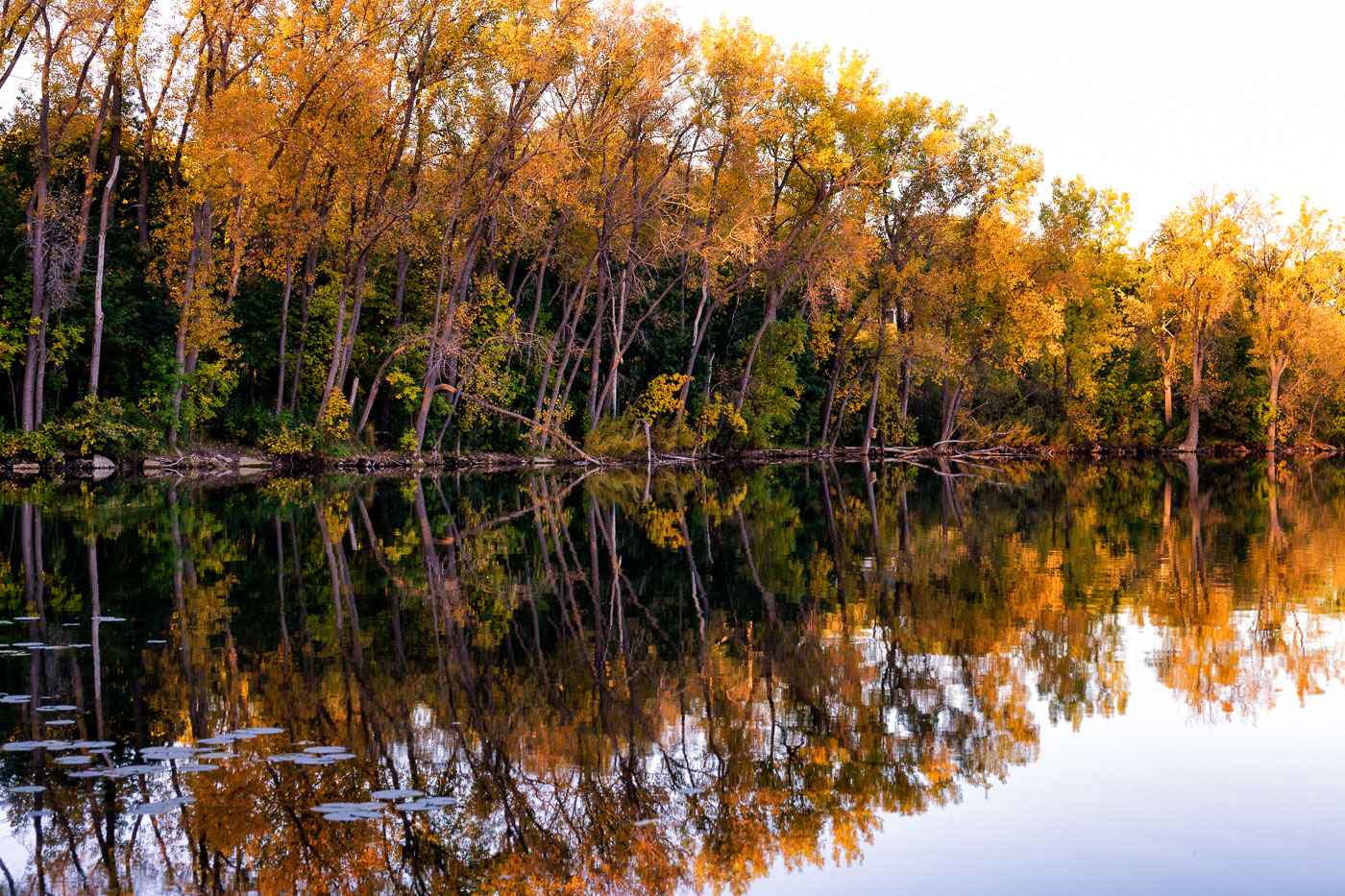 View full post: Fall Color Reflected Along Cedar Lake’s Shoreline
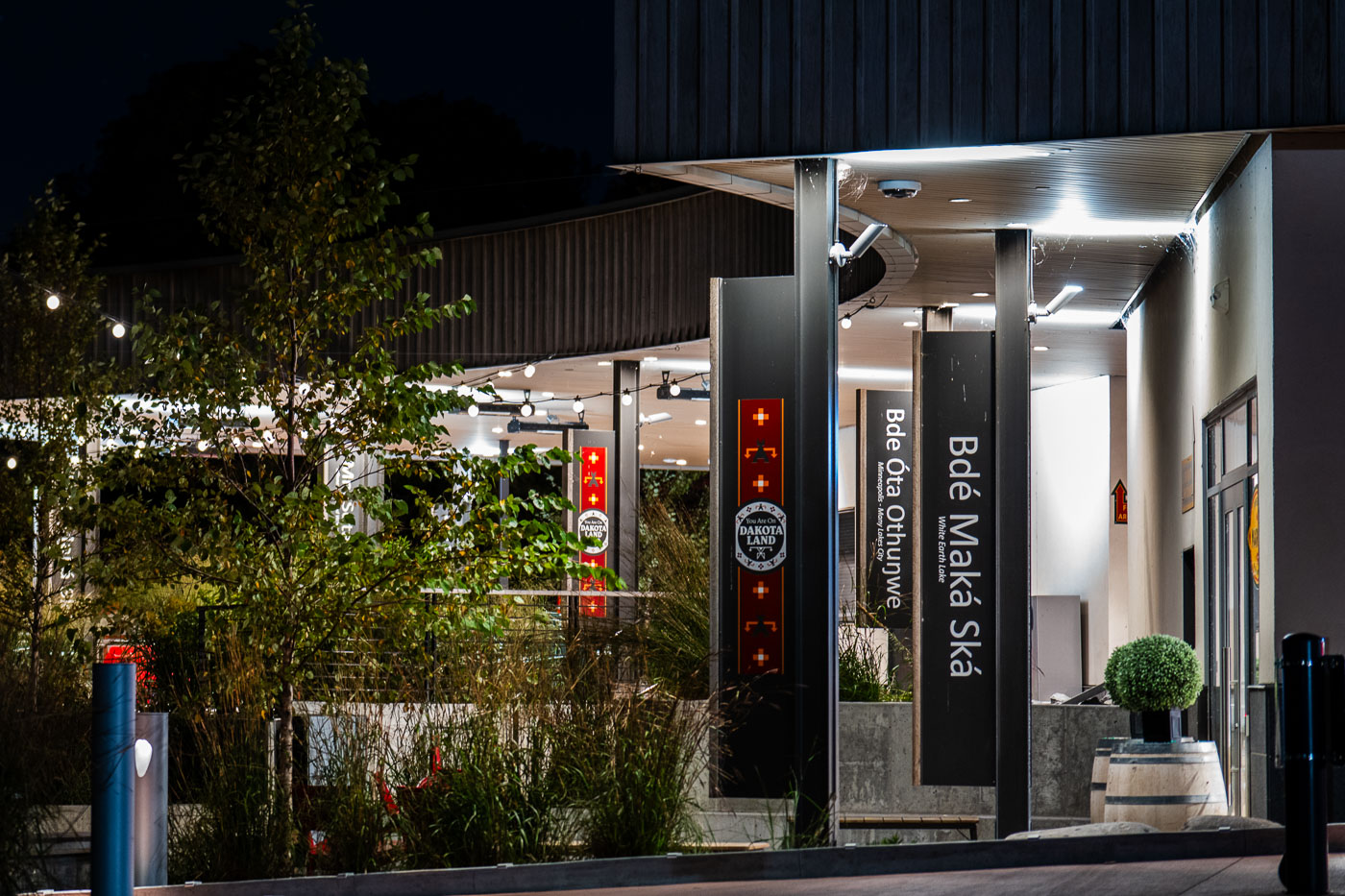 View full post: String Lights at Bde Maka Ska Pavilion After Dark
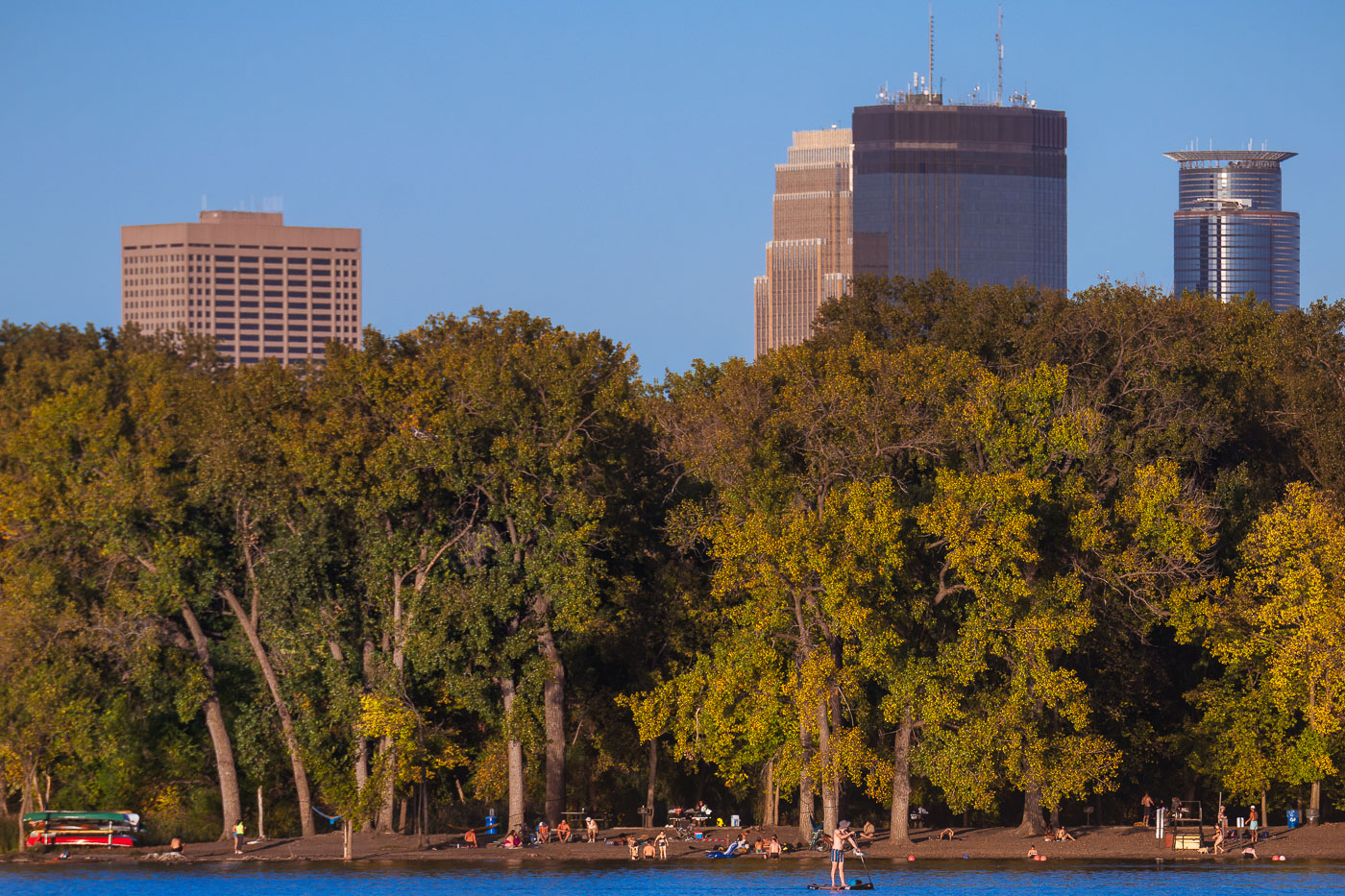 View full post: Downtown Minneapolis Towers Seen from Hidden Beach on Cedar Lake
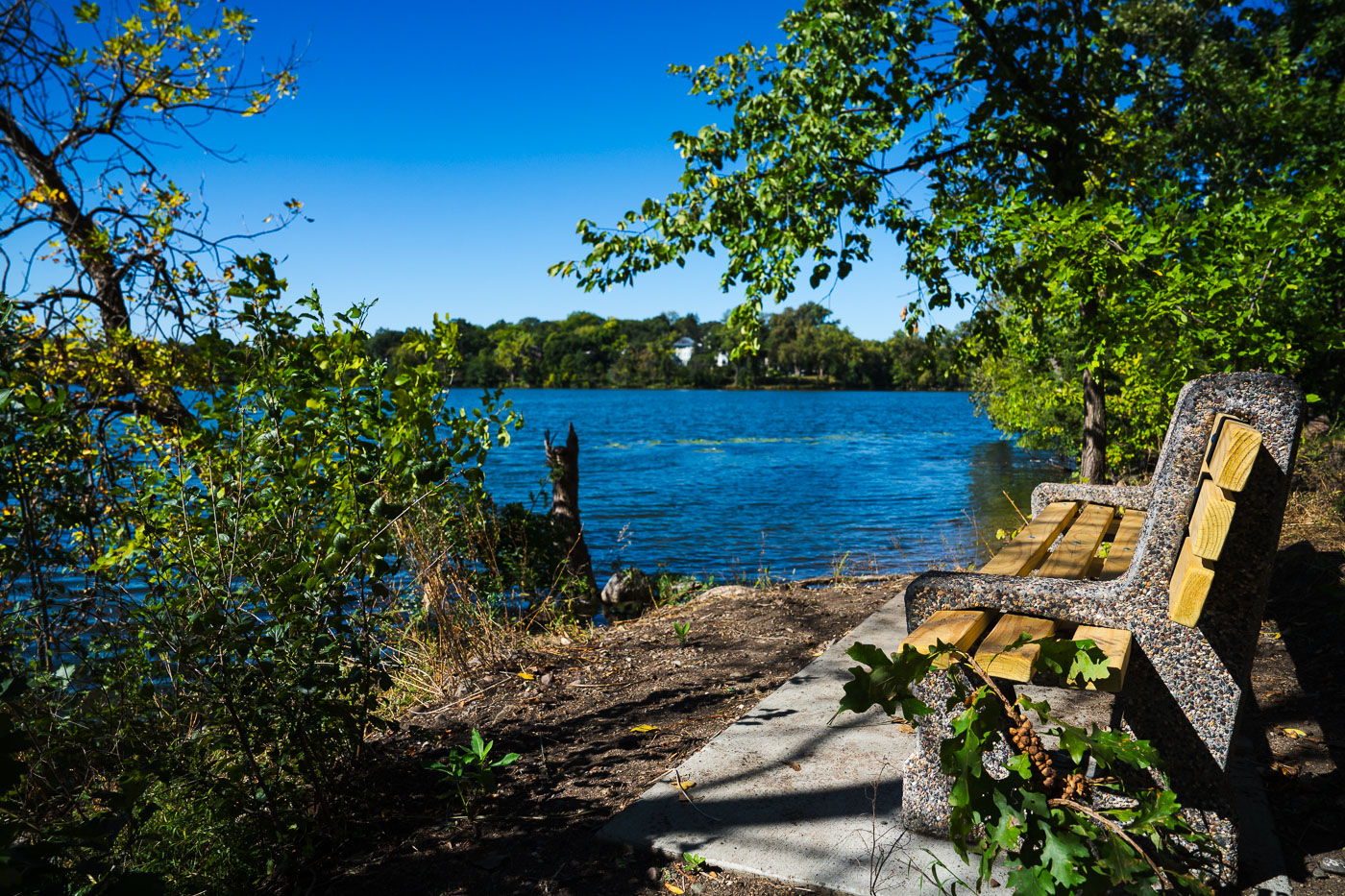 View full post: A Memorial Bench Overlooking Cedar Lake
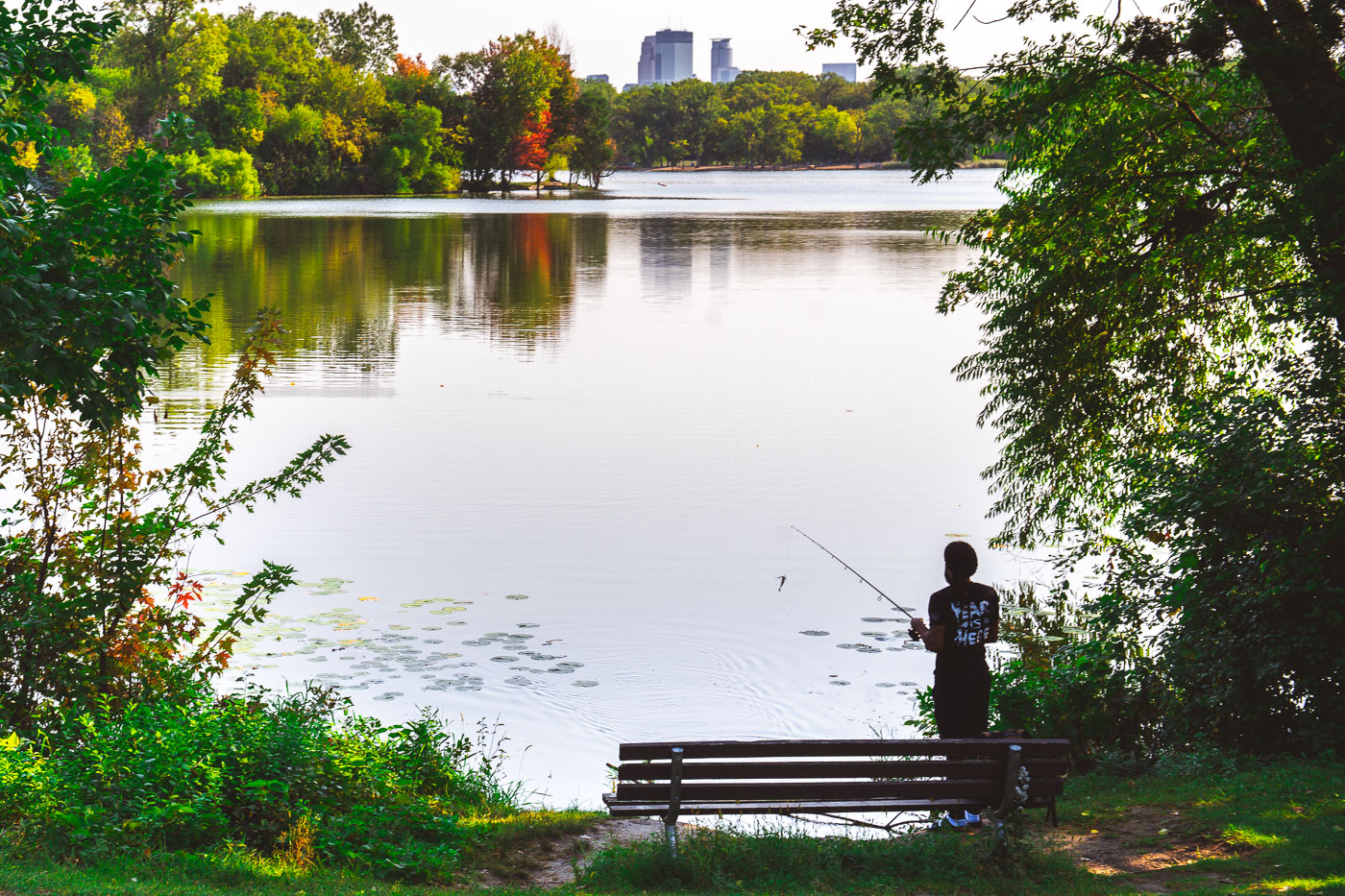 View full post: Angler Casts a Line into Cedar Lake Near Downtown Minneapolis
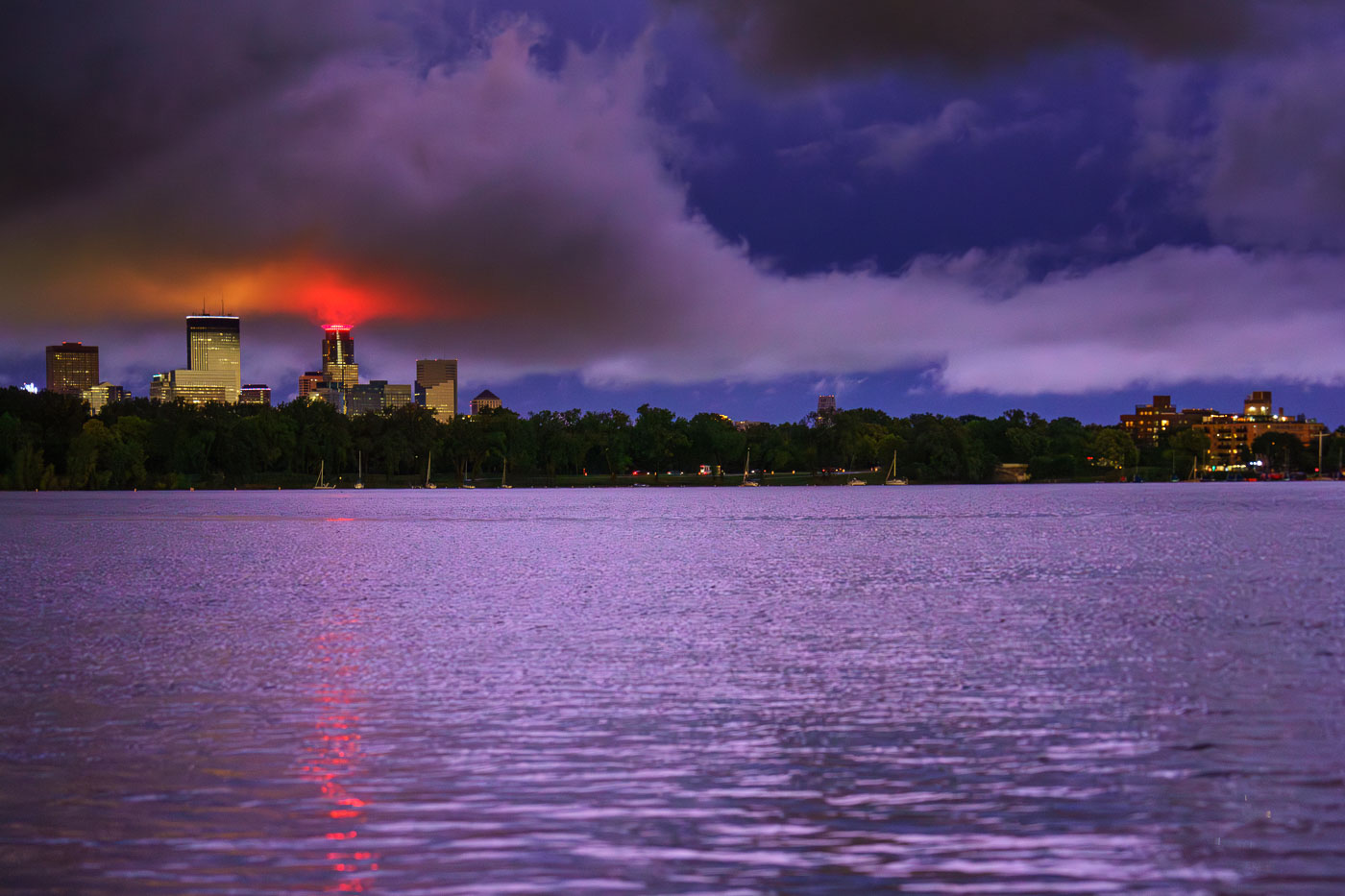 View full post: Storm Clouds Glow Red Over the Minneapolis Skyline From Bde Maka Ska
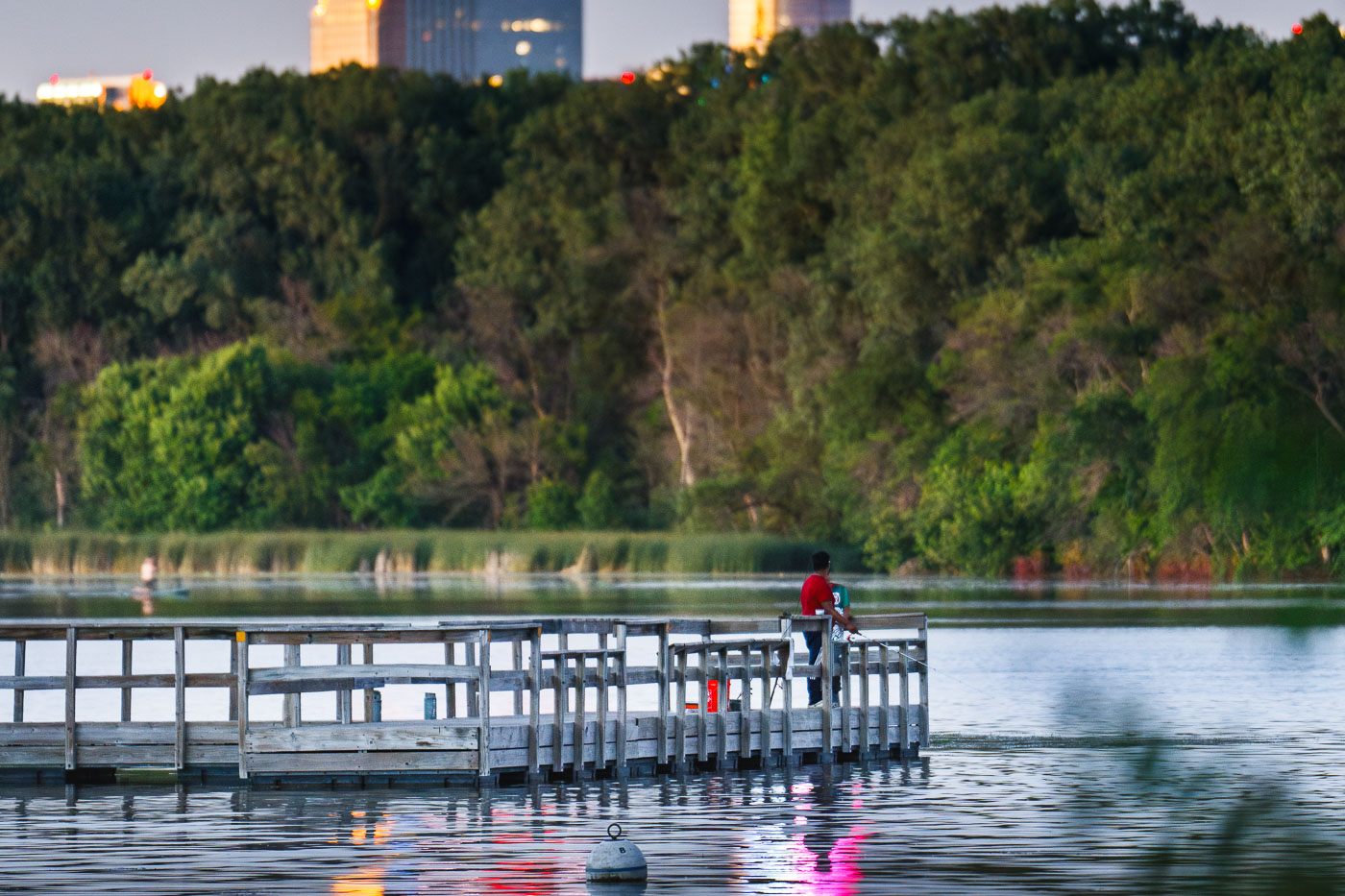 View full post: Fishing Pier on Cedar Lake With the Downtown Skyline Beyond
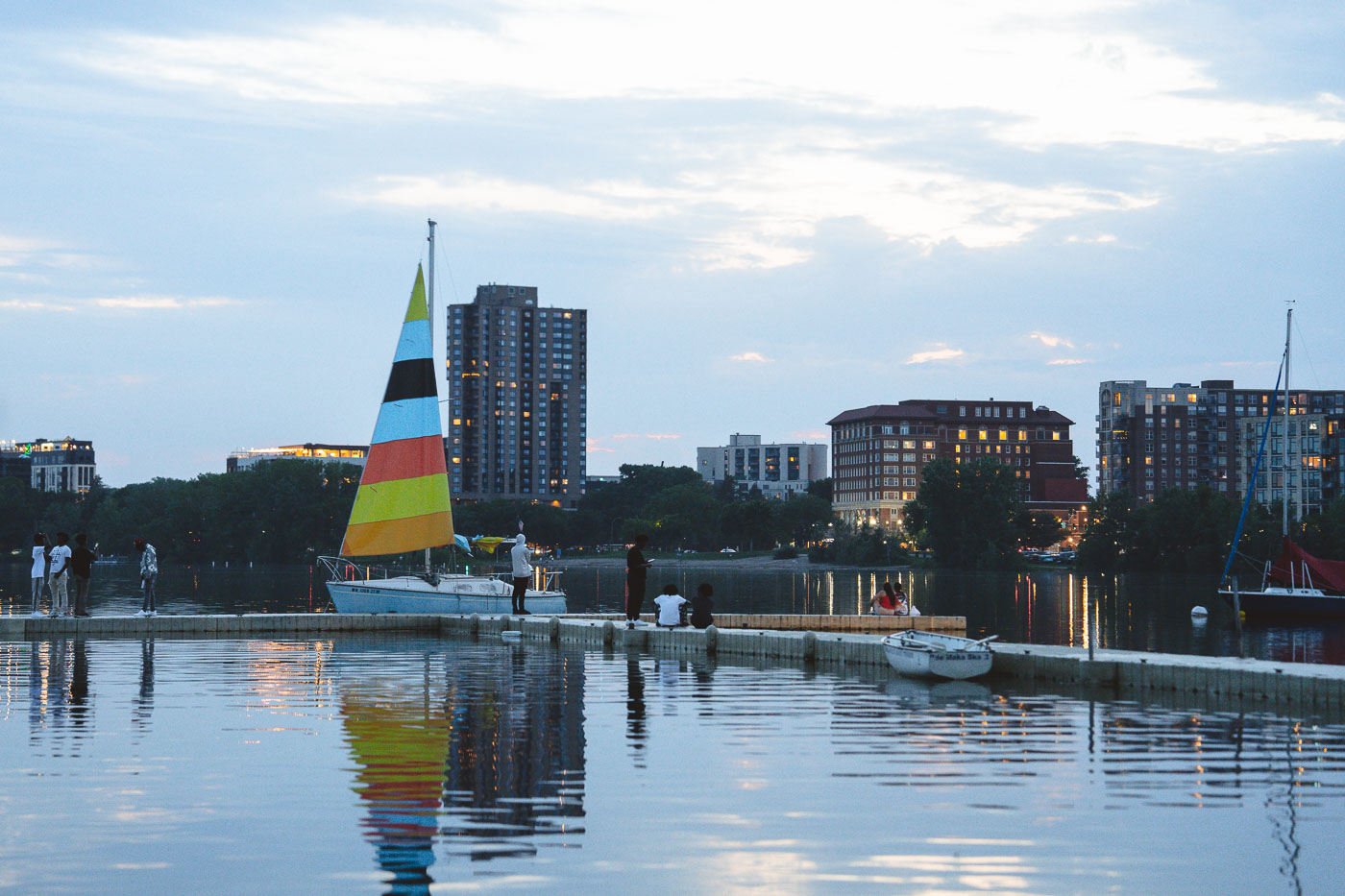 View full post: Colorful Sailboat at Dusk on Bde Maka Ska
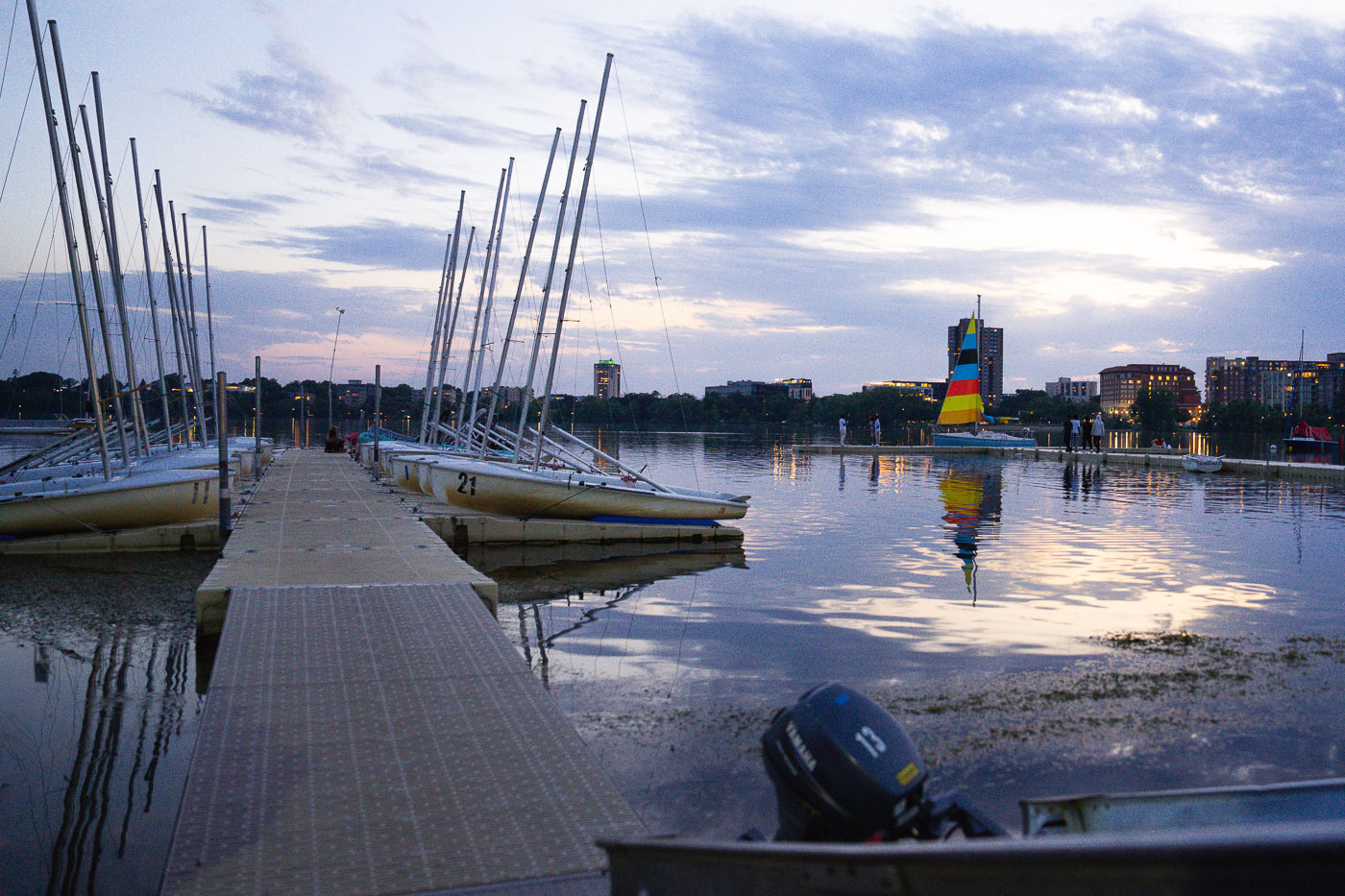 View full post: Dusk at the Bde Maka Ska Sailboat Dock, Minneapolis
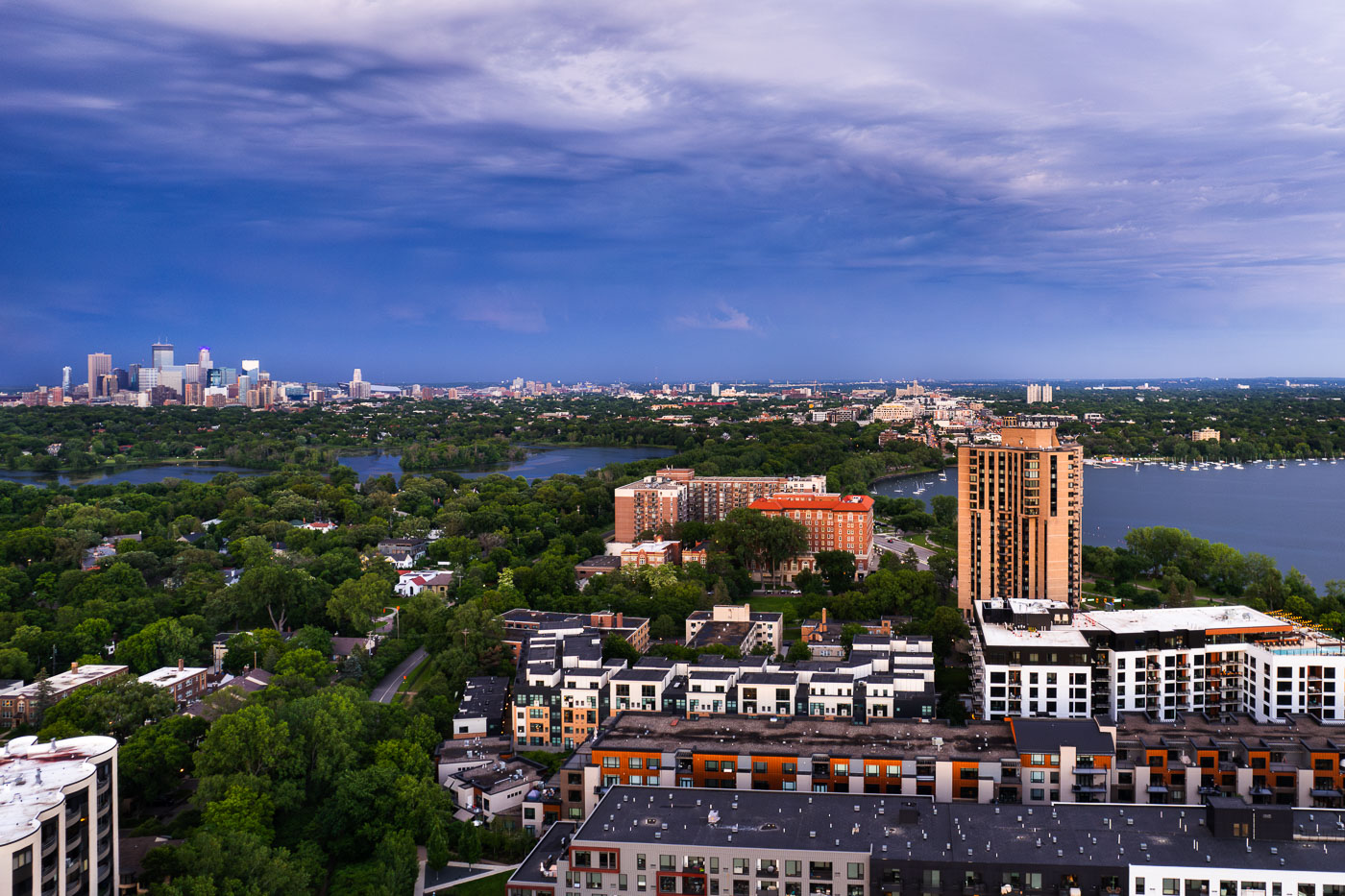 View full post: Aerial View of Uptown and Downtown Minneapolis After a Storm
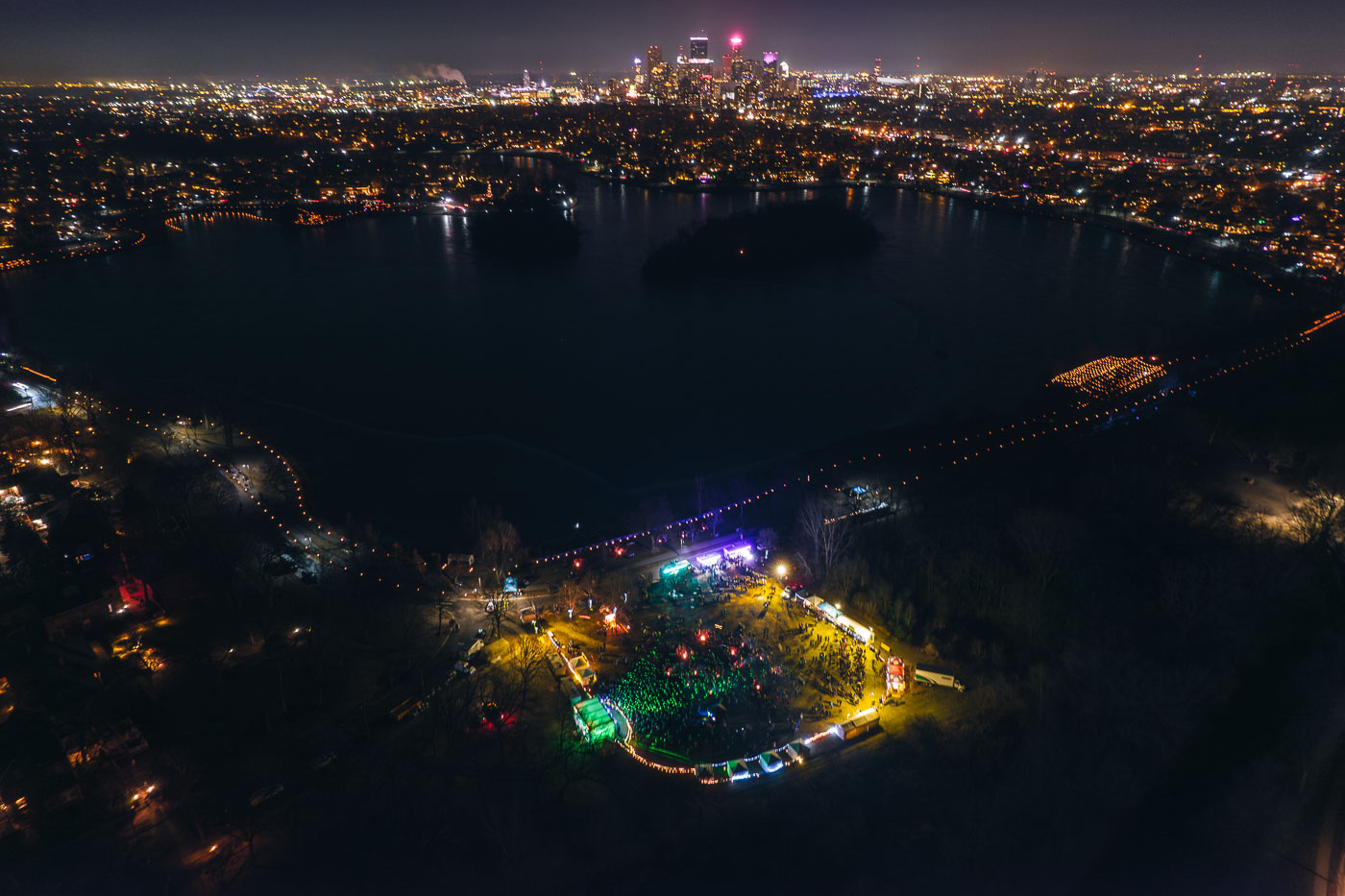 View full post: Aerial View of the Luminary Loppet Beside Lake of the Isles
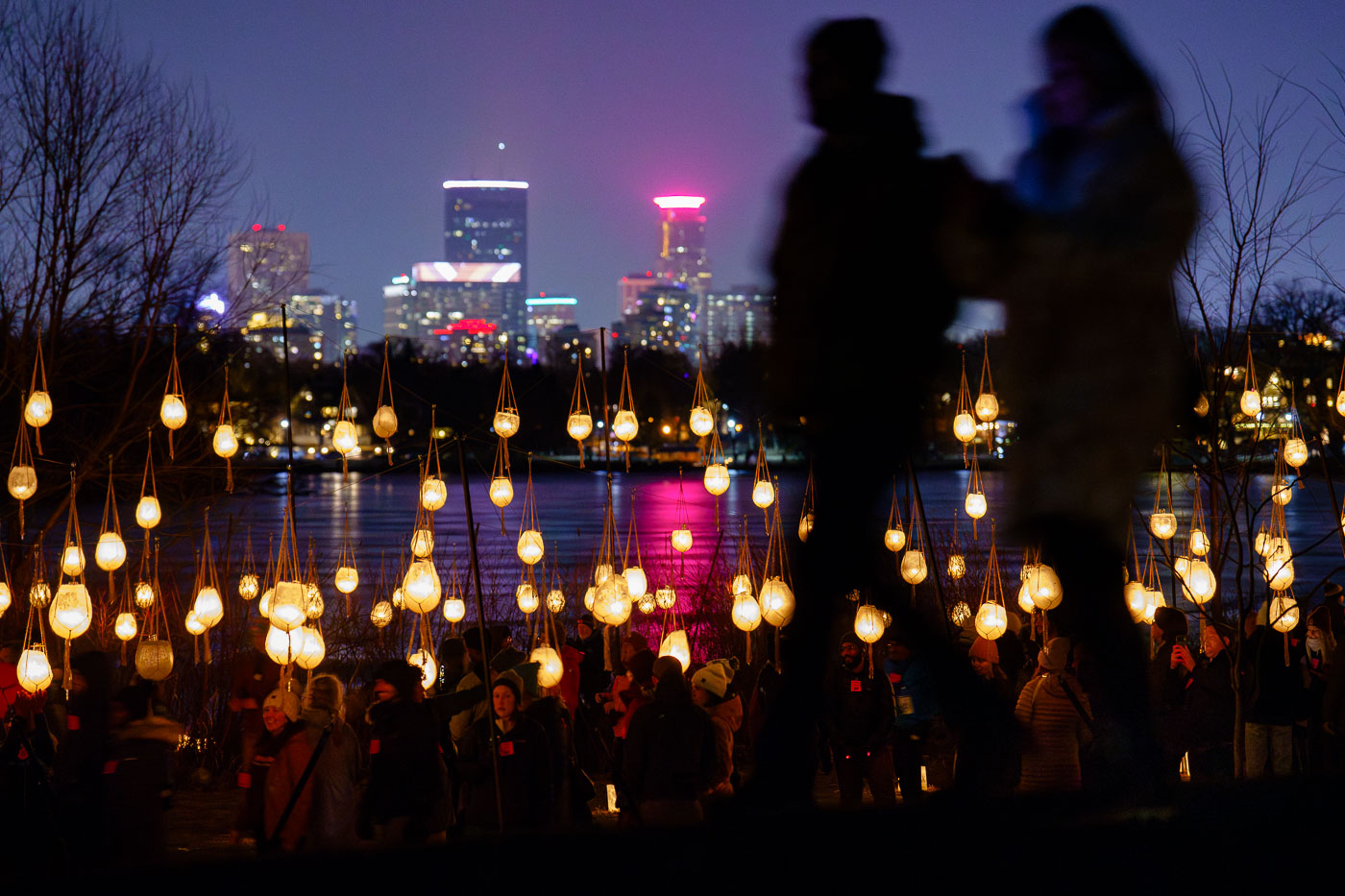 View full post: Luminary Loppet Luminaries, Lake of the Isles 2024
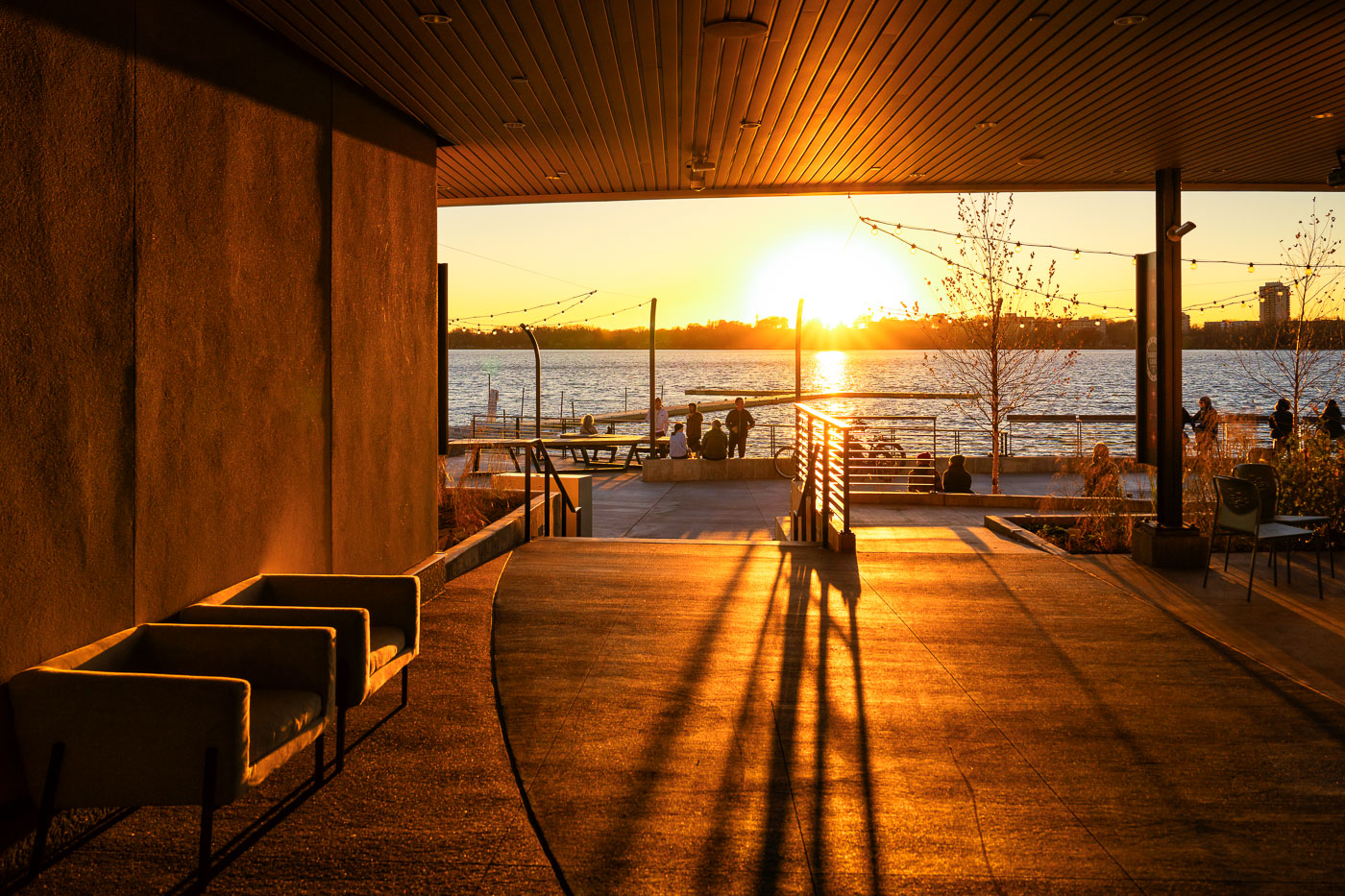 View full post: Sunset Light Inside the Bde Maka Ska Pavilion
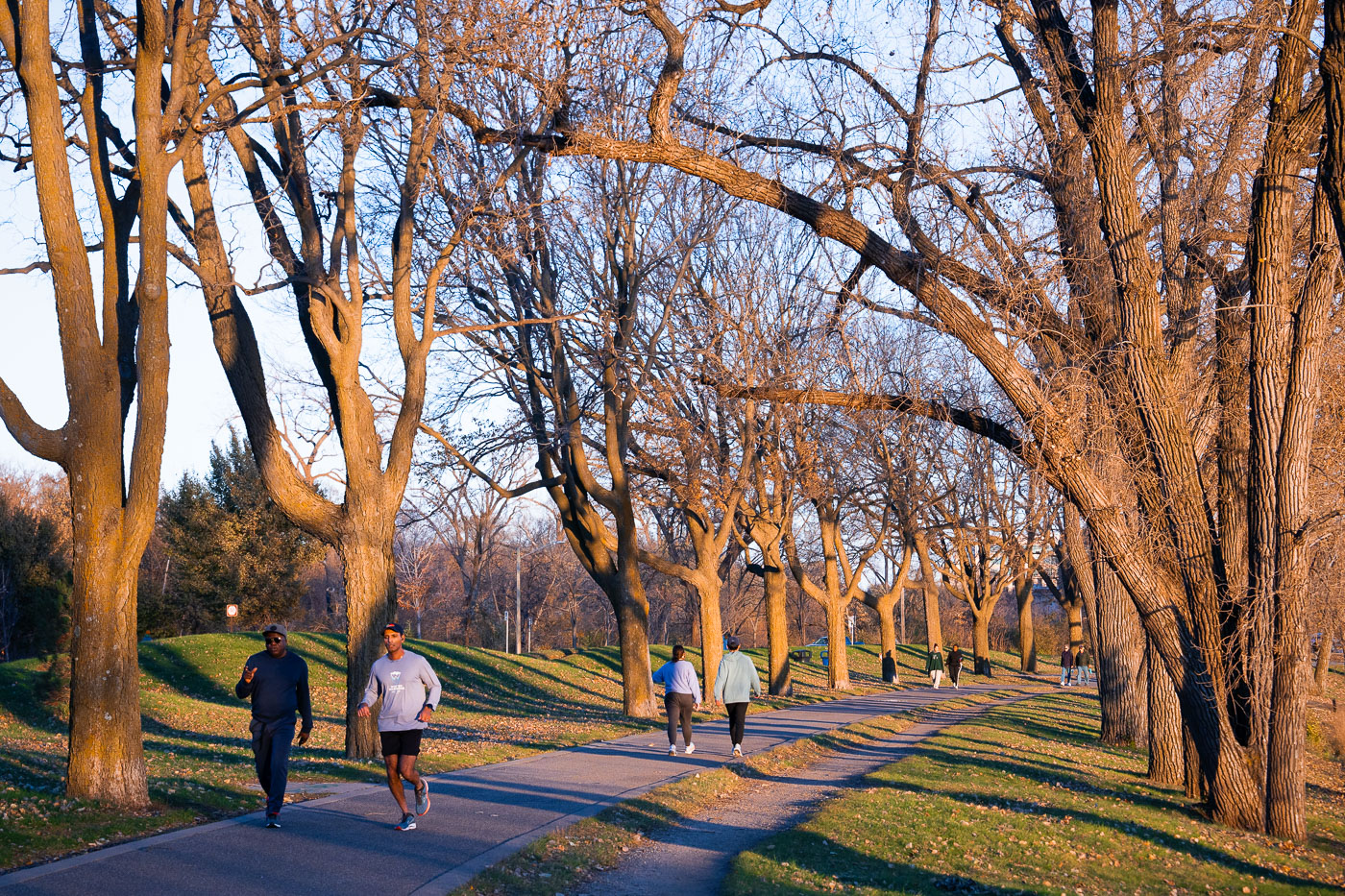 View full post: Golden Hour Walkers Along the Bde Maka Ska Path
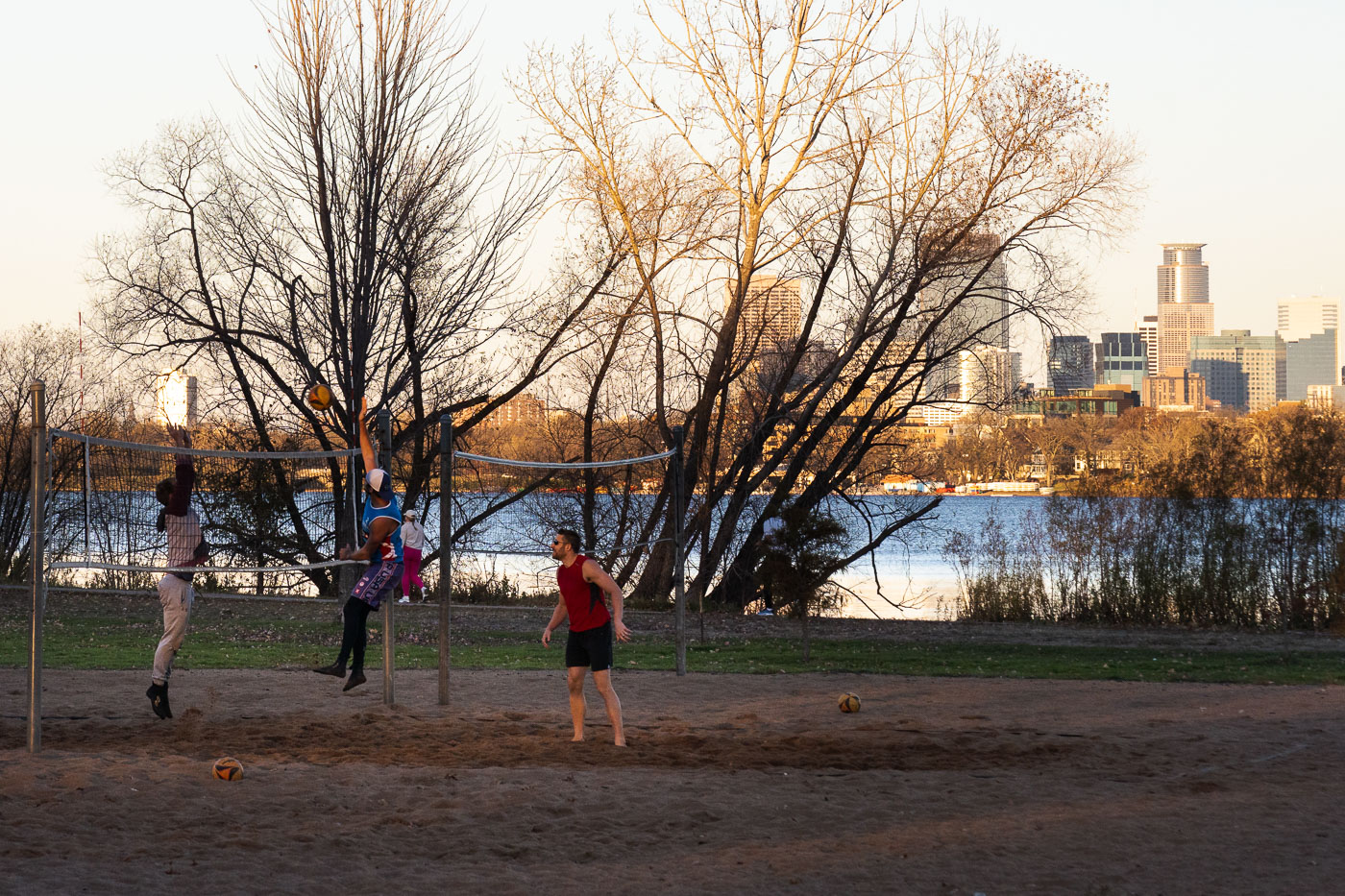 View full post: Sand Volleyball at Sunset on Bde Maka Ska
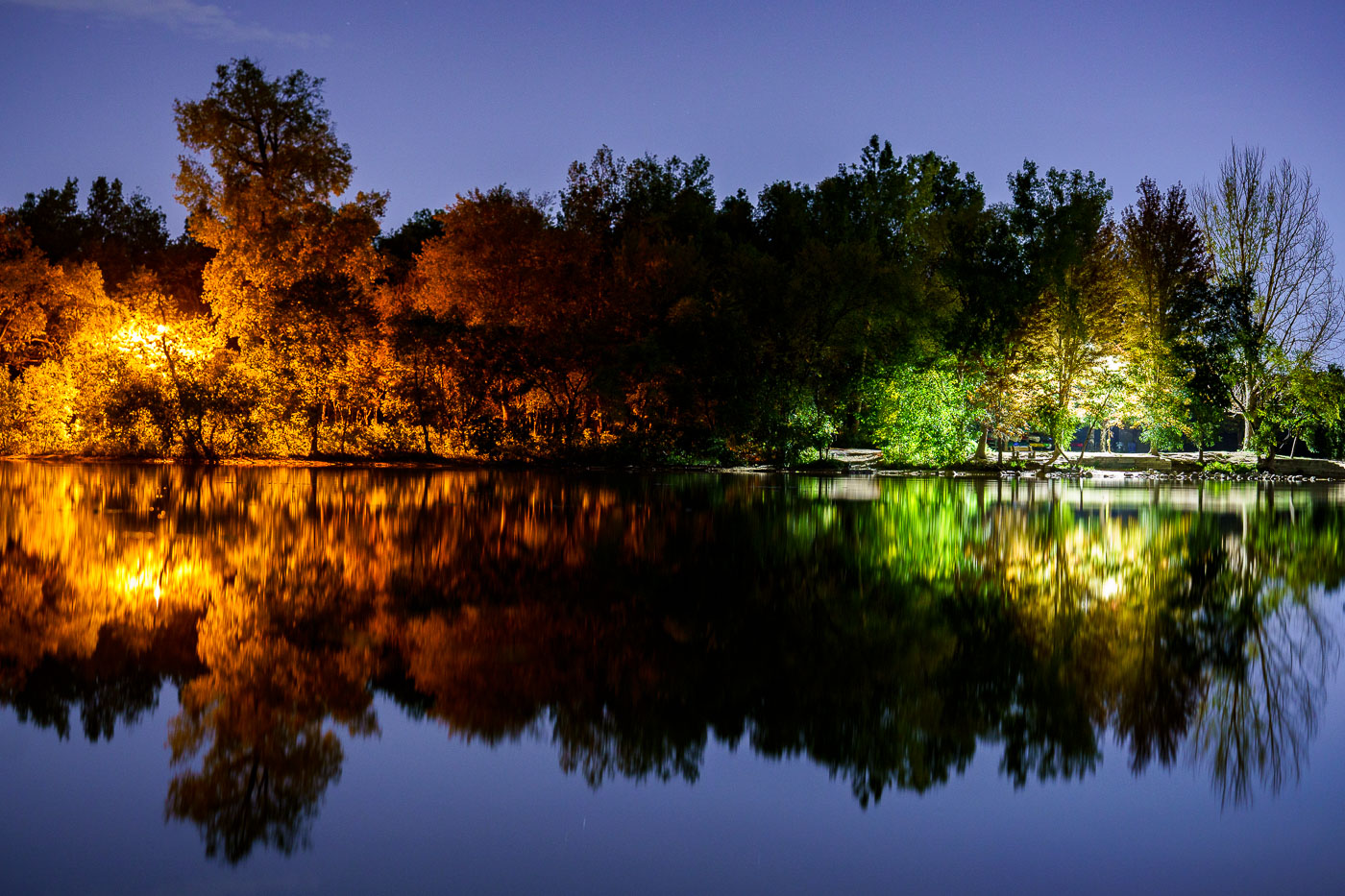 View full post: Autumn Trees Reflected in Cedar Lake, Minneapolis
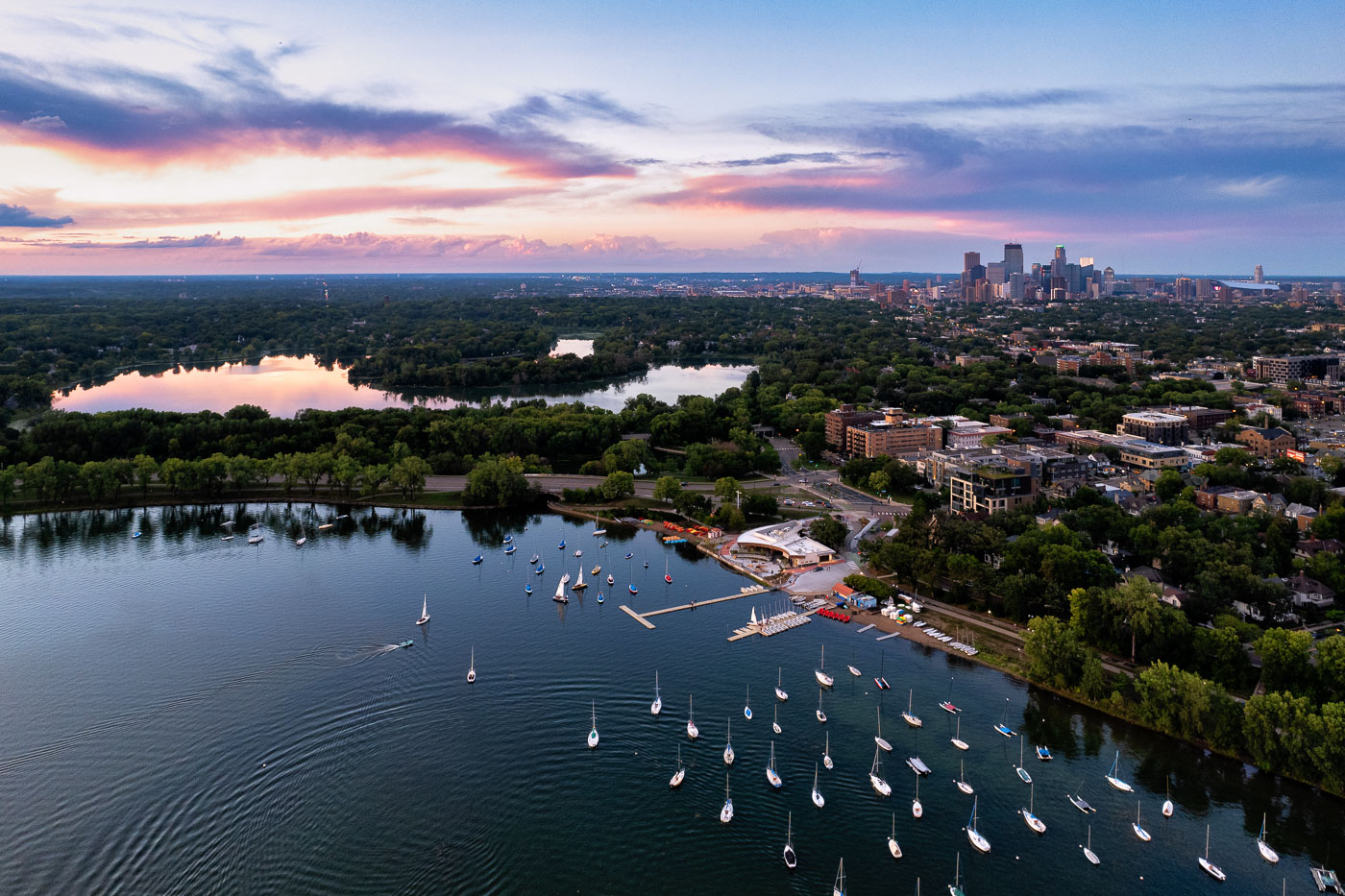 View full post: Sailboats and a colorful sunset
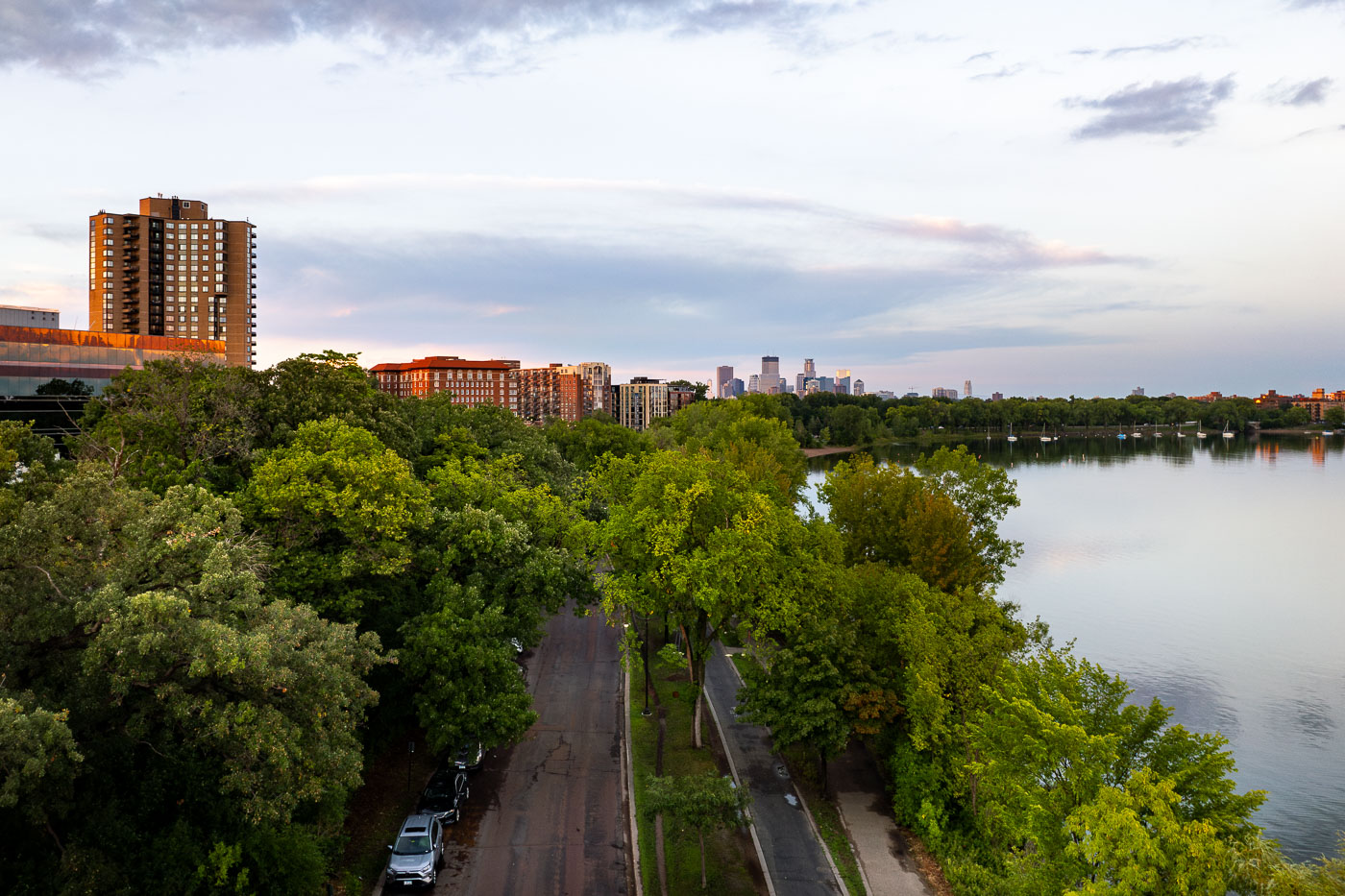 View full post: Grand Rounds Scenic Byway in Minneapolis
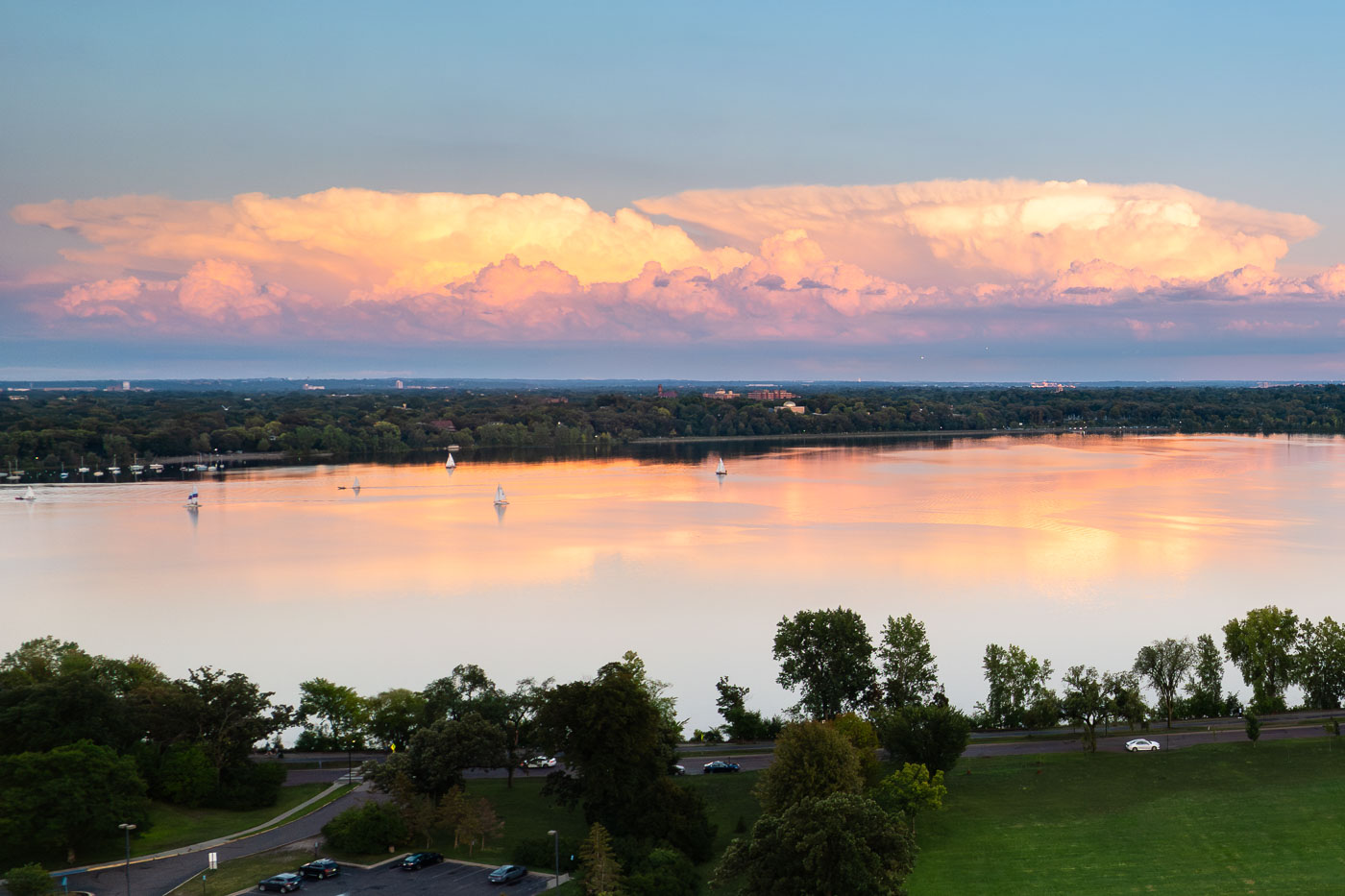 View full post: Bde Maka Ska Lake Sunset Clouds Minneapolis
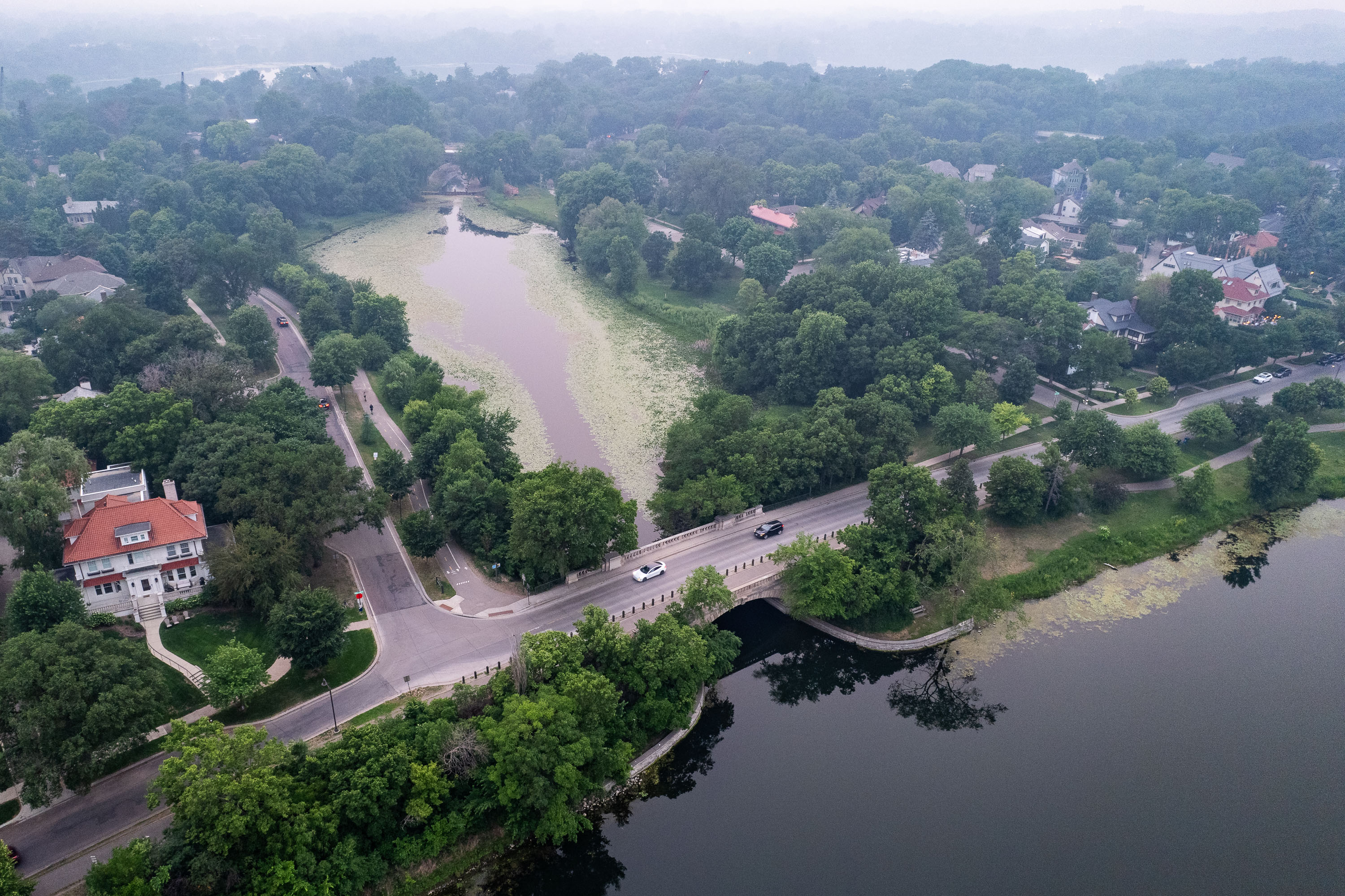 View full post: Hazy Skies Over the Channel Bridge at Lake of the Isles
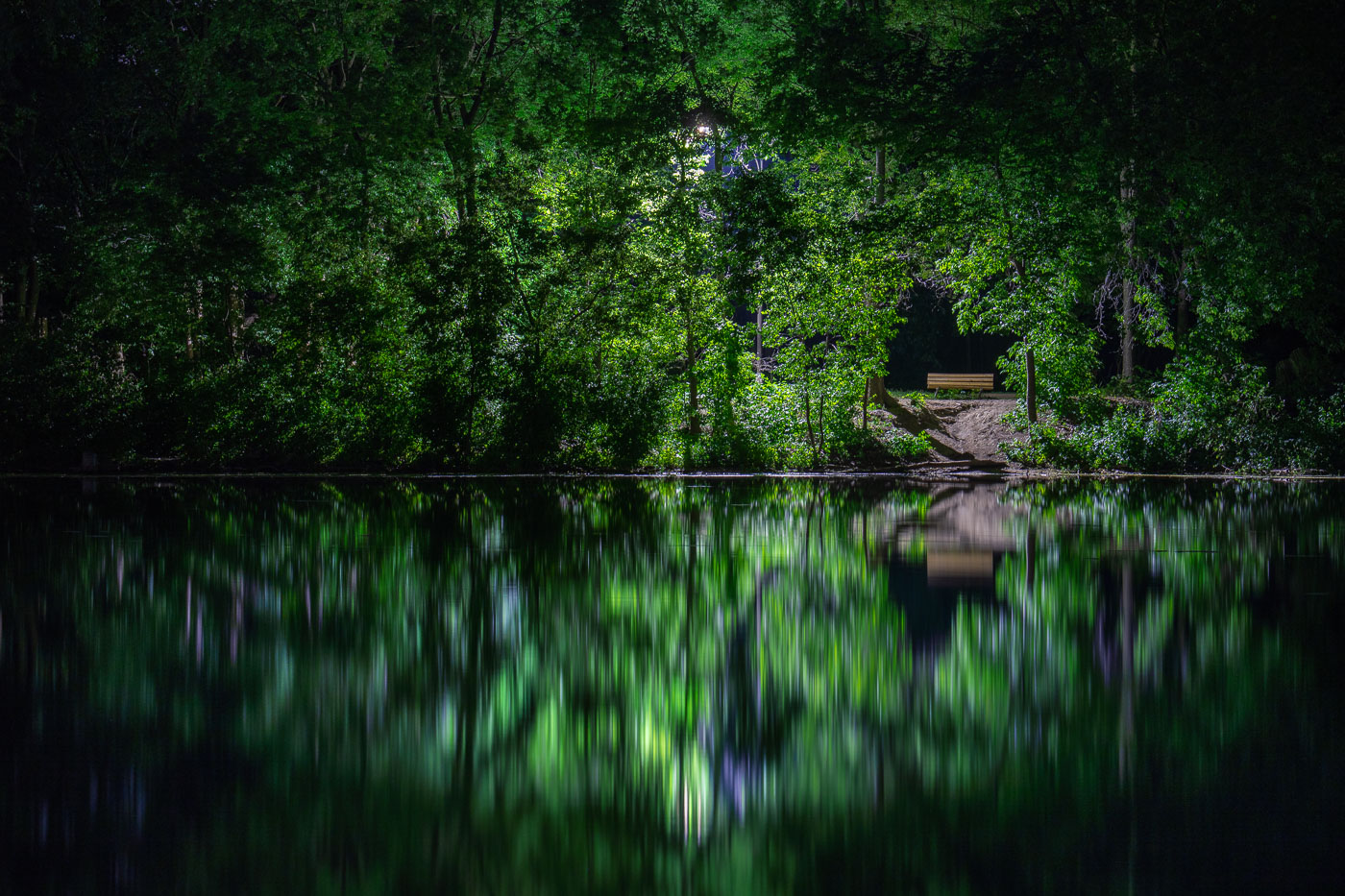 View full post: A Wooded Shoreline Path at Cedar Lake, Minneapolis
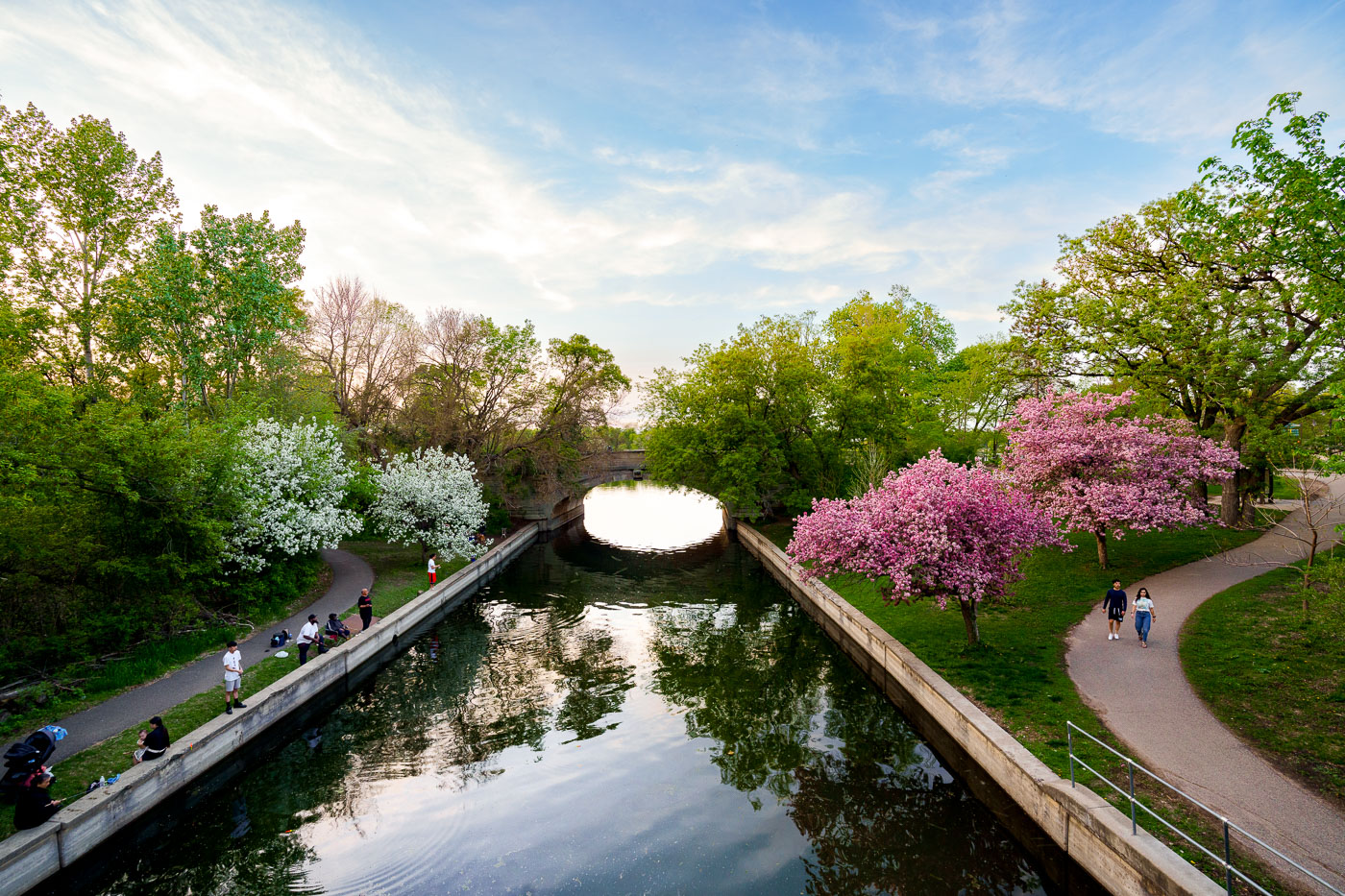 View full post: Crabapple Blossoms Along the Bde Maka Ska-Lake of the Isles Channel
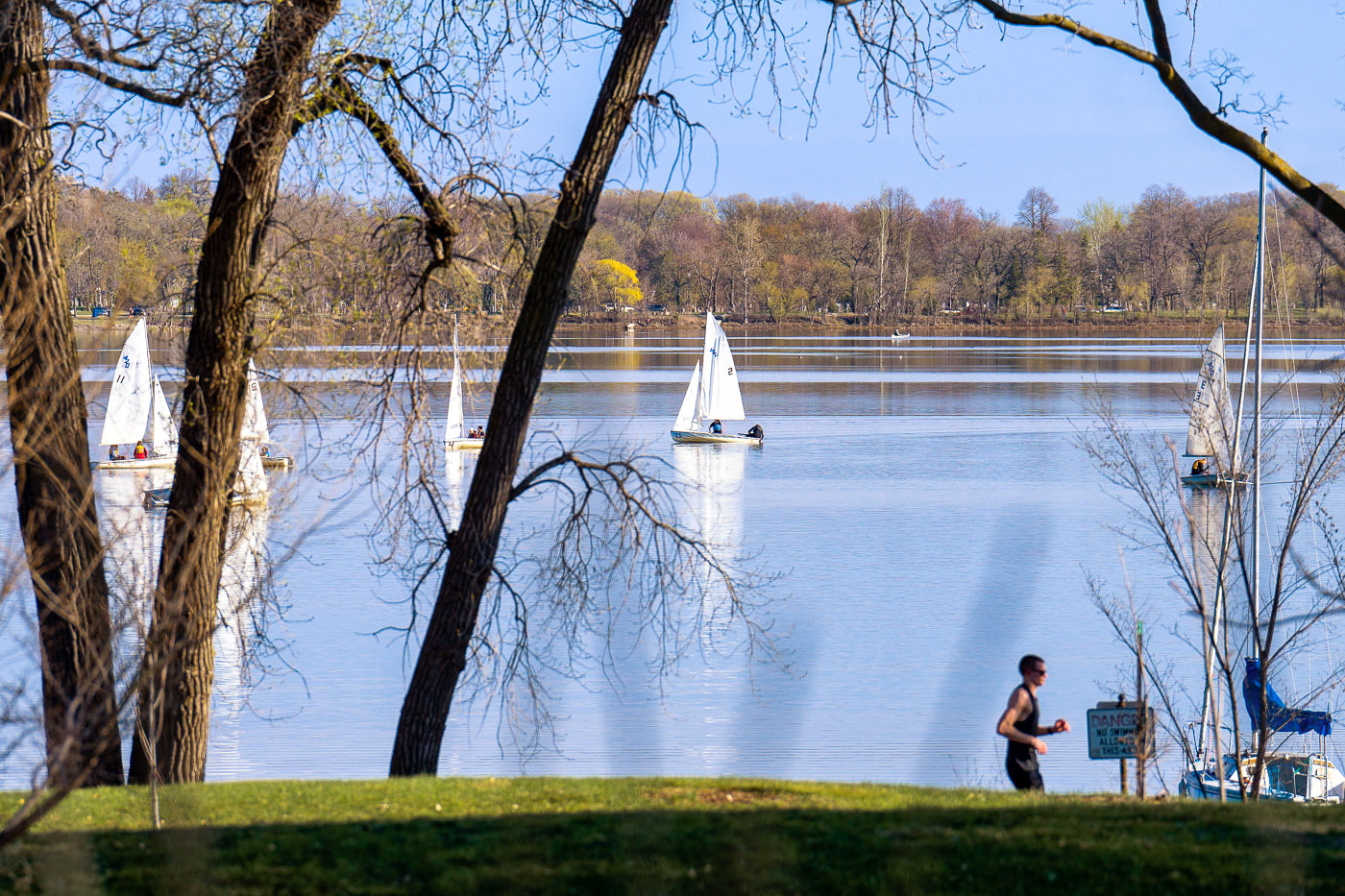 View full post: Jogger and Sailboats Along Bde Maka Ska in Spring
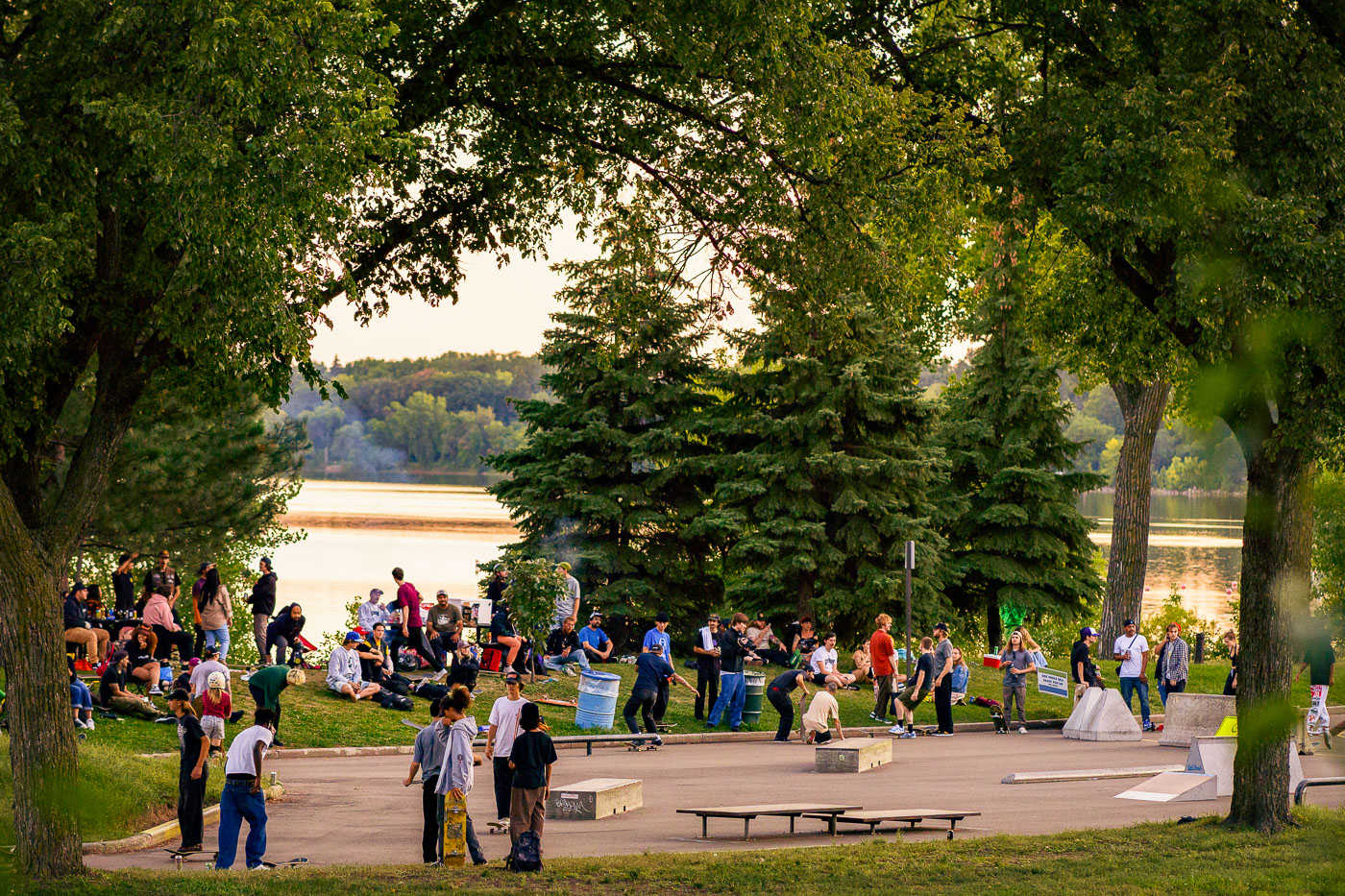 View full post: Evening Crowd at the Pop-Up Skate Park on Bde Maka Ska
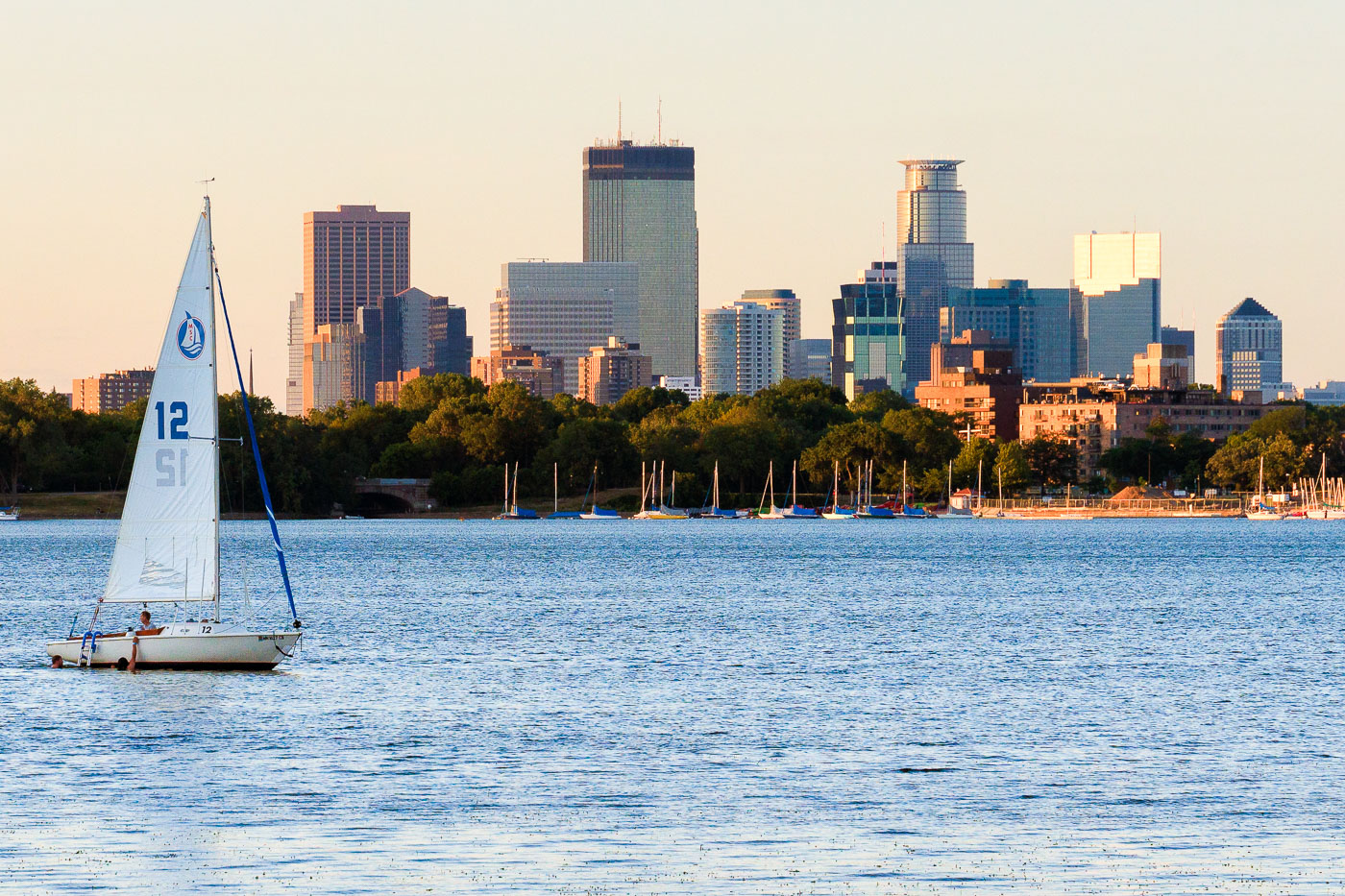 View full post: Sailboat on Bde Maka Ska Beneath the Minneapolis Skyline
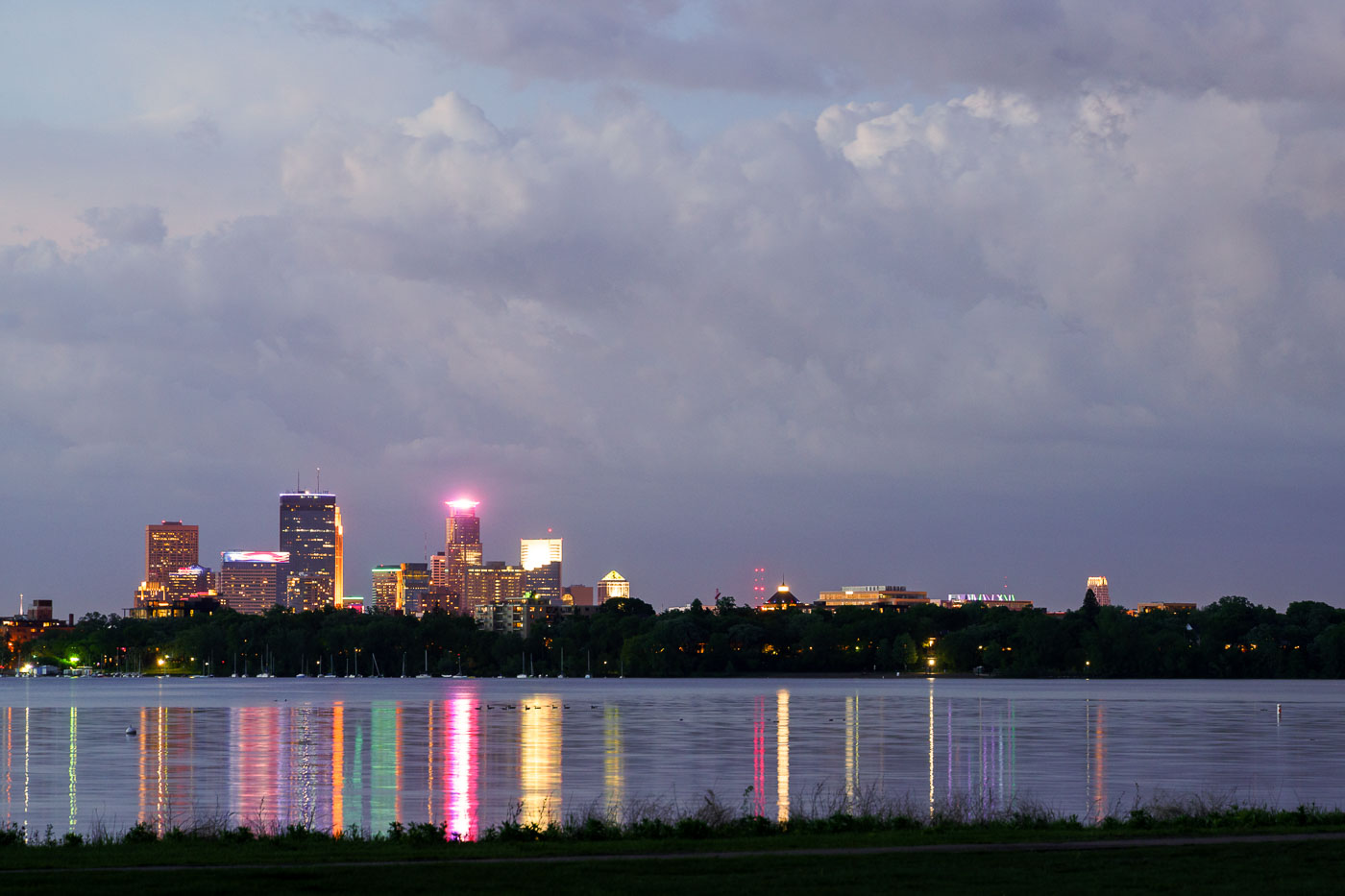 View full post: Storm Clouds Over the Minneapolis Skyline from Bde Maka Ska
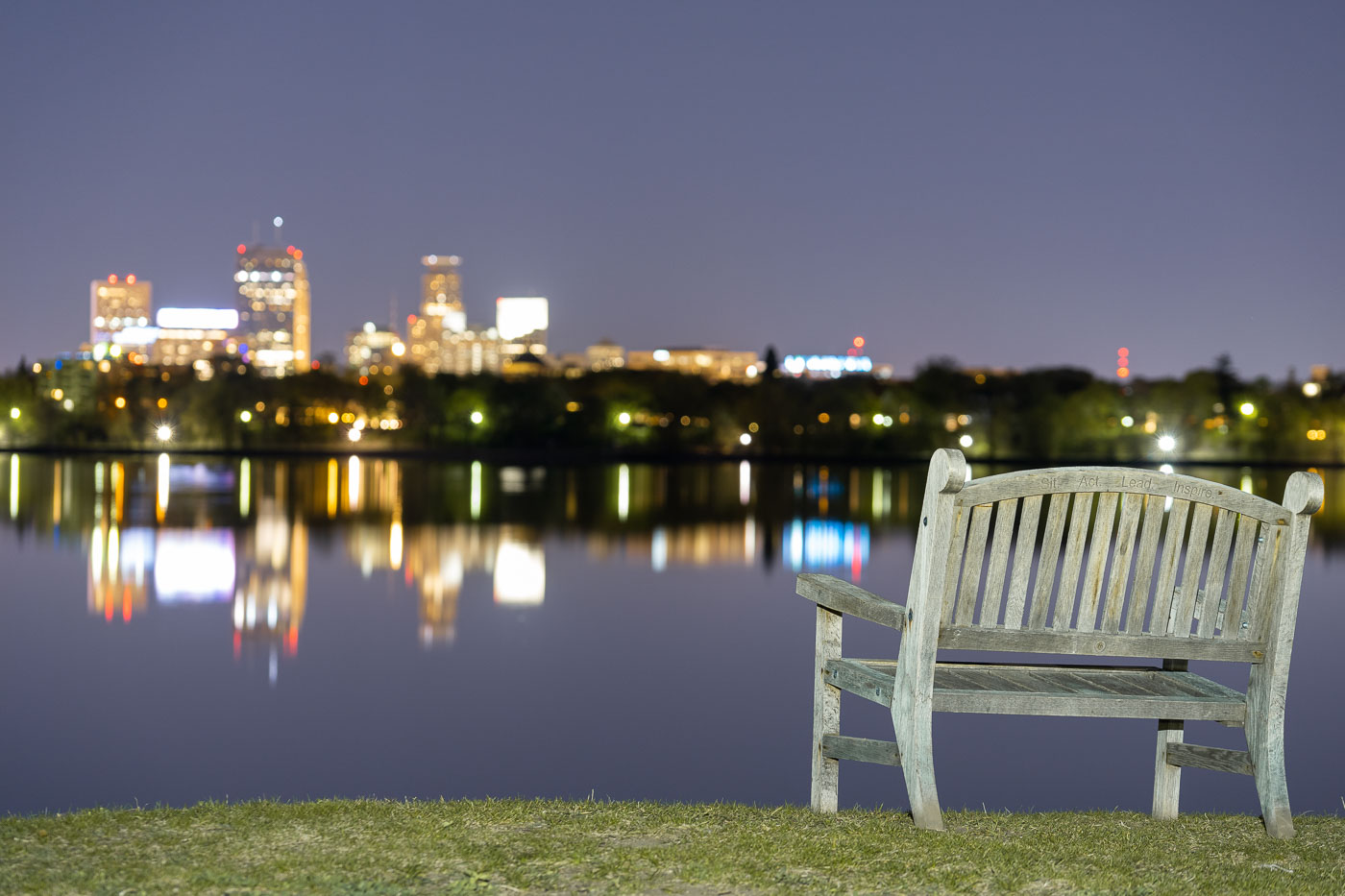 View full post: Night View of the Minneapolis Skyline from Bde Maka Ska
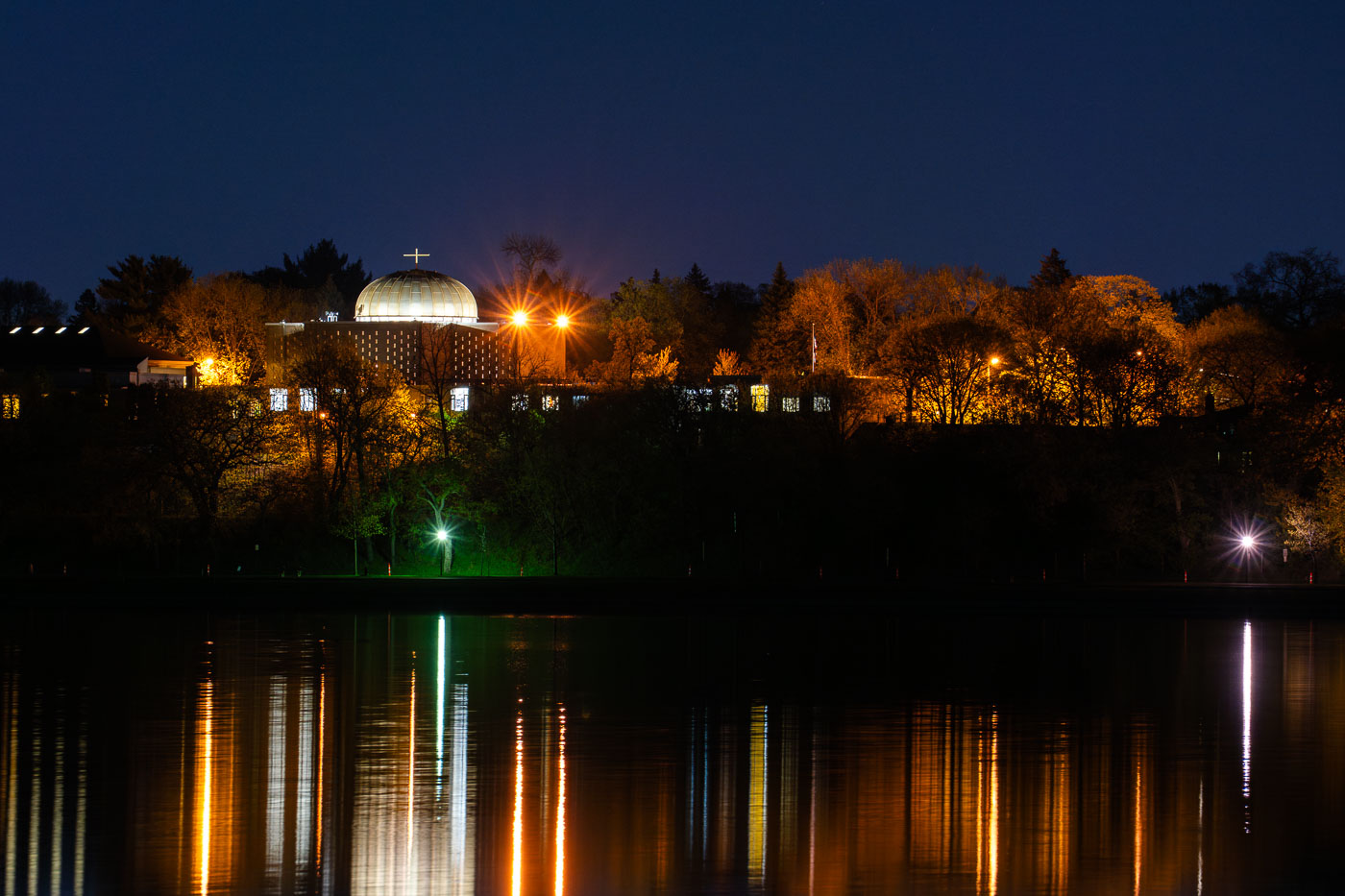 View full post: St. Mary’s Greek Orthodox Church at Night Across Bde Maka Ska
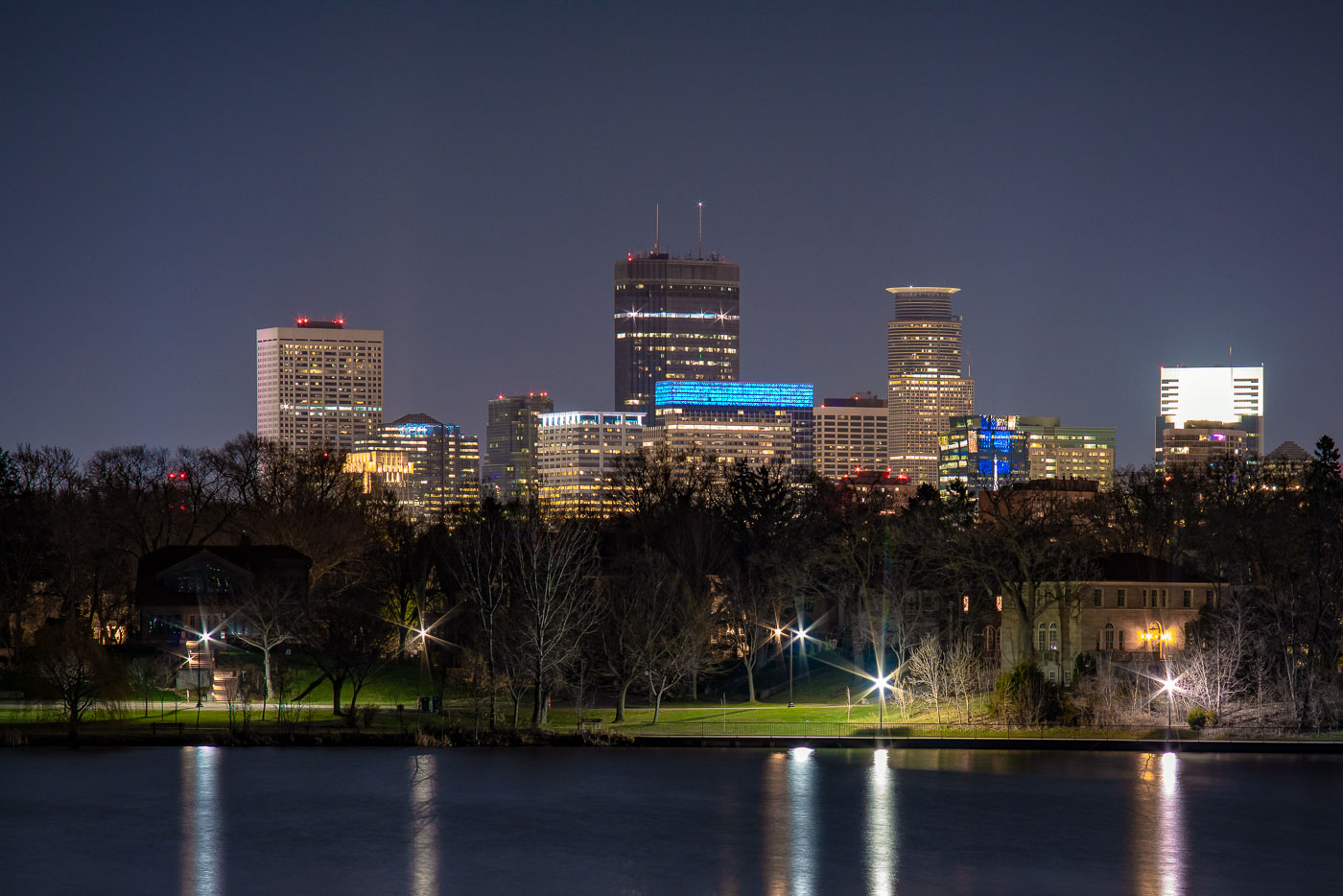 View full post: Minneapolis Skyline at Night from Lake of the Isles
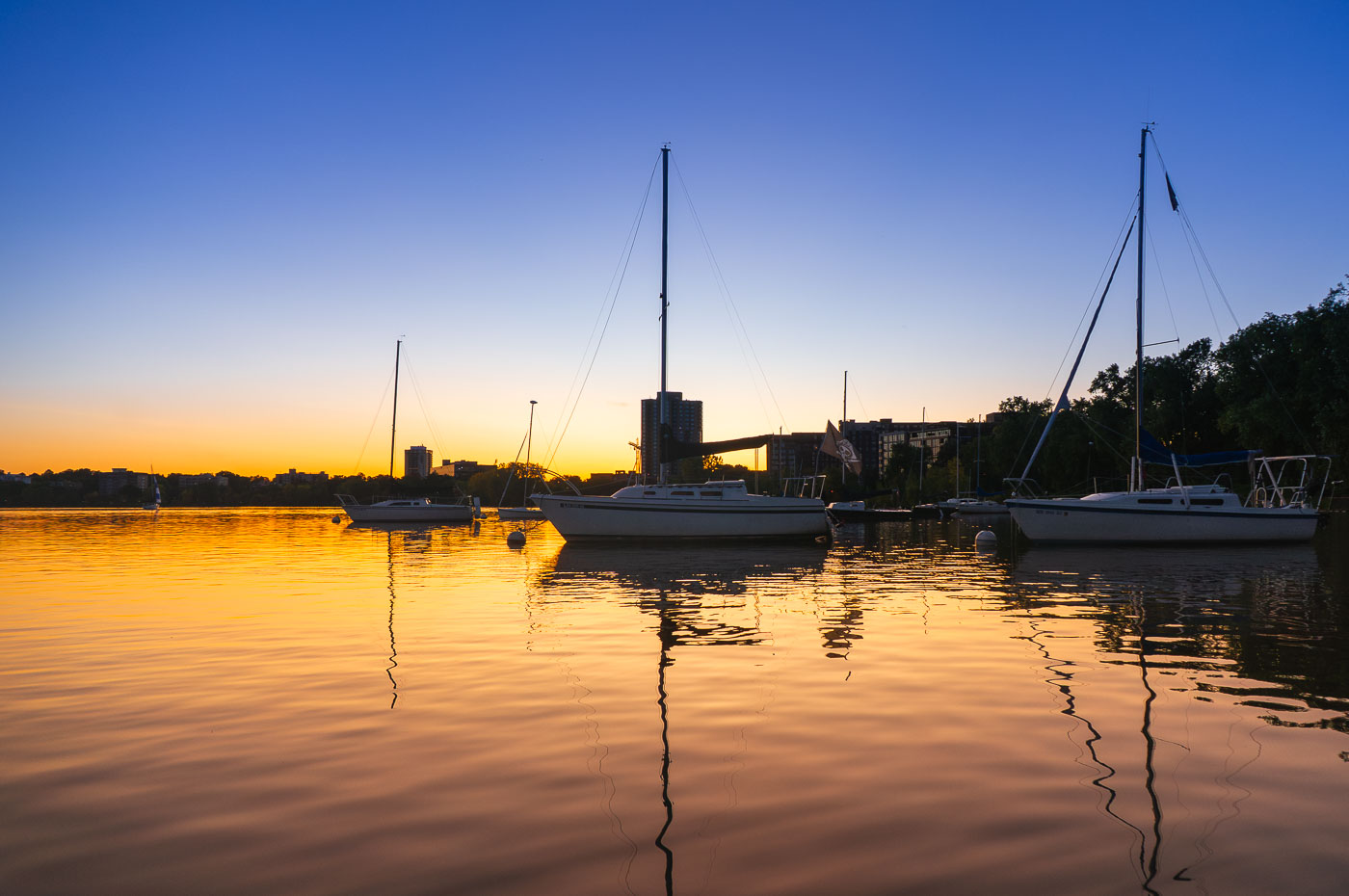 View full post: Sailboats Moored on Bde Maka Ska at Golden Hour
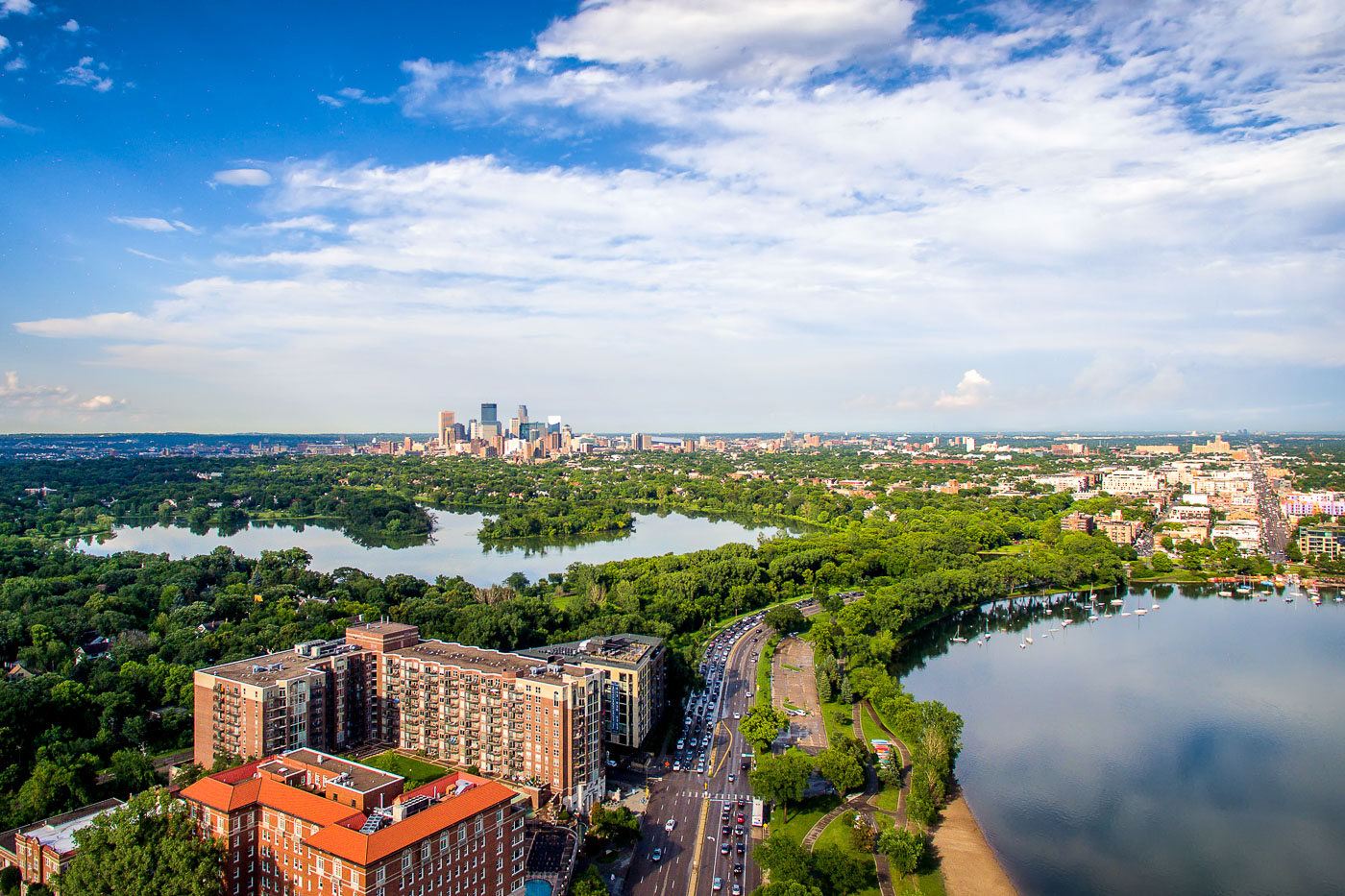 View full post: Downtown Minneapolis Skyline Beyond Bde Maka Ska and Lake of the Isles
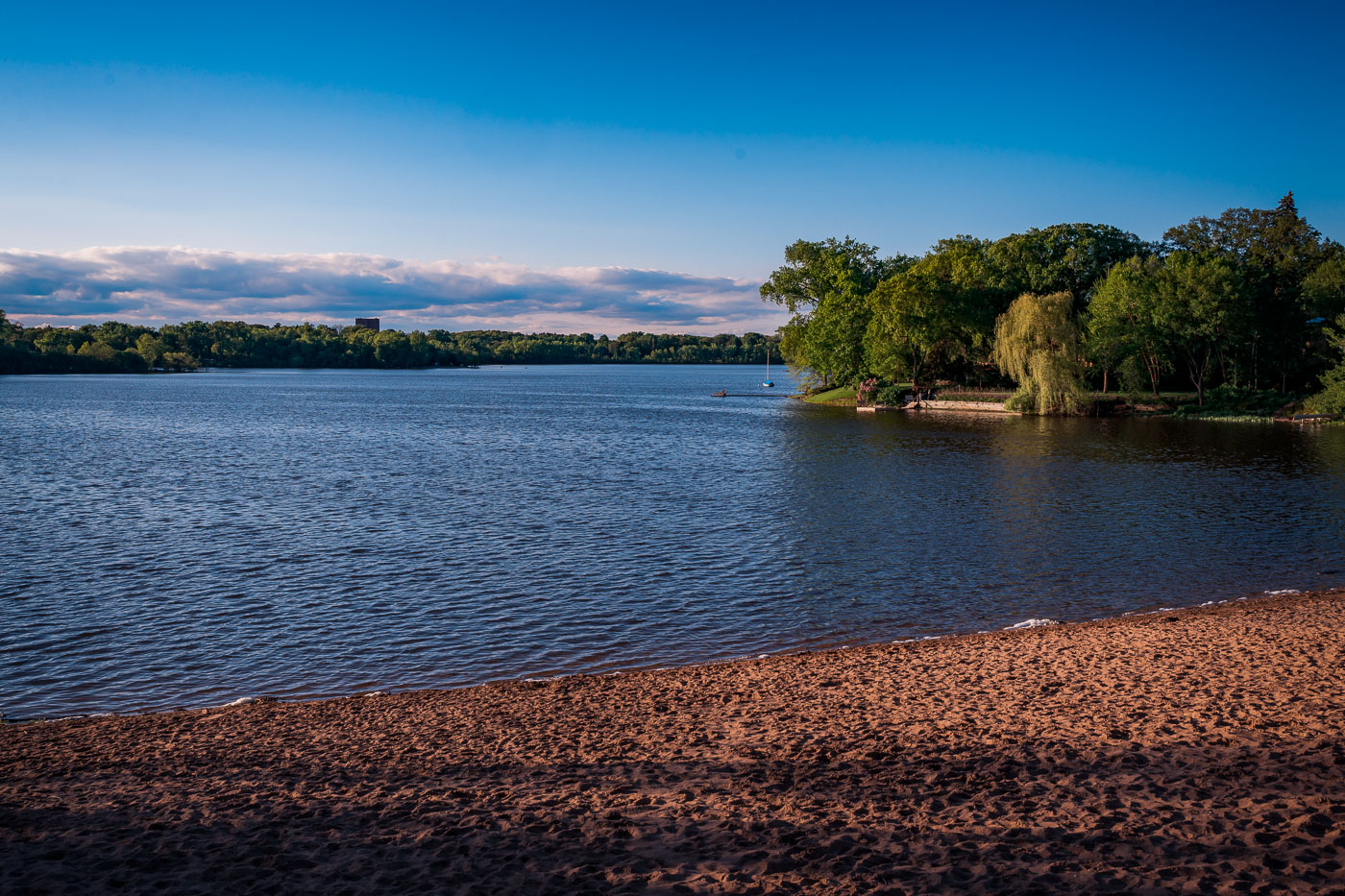 View full post: Sandy Shoreline at Cedar Lake South Beach
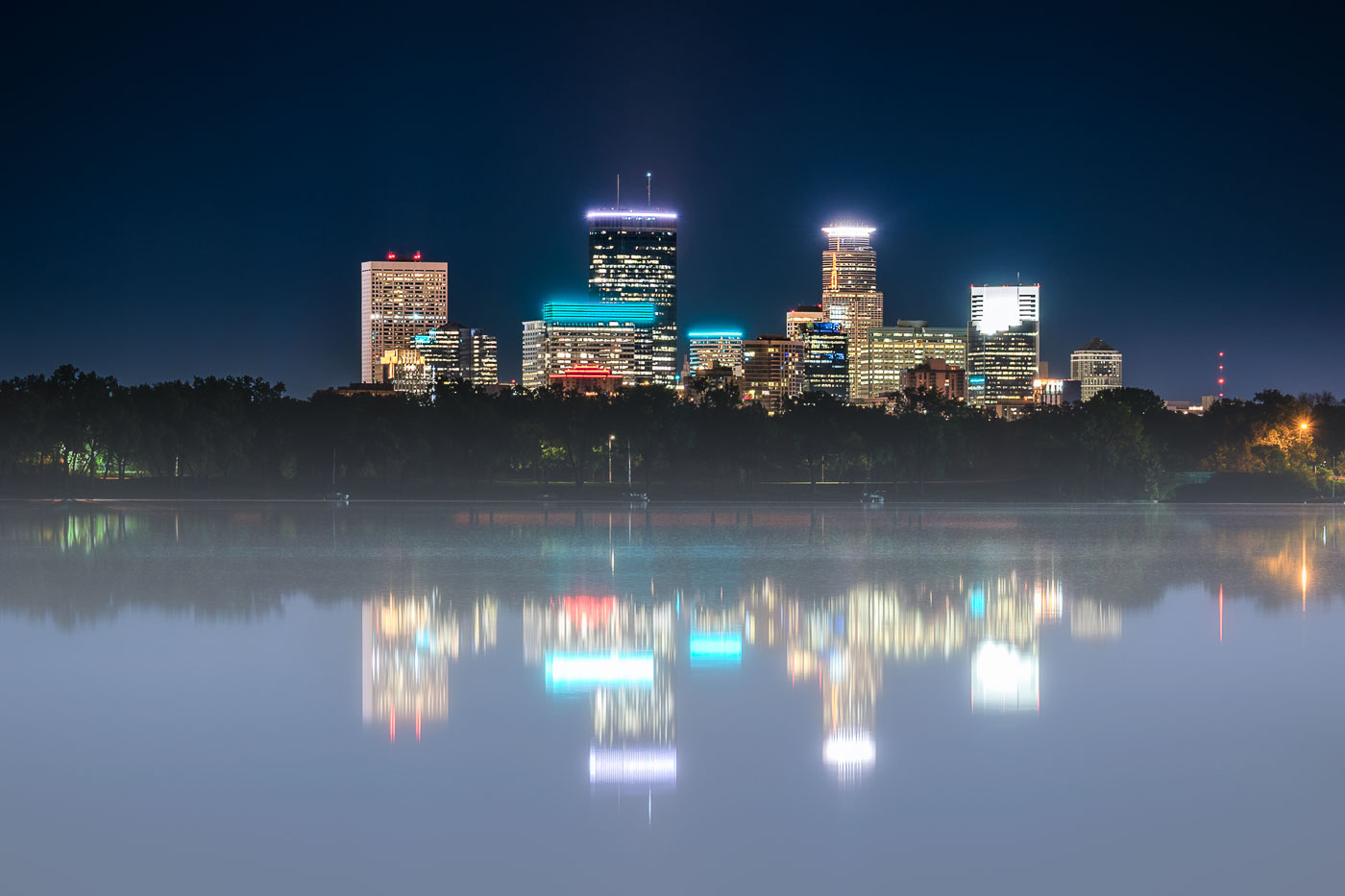 View full post: Foggy Night Reflection of the Minneapolis Skyline on Bde Maka Ska
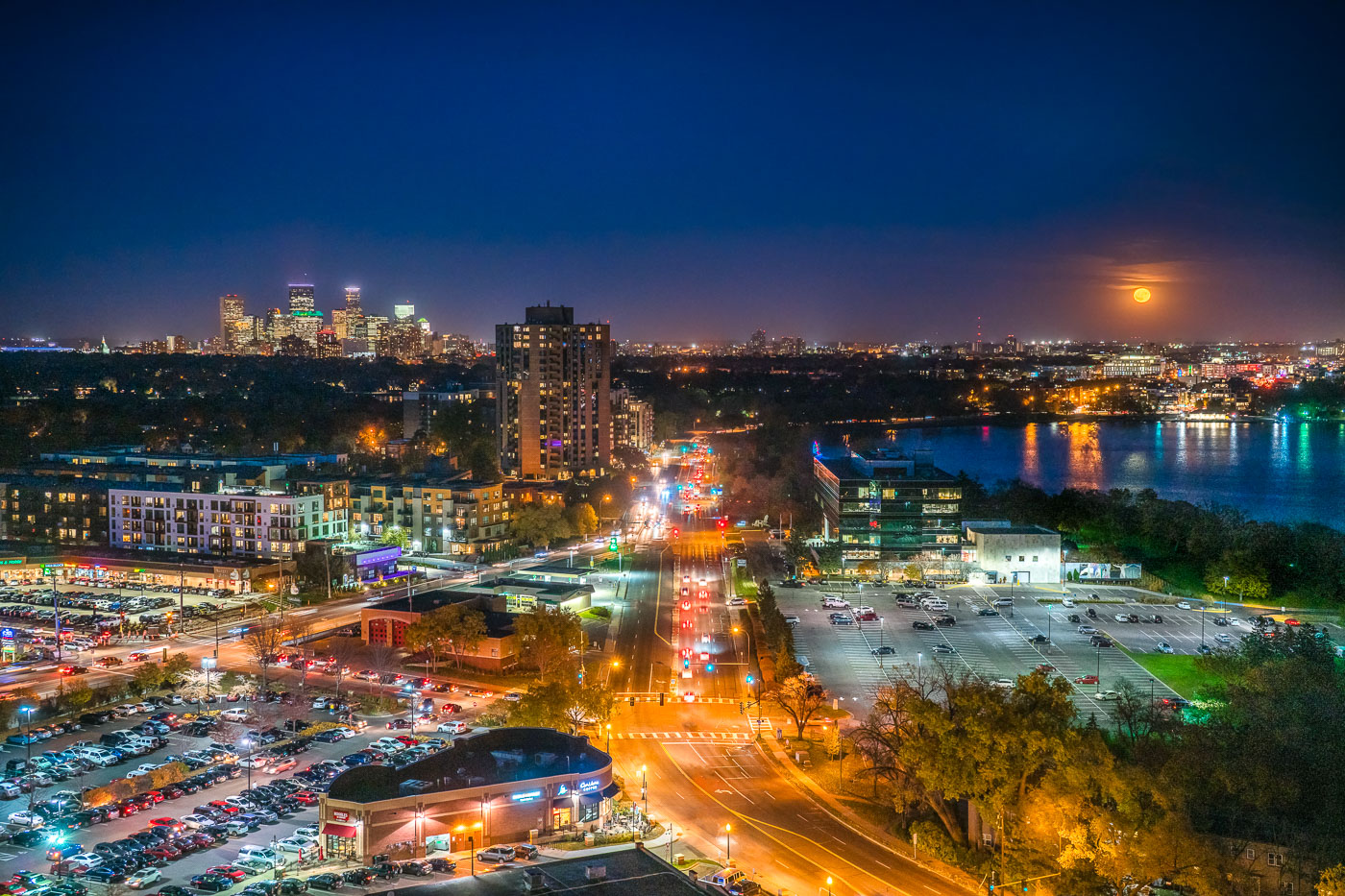 View full post: Minneapolis skyline and Bde Maka Ska under full moon
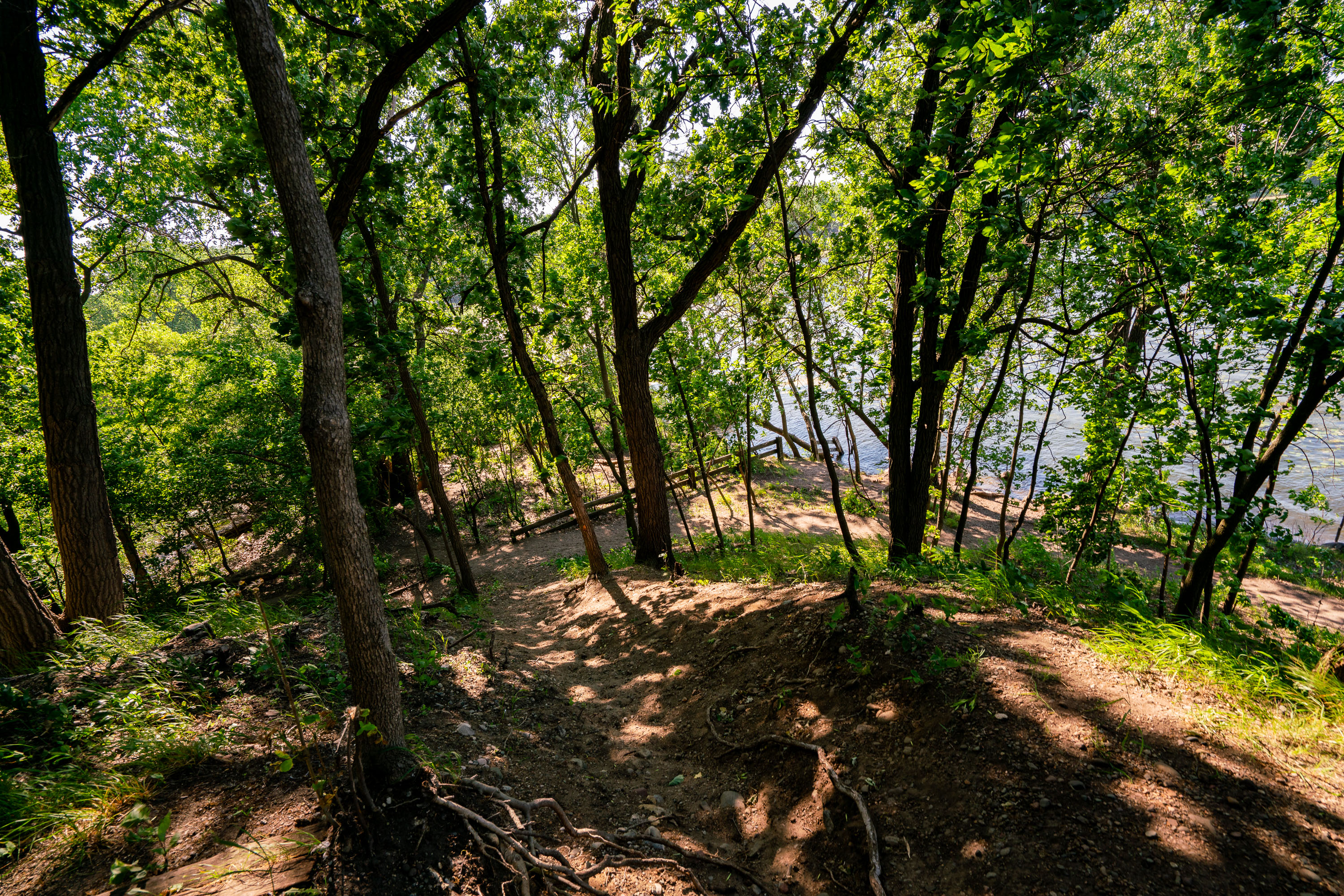 View full post: Wooded Trail Down to Cedar Lake’s North Shore
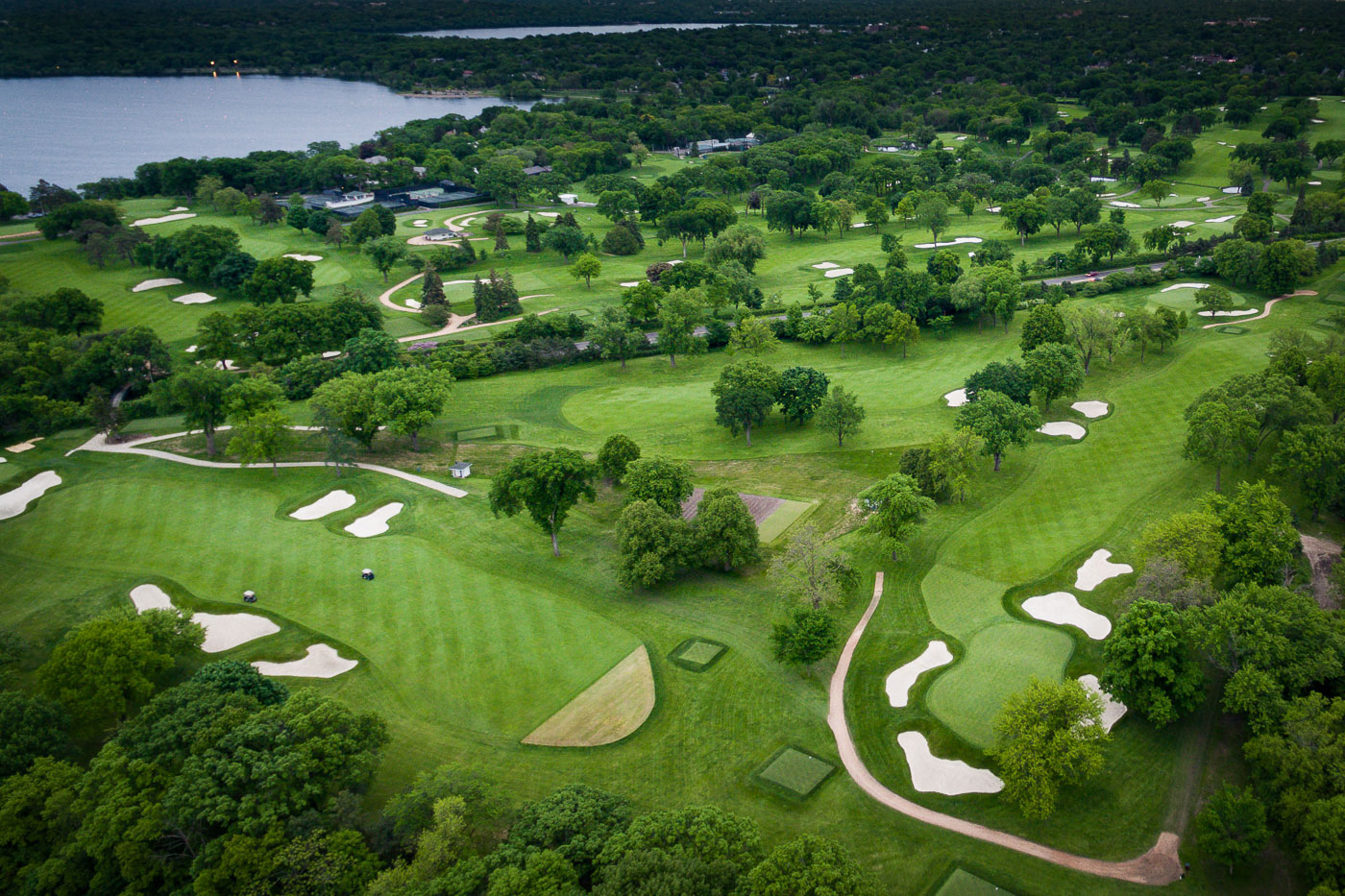 View full post: Fairways and Bunkers at the Minikahda Club Near Bde Maka Ska
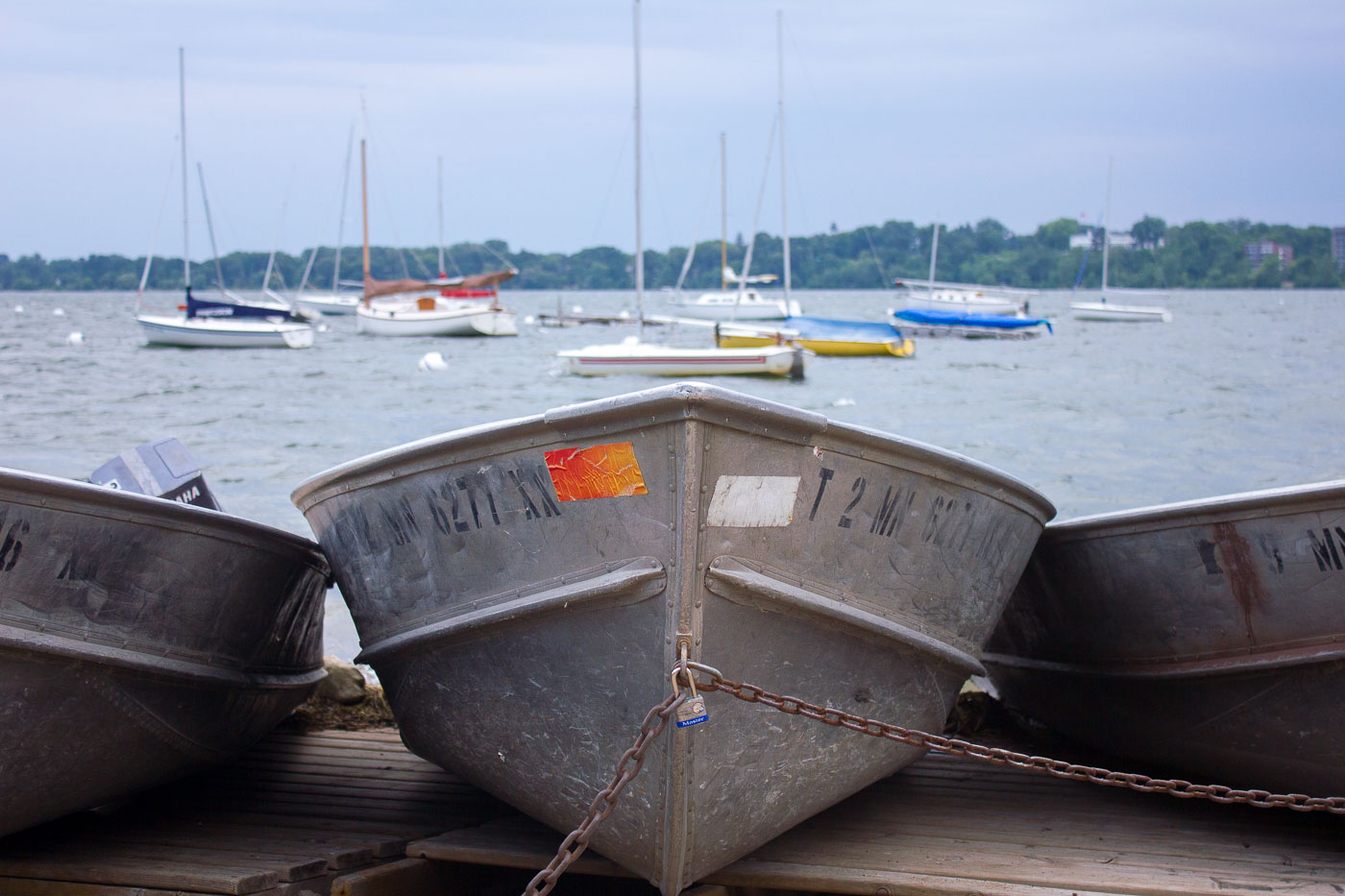 View full post: Rental Boats Chained Up at Bde Maka Ska