Prison

16 photos · 2013–2023

16 photographs tagged Prison, 2013–2023.
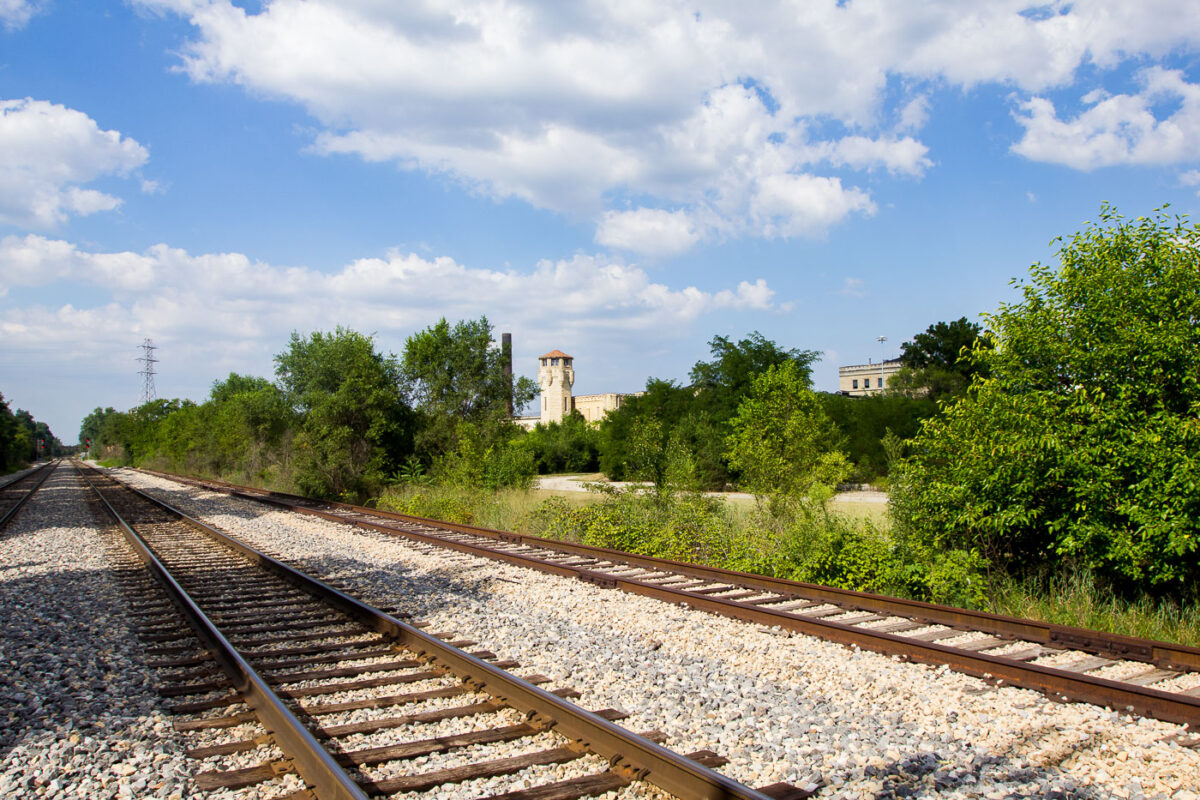
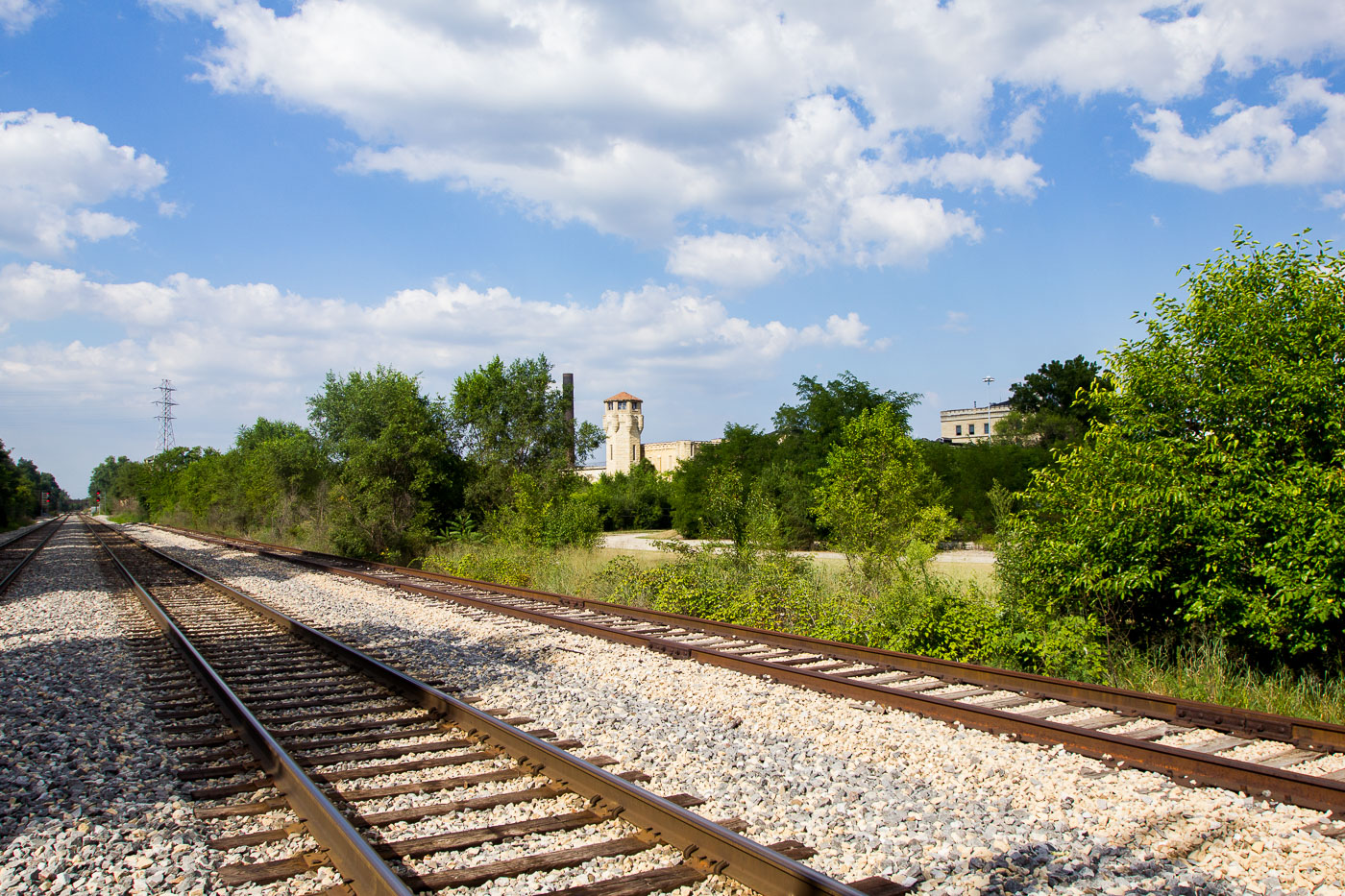
Railroad tracks run beside the abandoned Old Joliet Prison in Joliet, Illinois, a Gothic-style correctional facility that operated from 1858 to 1999.
Railroad tracks run alongside the grounds of the Old Joliet Prison in Joliet, Illinois. The prison, originally constructed in 1858, was a significant correctional facility for over a century. Its distinctive Gothic-style architecture made it a notable landmark. The adjacent railroad line was crucial for transporting supplies and personnel to the institution. The prison ceased operations in 1999 and has since been largely abandoned, though its structures remain a prominent feature of the local landscape.

Railroad Tracks Near Old Joliet Prison, Illinois
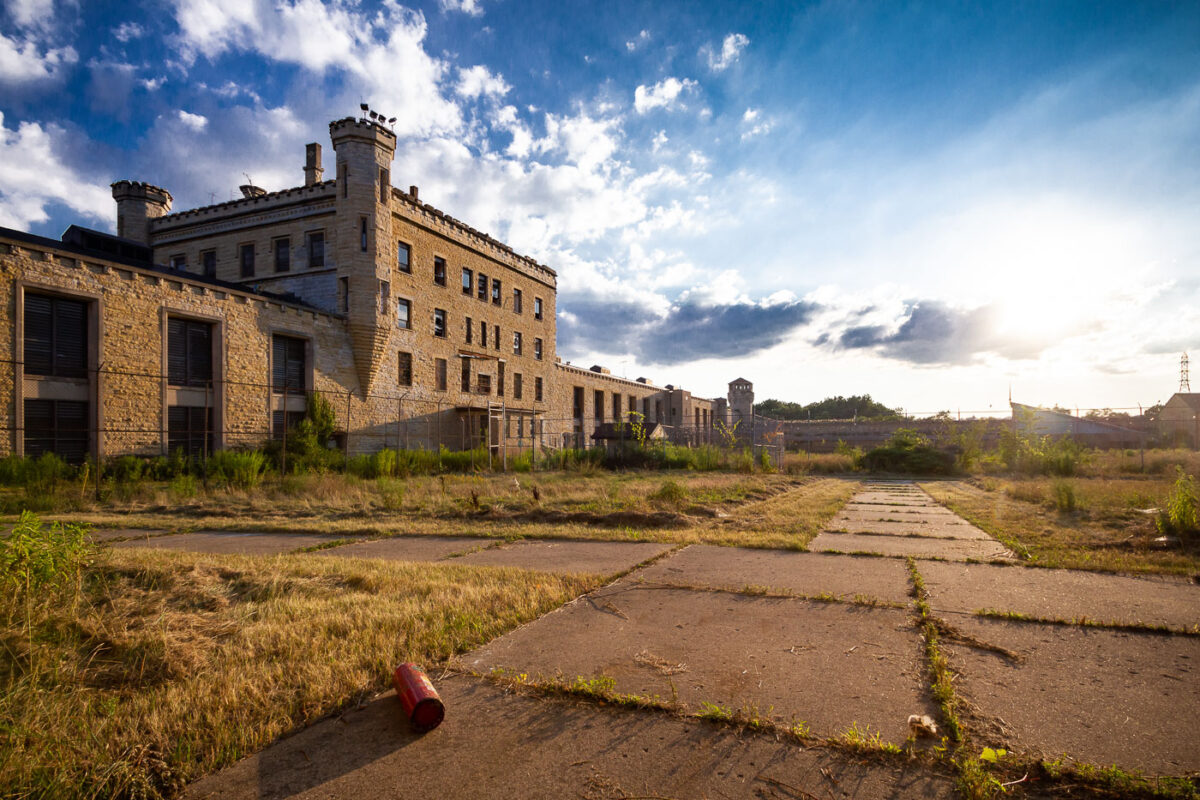
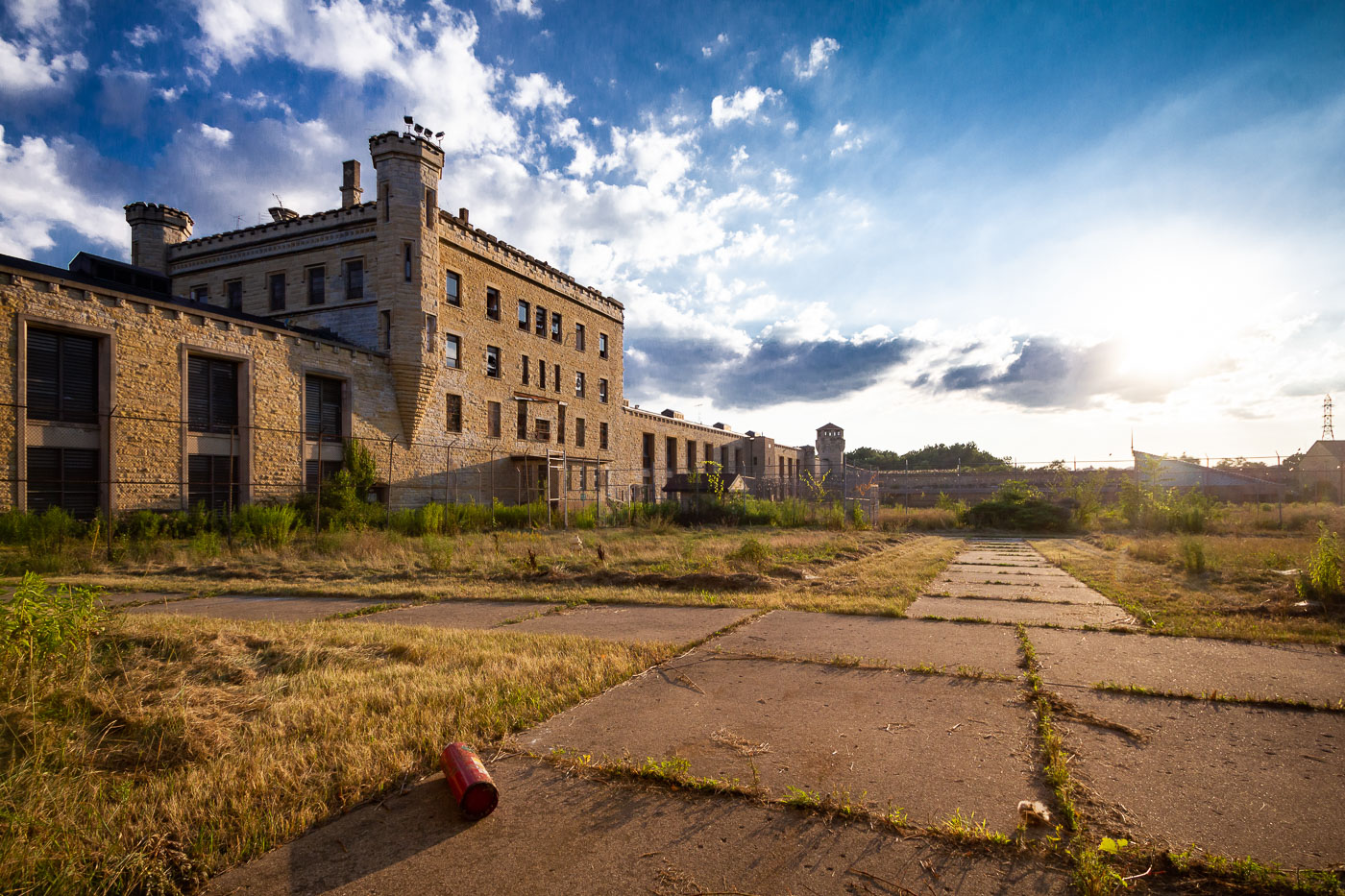
The Old Joliet Prison, a Gothic Revival structure in Joliet, Illinois, built 1858-1860, stands abandoned after its closure in 1977.
The Old Joliet Prison, located in Joliet, Illinois, was constructed between 1858 and 1860. Designed by architect William W. Boyington, it was built in a Gothic Revival style, intended to be a model prison. The facility operated for over a century before closing in 1977 due to overcrowding and deteriorating conditions. The abandoned structure has since been used as a filming location for various movies and television shows.

Old Joliet Prison, Illinois: Exterior View
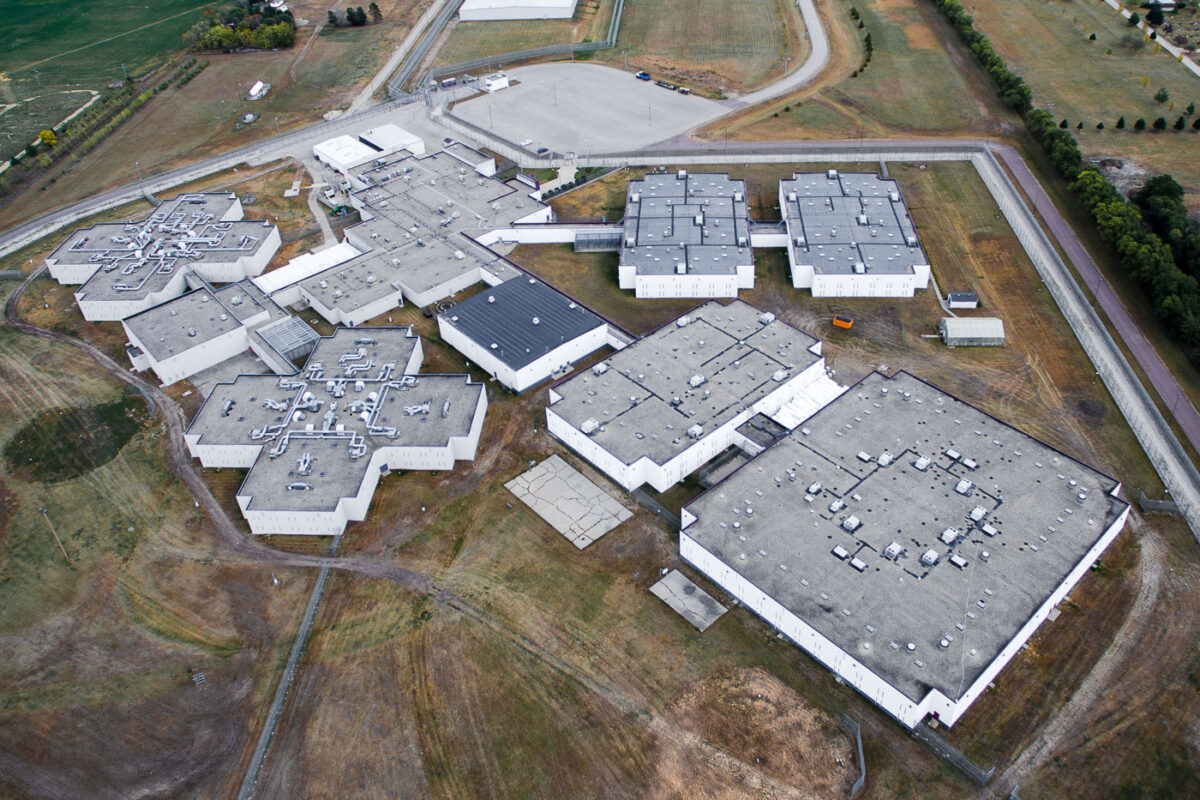
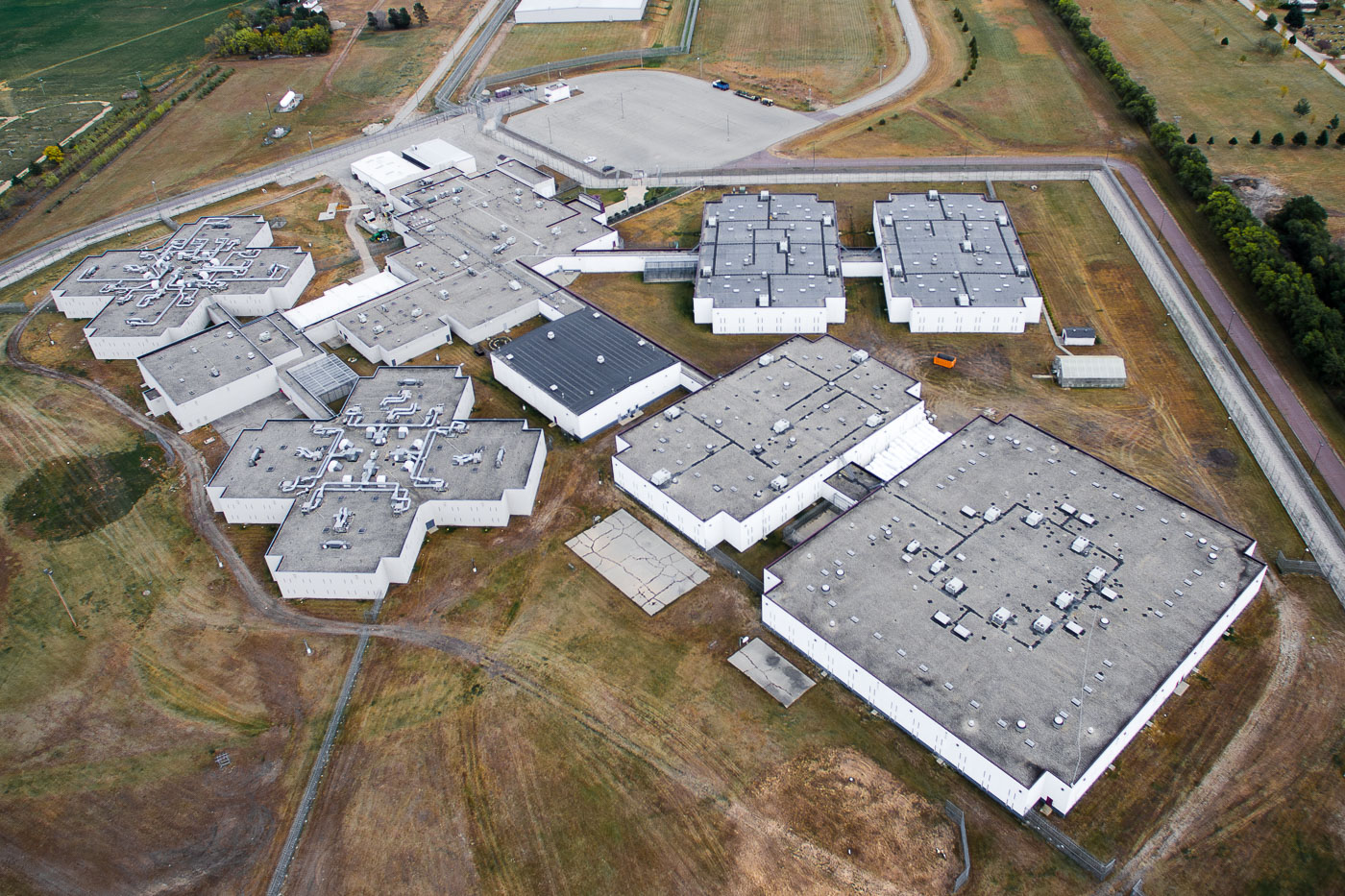
Aerial view of Prairie Correctional Facility, a closed private prison complex in Appleton, Minnesota, showing multiple buildings
The CoreCivic Prairie Correctional Facility in Appleton, Minnesota. The 1,600-bed facility has been closed since 2010. It's being considered by the federal government for use as an Immigration and Customs Enforcement (ICE) detention center.

Aerial View of the Prairie Correctional Facility in Appleton
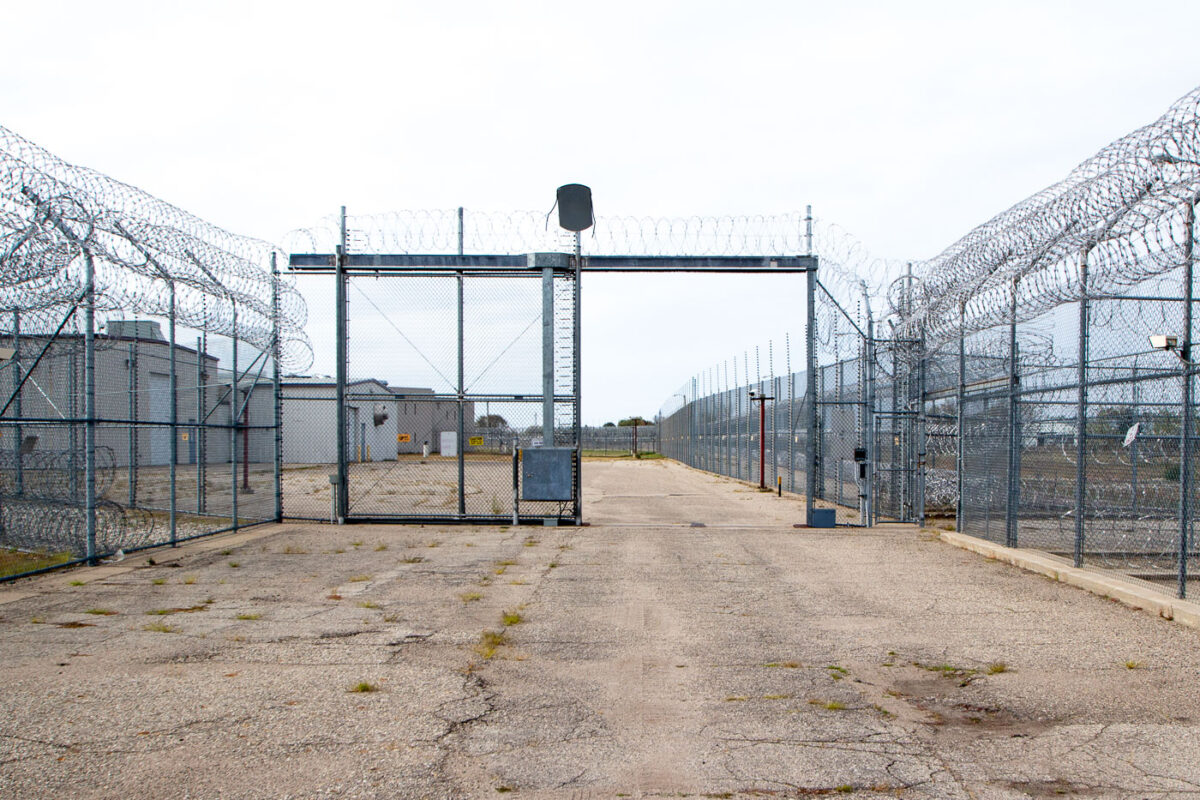
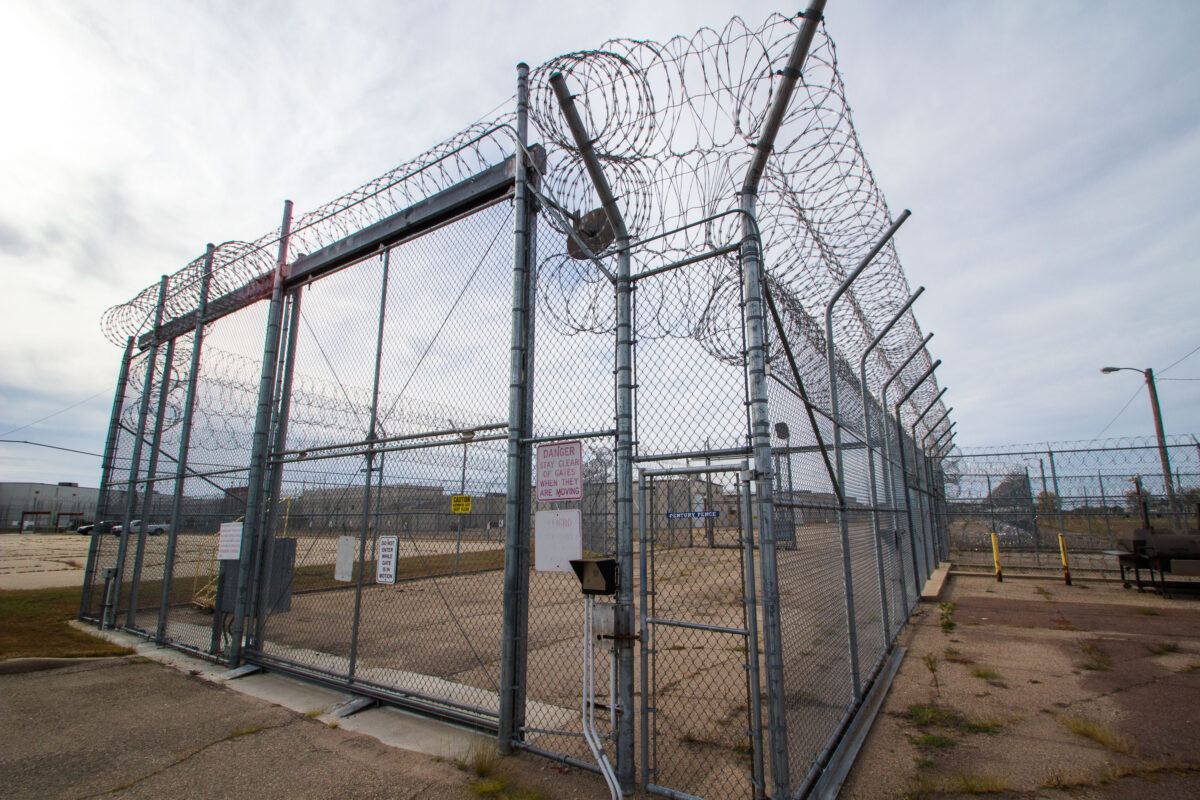
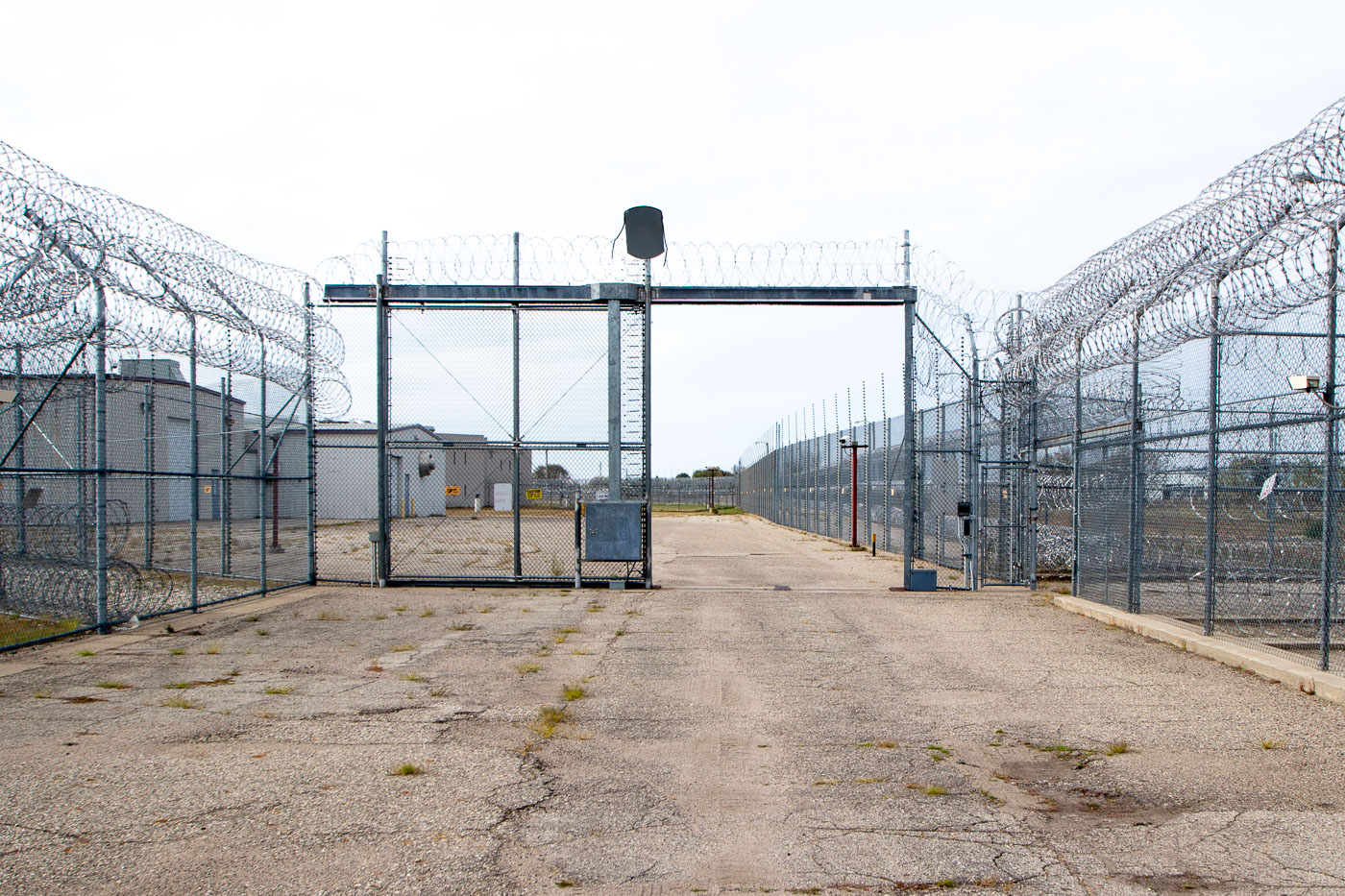
Prairie Correctional Facility entrance gate with razor wire fencing in Appleton, Minnesota.
Razor wire and security fencing surround the Prairie Correctional Facility in Appleton, Minnesota. The 1,600-bed facility has been closed since 2010. It's being considered by the federal government for use as an Immigration and Customs Enforcement (ICE) detention center.

Security Gate at the Prairie Correctional Facility in Appleton
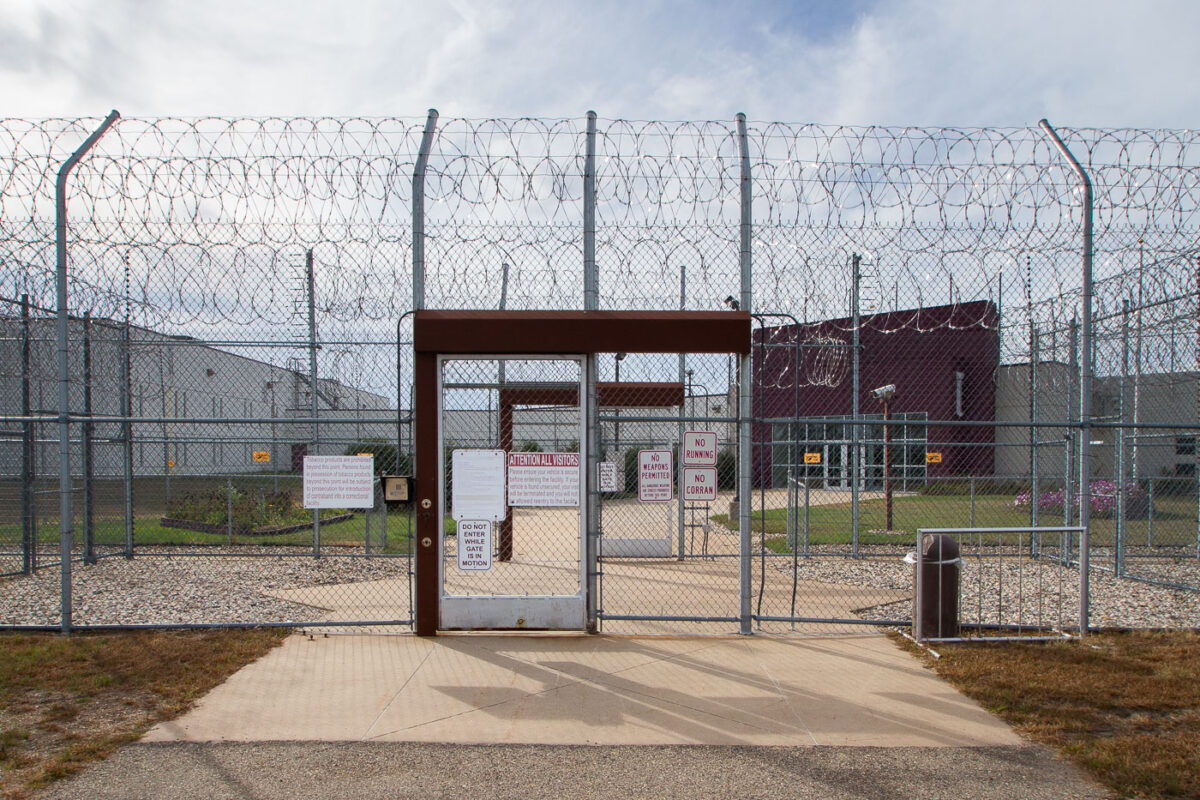
Entrance gate with razor wire fencing at Prairie Correctional Facility in Appleton, Minnesota.
The entrance to the Prairie Correctional Facility in Appleton, Minnesota, a 1,600-bed correctional institution that ceased operations in 2010. The facility may re-open as a Immigration and Customs Enforcement (ICE) detention center.

Security Gate at Prairie Correctional Facility in Appleton
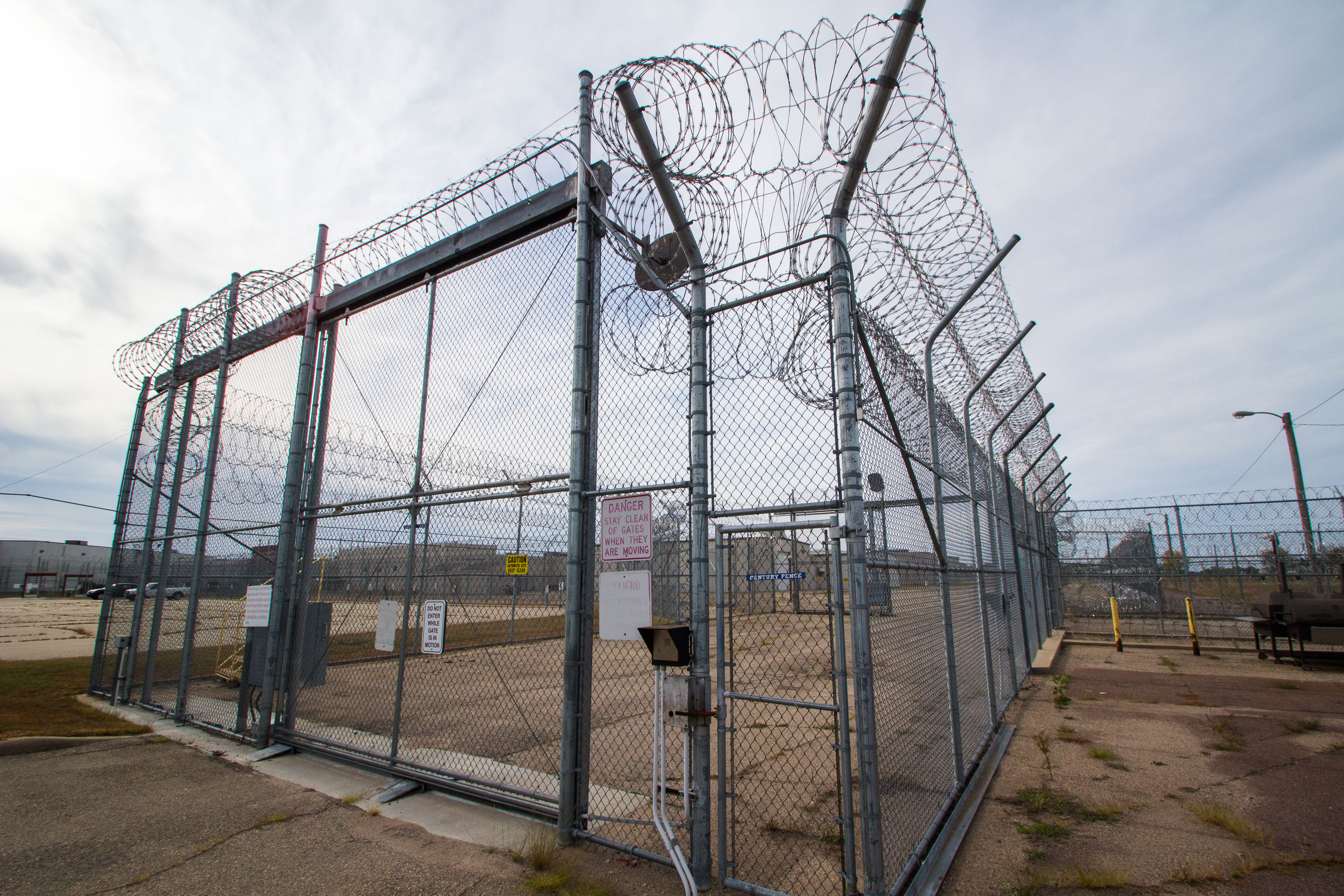
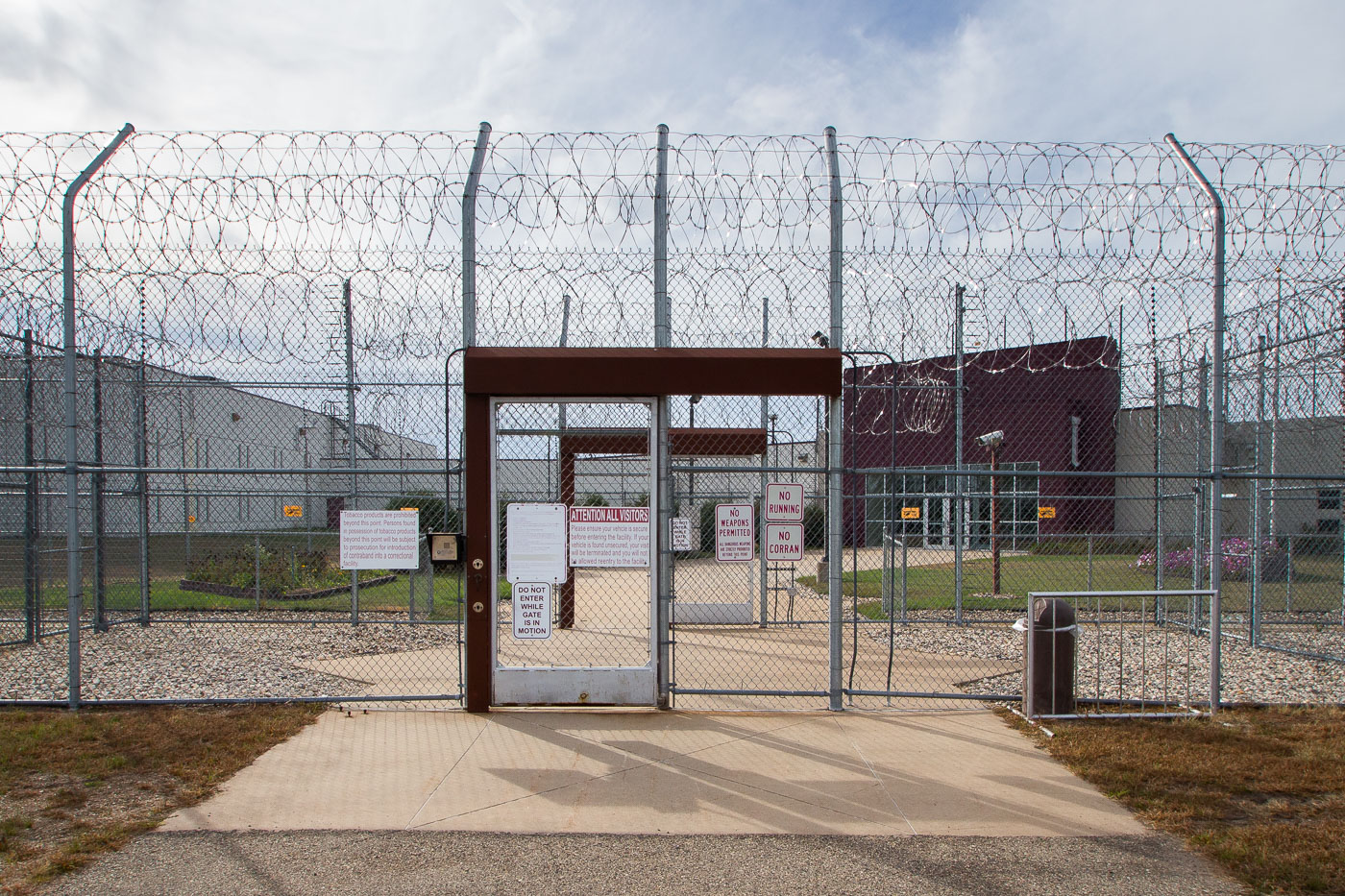
Razor wire and chain-link security fencing enclose the Prairie Correctional Facility in Appleton, Minnesota.
Razor wire and security fencing surround the Prairie Correctional Facility in Appleton, Minnesota. The 1,600-bed facility has been closed since 2010. It's being considered by the federal government for use as an Immigration and Customs Enforcement (ICE) detention center.

Razor Wire Fencing at the Prairie Correctional Facility in Appleton
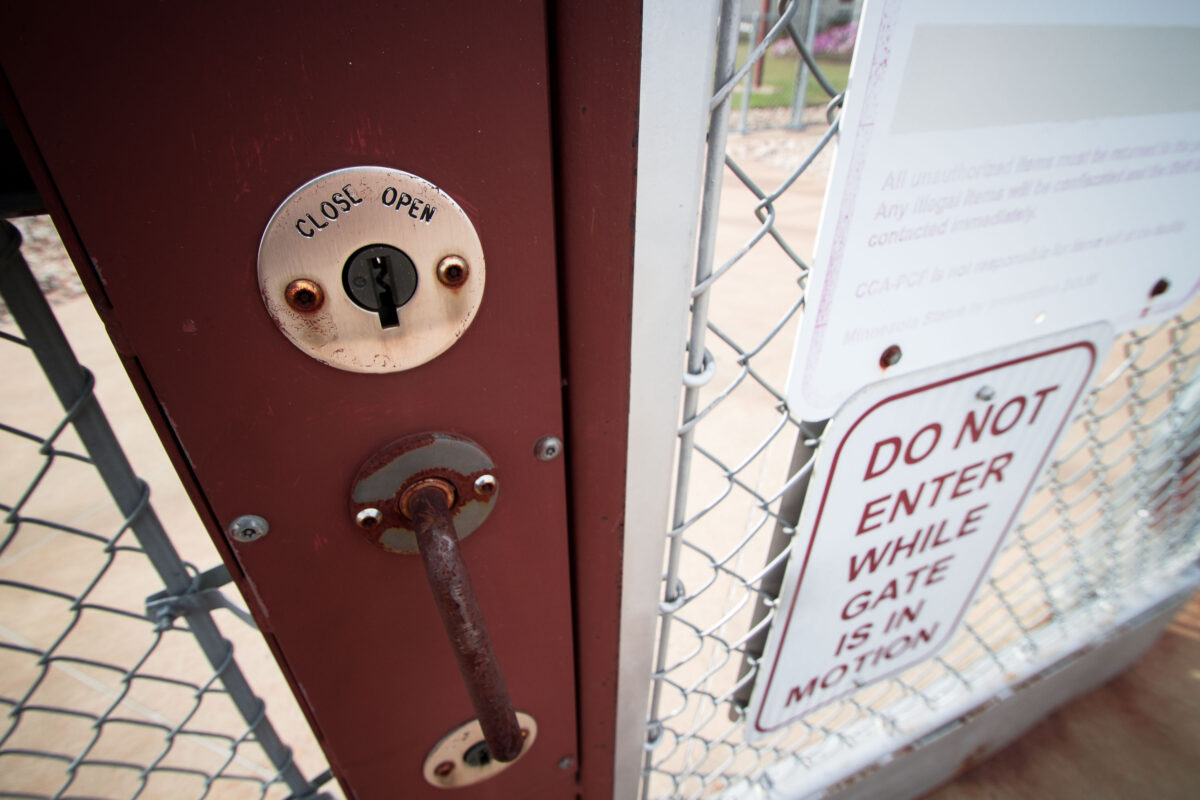
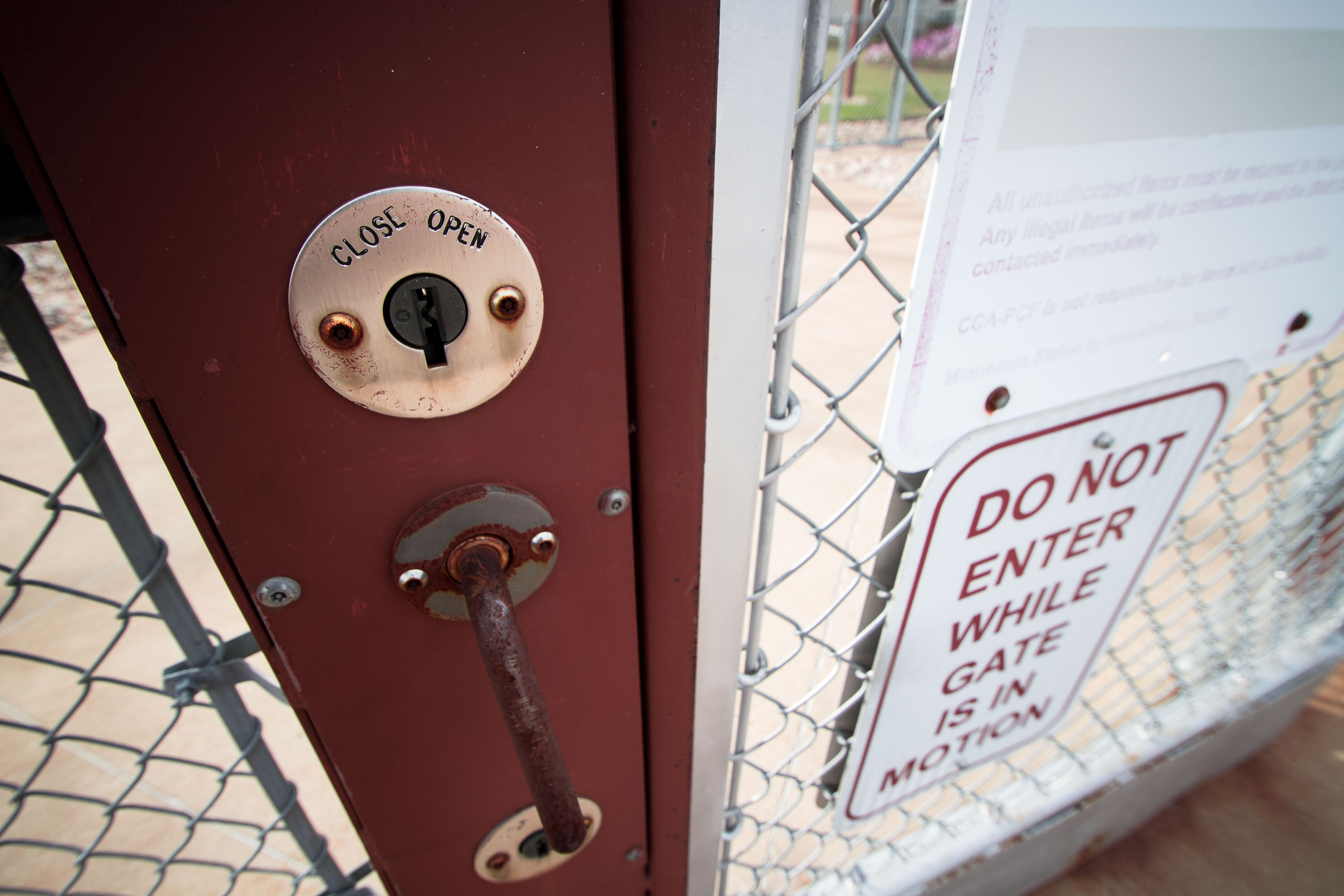
Close and open switch on burgundy metal gate at Prairie Correctional Facility in Appleton, Minnesota.
Razor wire and security fencing surround the Prairie Correctional Facility in Appleton, Minnesota. The 1,600-bed facility has been closed since 2010. It's being considered by the federal government for use as an Immigration and Customs Enforcement (ICE) detention center.

“Do Not Enter While Gate Is in Motion” Sign at Prairie Correctional Facility
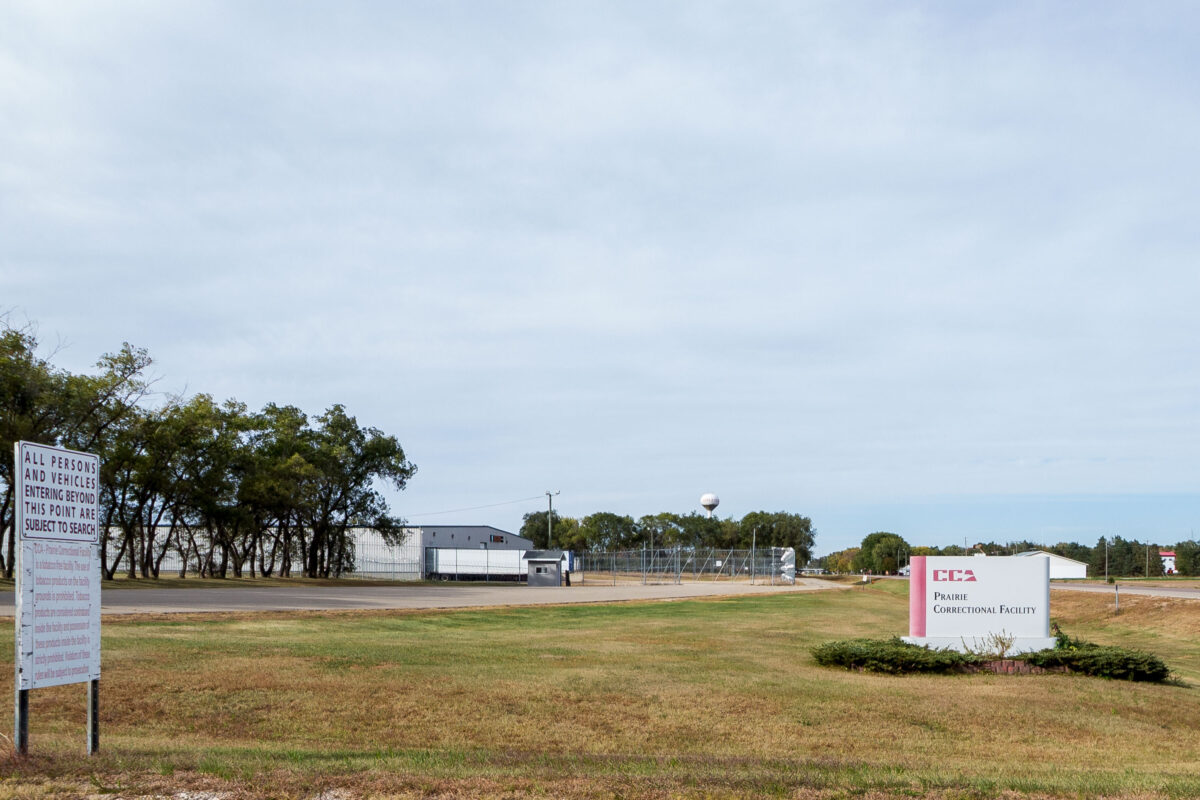
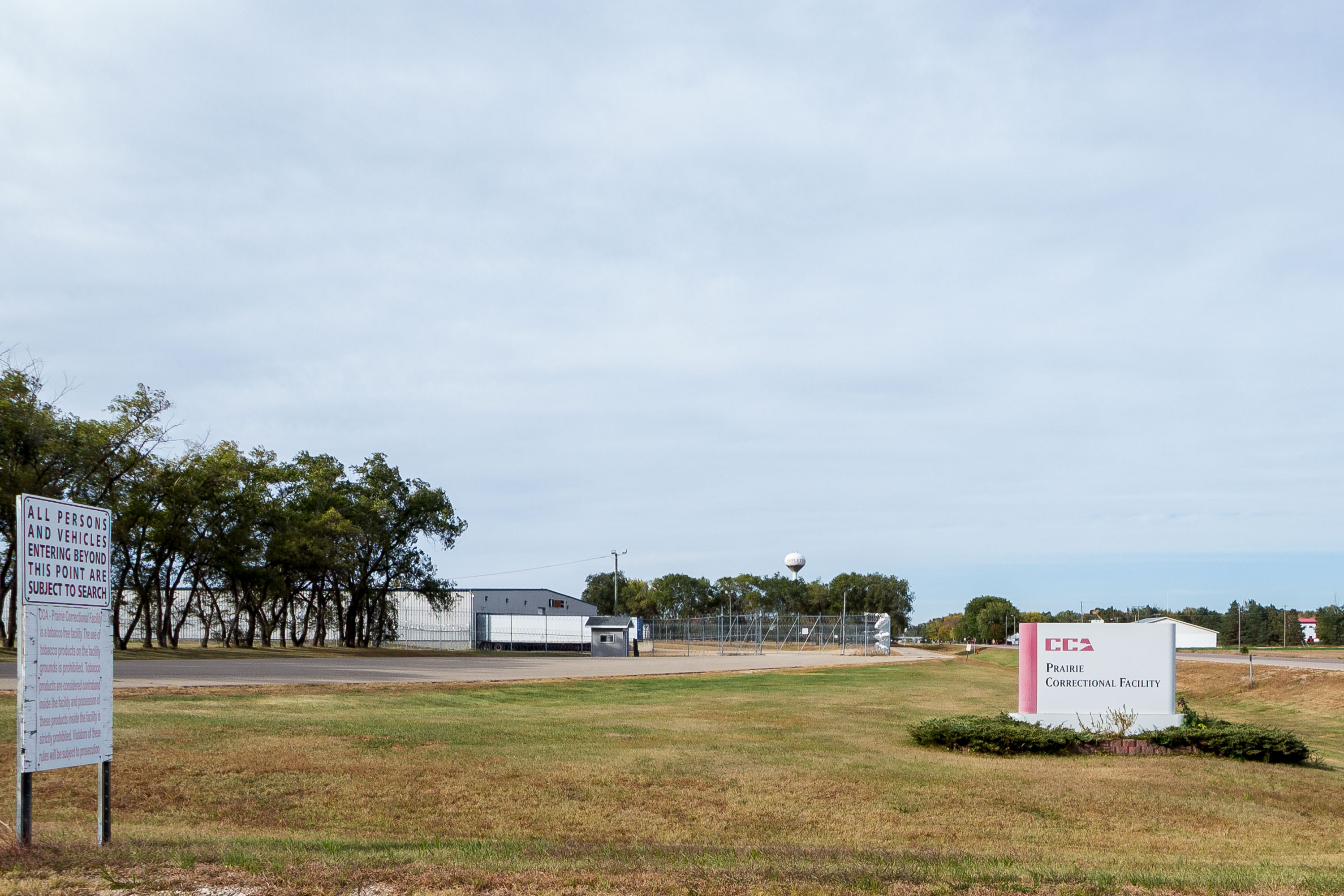
Prairie Correctional Facility entrance sign and grounds in Appleton, Minnesota.
The CoreCivic Prairie Correctional Facility in Appleton, Minnesota. The 1,600-bed facility has been closed since 2010. It's being considered by the federal government for use as an Immigration and Customs Enforcement (ICE) detention center.

Warning Sign Near the Prairie Correctional Facility Entrance
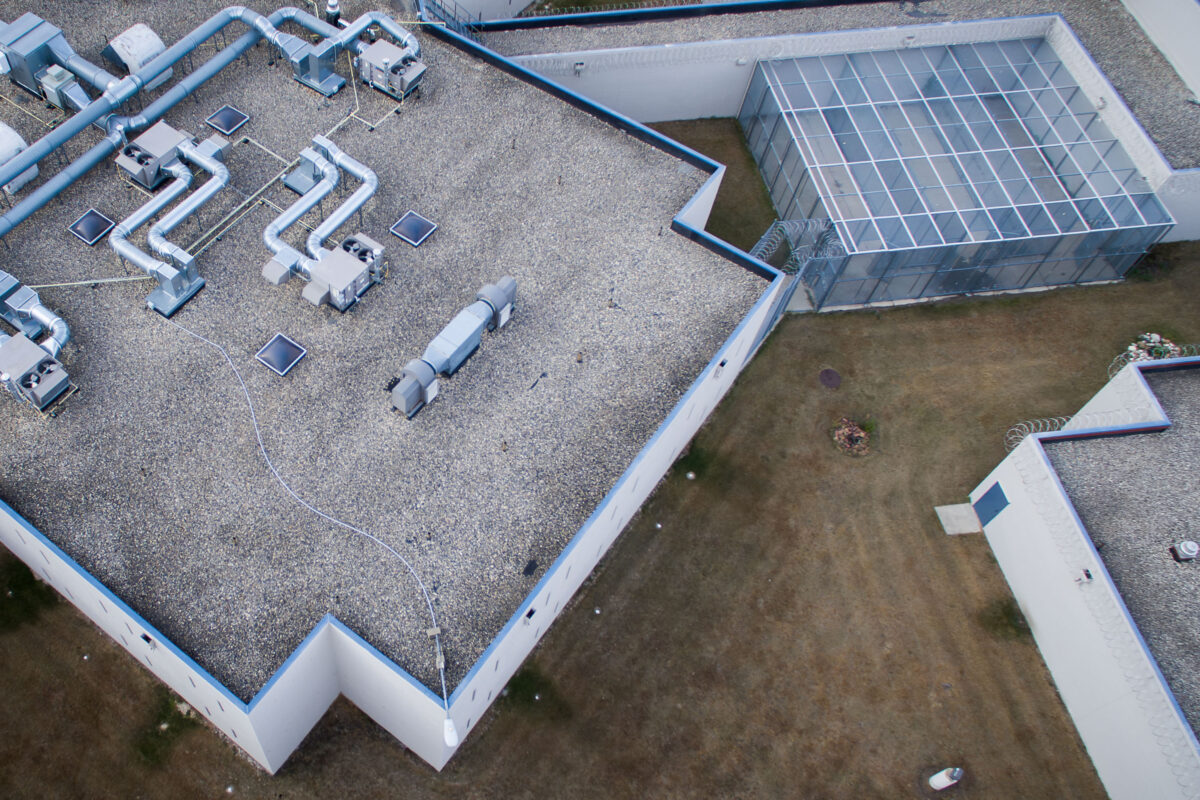
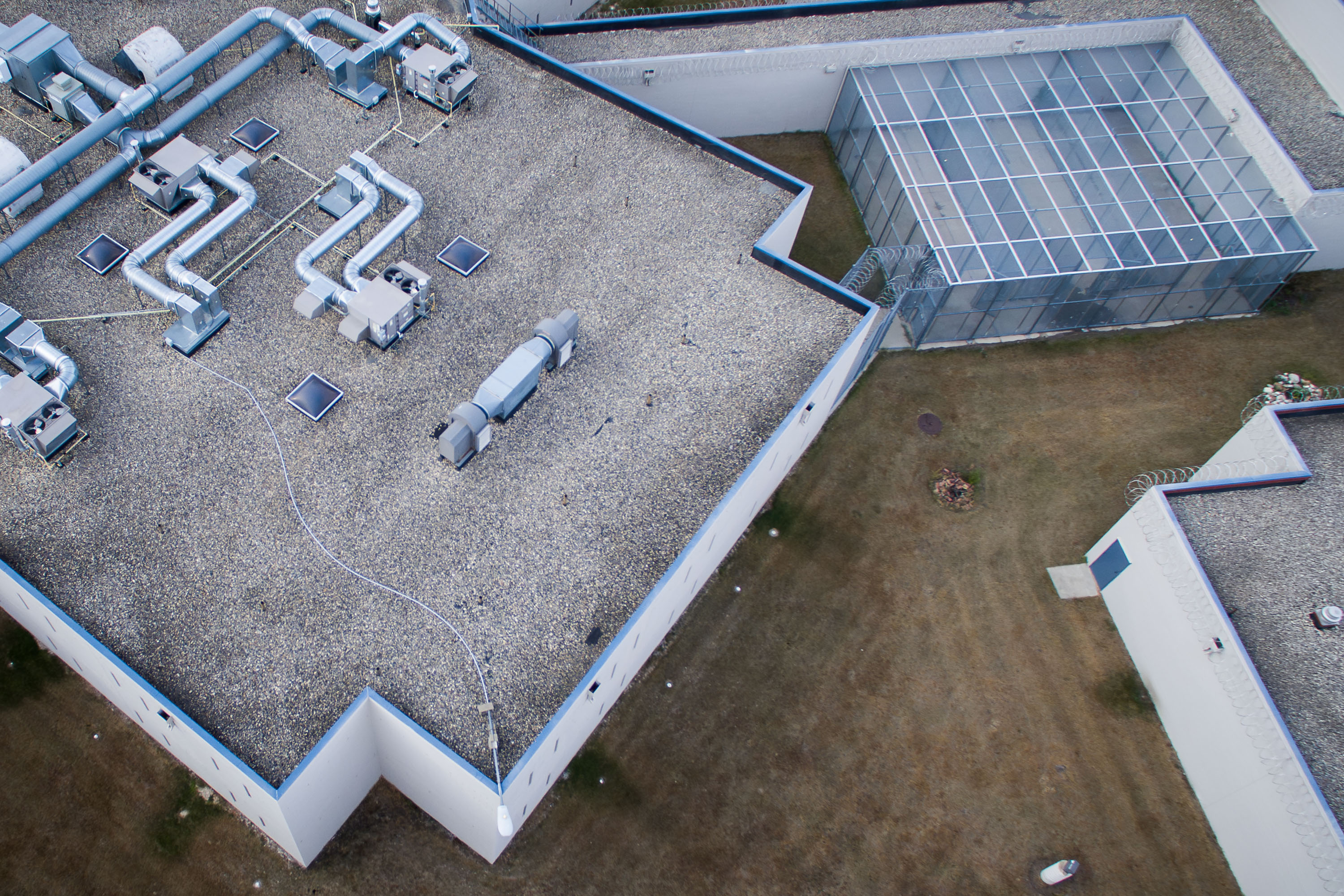
Aerial view of recreation yard at CoreCivic Prairie Correctional Facility in Appleton, Minnesota, showing HVAC equipment, solar
The CoreCivic Prairie Correctional Facility in Appleton, Minnesota. The 1,600-bed facility has been closed since 2010. It's being considered by the federal government for use as an Immigration and Customs Enforcement (ICE) detention center.

Aerial View of Rooftop HVAC Units at the Prairie Correctional Facility
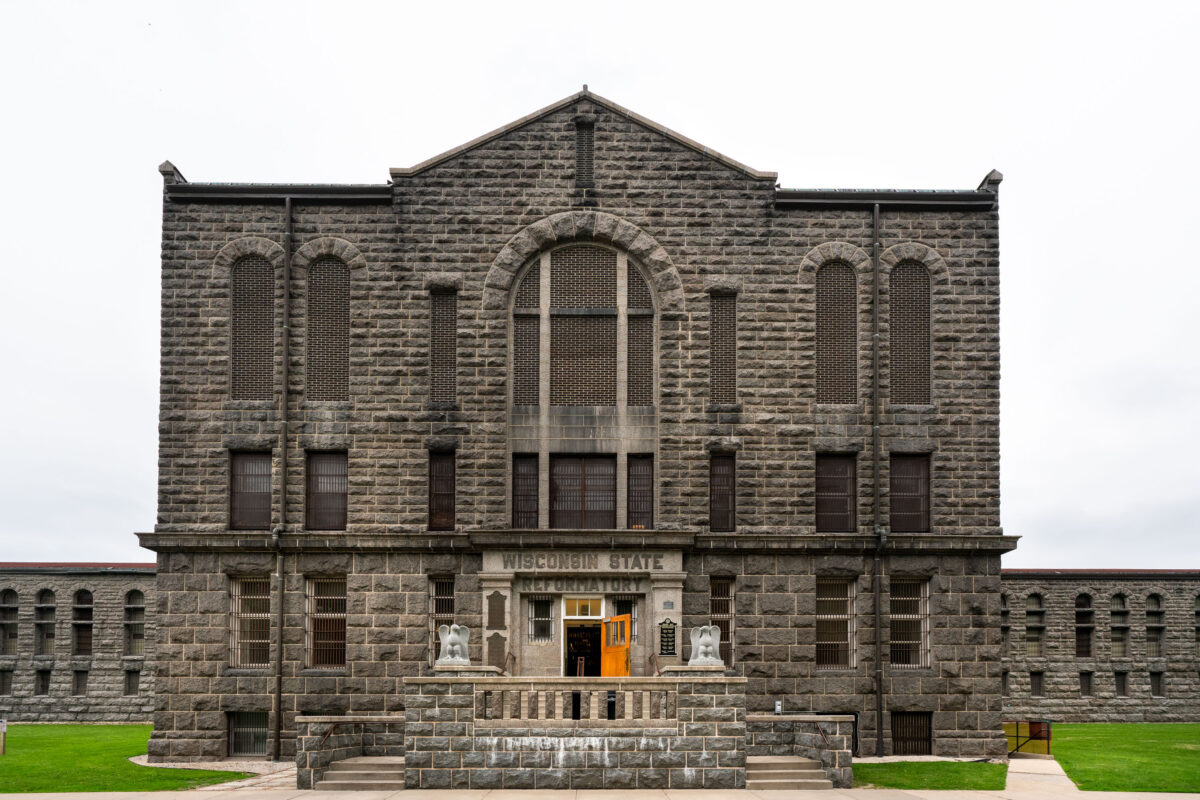
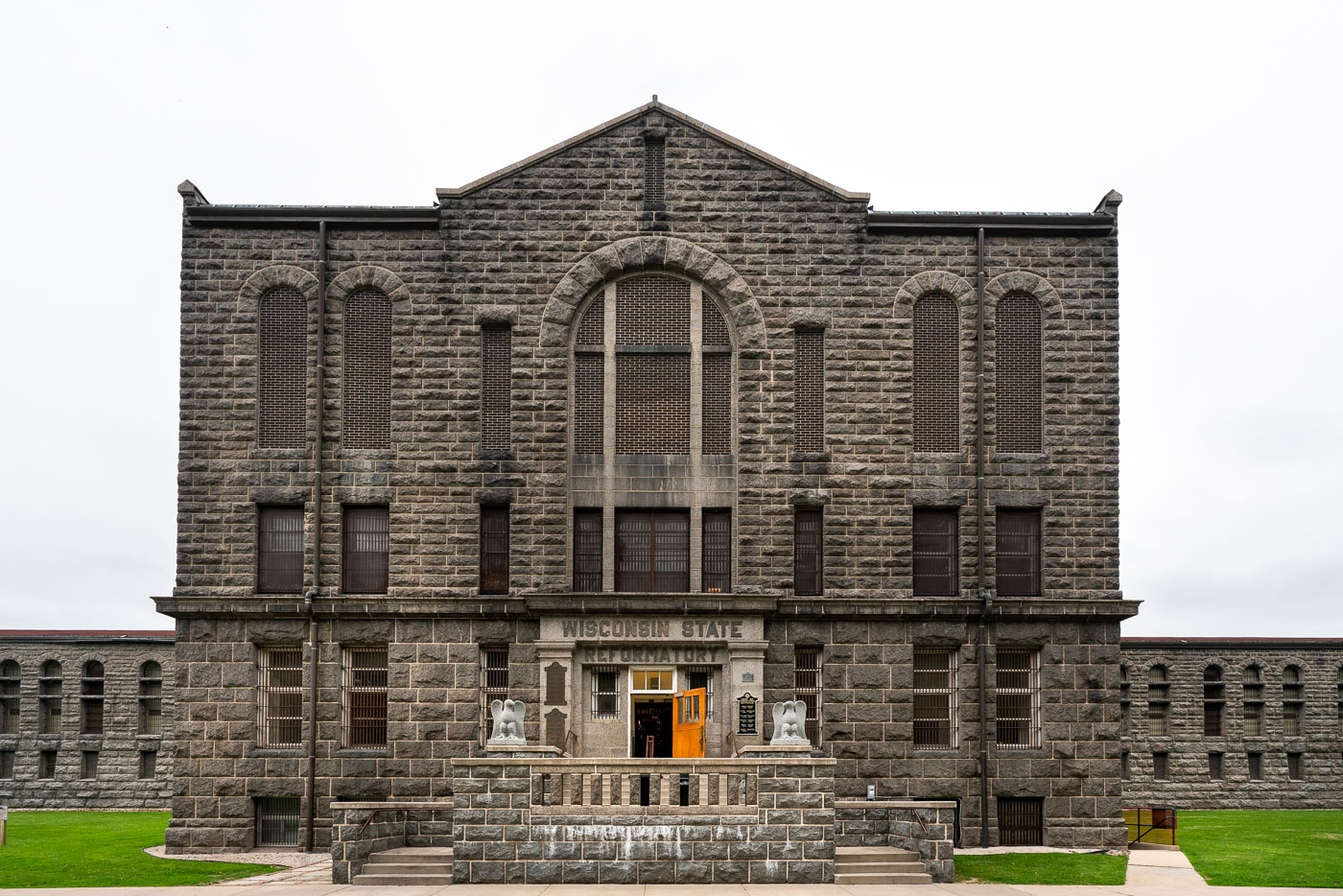
Wisconsin State Reformatory Main Entrance in Green Bay, a 19th-century correctional architecture example.
The Wisconsin State Reformatory, established in 1898 in Green Bay, is a significant example of late 19th-century correctional architecture. Constructed from locally quarried gray limestone, its Romanesque Revival style, characterized by fortress-like symmetry and heavy masonry, was intended to convey authority. The institution was designed with progressive ideals of the era, aiming for rehabilitation over punishment. The building, which still bears its original nameplate, represents a notable surviving example of penal architecture from Wisconsin's early history.

Wisconsin State Reformatory Main Entrance, Green Bay
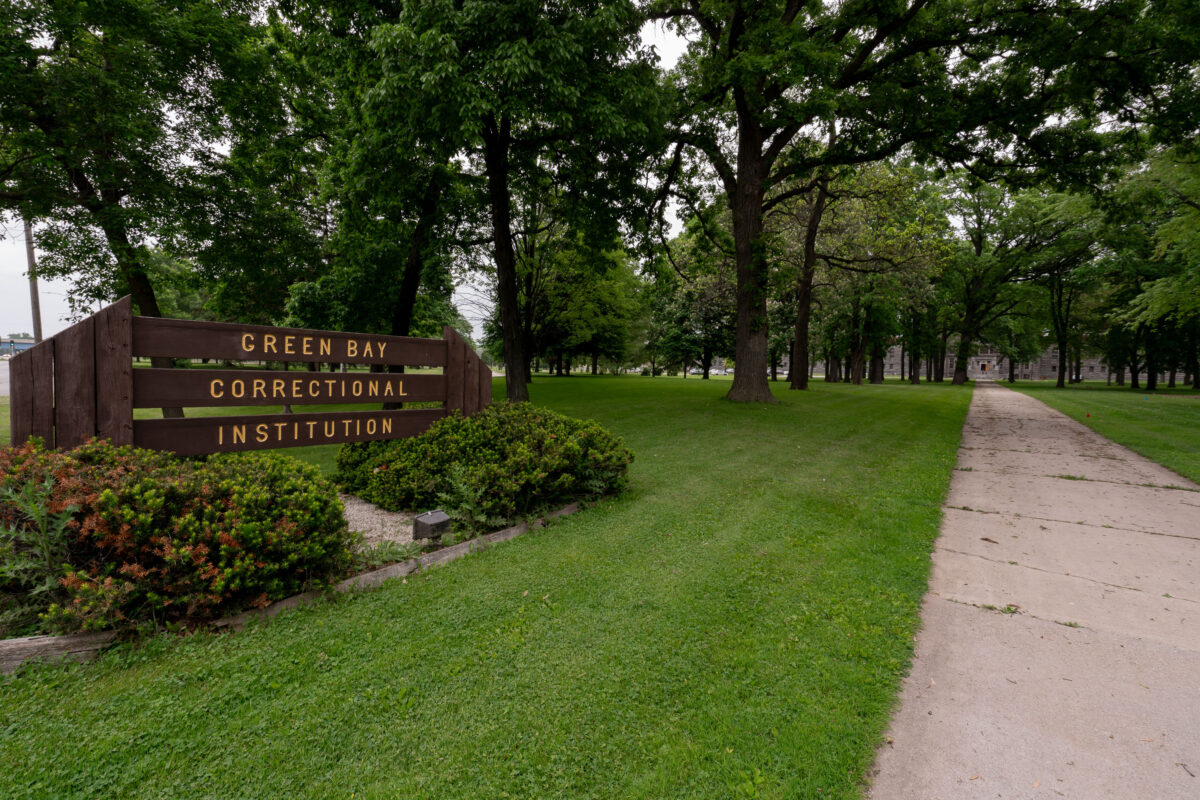
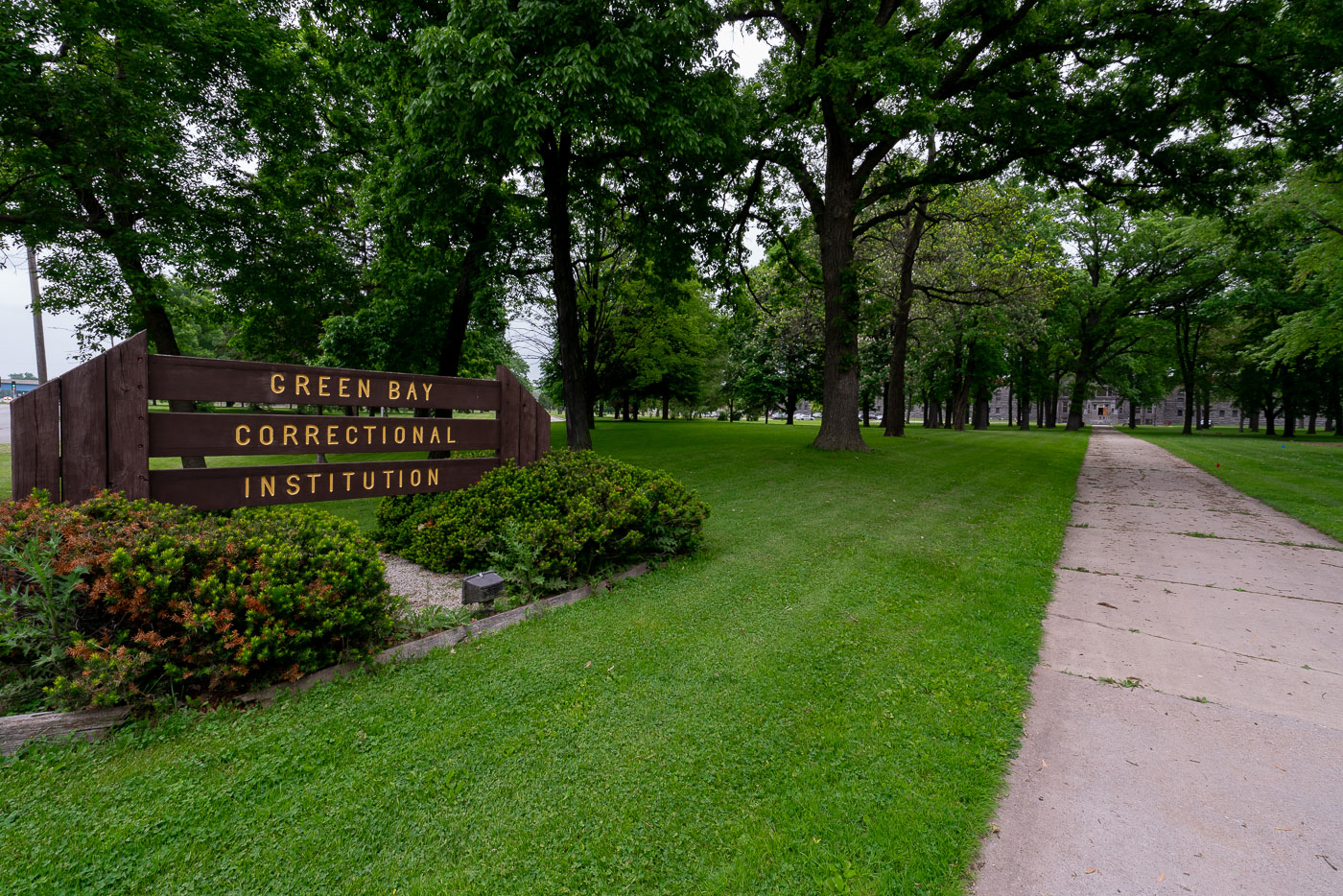
The entrance sign for Green Bay Correctional Institution in Allouez, Wisconsin, stands beside a pathway leading to the historic prison building.
The entrance to the Green Bay Correctional Institution in Allouez, Wisconsin, is marked by a wooden sign. Established in 1898 as the Wisconsin State Reformatory, this facility is one of the state's oldest correctional institutions. Its original design reflected late 19th-century penological philosophies emphasizing reform, with spacious grounds and classical stone architecture. The institution continues to operate under the Wisconsin Department of Corrections, serving as a significant site in the state's correctional history and architectural record.

Green Bay Correctional Institution Entrance, Allouez, Wisconsin
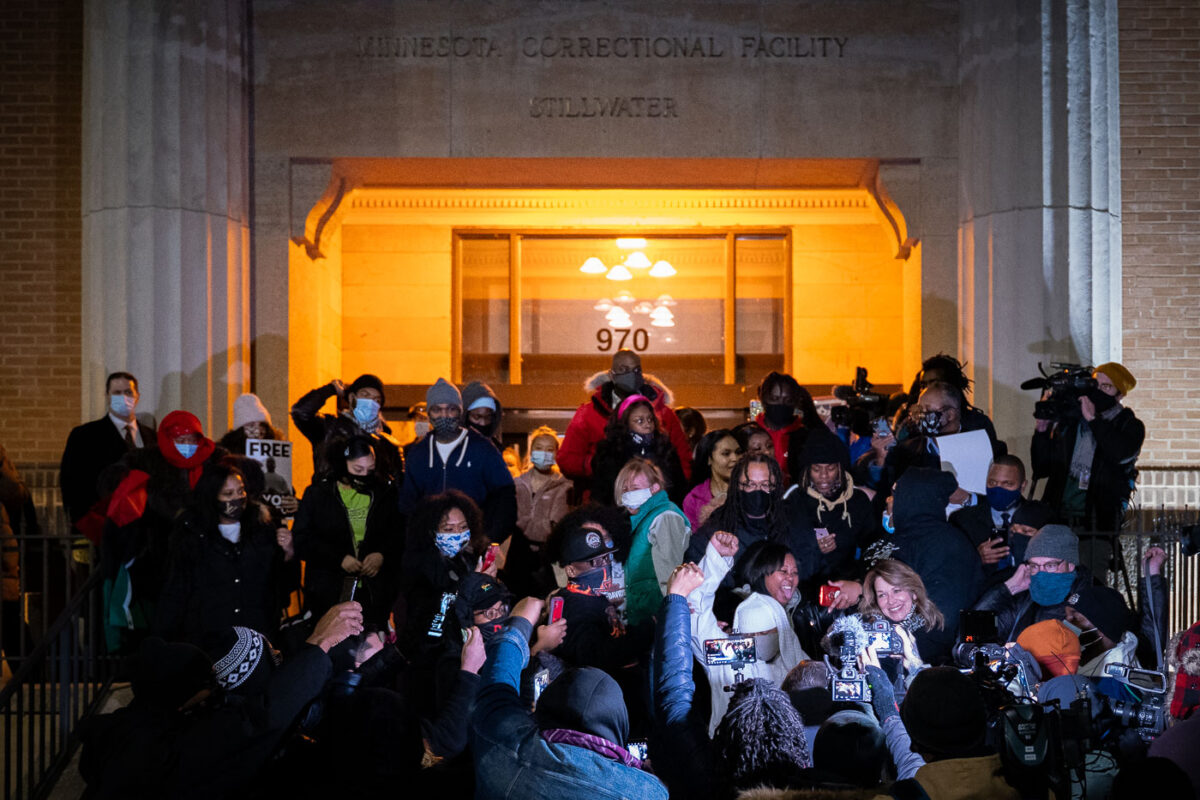
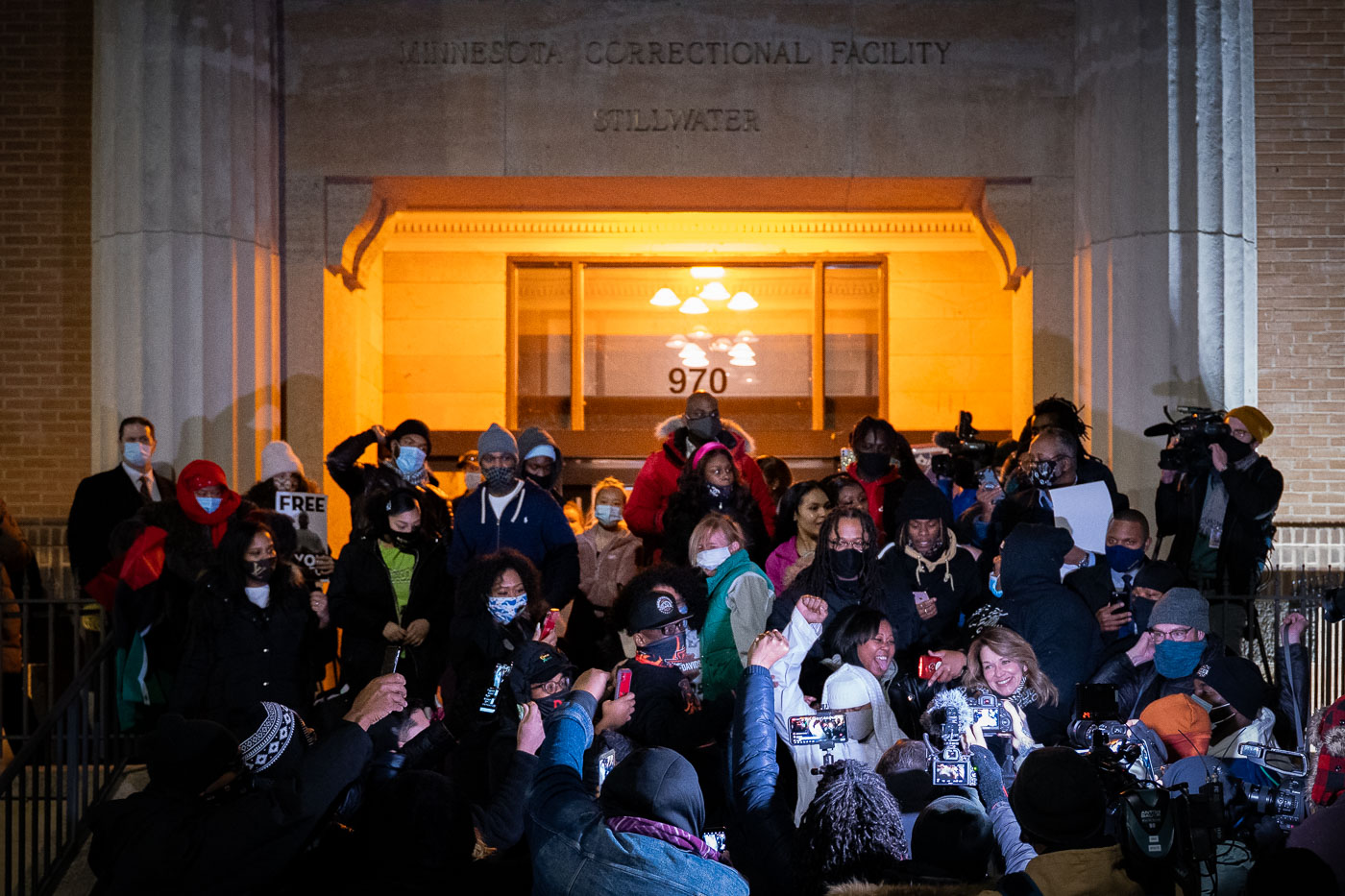
Myon Burrell exits Minnesota Correctional Facility–Stillwater surrounded by supporters and media after his release on December
Myon Burrell is greeted by supporters and media outside the Minnesota Correctional Facility – Stillwater, following his release on December 15, 2020. Burrell had served 18 years for the 2002 murder of 11-year-old Tyesha Edwards, a crime he consistently denied committing. His sentence was commuted by the Minnesota Board of Pardons after an investigation raised serious doubts about his conviction. The gathering outside the Stillwater, Minnesota facility marks a significant moment in a case that drew national attention to issues of wrongful conviction and racial justice.

Crowd Greets Myon Burrell Outside Stillwater Prison, Minnesota
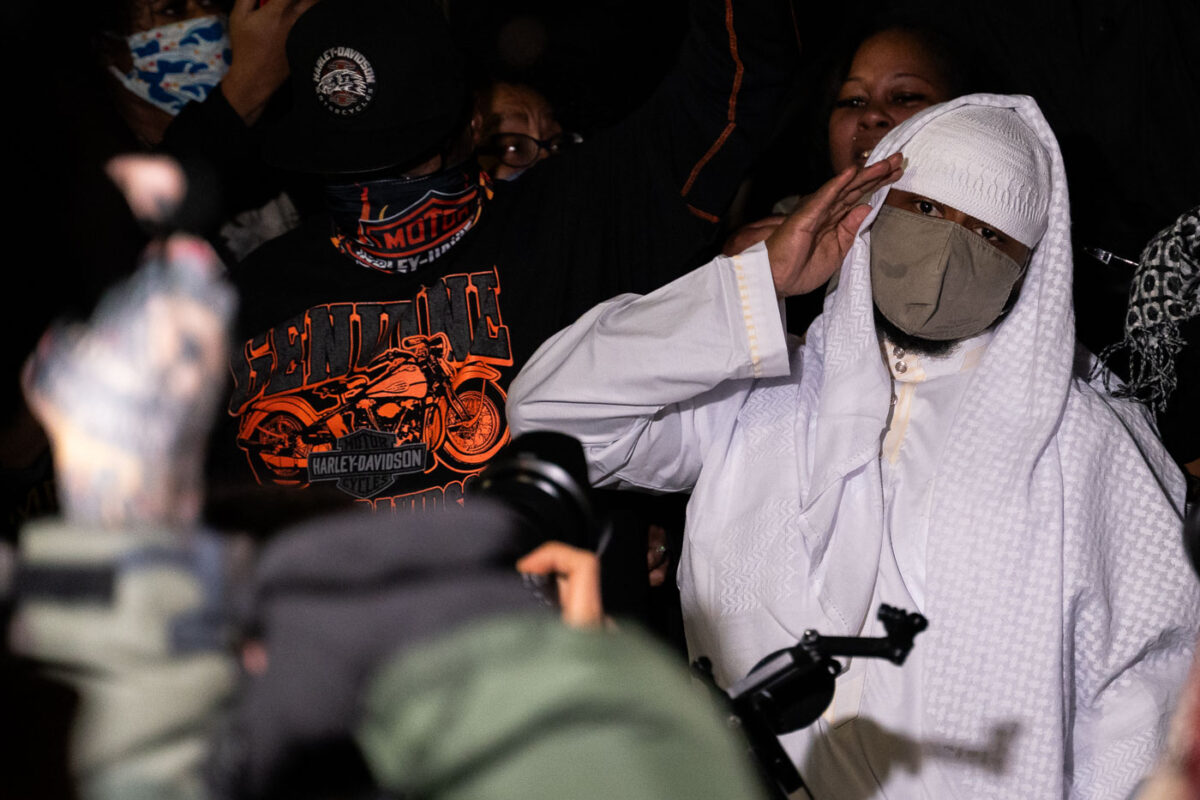
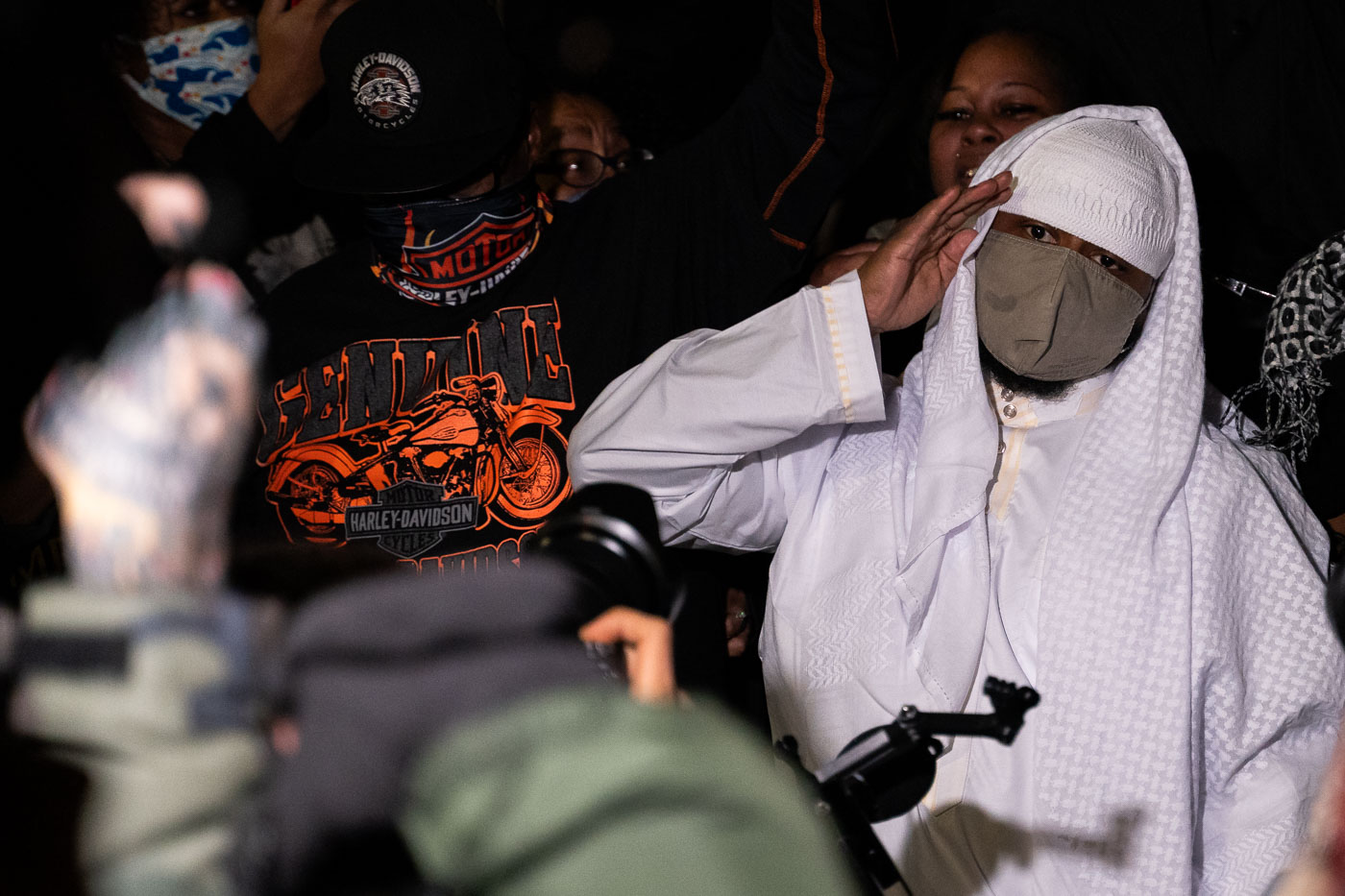
Myon Burrell wears a white cap and sunglasses outside Stillwater Correctional Facility after his sentence commutation on December
Myon Burrell departs the Stillwater Correctional Facility in Stillwater, Minnesota, following the commutation of his sentence. He had served 18 years for the 2002 death of 11-year-old Tyesha Edwards, a crime Burrell consistently maintained he did not commit. His release on December 1, 2020, came after a national investigation raised significant questions about the evidence in his original conviction. The Stillwater Correctional Facility, officially known as the Minnesota Correctional Facility – Stillwater, is a maximum-security state prison that has operated since its opening in 1914.

Myon Burrell Greets Supporters After Stillwater Prison Release
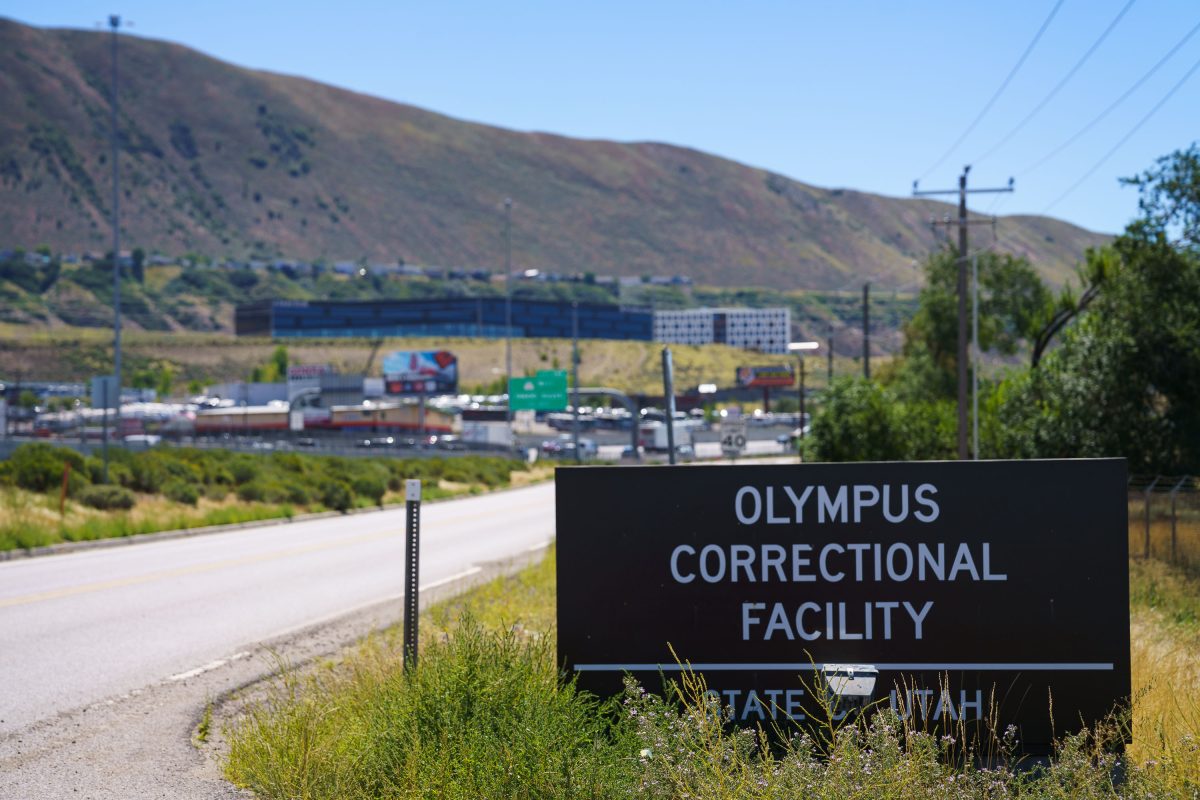
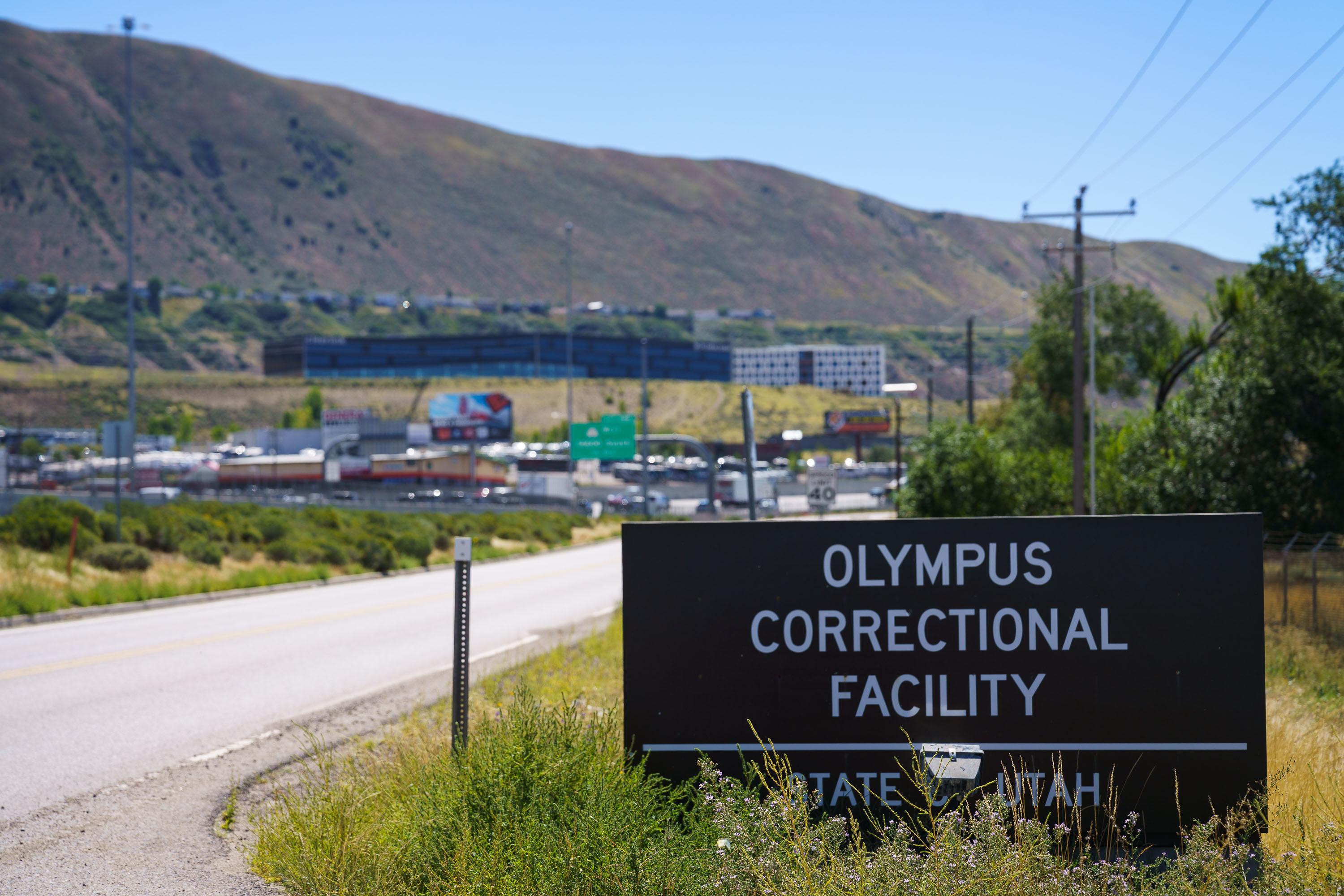
Olympus Correctional Facility sign in Draper, Utah, with the prison complex visible beyond.
Olympus Correctional Facility was one of several housing units at the Utah State Prison complex in Draper, which opened in 1951 along the base of the Traverse Mountains. The prison held thousands of inmates before the state legislature approved a relocation plan in 2015, moving operations to the new Utah State Correctional Facility in Salt Lake City. Demolition of the Draper site began in 2022 and continued into 2023, clearing roughly 700 acres of land the state has designated for redevelopment, including tech-industry and mixed-use projects tied to the nearby Silicon Slopes corridor.

Olympus Correctional Facility Sign, Draper, Utah
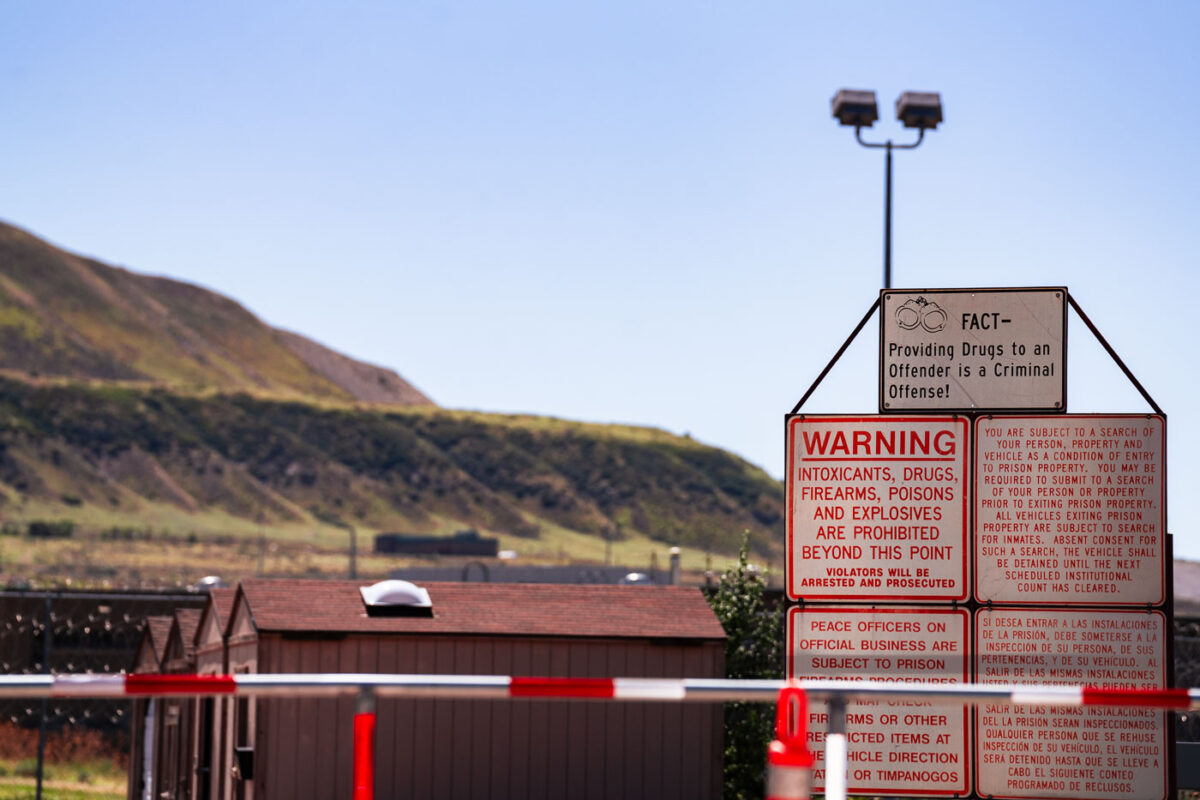
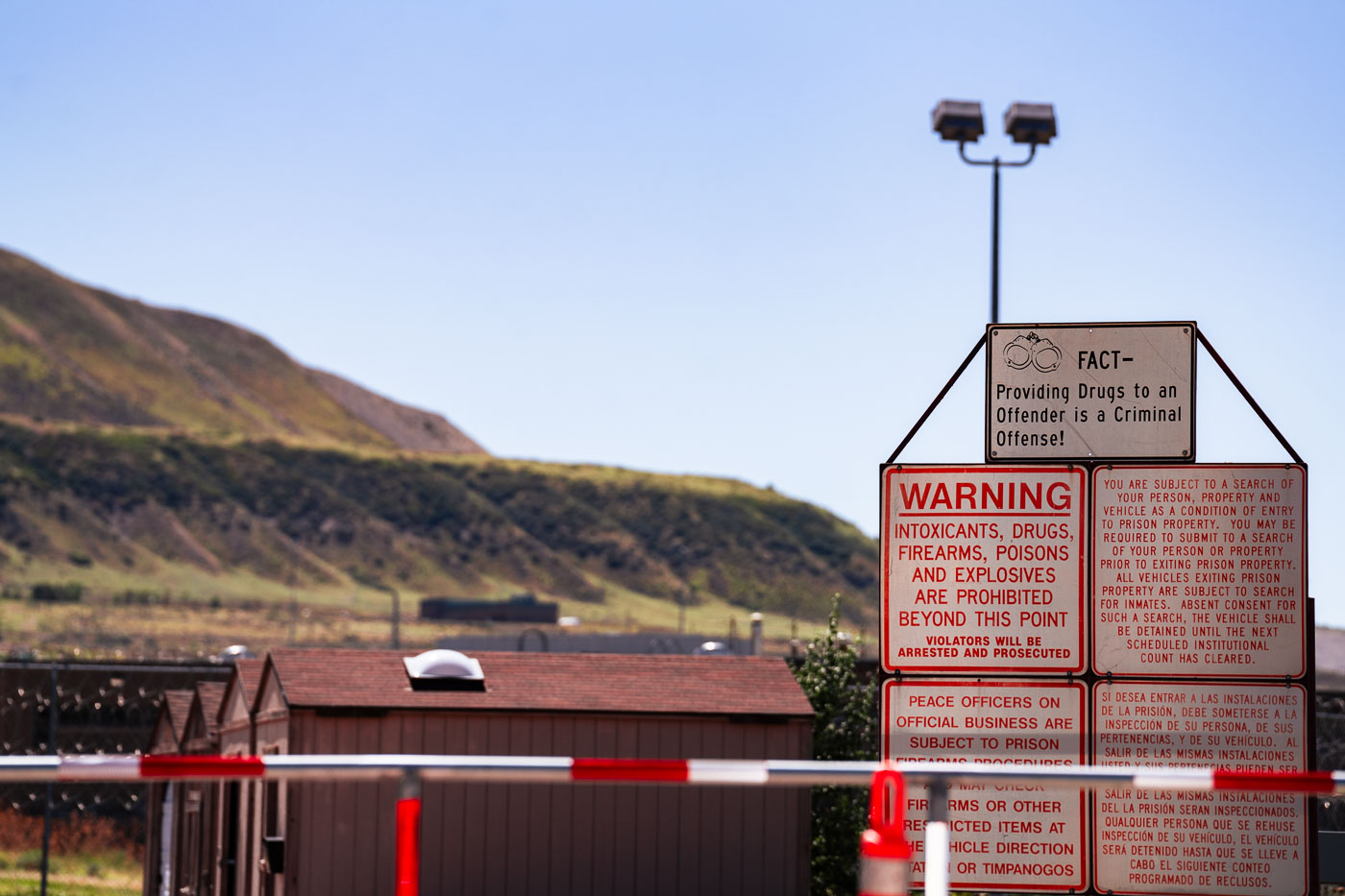
Warning signs at the entrance to the Utah State Prison in Draper, Utah, prohibiting drugs and weapons.
The Utah State Prison in Draper operated from 1951 until its closure in 2022, when inmates were transferred to the new Utah State Correctional Facility in Salt Lake City. Warning signs at the entrance barred intoxicants, drugs, firearms, poisons, and explosives, with violators subject to arrest and prosecution, and notified visitors and vehicles that they were subject to search as a condition of entry or exit. The Draper site once held thousands of inmates across multiple housing units before the property was cleared for redevelopment, including plans for a technology and research campus known as The Point.

Warning Signs at the Utah State Prison Entrance in Draper
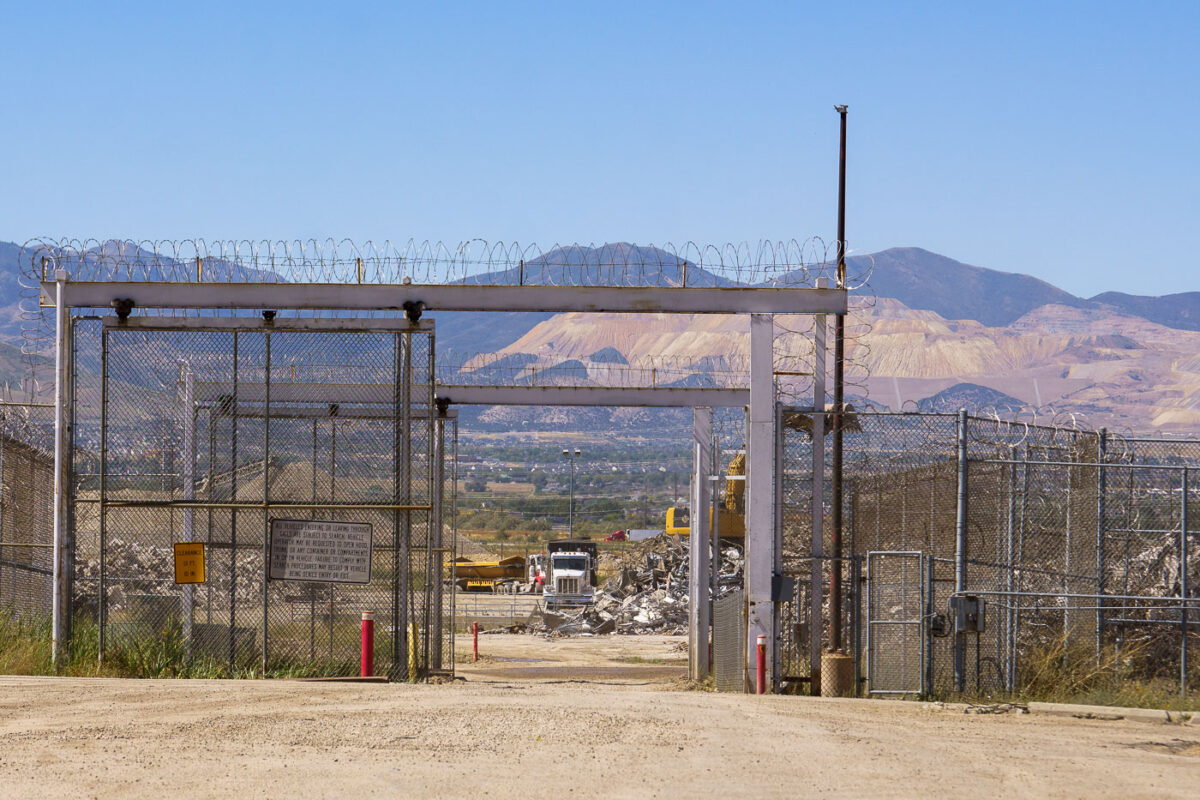
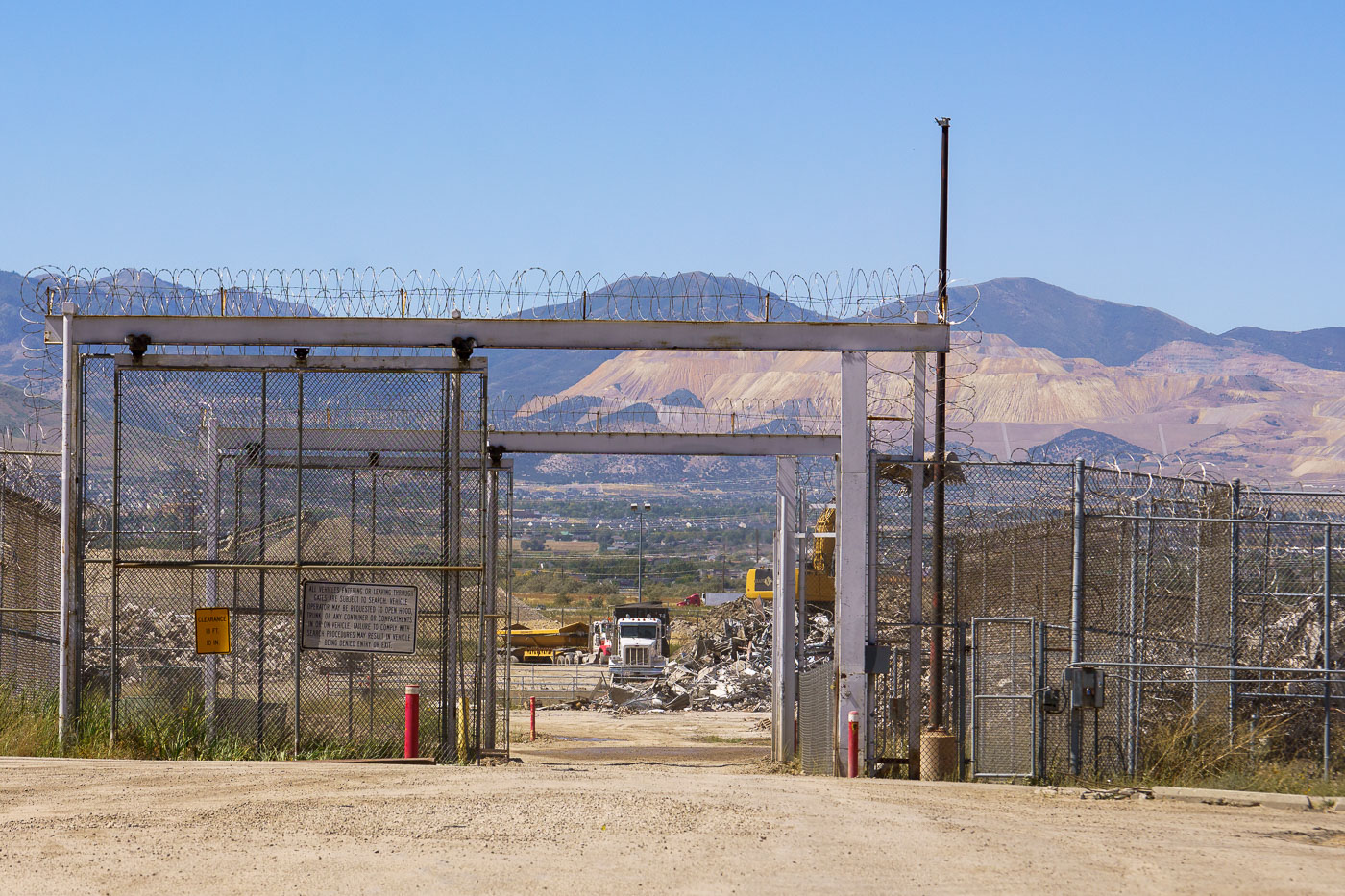
Security gate at the Olympus Correctional Facility in Draper, Utah, during demolition in September 2023.
The Olympus Correctional Facility in Draper, Utah, operated as part of the Utah State Prison complex before the state consolidated operations at the new Utah State Correctional Facility in Salt Lake City. Corrections officials closed the Draper site in 2022 after decades of use, clearing the way for redevelopment of the land near the Point of the Mountain. Demolition crews began dismantling the facility's structures in 2023, work that continued into the fall of that year. The surrounding property, long eyed for mixed-use development under the state's "Point of the Mountain" planning initiative, sits along the Salt Lake and Utah county line.

Security Gate at the Former Olympus Correctional Facility, Draper

Built in Minneapolis

Minneapolis Photographer

Browse by location, move through long-running series, or start with recent work.