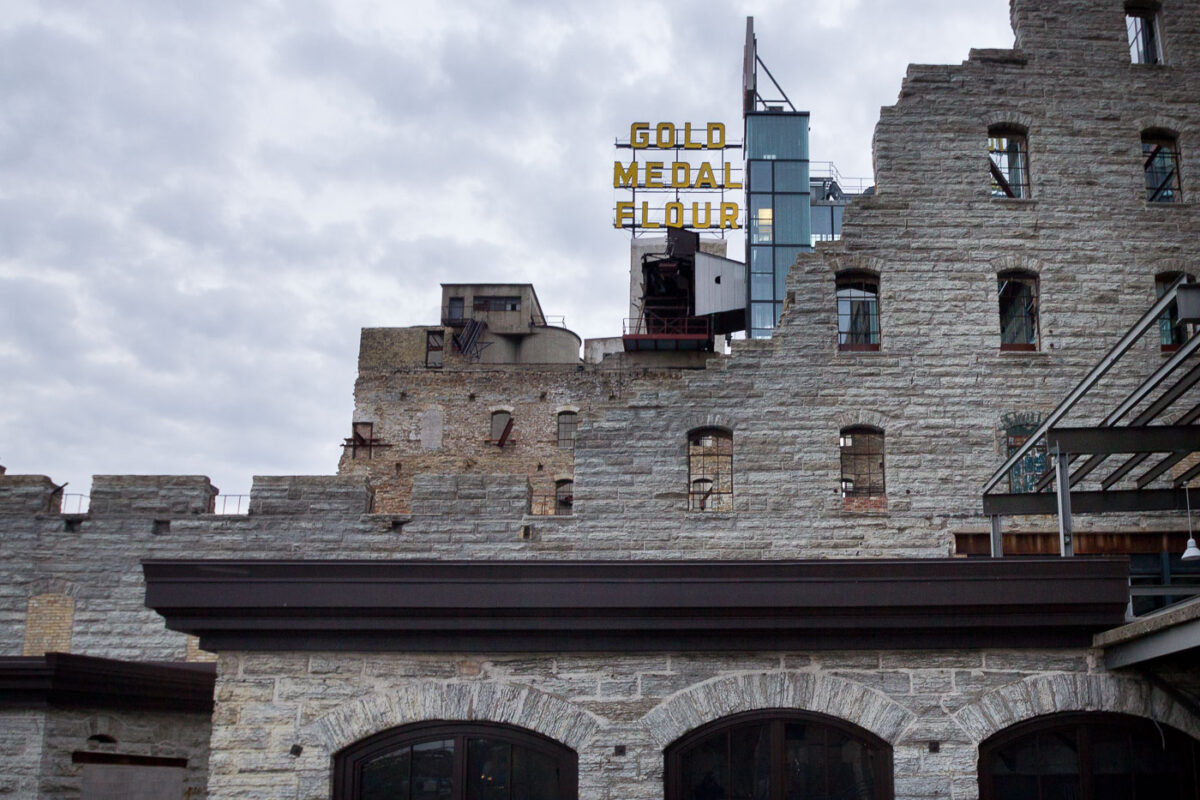
Gold Medal Flour Sign on Washburn Mill, Minneapolis
May 2014 — The old Washburn Mill in downtown Minneapolis, part of the Mill City Museum.
Explore photos tagged Flour Mill.
May 2014 — The old Washburn Mill in downtown Minneapolis, part of the Mill City Museum.
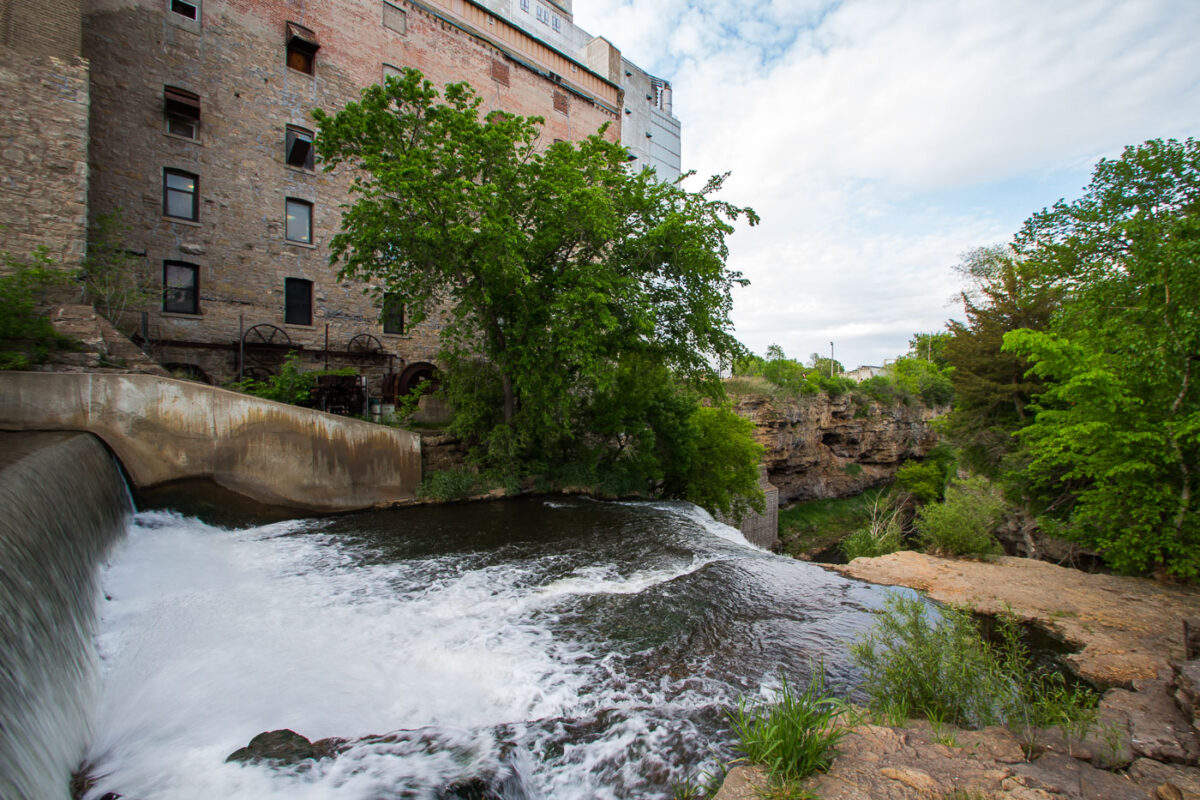
May 2015 — The Ardent Mills facility in Hastings, MN was the first operating mill in Minnesota. Per the company, the purifier, patent barrel and graham flour were invented here.
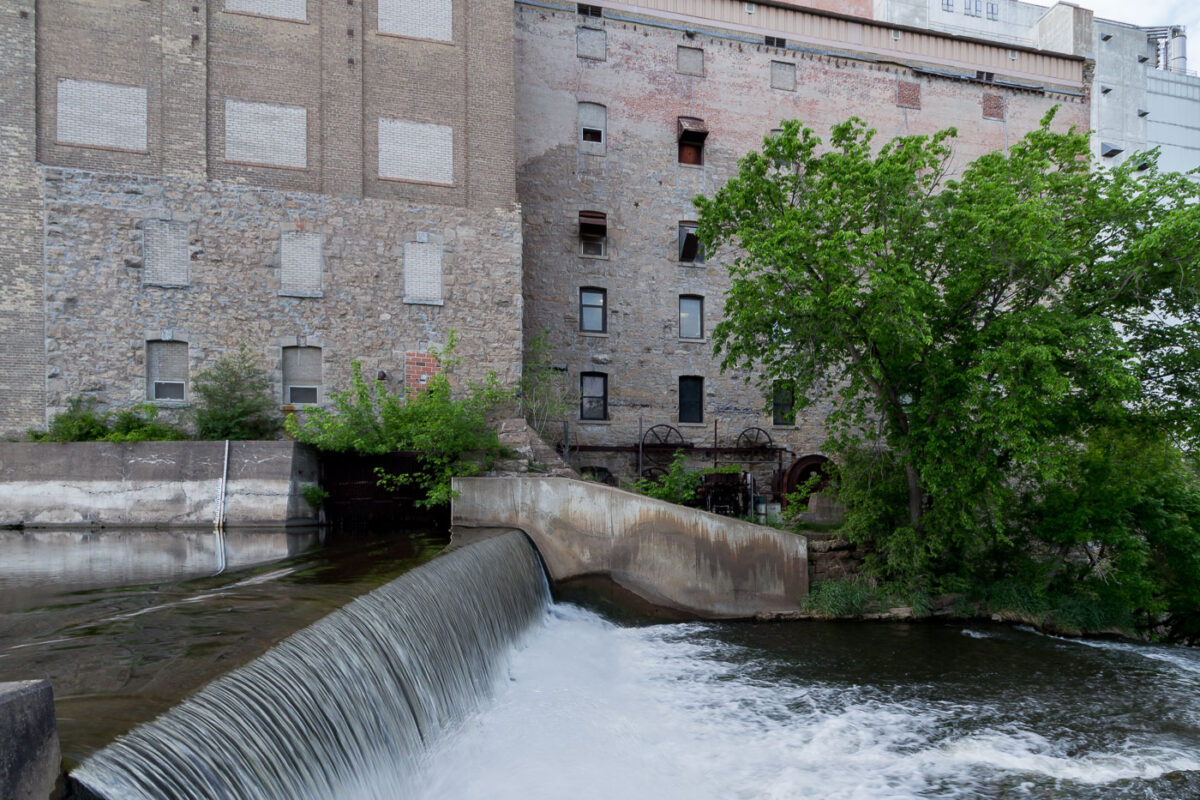
May 2015 — The Ardent Mills facility in Hastings, MN was the first operating mill in Minnesota. Per the company, the purifier, patent barrel and graham flour were invented here.
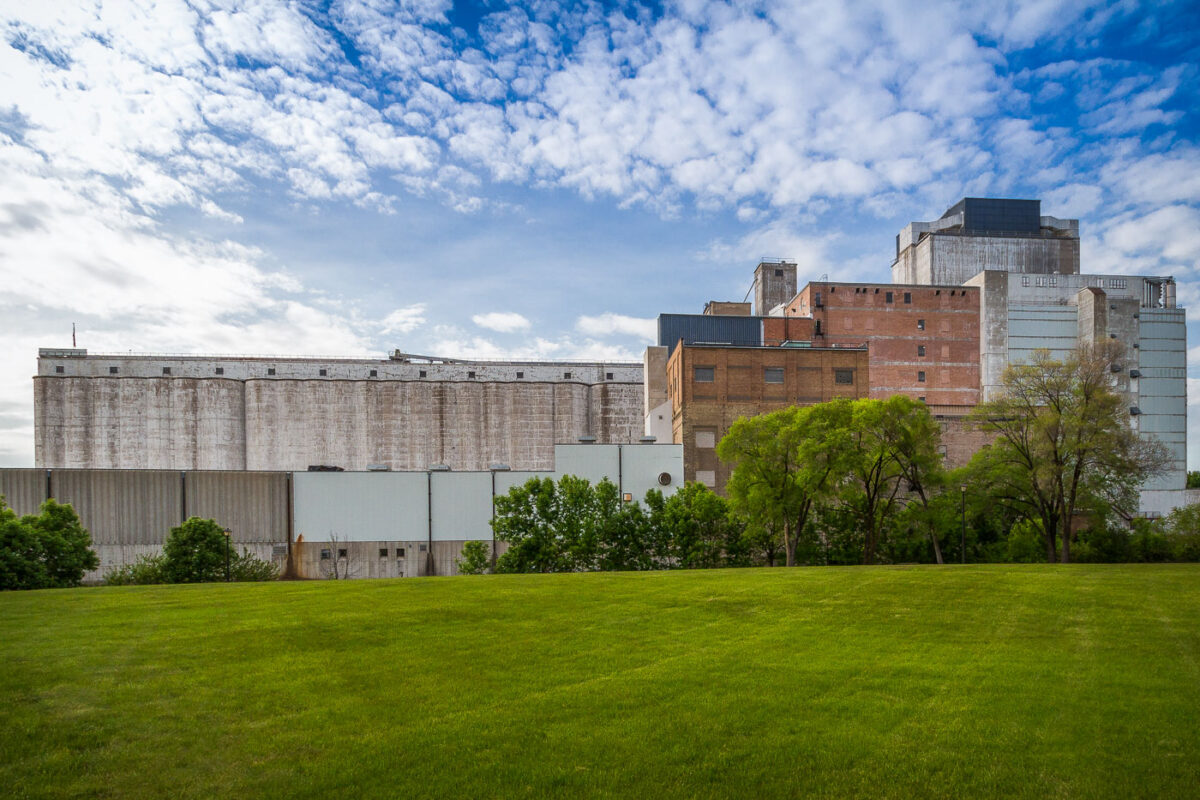
May 2015 — The Ardent Mills facility in Hastings, MN was the first operating mill in Minnesota. Per the company, the purifier, patent barrel and graham flour were invented here.
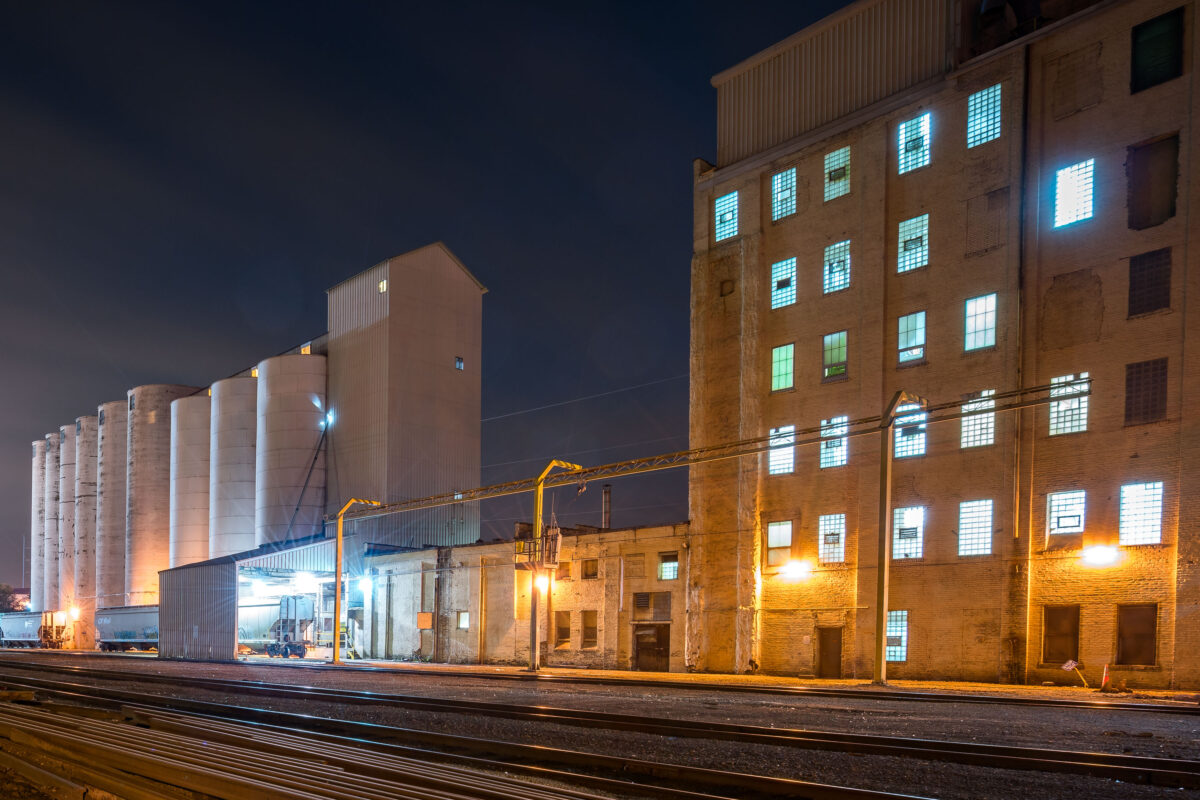
September 2017 —

June 2019 — The Pillsbury A-Mill is a former flour mill located on the east bank of the Mississippi River in Minneapolis, Minnesota. It held the distinction of being the world's largest flour mill for 40 years. Completed in 1881, it was owned by the Pillsbury Company and operated two of the most powerful direct-drive waterwheels ever built, each capable of generating 1,200 horsepower (895 kW). The mill was named a National Historic Landmark in 1966 and has since been converted into resident artist lofts.
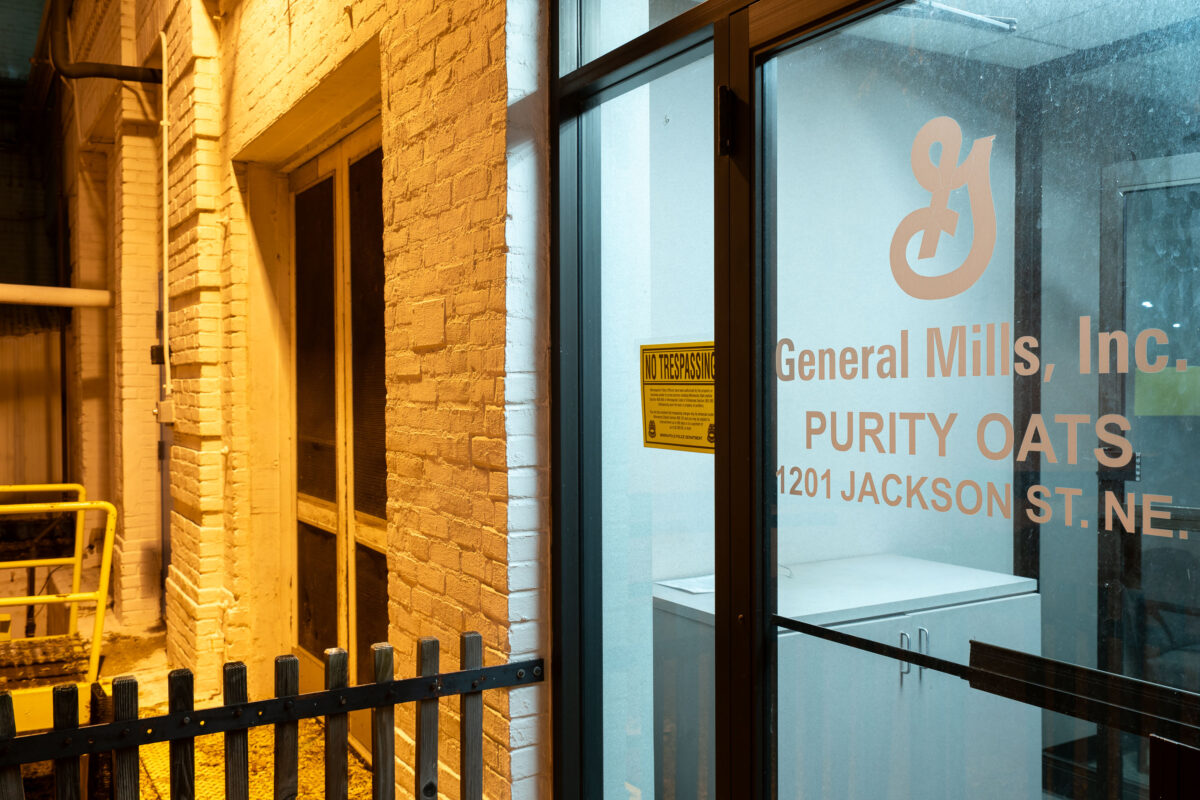
November 2019 — Once part of the vast milling network that shaped Minneapolis’s industrial identity, this now-closed General Mills Purity Oats plant at 1201 Jackson Street NE reflects the city’s transition from global grain hub to post-industrial reuse. The modest brick complex, still bearing its original signage, served as a specialized processing site within the company’s broader cereal operations before its eventual closure. Its preservation offers a glimpse into the city’s enduring ties to the flour and oat industries that once defined the Mississippi River corridor.
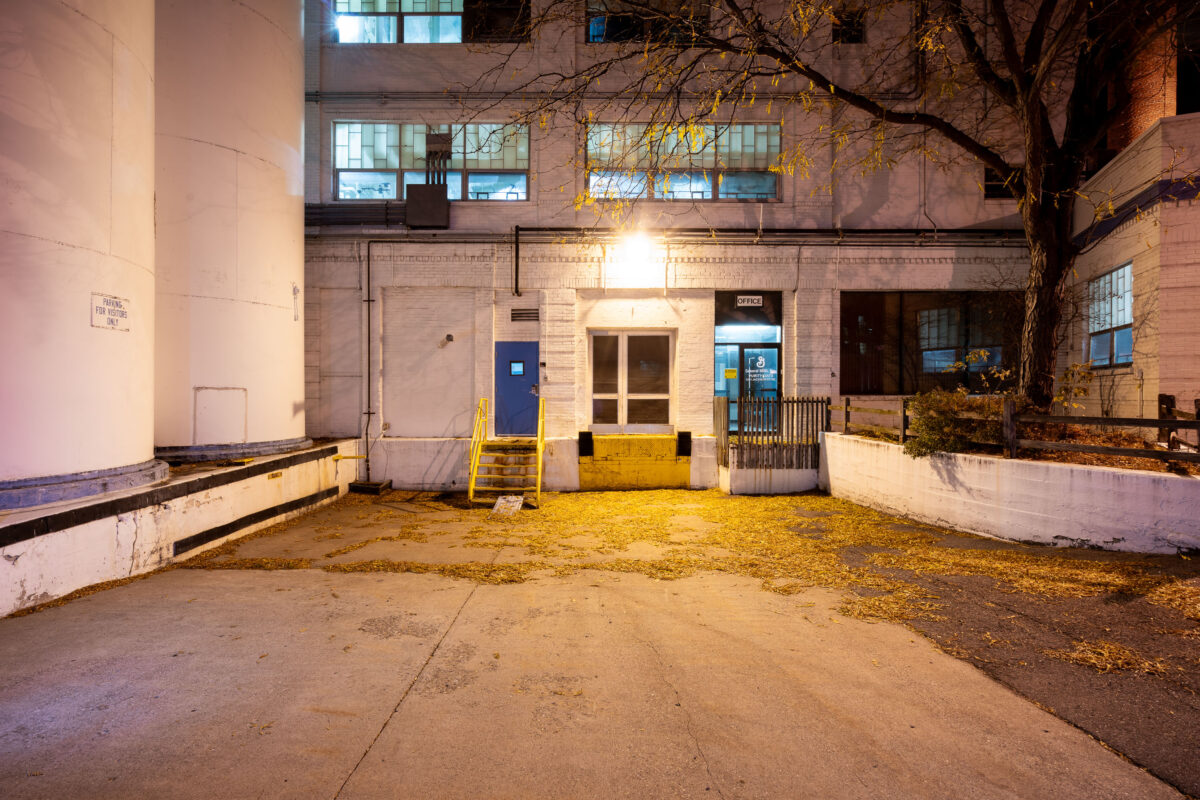
November 2019 — This view shows the rear loading and office entrance of the former General Mills Purity Oats facility in Northeast Minneapolis. Built during the city’s industrial boom, the complex once handled oat processing and packaging for one of the nation’s largest cereal producers. The structure’s painted brick walls, grain silos, and utilitarian layout are characteristic of mid-20th-century food-processing plants that supported the city’s reputation as the “Flour Milling Capital of the World.”
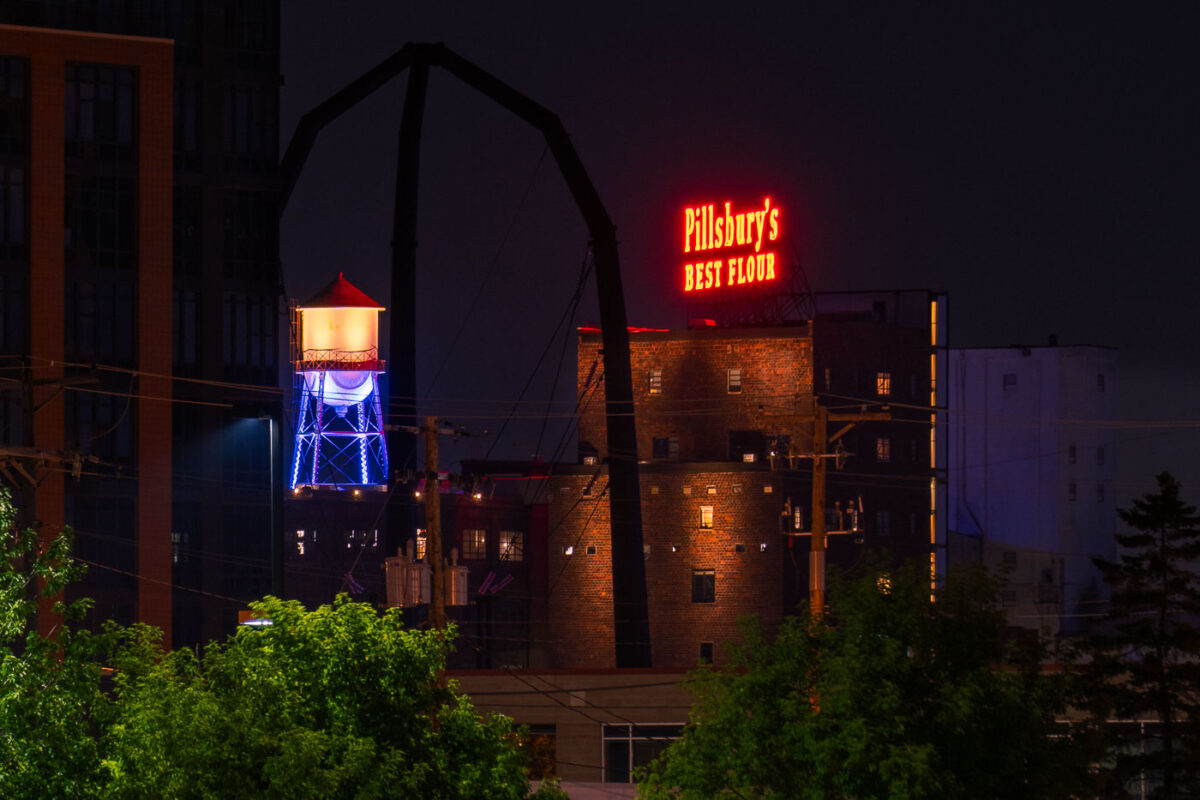
July 2021 — The former Pillsbury flour mill near downtown Minneapolis. It's since been renovated into condos.
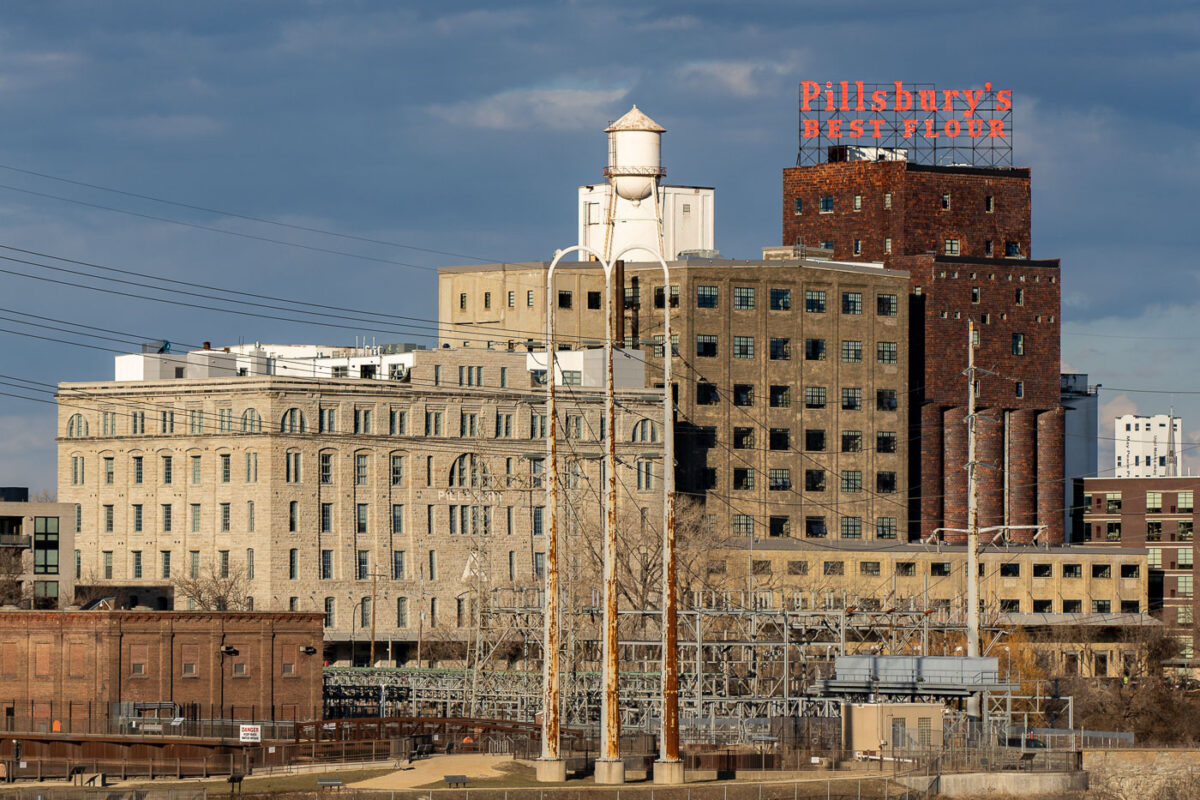
April 2022 — The former Pillsbury flour mills as seen from downtown Minneapolis.
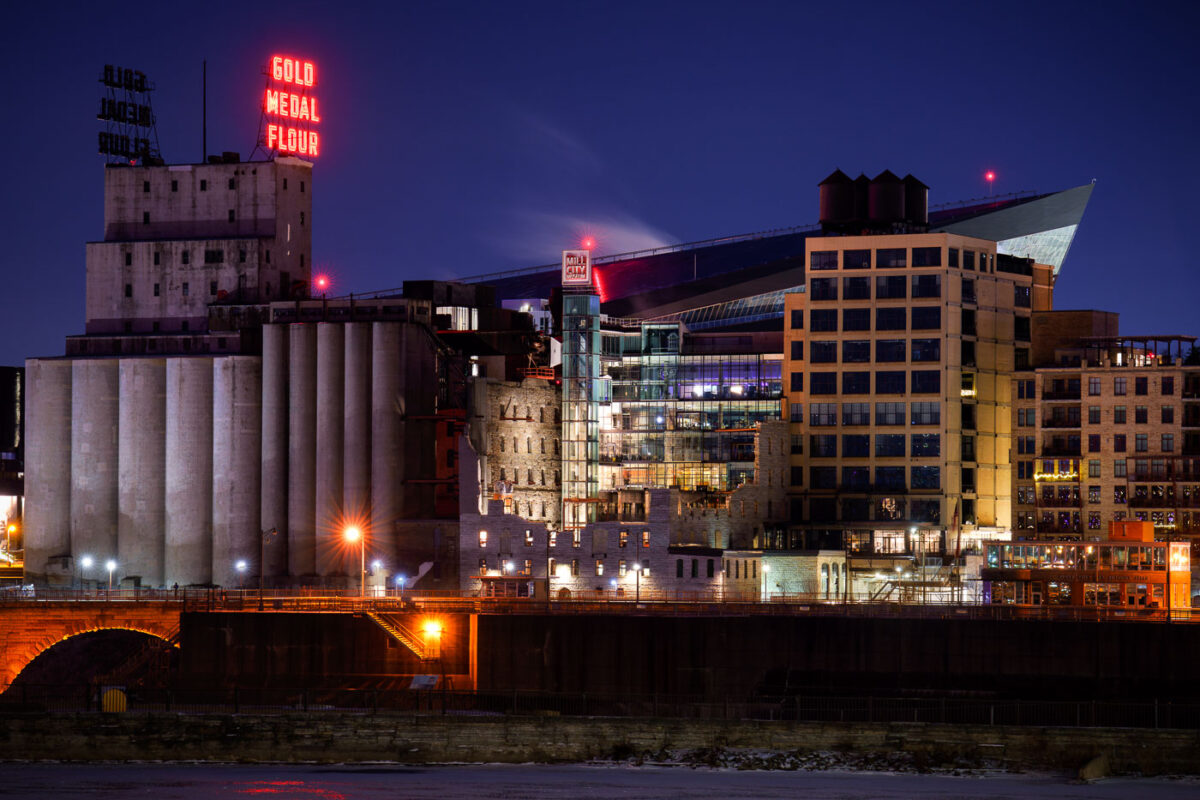
January 2024 — The Washburn A Mill, the world's largest flour mill when built and now part of the Mill City Museum. Nominated in USA Today as the best history museum for 2nd year in a row. 4th place last year, this years voting ends on 02/12.
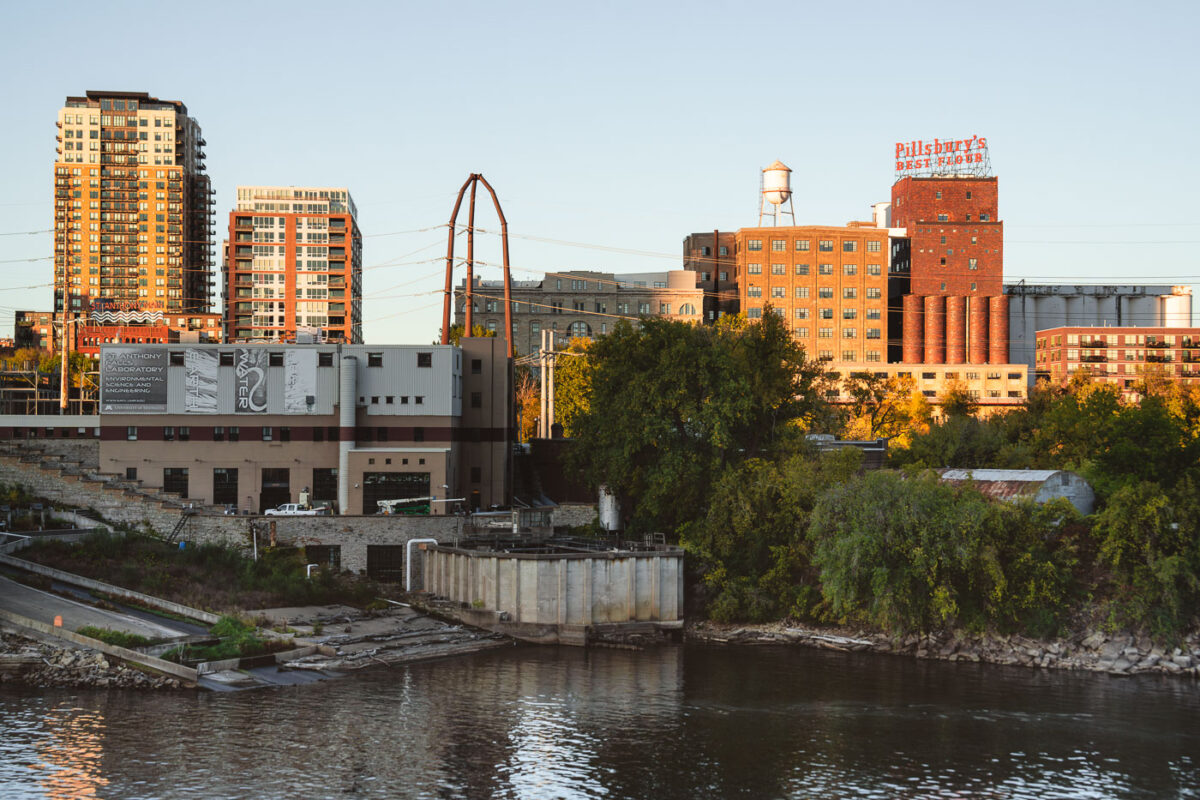
October 2025 — The Pillsbury A-Mill, completed in 1881 on the east bank of the Mississippi River, was once the largest flour mill in the world and a symbol of Minneapolis’s dominance in global grain production. Designed by architect LeRoy Buffington and engineer William de la Barre, the mill harnessed the power of St. Anthony Falls to grind over 5,000 barrels of flour a day at its peak. Its innovative use of water turbines, reinforced limestone walls, and massive storage elevators represented the cutting edge of 19th-century milling technology. Today, the restored complex — now repurposed as artist lofts — stands as a National Historic Landmark and a reminder of the city’s industrial ingenuity.