Place Archive

Panama City Beach

Panama City Beach, Florida, features white sand beaches along the Gulf Coast and has developed since the mid-20th century into a major resort destination. Club La Vela, once advertised as the largest nightclub in the U.S., was a landmark attraction until its closure after Hurricane Michael in 2018.

2 photo sets 9 photos

Photo Sets

Map

Photo Map

Markers

Panama City Beach Photo Locations

8 geotagged photos

Photos
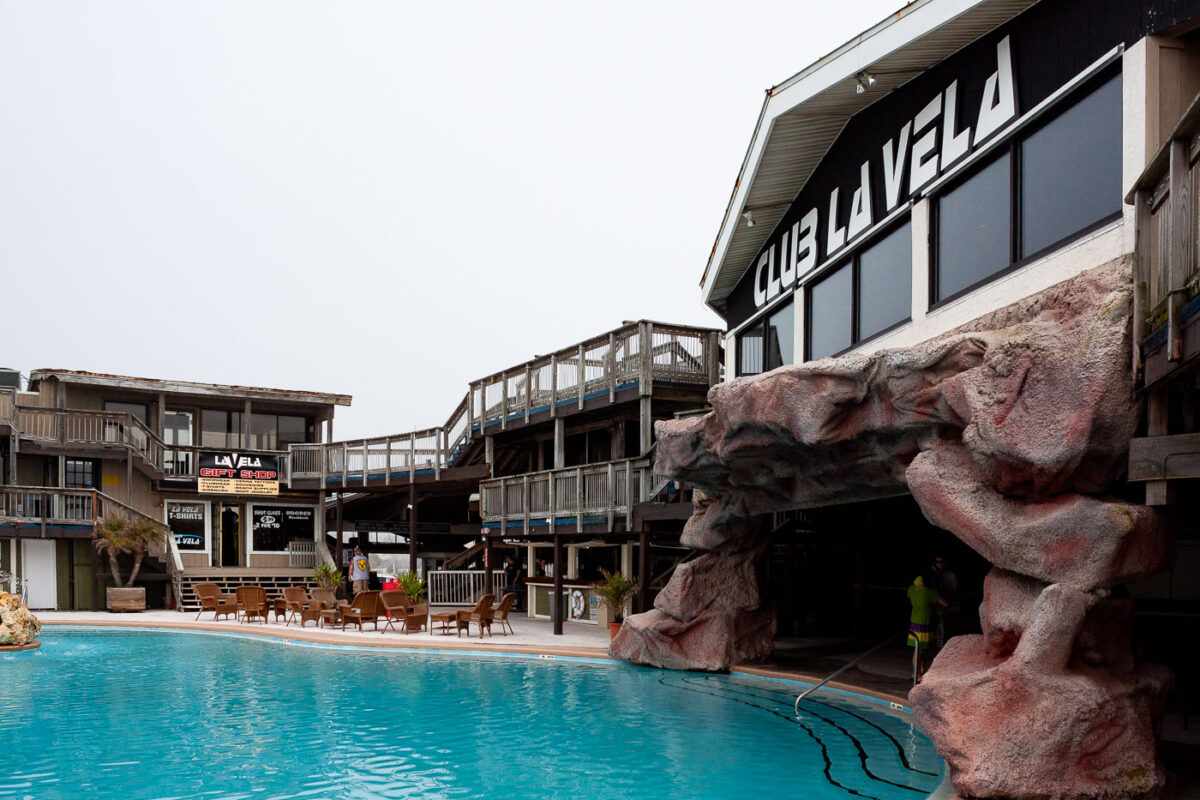
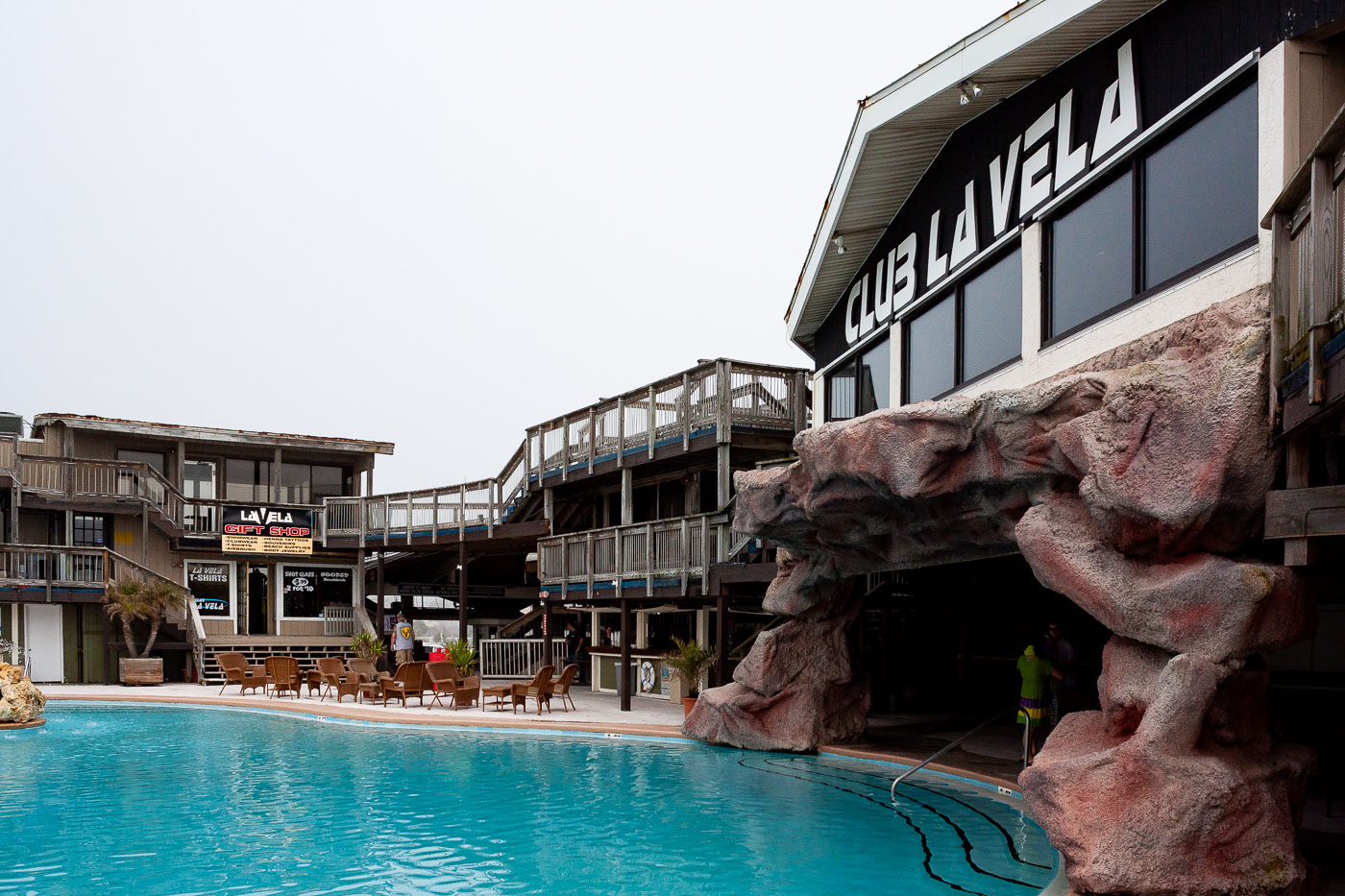
Club La Vela, a former nightclub in Panama City Beach, Florida, featured a large pool area and was once advertised as the largest nightclub in the US. It closed after Hurricane Michael damage in 2018.
Club La Vela, a former nightclub in Panama City Beach, Florida, was once advertised as the largest nightclub in the United States. The establishment featured multiple rooms and entertainment venues, including a large pool area. It ceased operations permanently following damage sustained from Hurricane Michael in 2018.
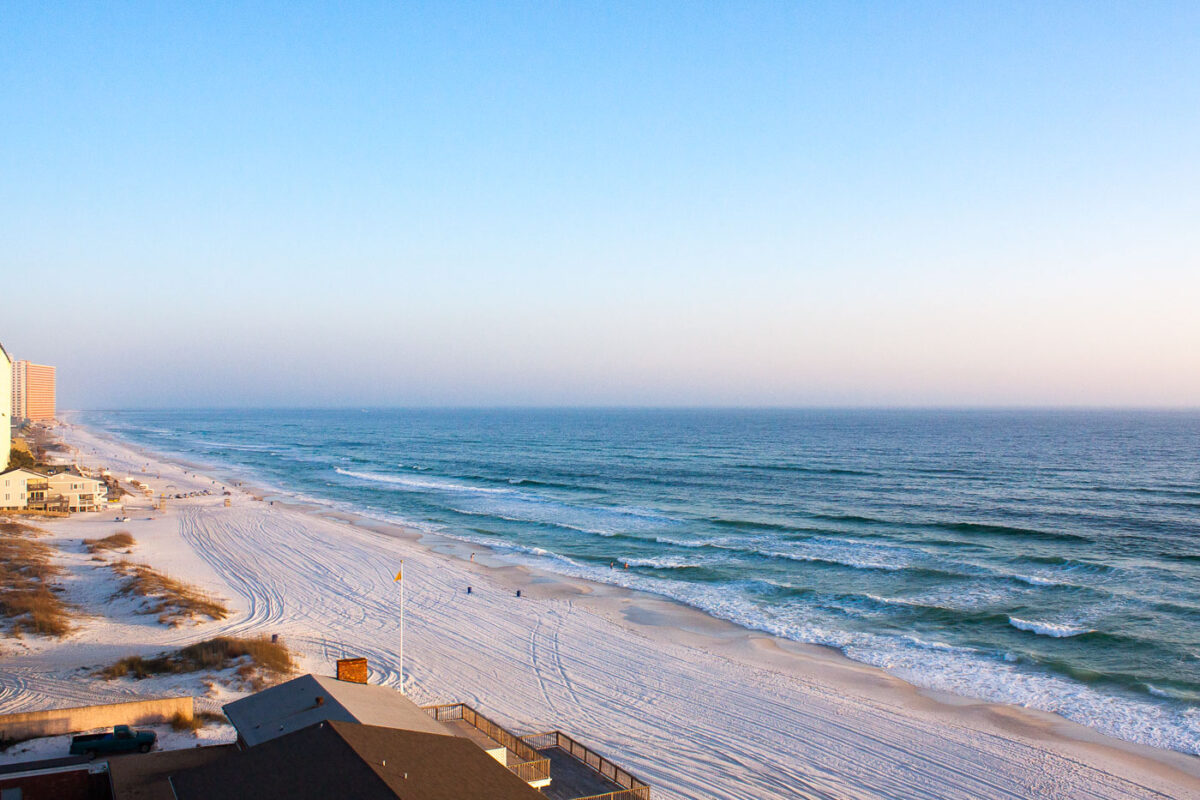
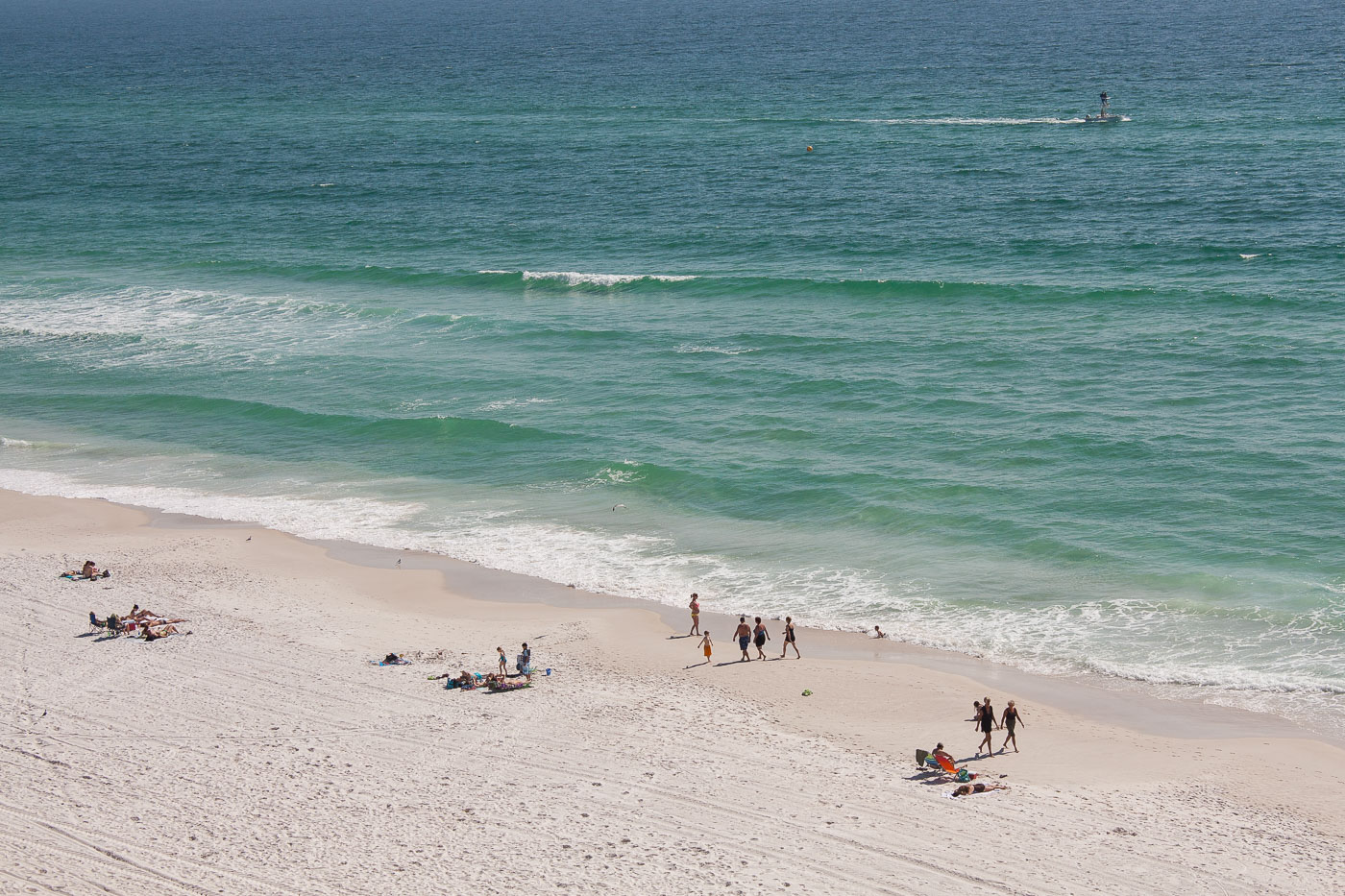
Beachgoers relax on the sandy shores of Panama City Beach, Florida, with the Gulf of Mexico waters in the background. A boat is visible offshore.
Beachgoers enjoy the Gulf of Mexico waters and sandy shores of Panama City Beach, Florida. This coastal city is a popular tourist destination, known for its white sand beaches and clear waters, attracting visitors seeking relaxation and water activities. The area's development as a resort town began in the mid-20th century, transforming it into a significant economic hub for the Florida Panhandle. Today, Panama City Beach continues to be a prominent location for leisure and tourism along the Gulf Coast.
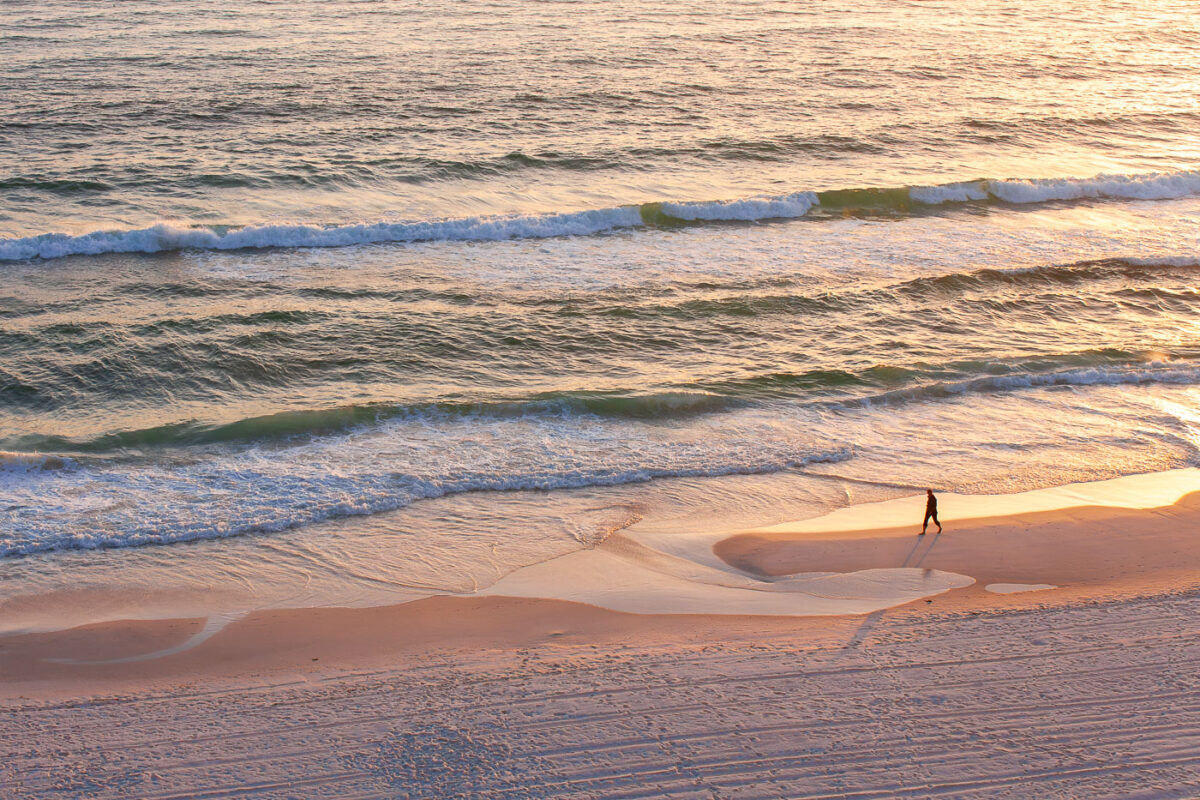
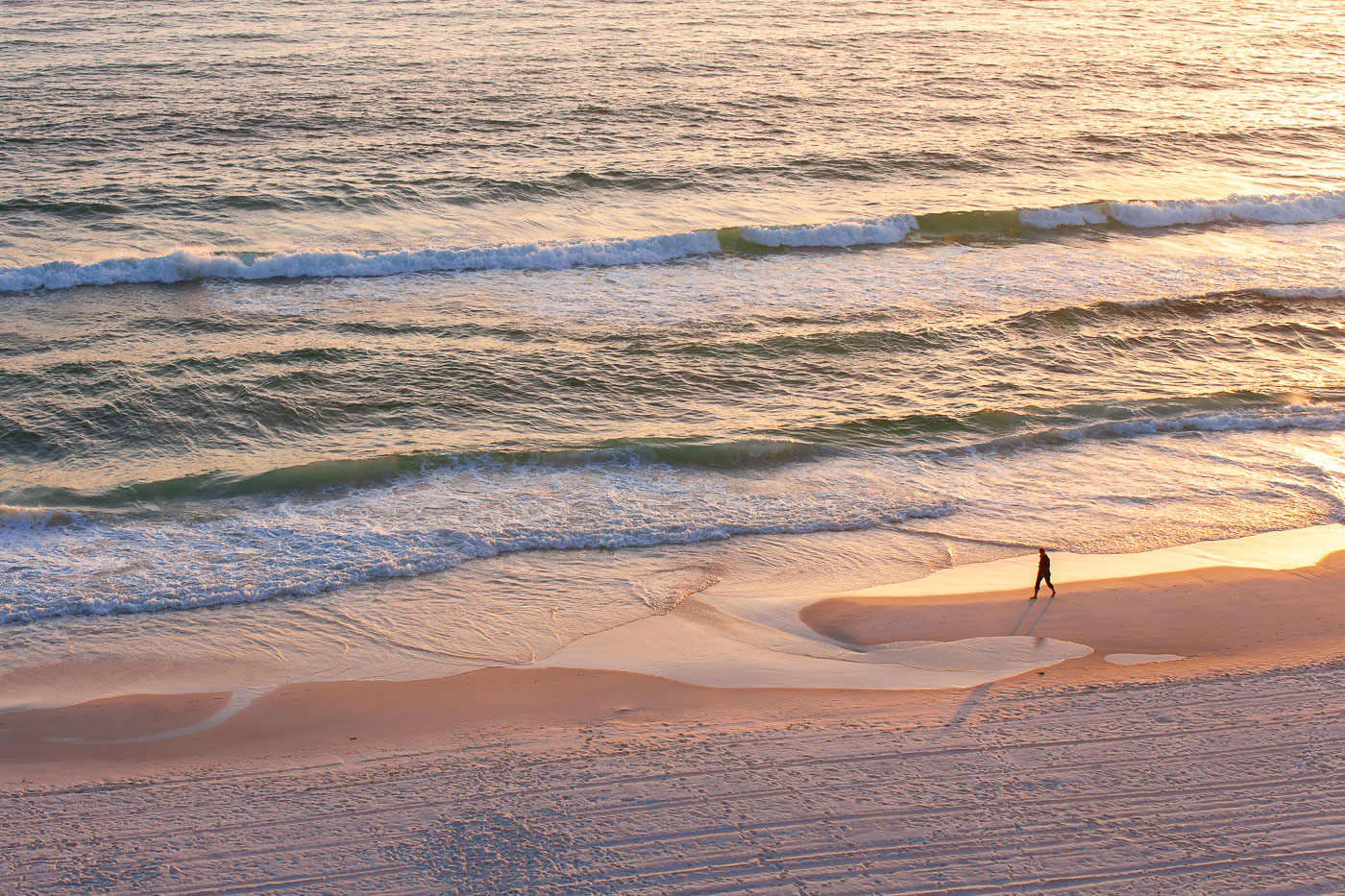
A person walks on the beach at Panama City Beach, Florida, along the Gulf Coast, during sunset.
A lone individual walks along the shoreline of Panama City Beach, Florida, on the Gulf Coast. This stretch of coastline is known for its white sand beaches and clear waters, attracting visitors for tourism and leisure activities. The area has a history of development tied to its appeal as a vacation destination, particularly for spring break travelers. Today, Panama City Beach remains a popular spot for beachgoers, water sports, and enjoying the natural beauty of the Florida Panhandle.
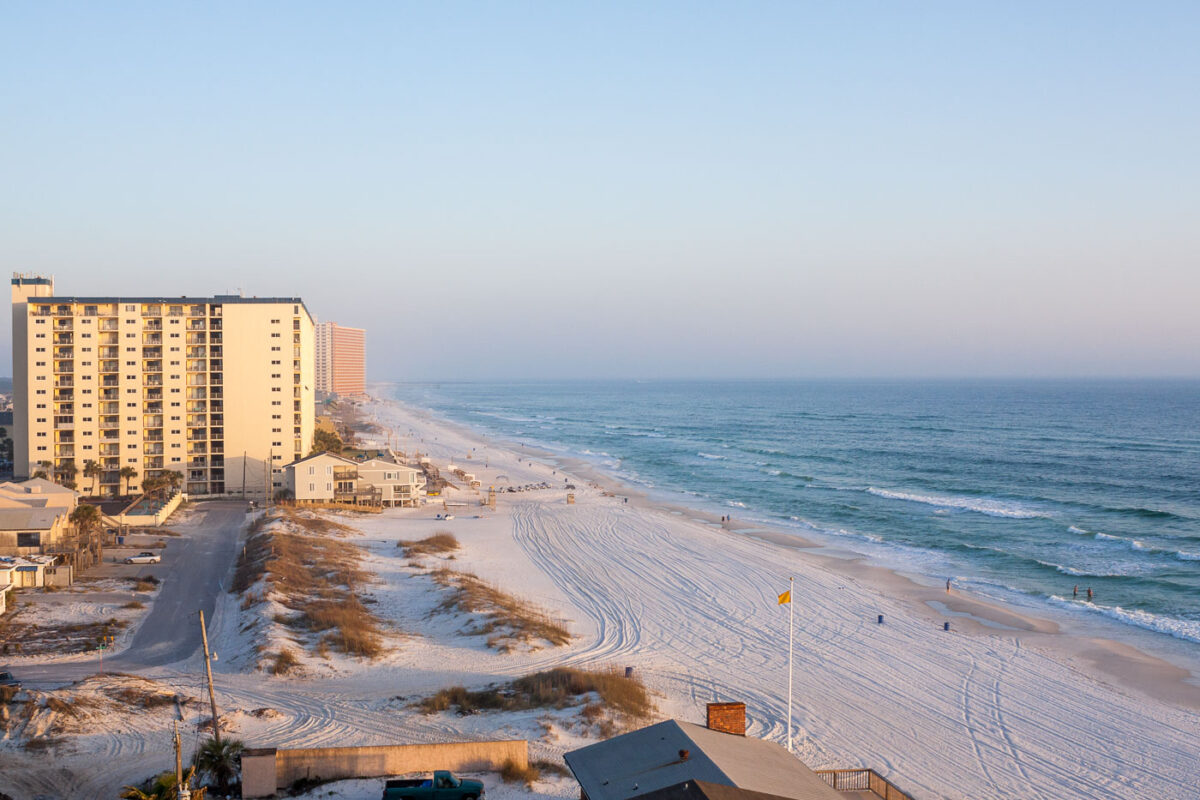
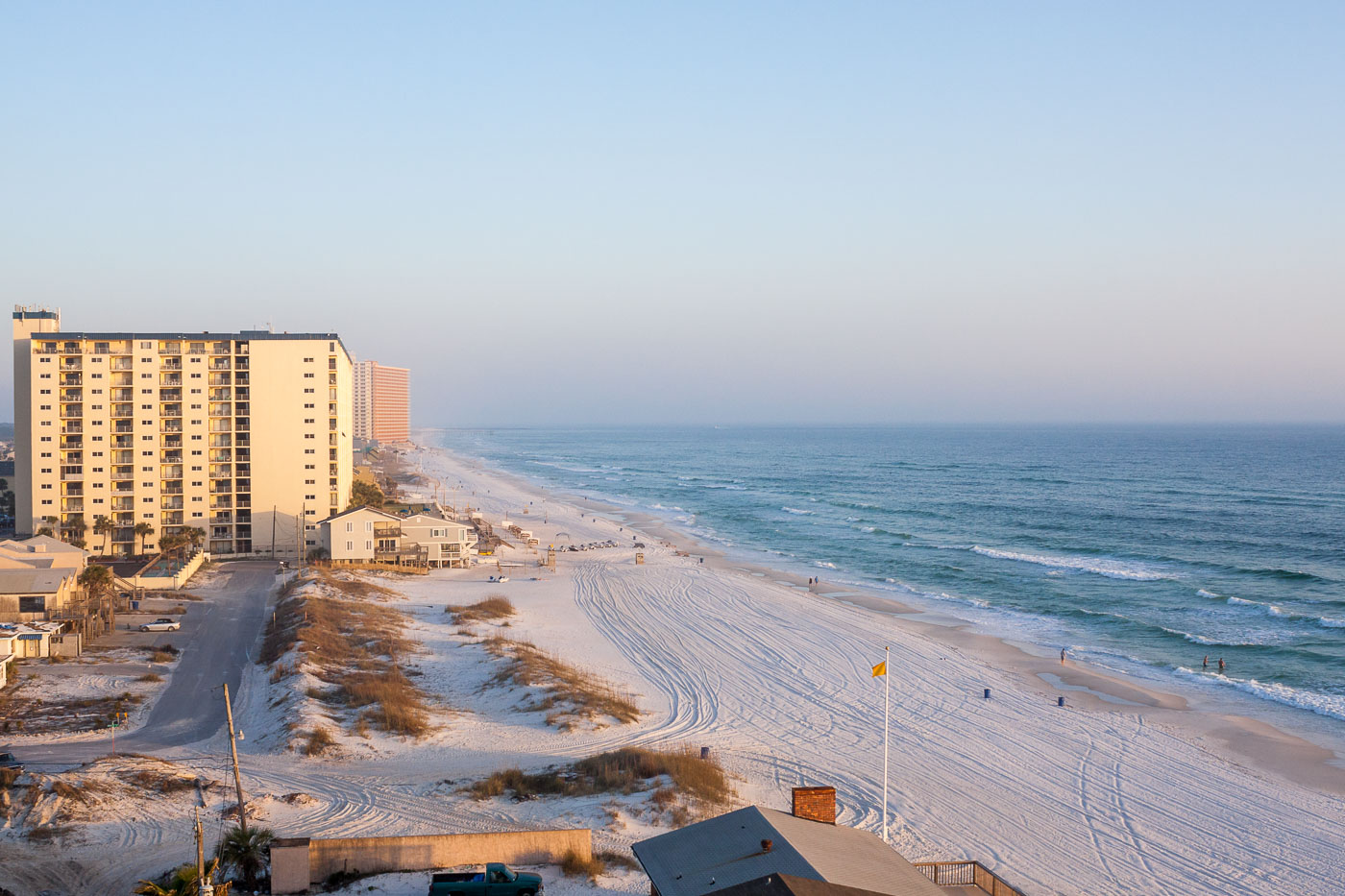
Panama City Beach, Florida, features high-rise condominiums along the Gulf Coastline, with white sand beaches and turquoise waters.
Panama City Beach, Florida, is a popular tourist destination on the Gulf Coast known for its white sand beaches and clear waters. The development of high-rise condominiums, such as those seen here, began in the latter half of the 20th century, transforming the area into a major resort town. These structures provide accommodations for visitors and contribute to the distinctive coastal architecture of the region. The beach itself remains a primary draw, utilized for various water activities and leisure.
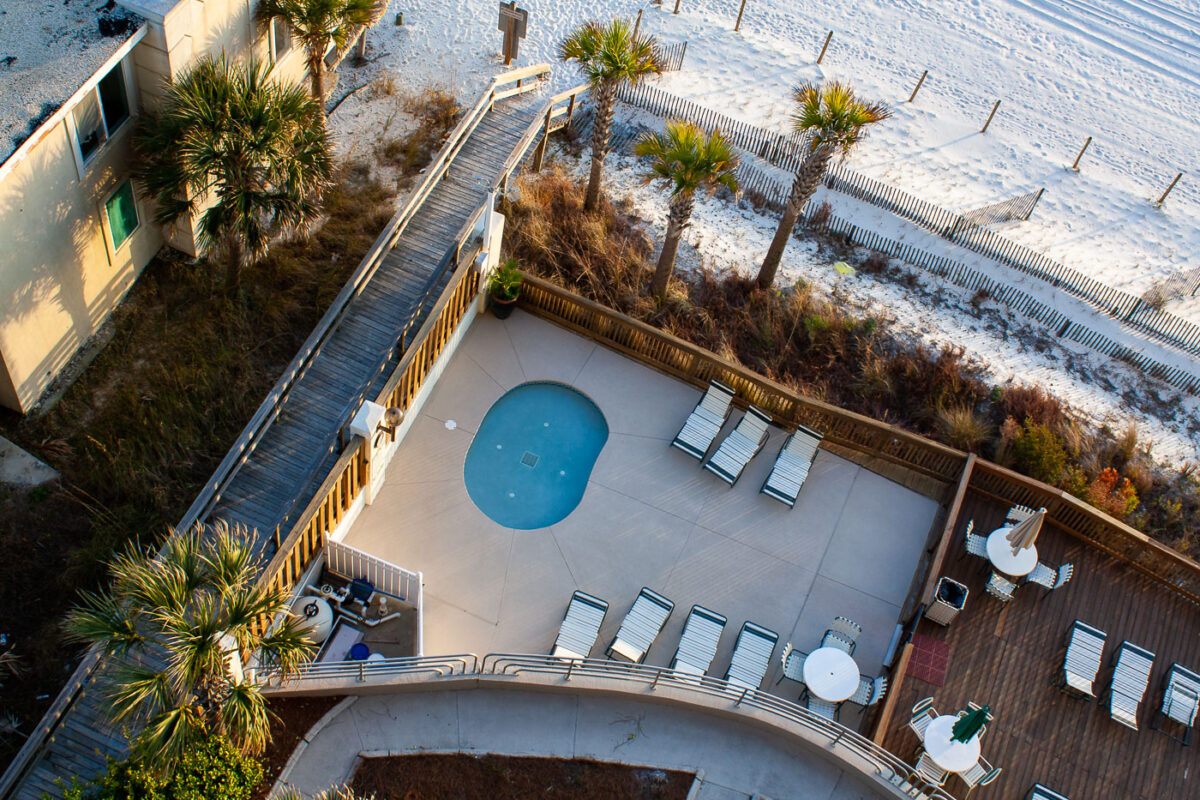
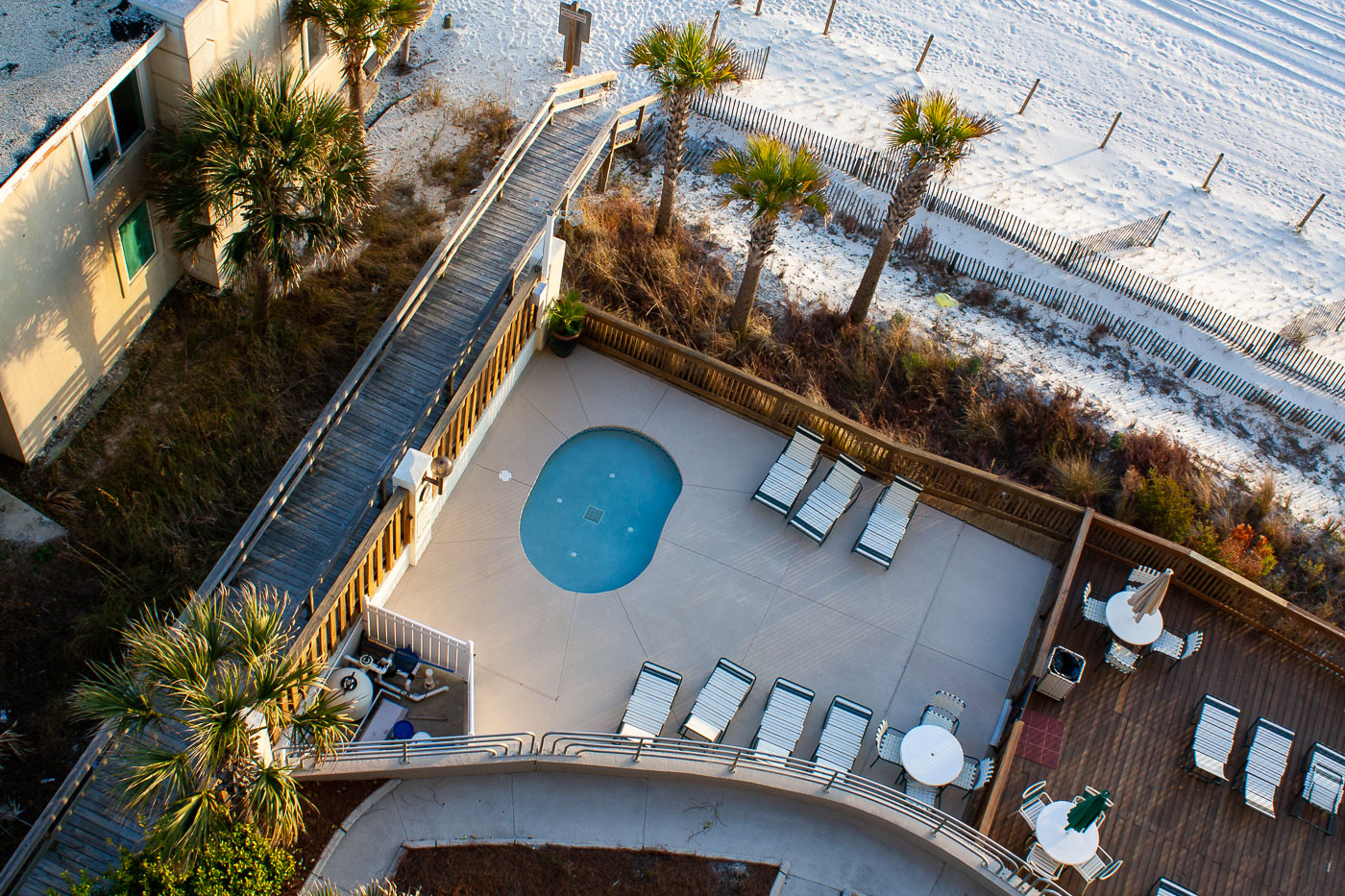
Aerial view of a resort pool and boardwalk in Panama City Beach, Florida, offering leisure amenities and beach access.
This aerial view showcases the pool and boardwalk area of a resort in Panama City Beach, Florida. The resort's amenities include a swimming pool, a hot tub, and a wooden boardwalk that provides access to the sandy beach. Such facilities are characteristic of coastal resorts designed to offer leisure and relaxation to visitors. The presence of lounge chairs and outdoor seating areas indicates the area's function as a space for guests to enjoy the beach environment and resort services.
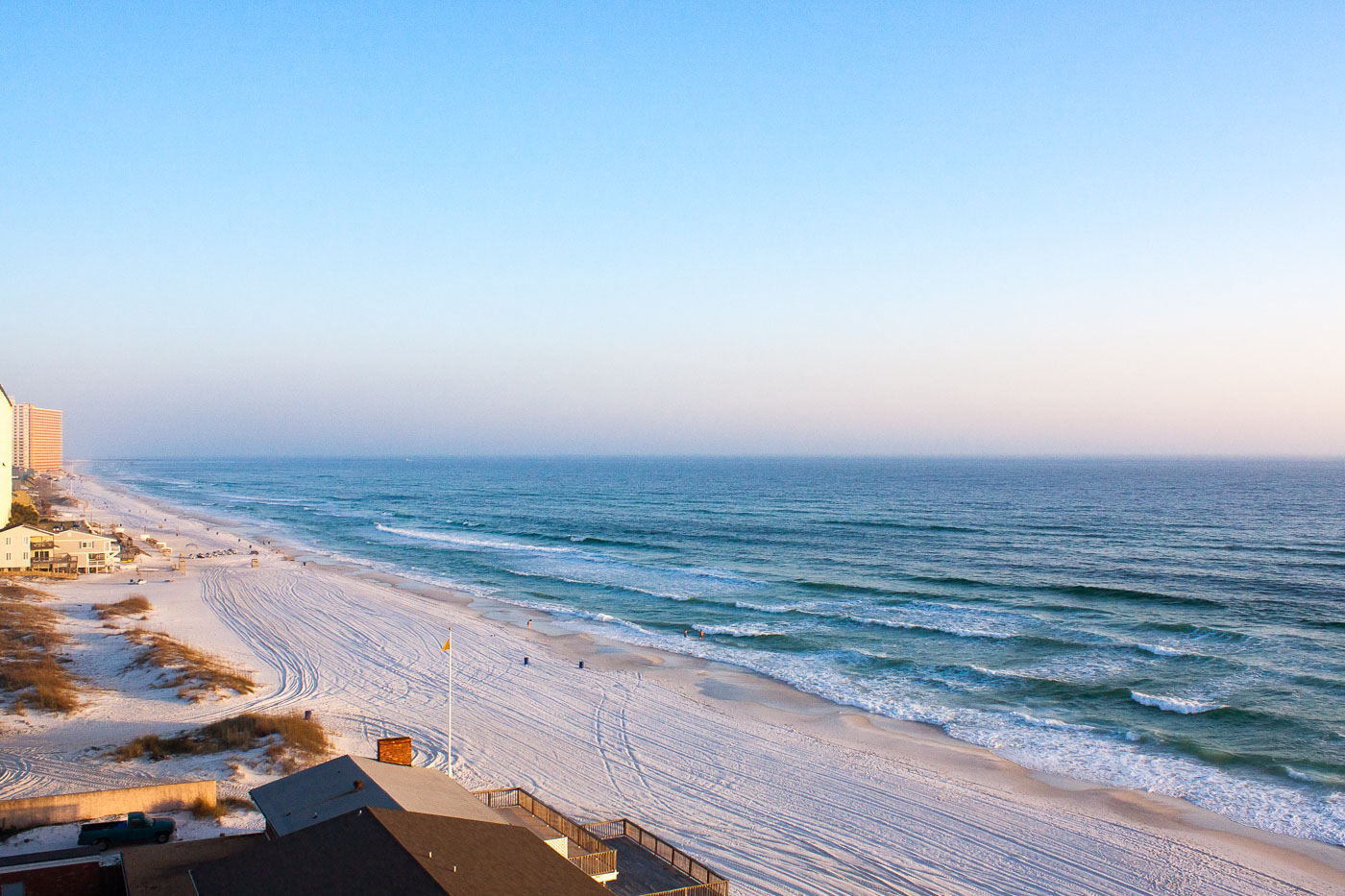
The Gulf of Mexico coastline at Panama City Beach, Florida, features white sand beaches and developed resort areas.
The coastline of Panama City Beach, Florida, borders the Gulf of Mexico. This area has a long history as a popular tourist destination, particularly known for its white sandy beaches and clear waters. Development in Panama City Beach accelerated in the mid-20th century, transforming it from a quiet fishing village into a vibrant resort town. Today, the beach remains a significant economic driver for the region, attracting visitors for its natural beauty and various water activities.
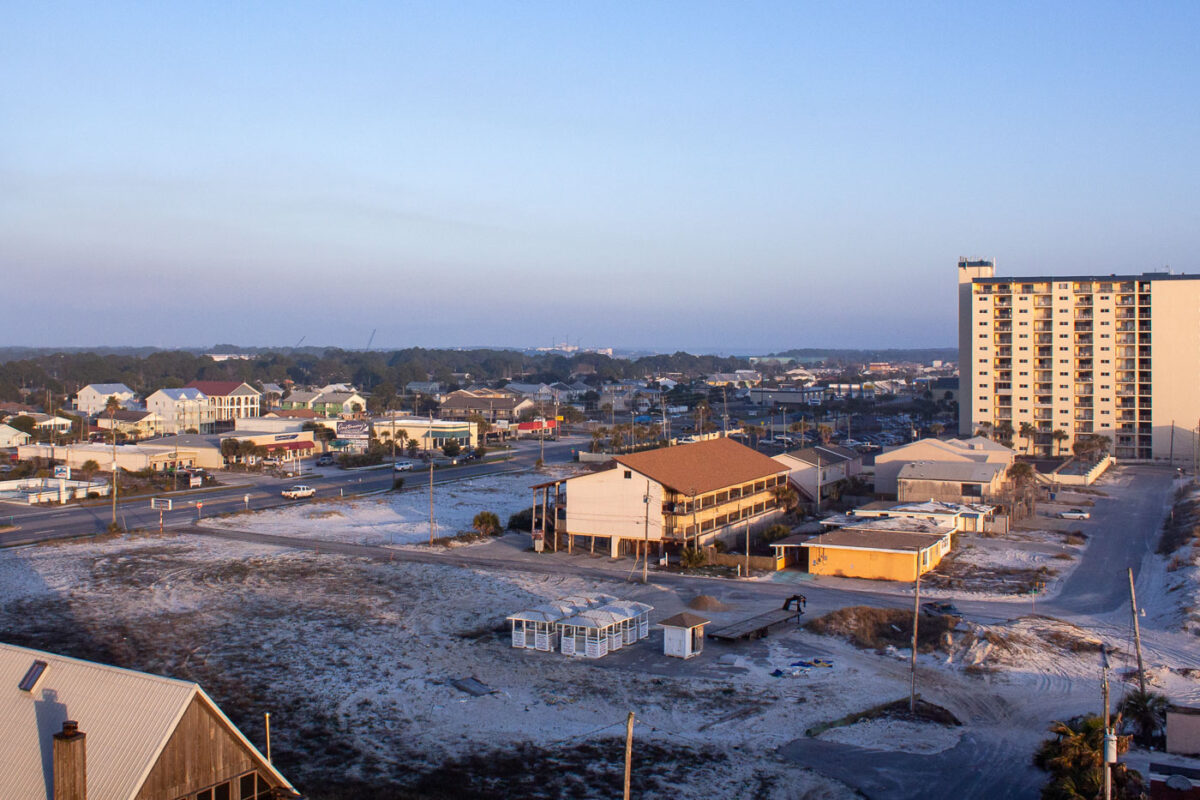
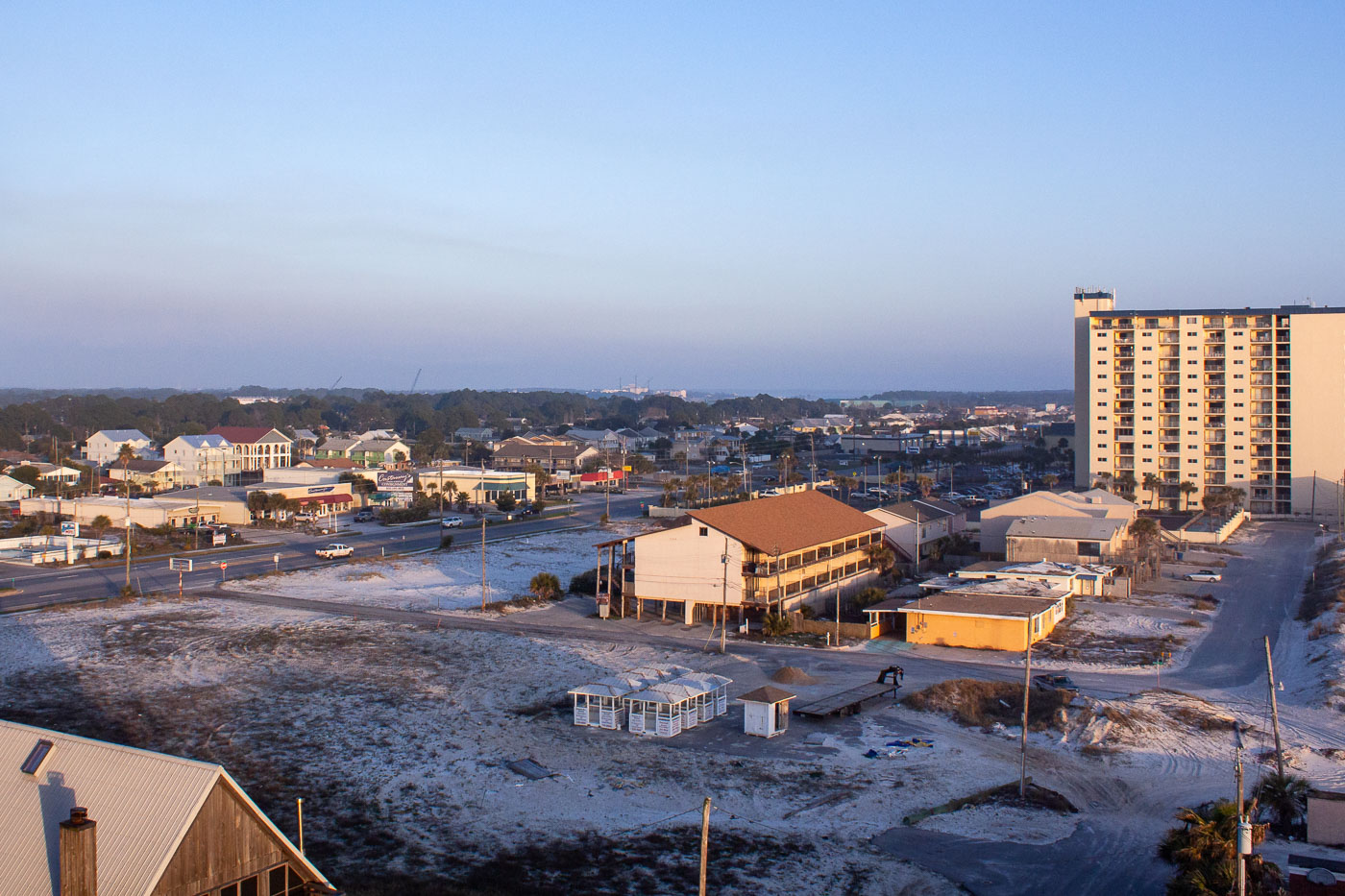
Panama City Beach, Florida, February 2011. A coastal community with low-rise commercial buildings and a high-rise hotel, set against sand dunes and sparse vegetation.
Panama City Beach, Florida, in February 2011. This coastal community is known for its white sandy beaches and serves as a popular tourist destination. The photograph captures a mix of low-rise commercial buildings and a prominent high-rise hotel, indicative of the area's development to accommodate visitors. The presence of sand dunes and sparse vegetation suggests the natural coastal environment that defines the region's appeal and economy.
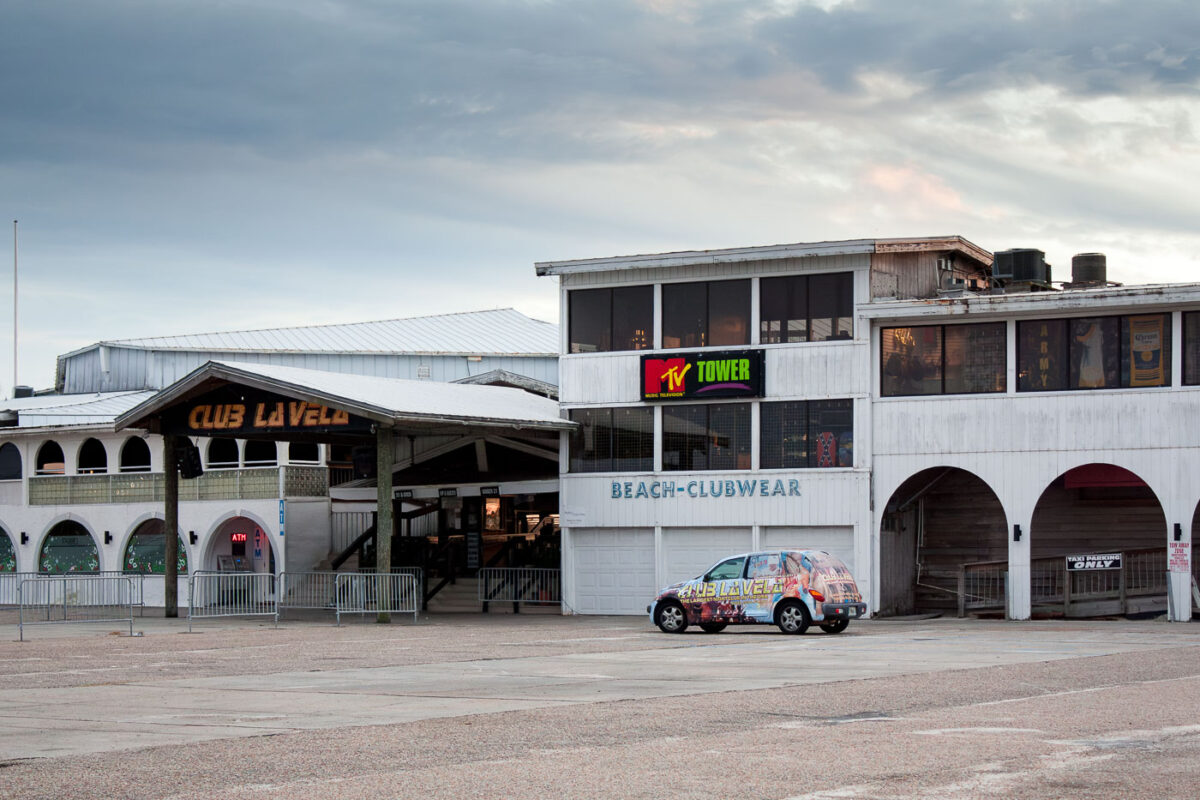
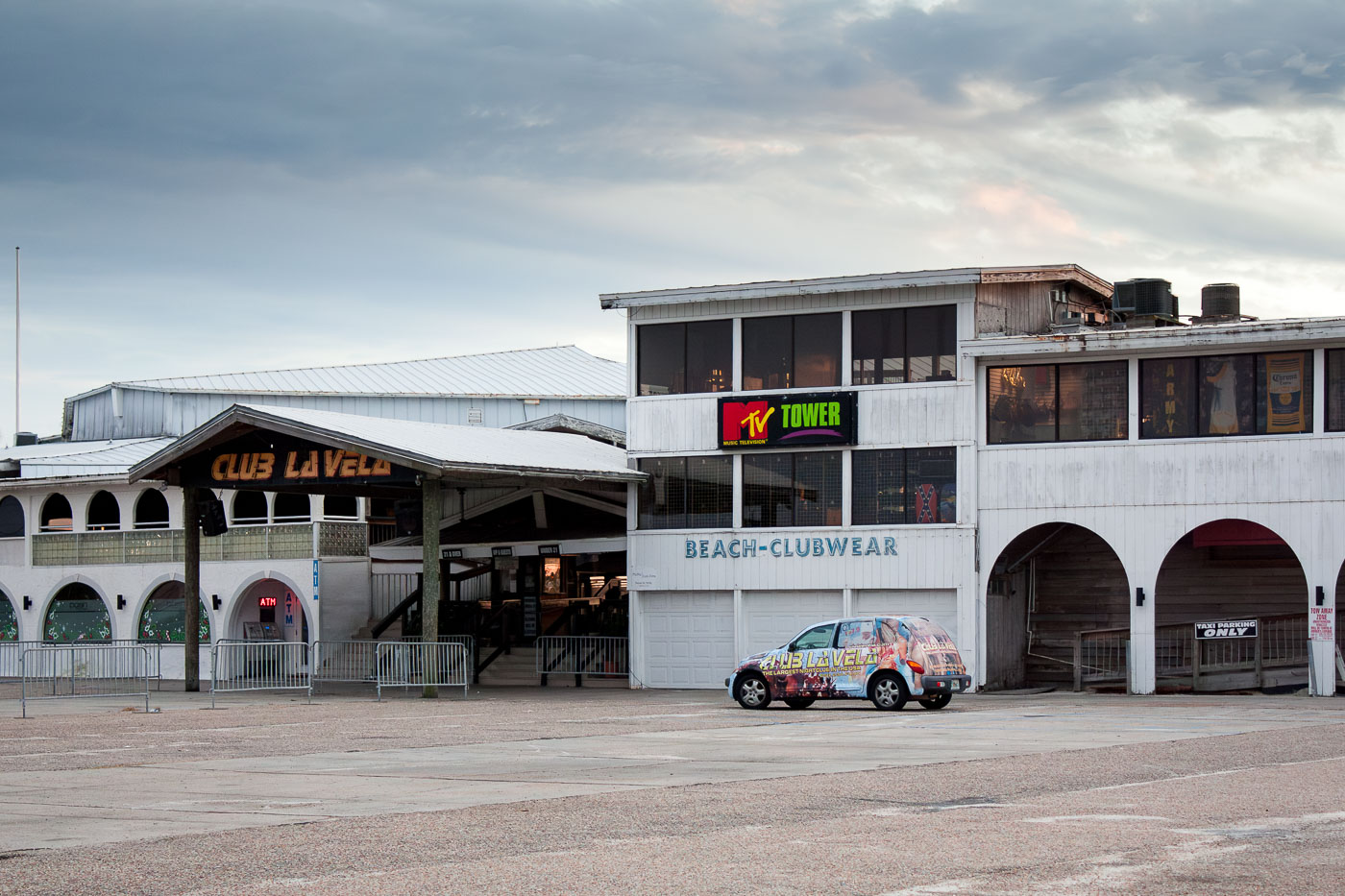
Club La Vela, a large nightclub complex in Panama City Beach, Florida, is pictured in 2009. The establishment was known as 'The Largest Nightclub in the USA'.
Club La Vela, a large nightclub complex in Panama City Beach, Florida, is pictured in 2009. The building features multiple entrances, a prominent sign for 'CLUB LA VELA,' and a 'BEACH-CLUBWEAR' store. A car wrapped in advertisements for the club is parked in front of the structure. Club La Vela was known as 'The Largest Nightclub in the USA' and was a popular destination for spring break visitors. The establishment hosted numerous events and parties, contributing to the vibrant nightlife scene of Panama City Beach during the late 2000s.
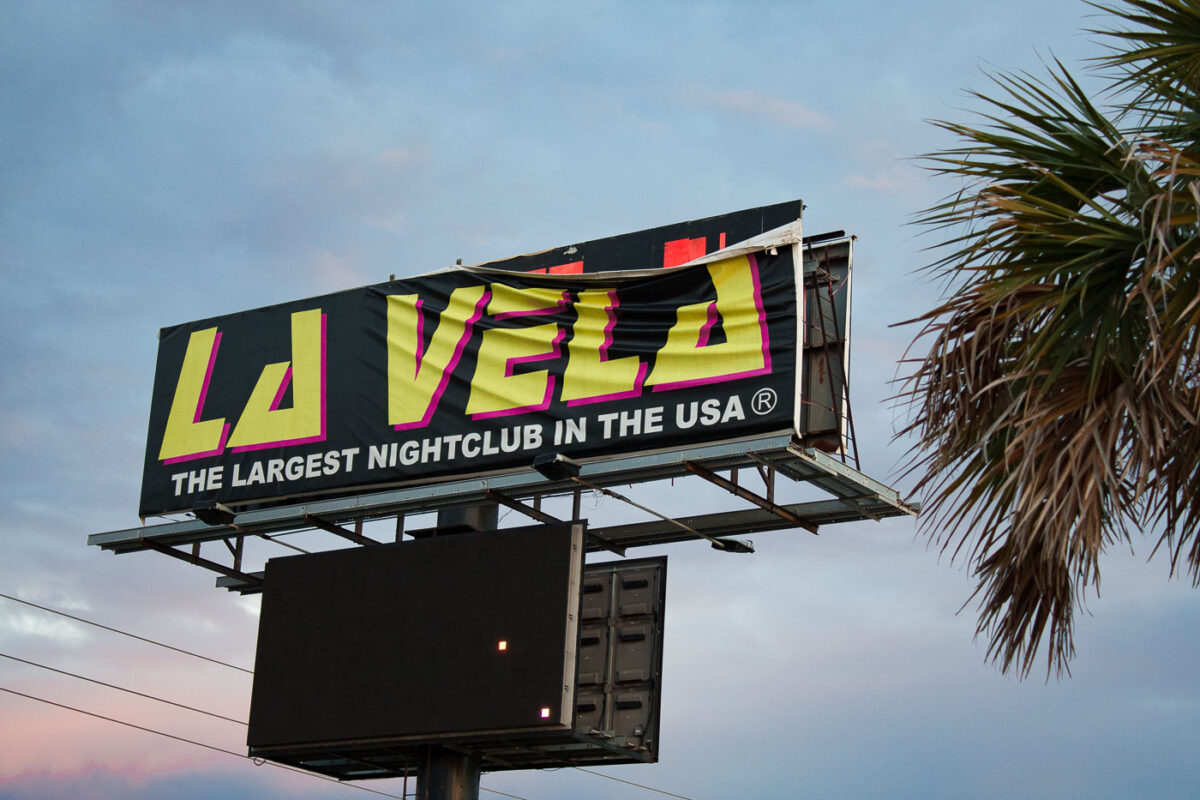
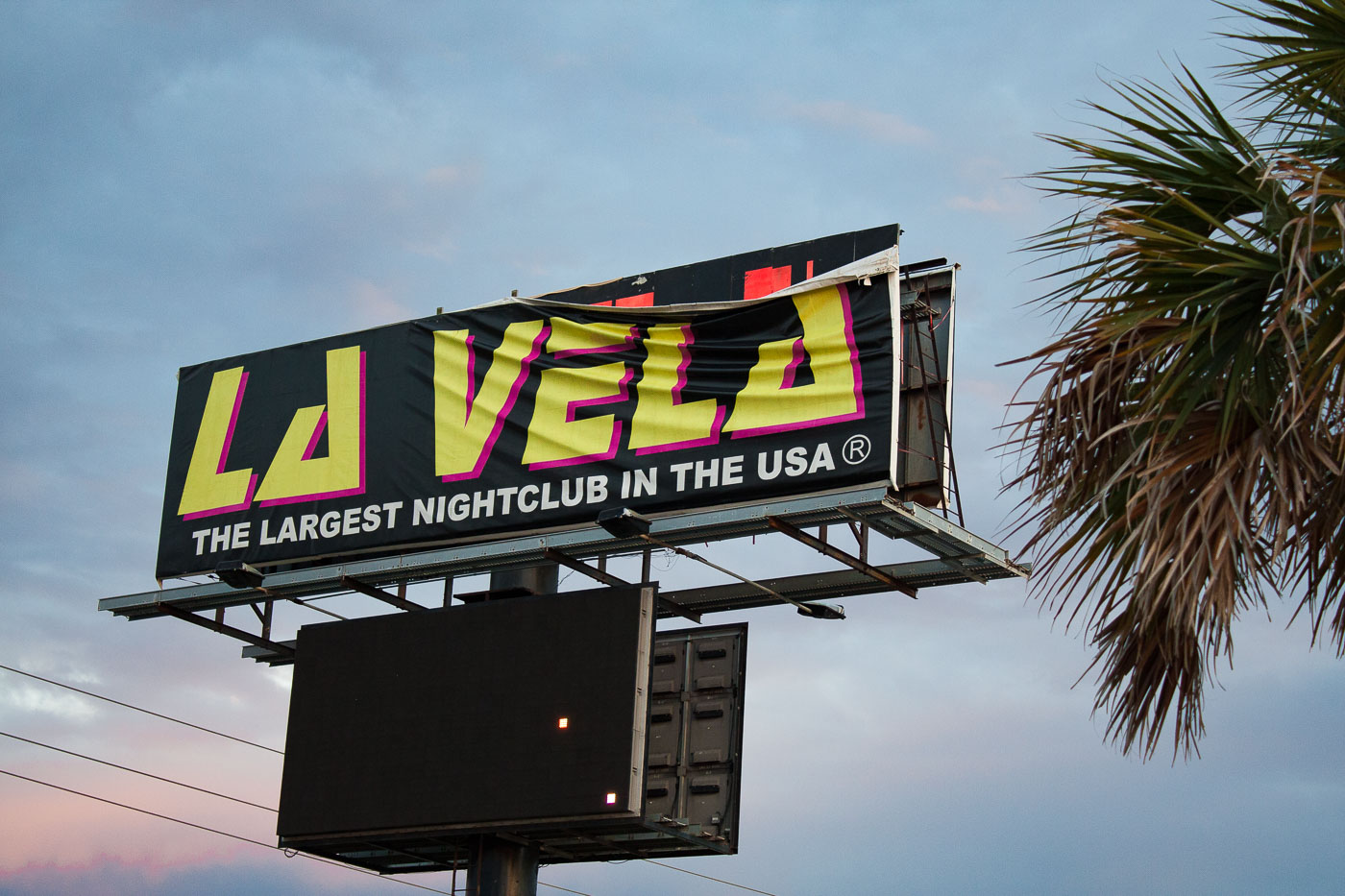
A billboard for Club La Vela, once advertised as the largest nightclub in the USA, stands against a twilight sky in Panama City Beach, Florida.
A billboard for Club La Vela, once advertised as the largest nightclub in the USA, stands against a twilight sky in Panama City Beach, Florida. The club, a prominent fixture in the area's entertainment landscape, was known for its large capacity and lively atmosphere, attracting a significant number of visitors to the beach town. The billboard's prominent display highlights its former status as a major nightlife destination.

Built in Minneapolis

Photographs showcasing change over time

Browse by location, move through long-running series, or start with recent work.