
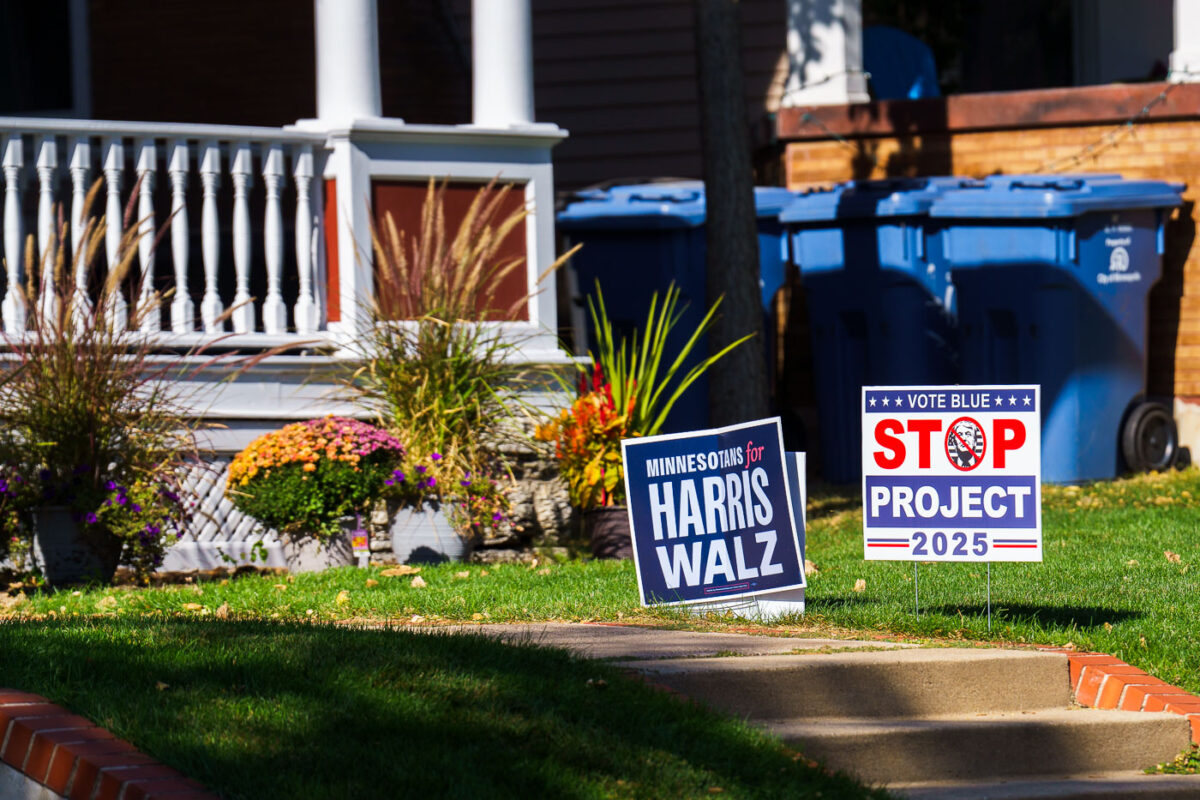
Stop Project 2025
"Stop Project 2025" "Minnesotans For Harris Walz" yard signs in South Minneapolis.
Explore photos and posts tagged Politics.
"Stop Project 2025" "Minnesotans For Harris Walz" yard signs in South Minneapolis.
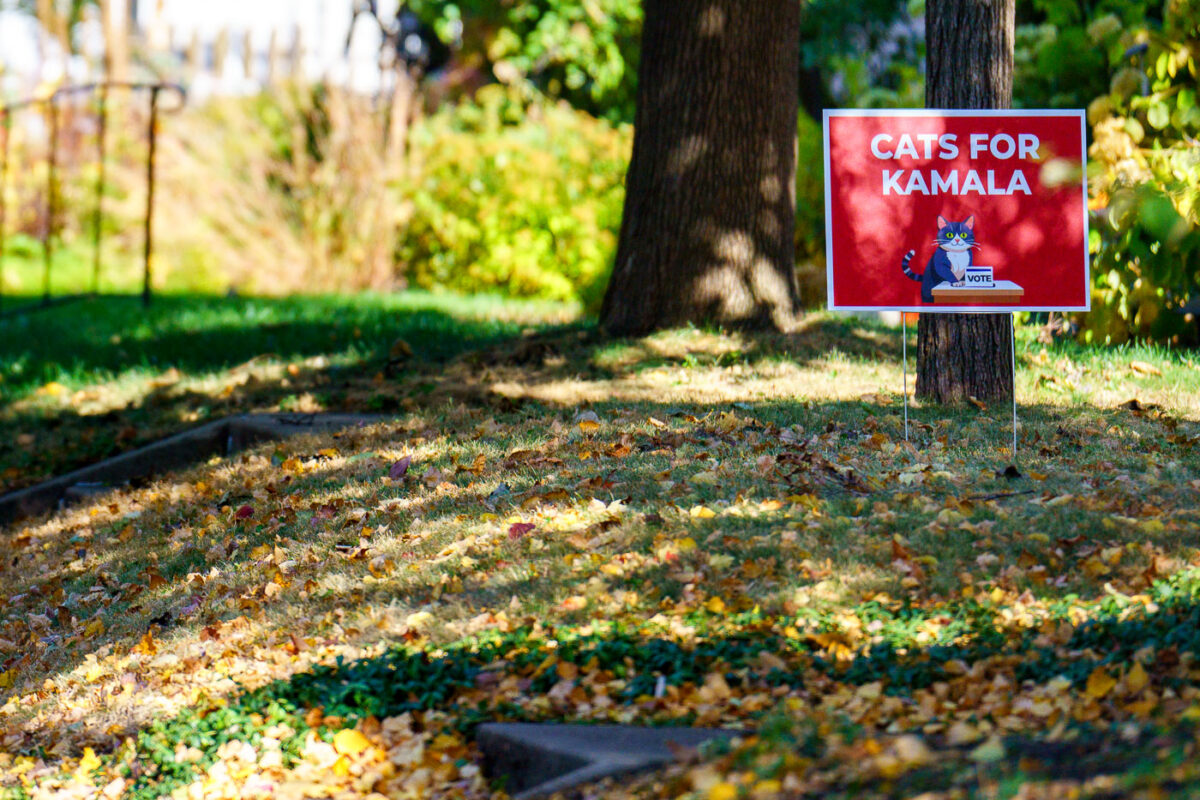
A "Cats for Kamala" yard sign in South Minneapolis, Seen less than a month away from the 2024 Presidential election.
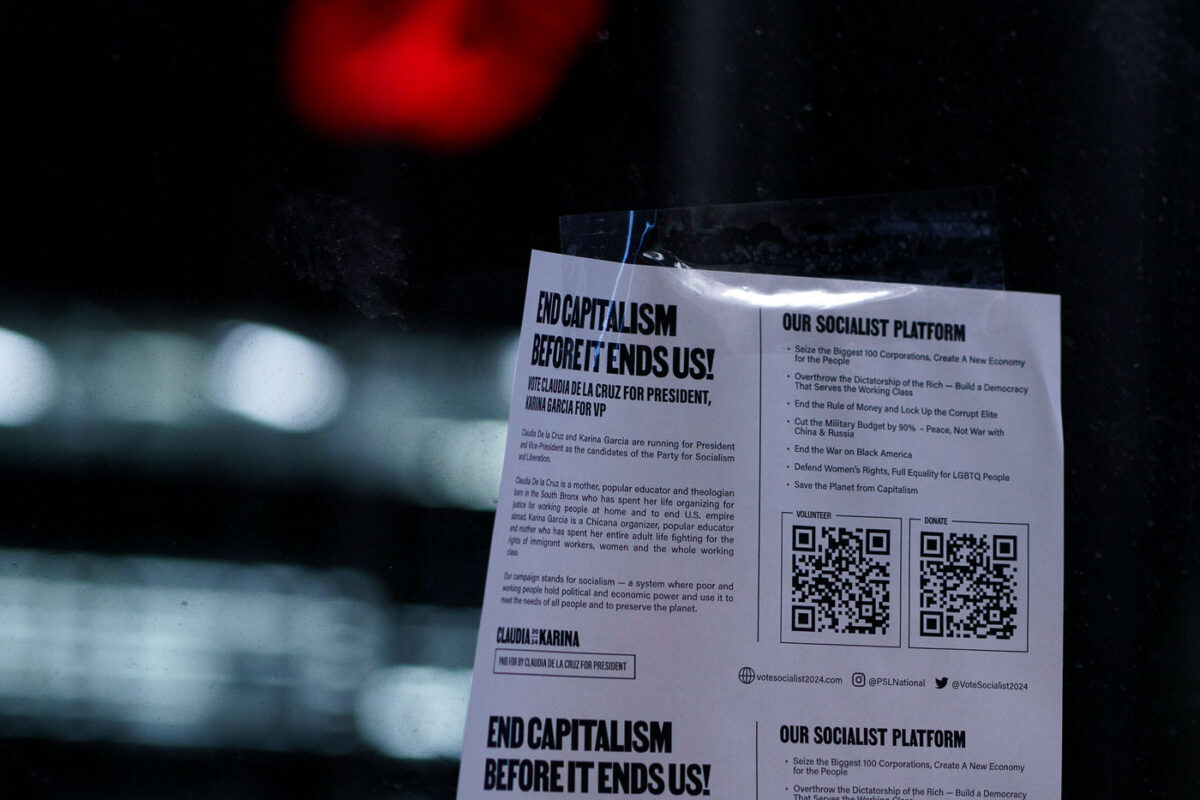
A End Capitalism flyer from Claudia De La Cruz For President.

Scott Jensen, the GOP challenger to Governor Tim Walz, has his face on a billboard directly above the George Floyd mural at George Floyd Square.
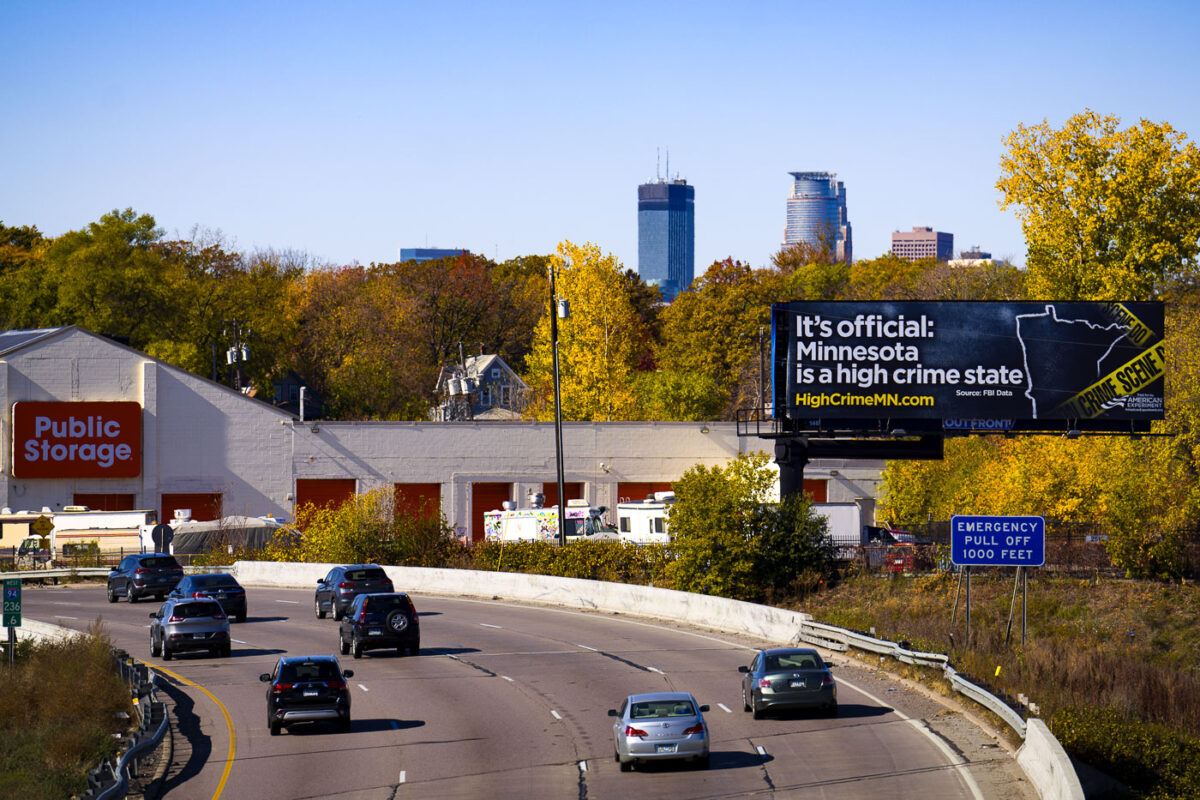
A billboard by a self described "leading public policy organization" at the I-94 Minneapolis border declares “It’s official” and directs motorists to a page where their interpretation of crime data shows crime rising years prior to the mass quitting of police officers in 2020-22.
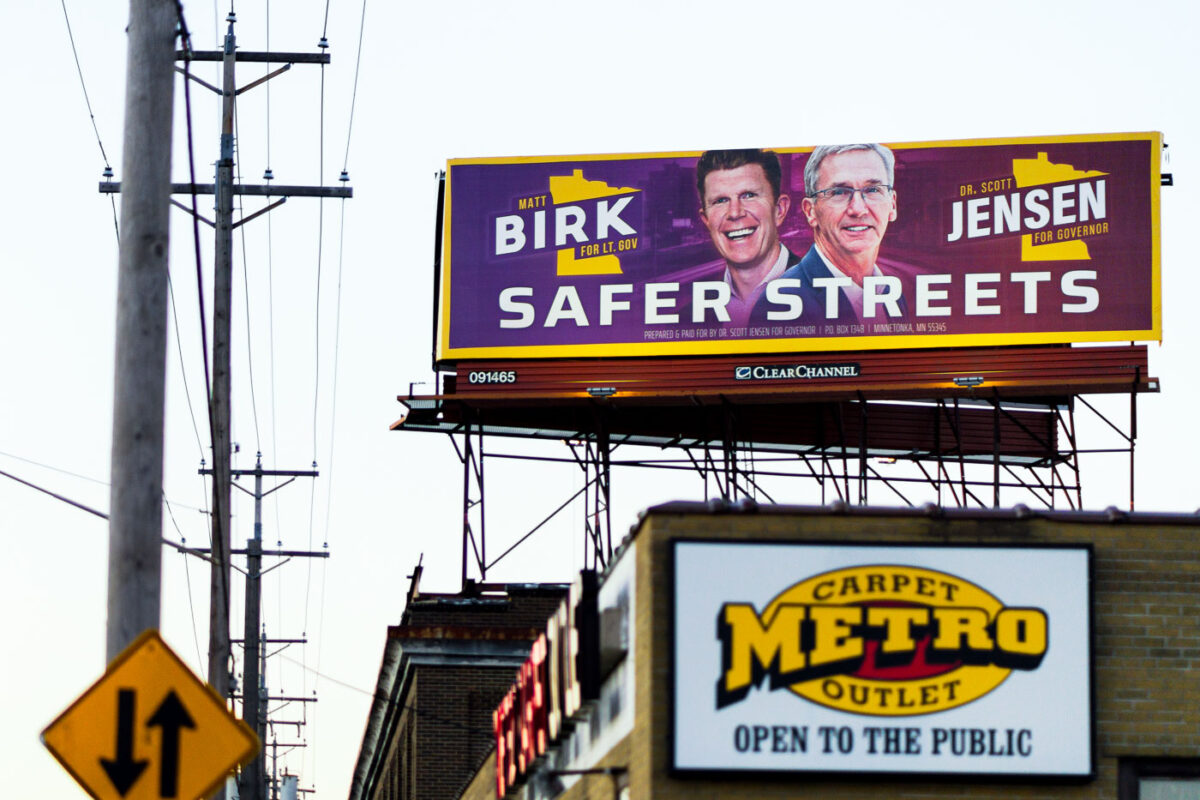
A billboard for candidate for Governor Scott Jensen and Matt Birk in North Minneapolis.
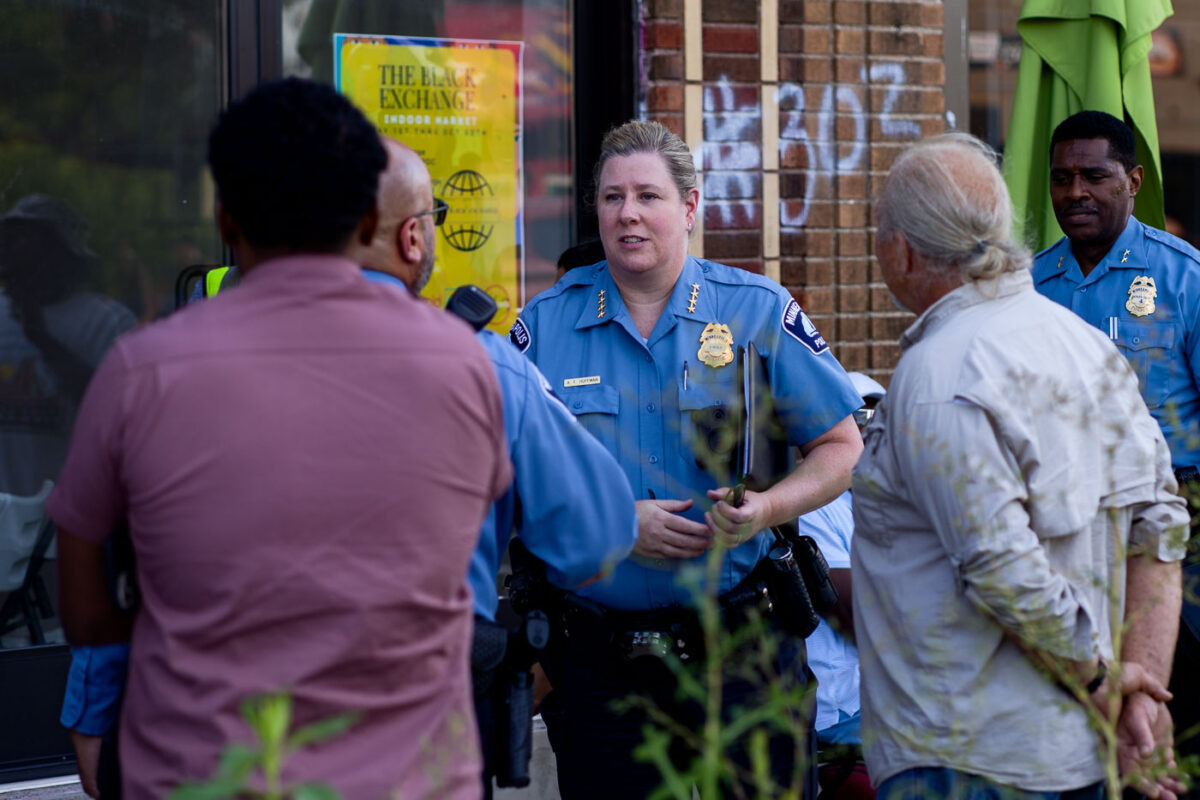
Interim Minneapolis Police Chief Huffman arrives at George Floyd Square for a "Community Conversation" on public safety. The forum was also attended by Hennepin County Attorney candidates.
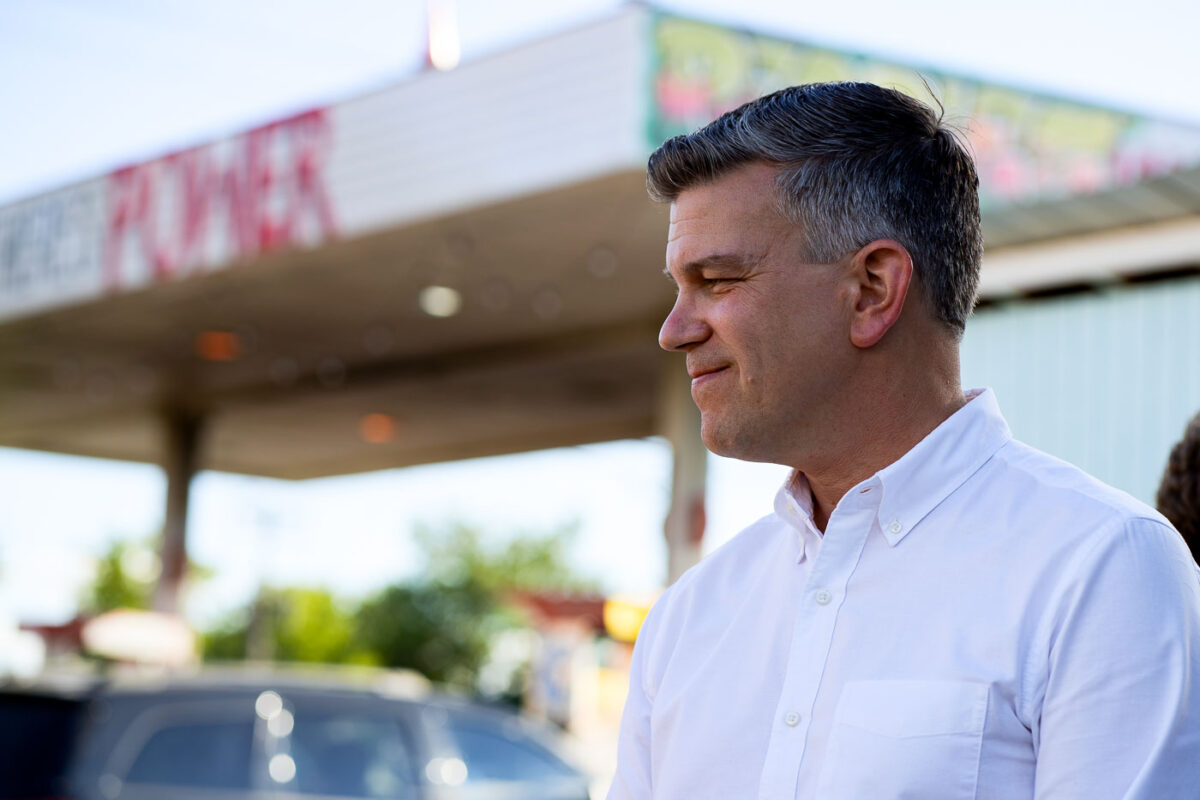
Ryan Winkler, a candidate for Hennepin County Attorney at George Floyd Square for a "Community Conversation - Let's talk about public safety". The panel included other candidates as well as the interim Chief of Police.
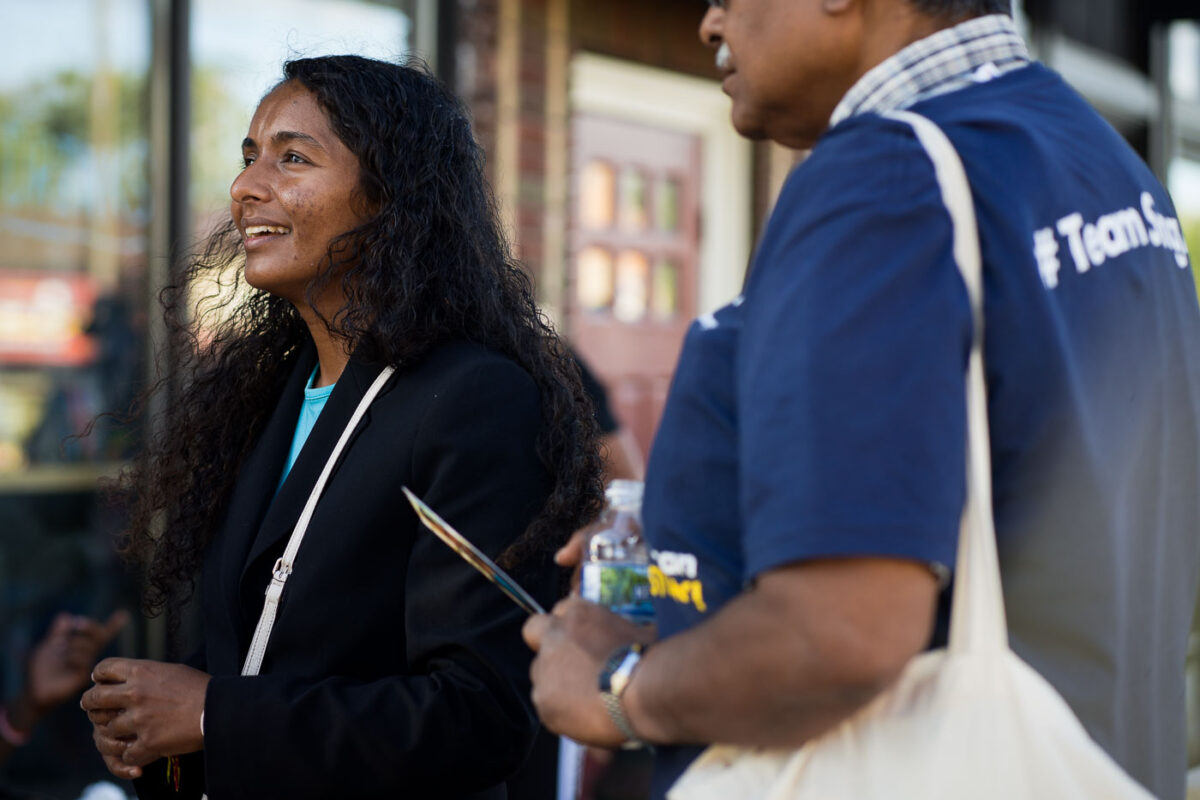
Saraswati Singh, a candidate for Hennepin County Attorney at George Floyd Square for a "Community Conversation - Let's talk about public safety". The panel included other candidates as well as the interim Chief of Police.
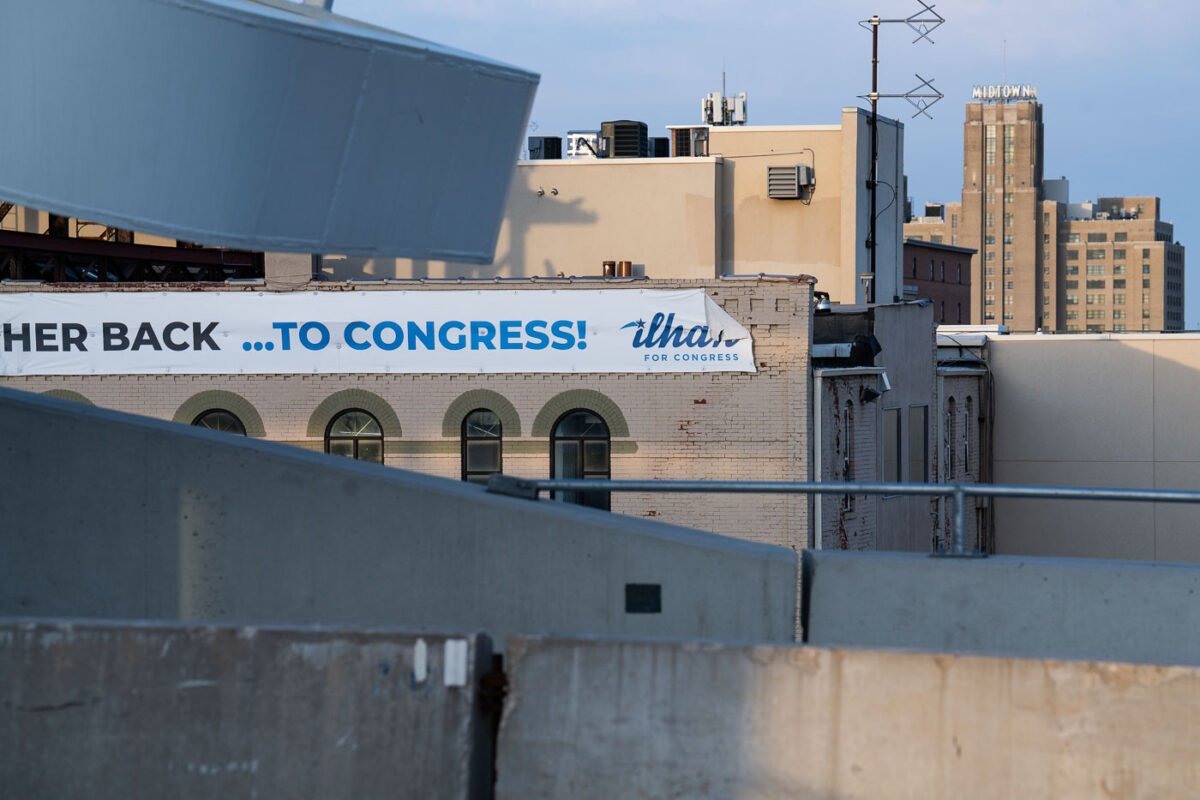
An Ilhan Omar banner on the side of a Lake Street building in South Minneapolis.
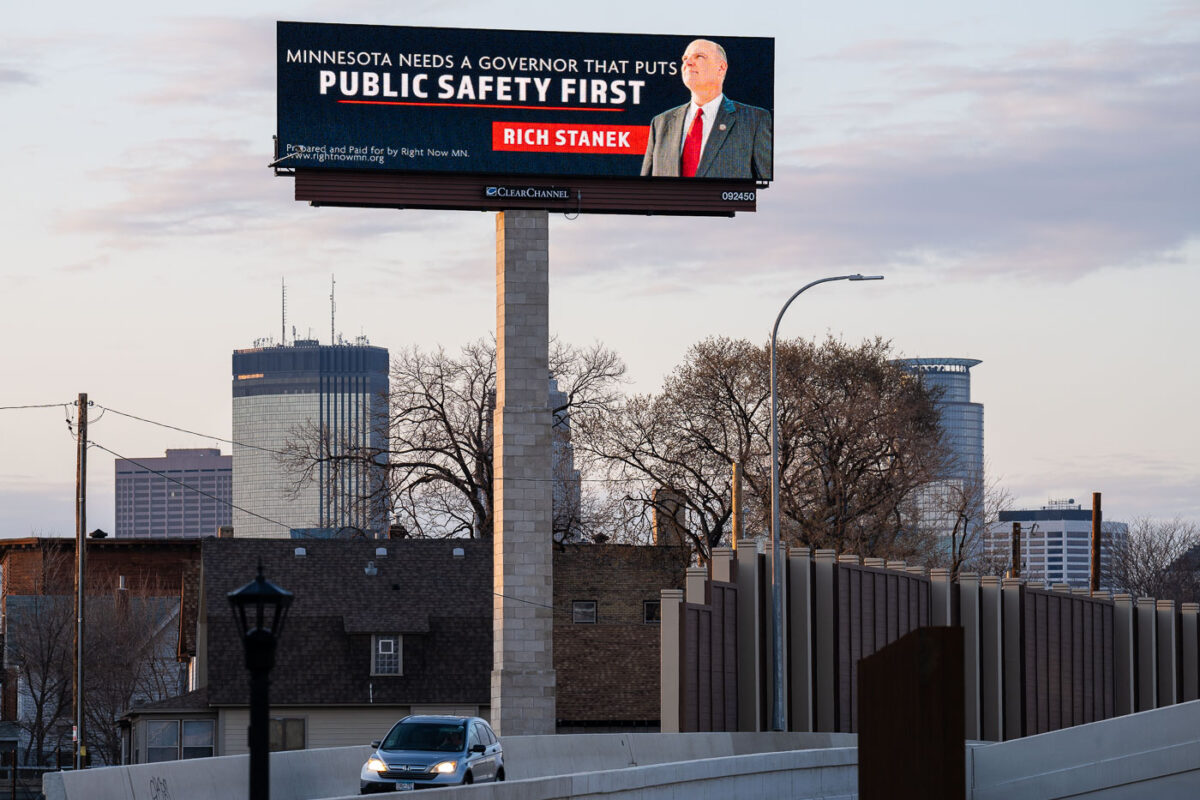
A billboard for former Hennepin County Sheriff Rich Stanek who is running for Governor of Minnesota.
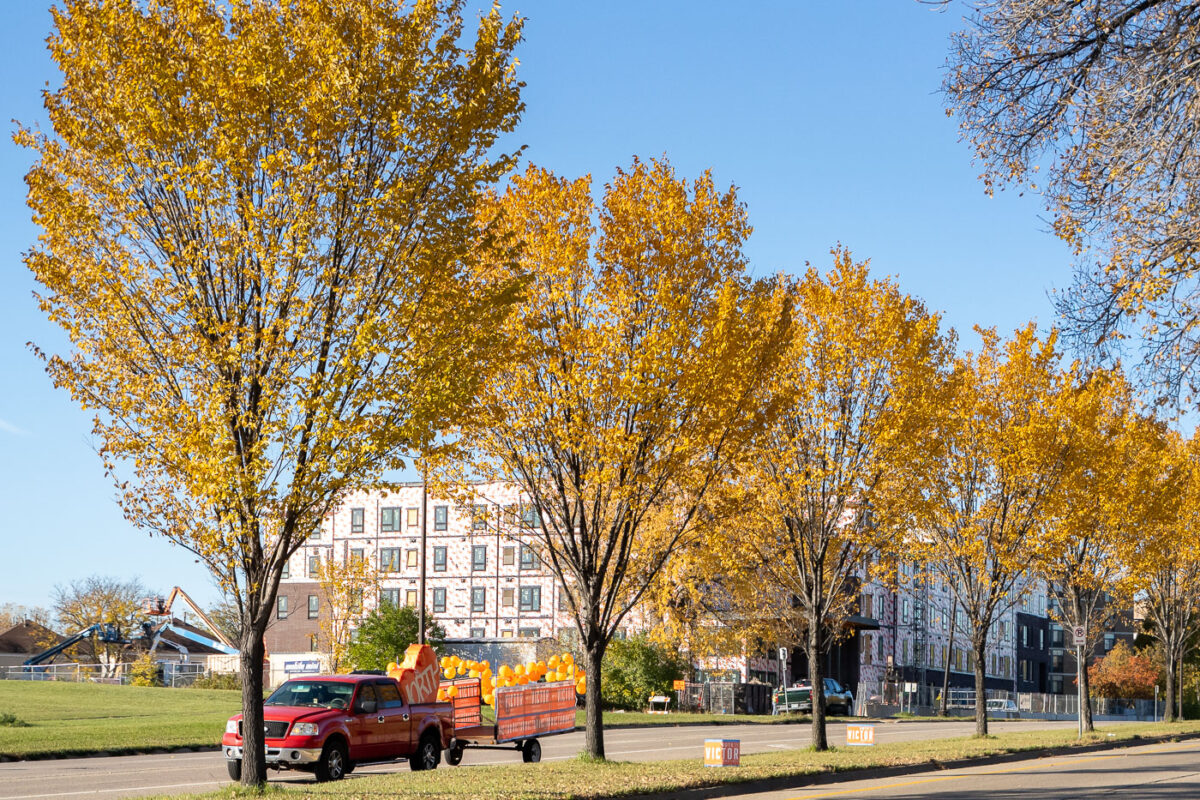
A Victor Martinez "float" and campaign signs seen in North Minneapolis on election day.
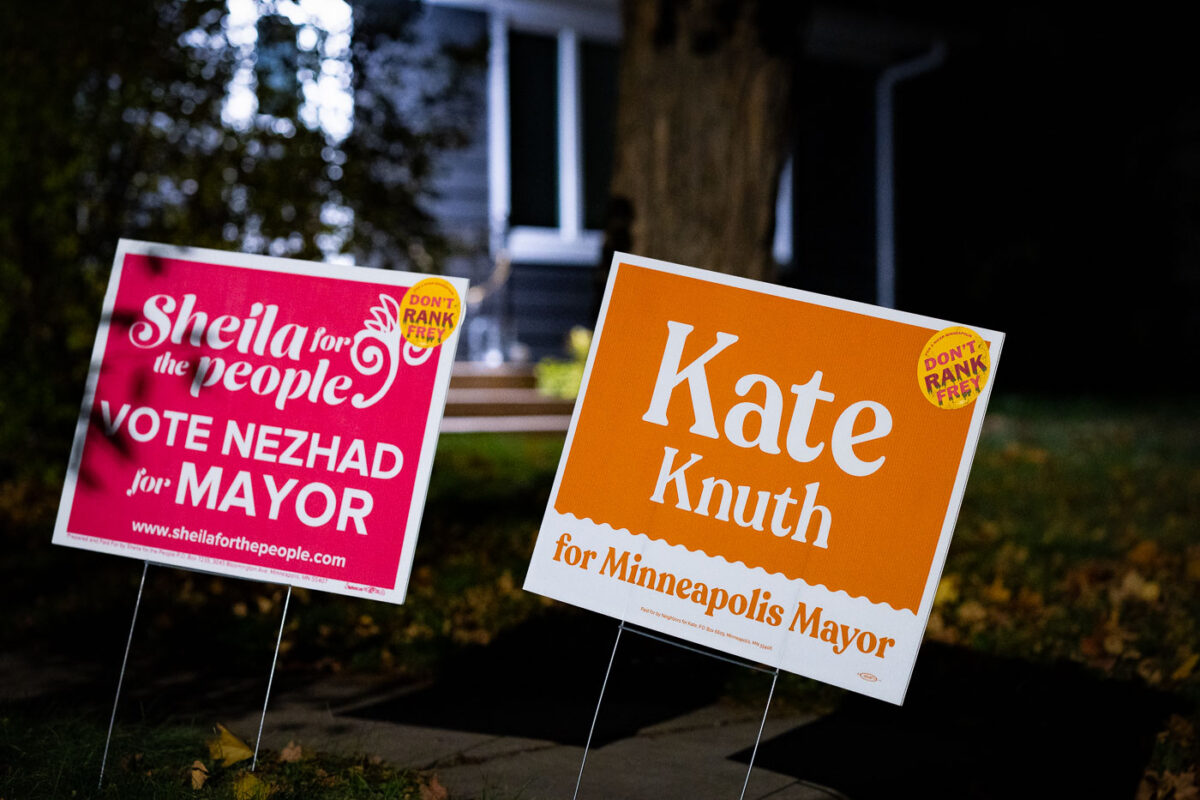
Yard signs for Kate Knuth and Sheila Nezhad together in a South Minneapolis yard. Both with "Don't Rank Frey" stickers attached, referring to current Minneapolis Mayor Jacob Frey. Election in 2 days.
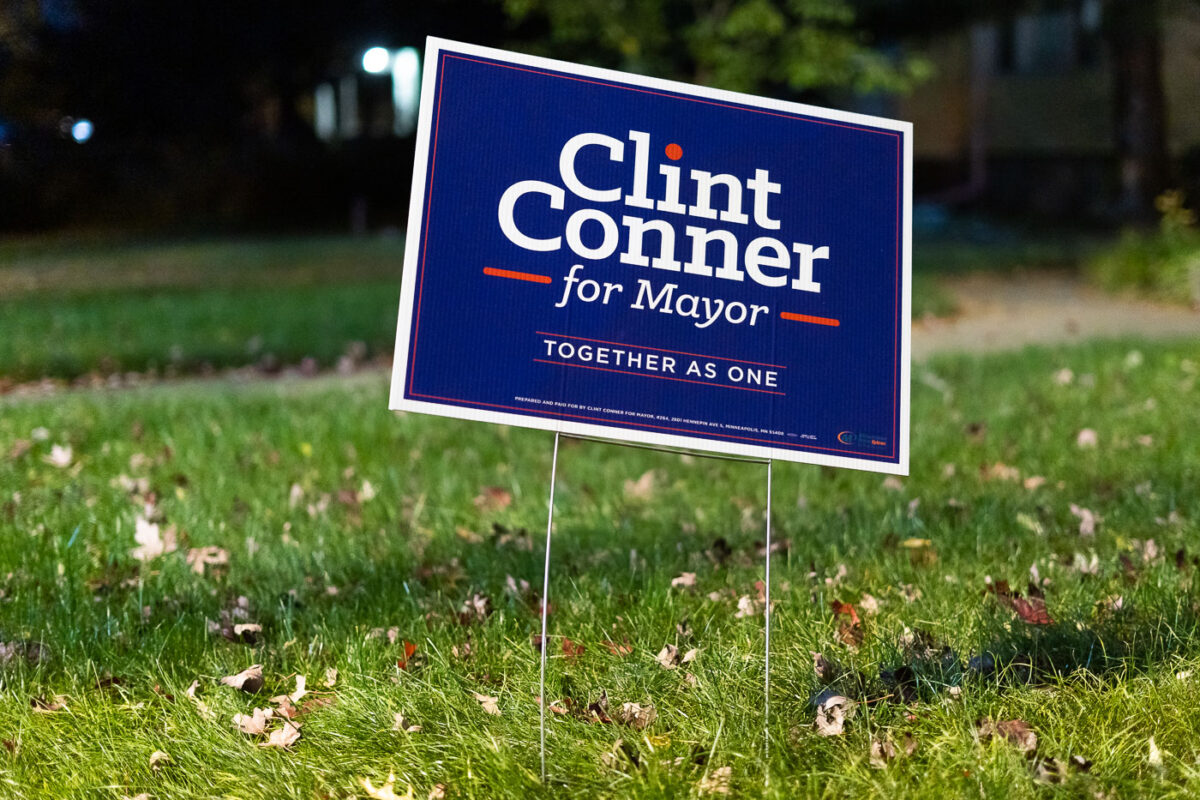
A lawn sign supporting Clint Conner’s mayoral campaign stands along a residential boulevard in Minneapolis. Conner, an attorney and political newcomer, ran on a platform focused on public safety reforms, neighborhood-level engagement, and governance changes within the city’s mayor–council structure. Yard signs like this became common across parts of Minneapolis during the campaign cycle, reflecting heightened civic interest following several years of intense debate over public safety, police restructuring, and the future of city governance.
Municipal elections in Minneapolis often draw regional attention due to the city’s distinctive political climate, strong neighborhood identities, and history of competitive mayoral contests. Candidate signage has long been a visible part of the city’s election seasons—especially in the years after 2020, when local races increasingly intersected with national conversations about public policy and urban leadership.
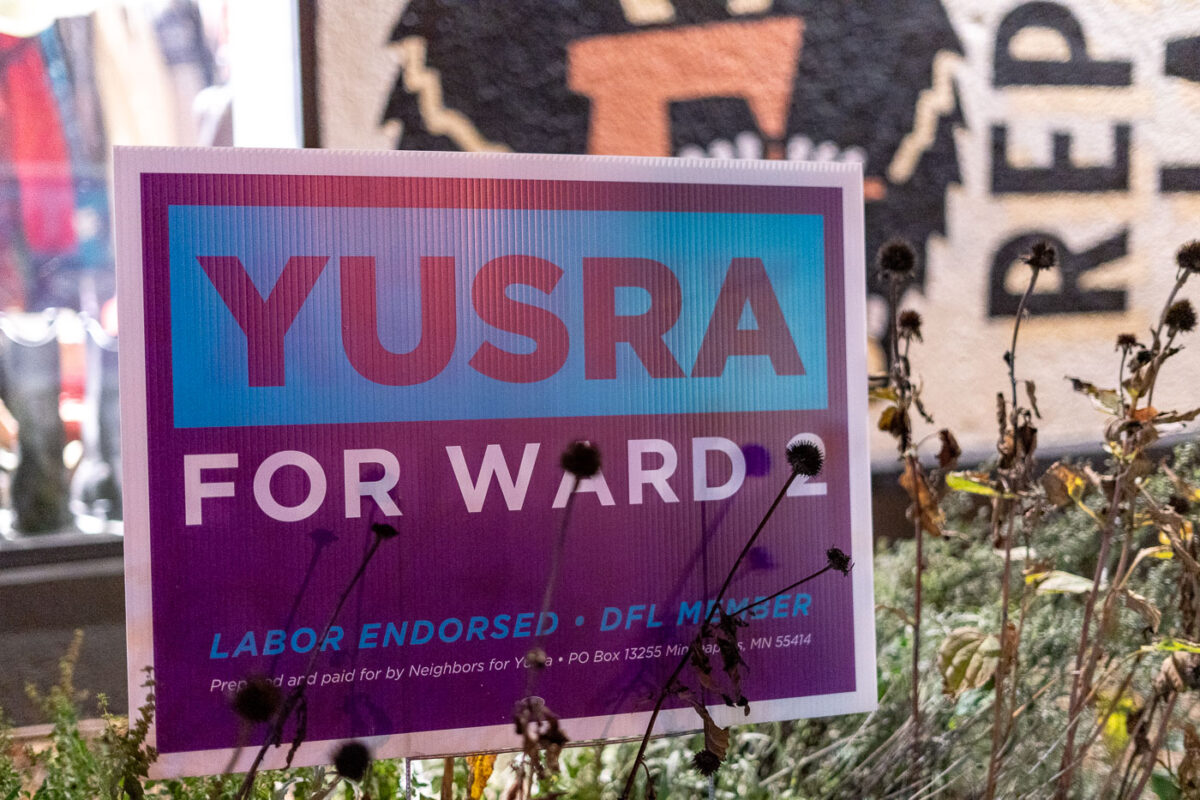
A campaign sign for Yusra Arab stands among late-season plants in Minneapolis’ Ward 2, one of the city’s most politically active and demographically diverse districts. Ward 2 includes neighborhoods such as Cedar-Riverside, Prospect Park, Seward, and the University district—areas shaped by long histories of immigration, student populations, and tenant-driven community organizing. Yard signs like this became common during the municipal election cycle as candidates focused on issues that have defined Ward 2 politics for decades: rental housing policy, transportation infrastructure, campus-area safety, and the evolving relationship between the University of Minnesota and surrounding neighborhoods.
Minneapolis’ ward system has historically produced competitive races, especially in districts with high levels of civic engagement and shifting demographics. Ward 2 is known for its strong DFL presence, multi-lingual community outreach, and a mix of long-term residents and new arrivals. Campaign messaging in the ward often reflects its unique blend of grassroots activism, student-led political energy, and deep neighborhood-level involvement in city governance.
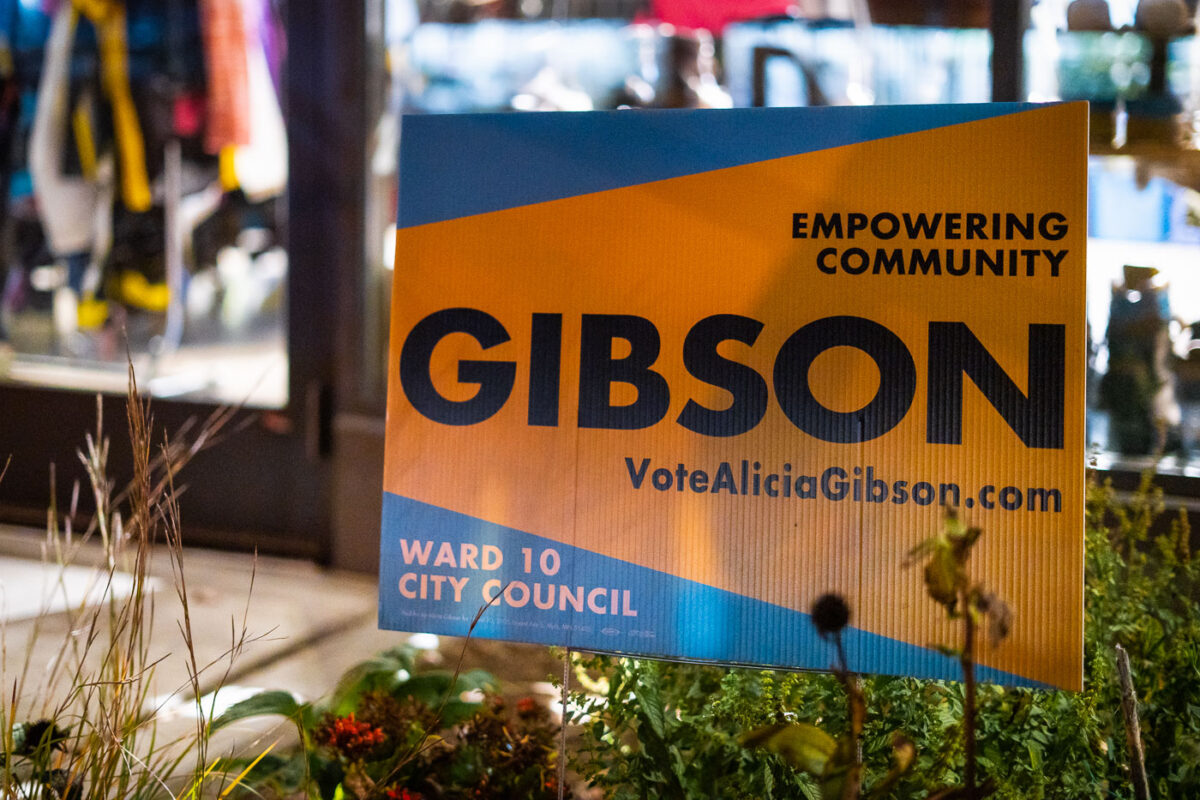
A campaign sign for Alicia Gibson stands outside a neighborhood storefront in Minneapolis’ Ward 10, a district centered on Uptown, Whittier, and parts of South Minneapolis. Ward 10 has long been one of the city’s most politically active areas, shaped by rental-heavy housing stock, transit-focused neighborhoods, and dense commercial corridors around Hennepin, Lyndale, and Lake Street. Campaign signs became common across the ward during the municipal election cycle as candidates addressed issues central to this part of the city: small-business recovery, housing policy, cycling and pedestrian infrastructure, and the future of Uptown’s commercial identity.
Historically, Ward 10 has been a bellwether for broader citywide political shifts. Its mix of long-term residents, young renters, and small-business owners has kept competition high and civic turnout strong. In recent years, community debates over zoning updates, transportation improvements, and neighborhood redevelopment have made Ward 10 races especially watched, with campaigns frequently engaging directly with street-level concerns and neighborhood-driven organizing.
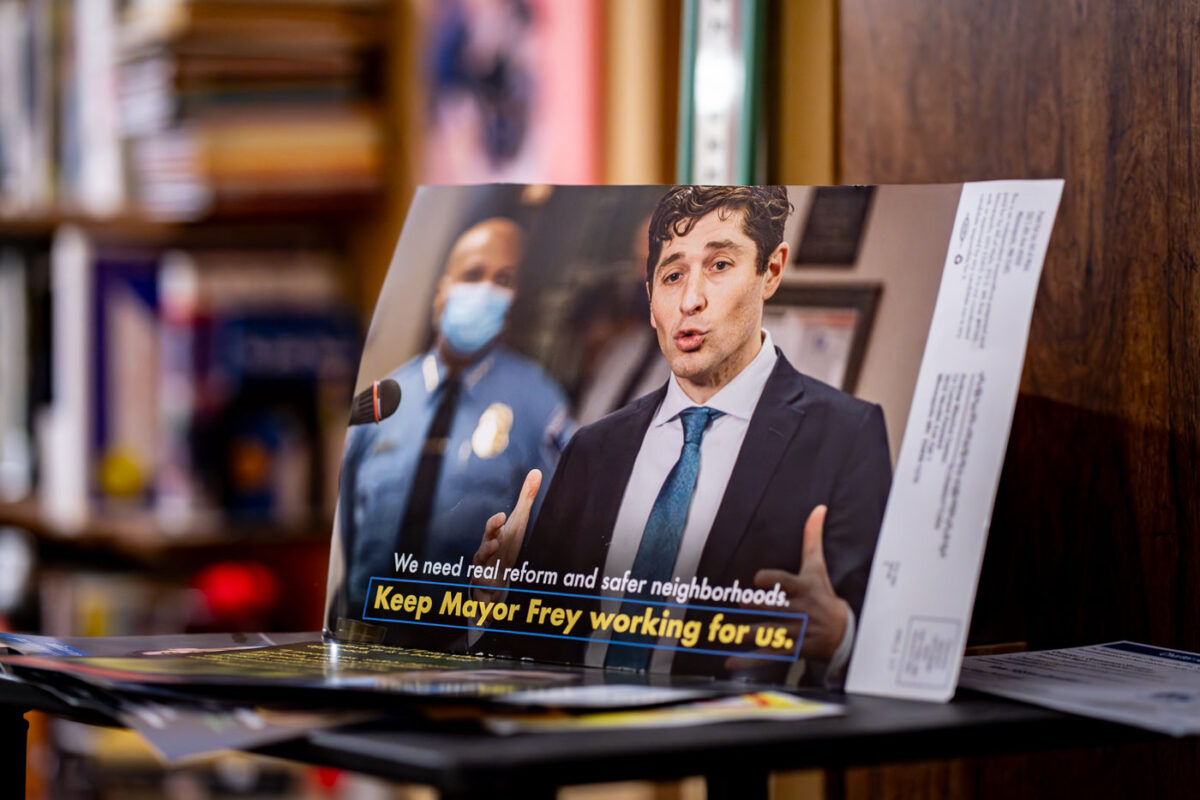
A political mailing in Minneapolis advocating for the re-election of Mayor Jacob Frey.
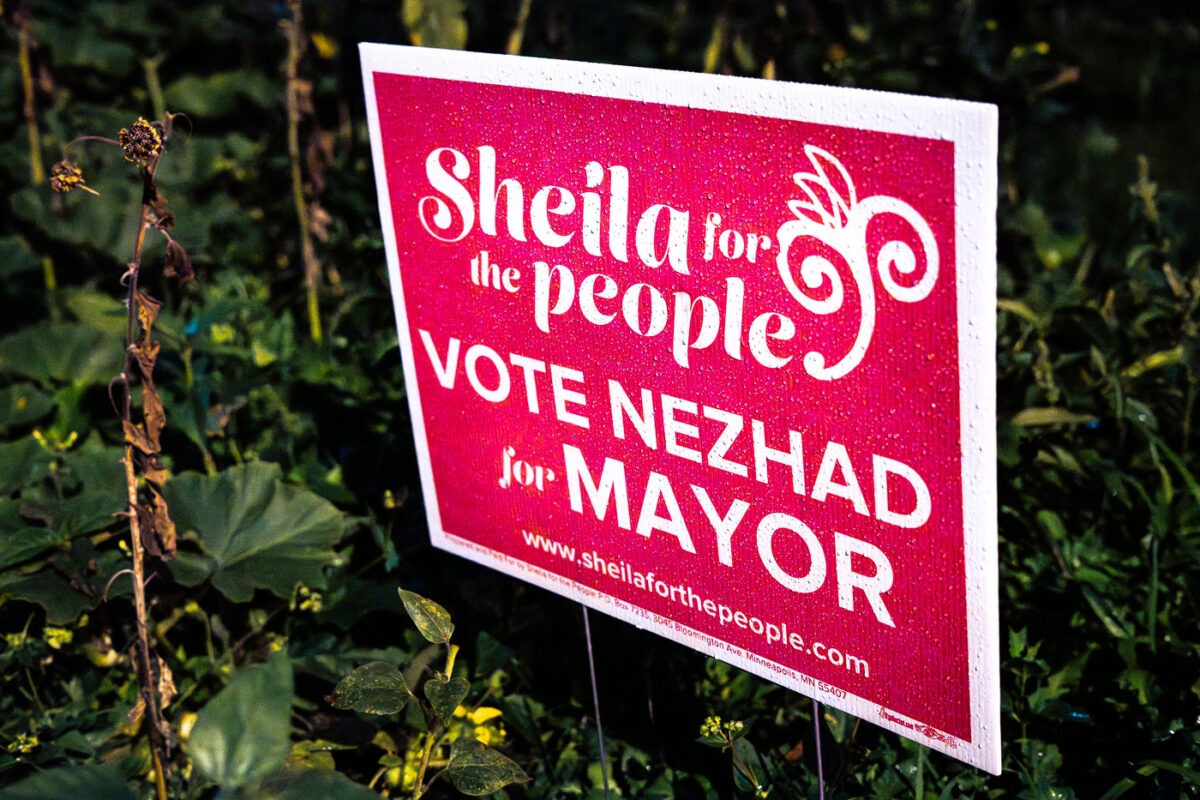
A Sheila Nezhad yard sign in South Minneapolis on a rainy evening.
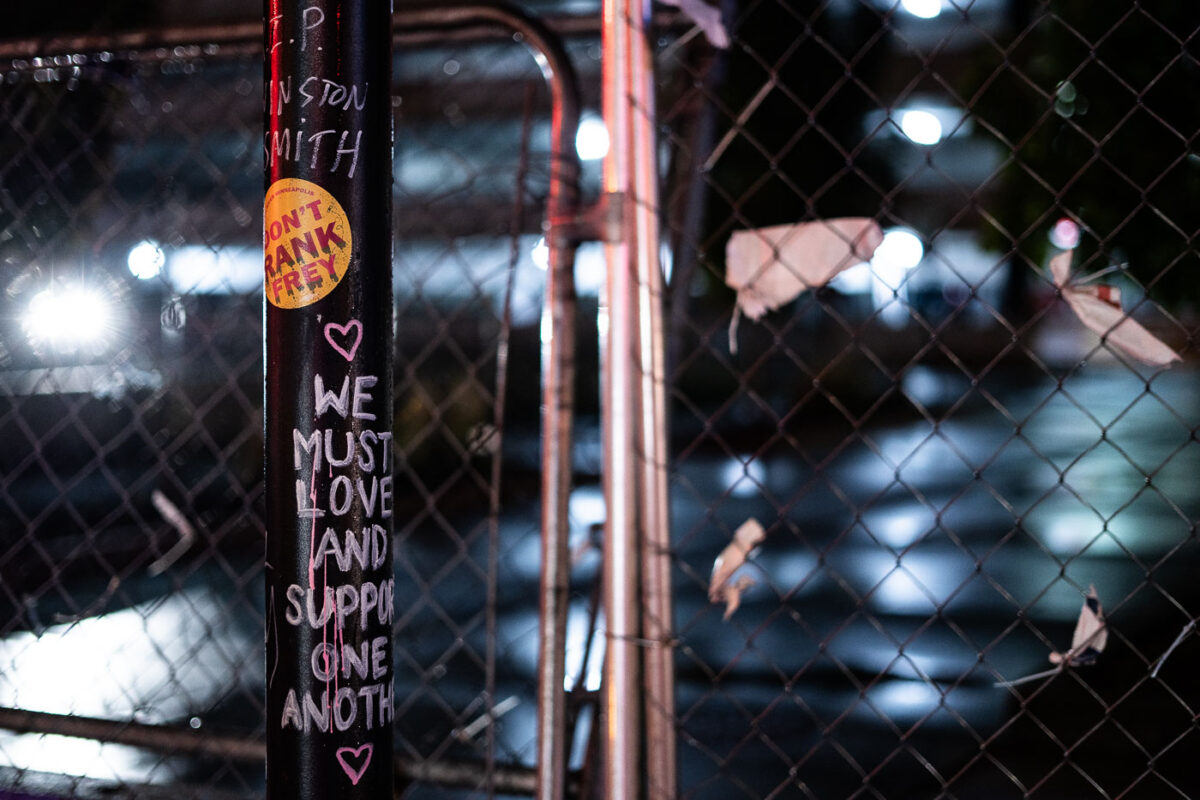
A "Don't Rank Frey" sticker on a pole outside the parking garage where Winston Smith was killed by law enforcement in June, 2021.
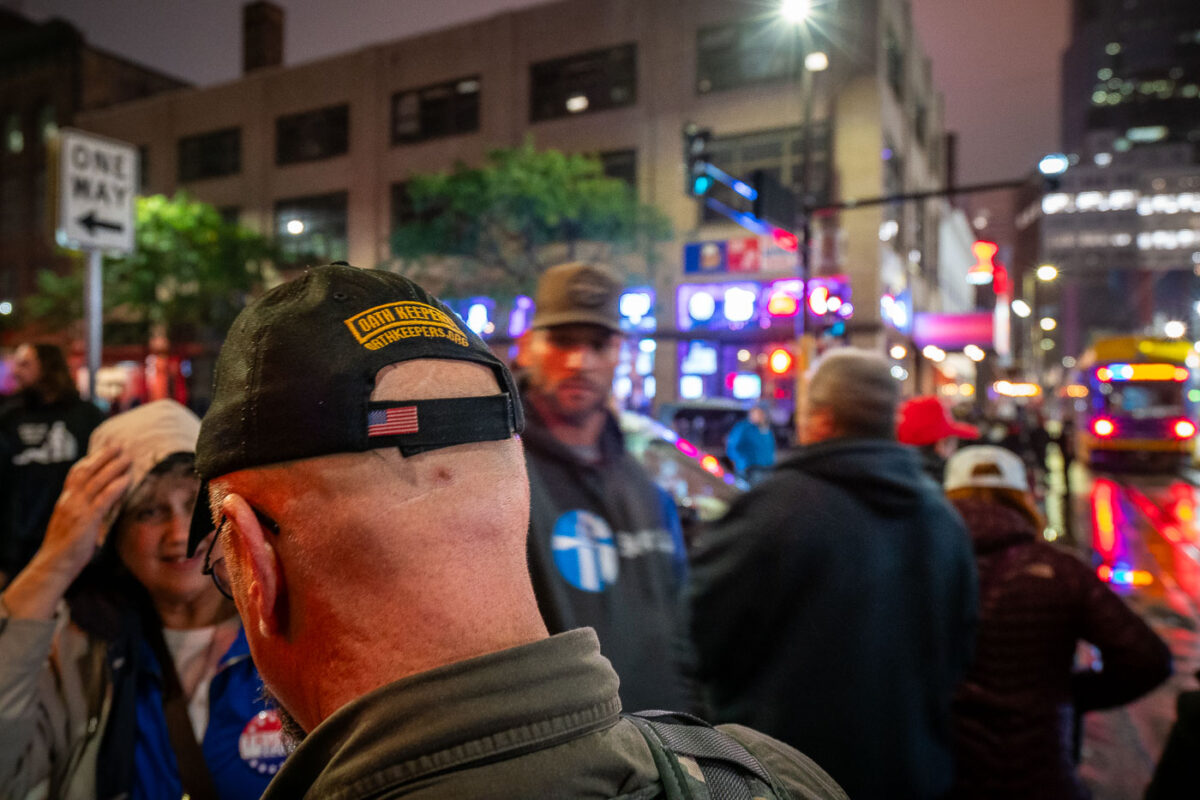
During demonstrations outside President Donald Trump’s campaign rally at the Target Center in downtown Minneapolis on October 10, 2019, a man wearing a hat bearing the Oath Keepers insignia asked for directions near the crowd. The rally drew both Trump supporters and counter-protesters, filling Hennepin Avenue with thousands of people and heavy police presence. The Oath Keepers, founded in 2009, is a far-right, anti-government militia organization whose members have been linked to armed protests and later to the January 6, 2021, U.S. Capitol attack.