Place Archive

San Marcos

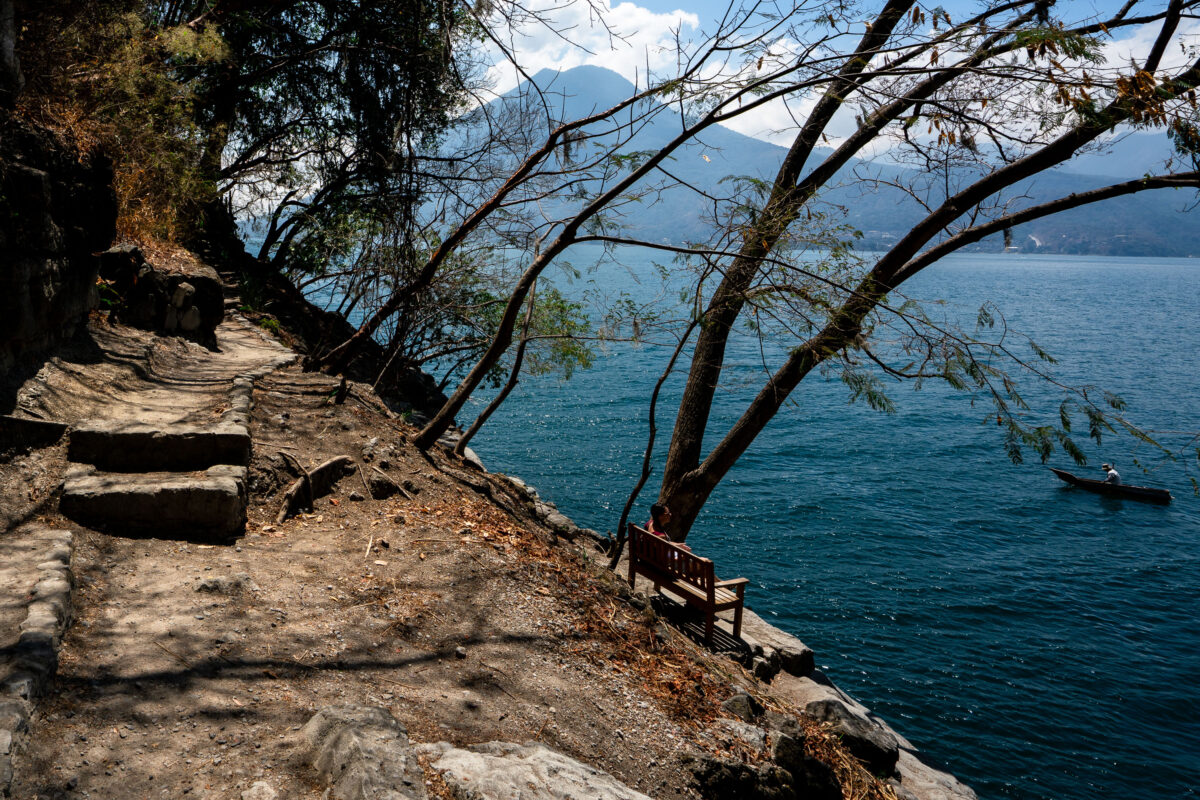
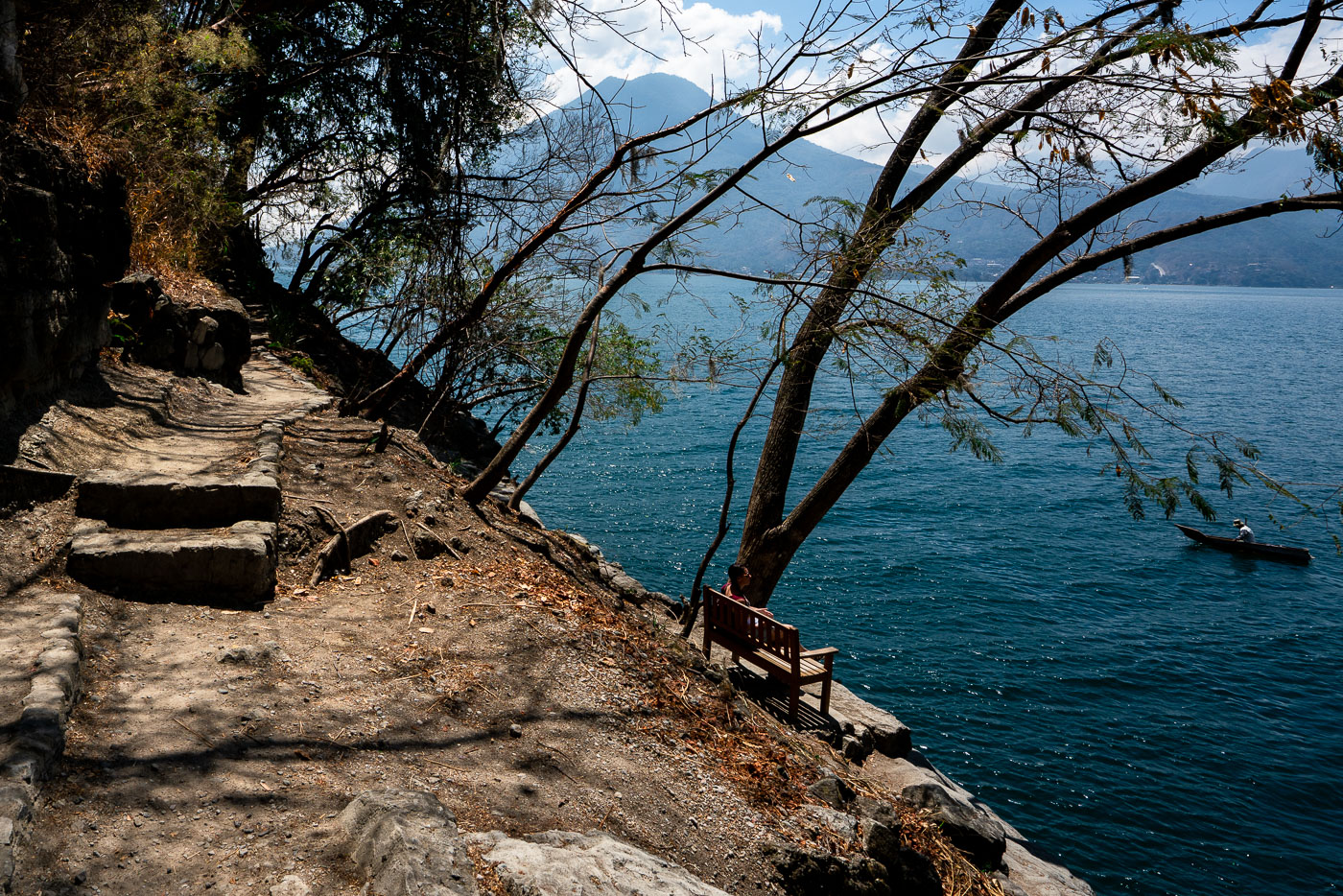
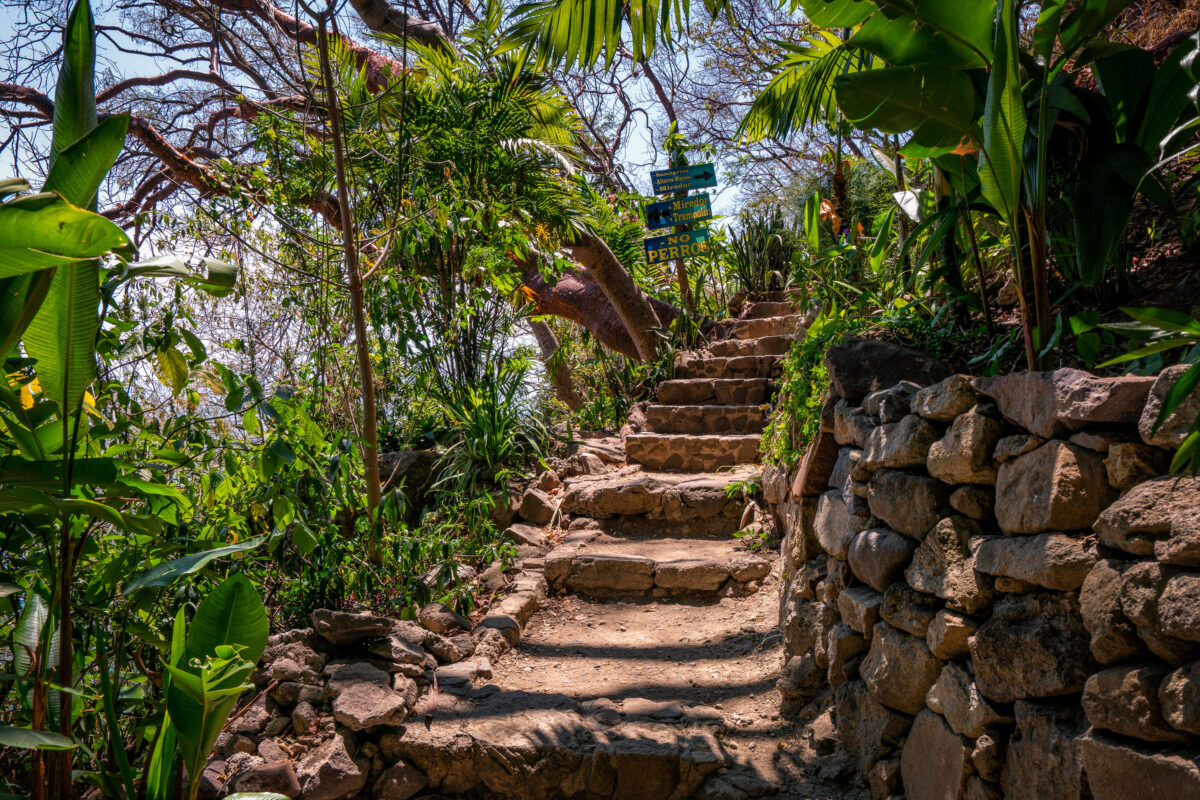
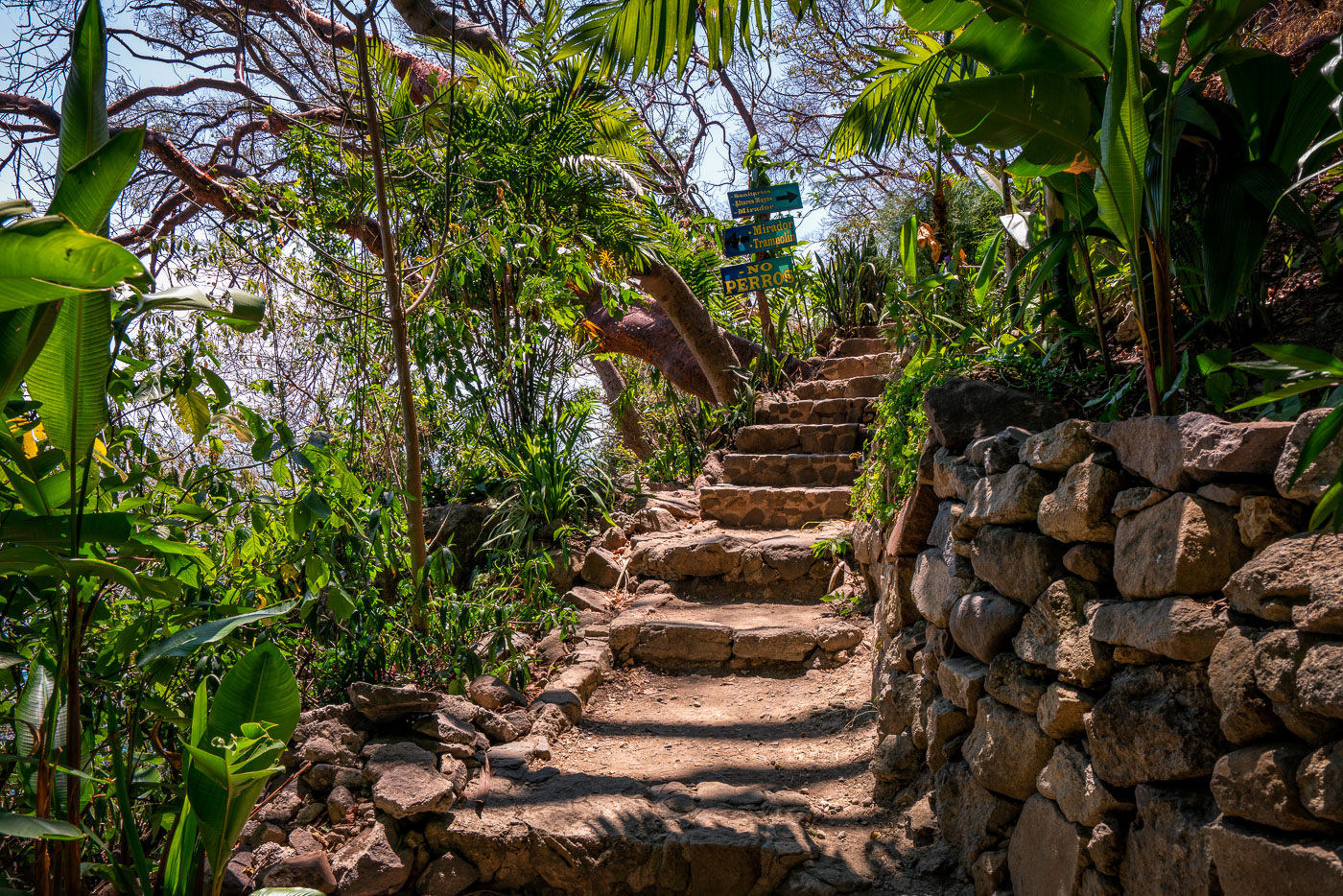
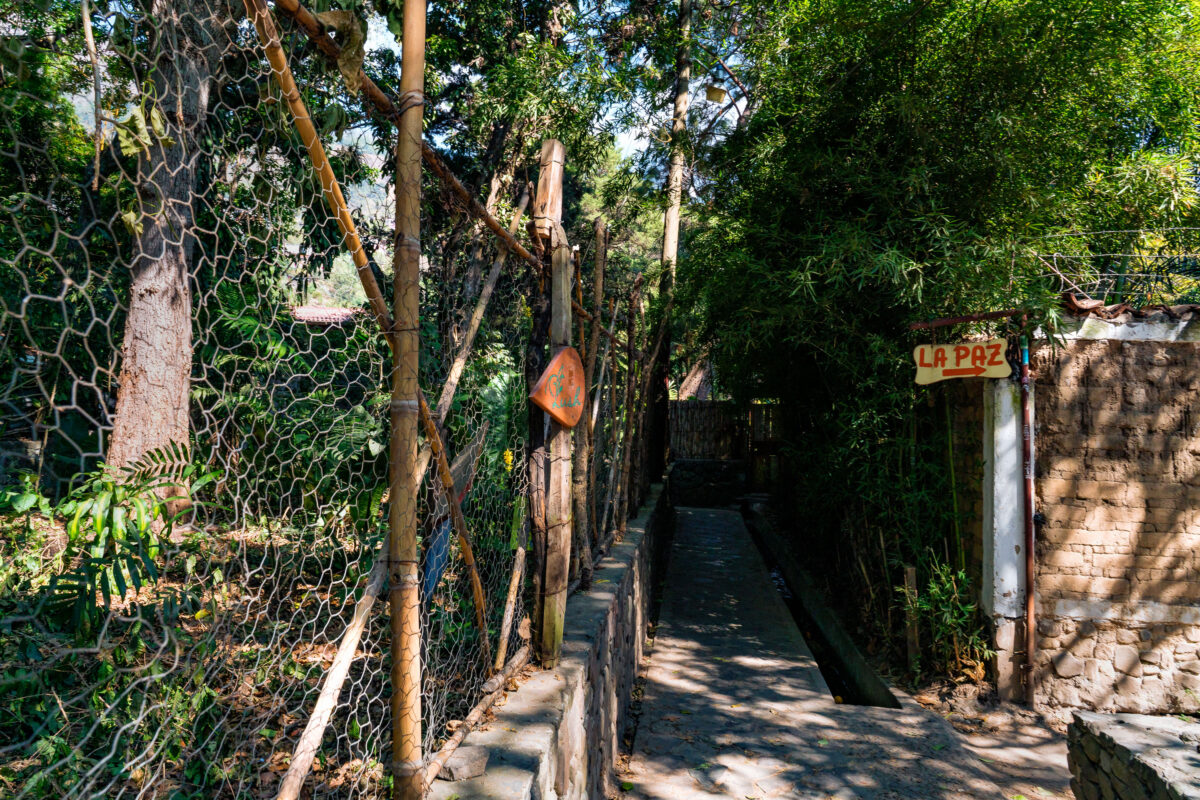
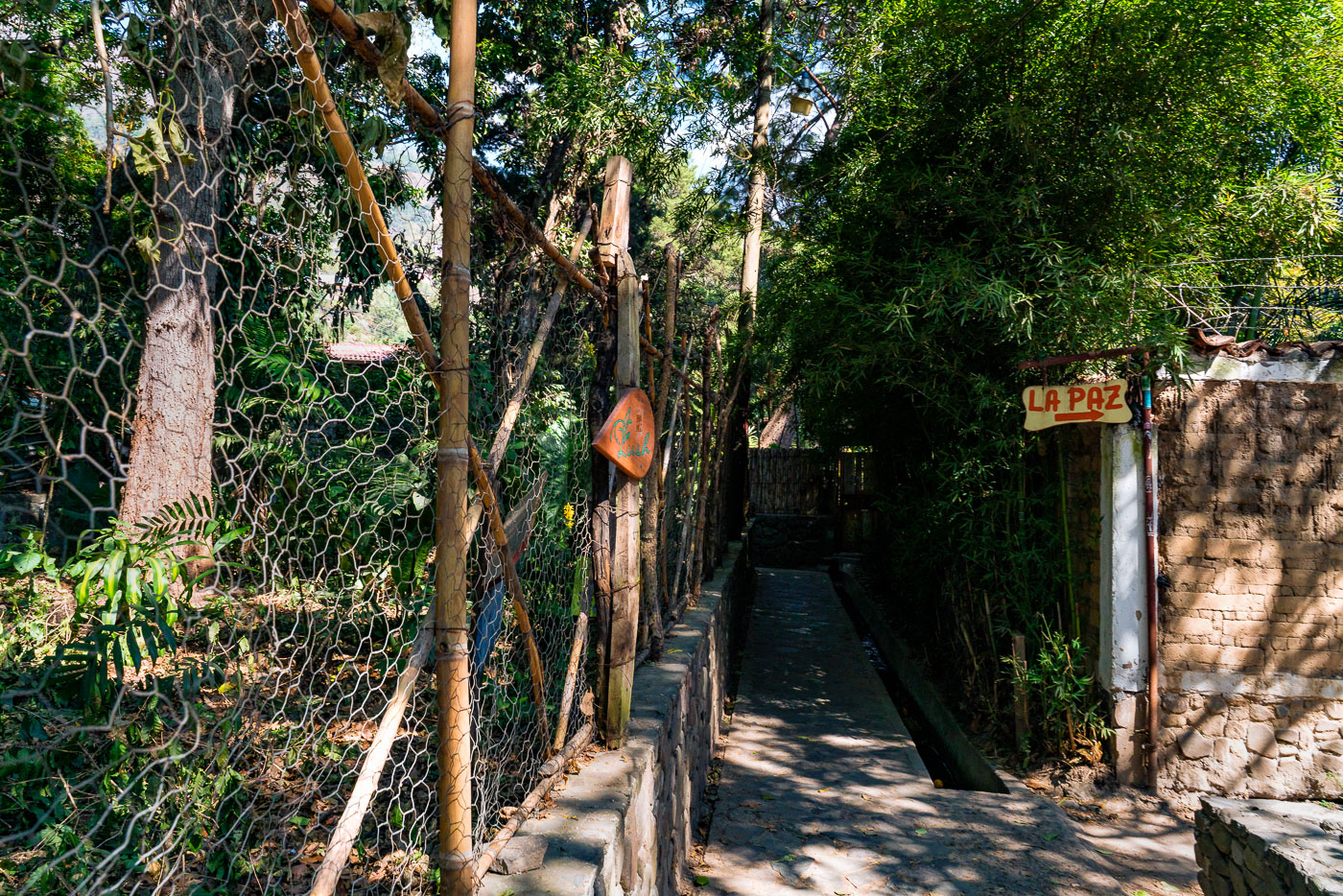
Paths near San Marcos lead to community points like La Paz and traverse the Cerro Tzankujil Nature Reserve, marked by signs such as “No Perros” to protect local ecology. Lake Atitlán’s shore is accessed via stone steps, where dugout canoes and kayaks navigate waters framed by Volcano San Pedro and other volcanic peaks.

4 photos

Photos from San Marcos

A dirt path with stone steps leads along the shore of Lake Atitlan near San Marcos, Guatemala, with a dugout canoe on the water and volcanoes in the distance.
Lakeside footpath along Lake Atitlán near San Marcos La Laguna, Guatemala. Stone steps and a narrow unpaved track run above the rocky shoreline, part of the pedestrian routes that connect homes, docks, and small settlements around sections of the lake where road access is limited. Lake Atitlán, in the Guatemalan Highlands, occupies a volcanic caldera and is bordered by steep slopes and volcanoes visible across the water.
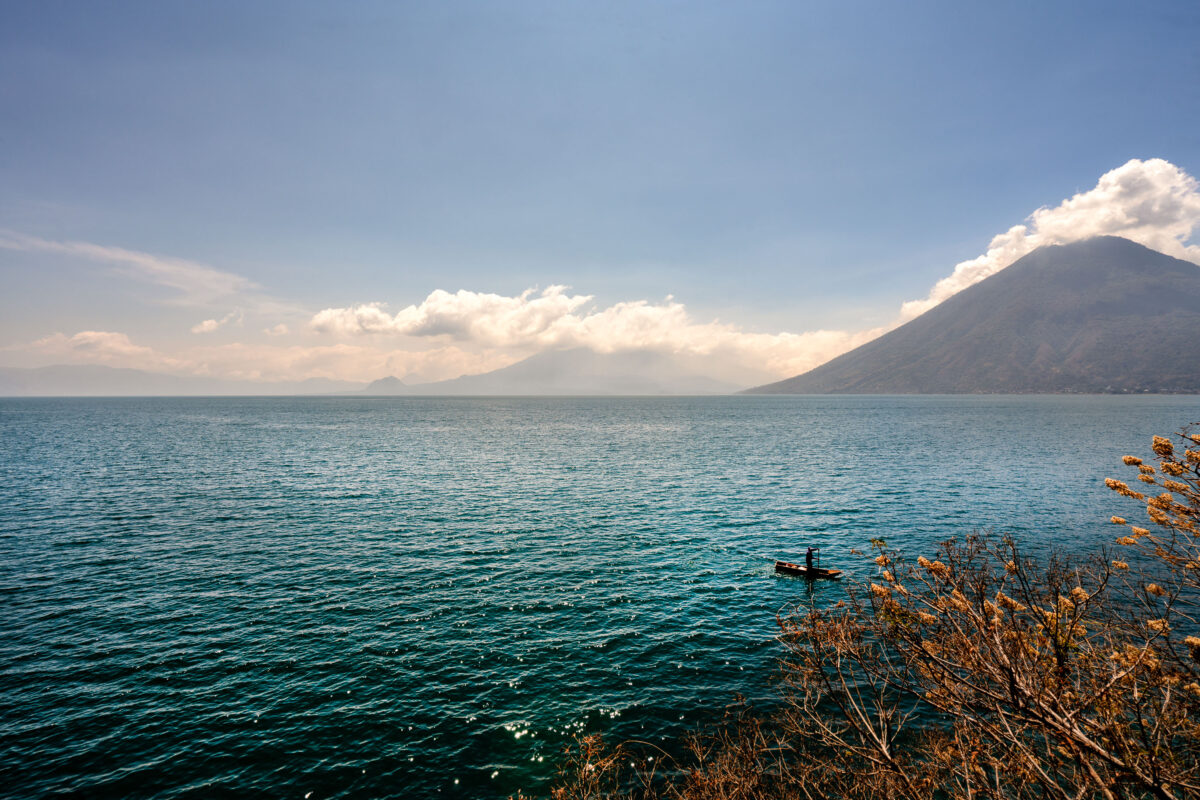
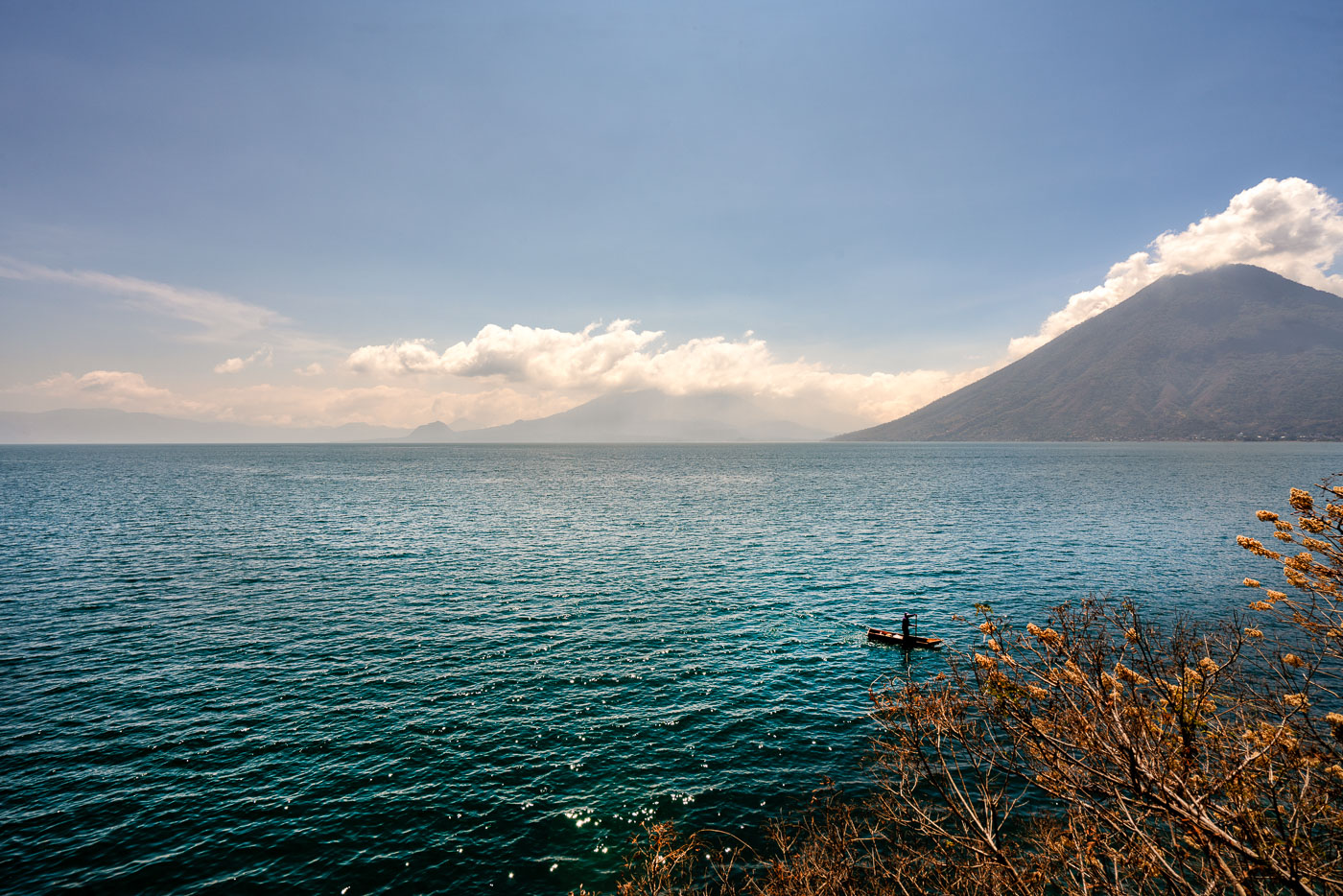
Sunny morning at Lake Atitlan Guatemala
Lake Atitlán in the Guatemalan Highlands stretches across a volcanic caldera with Volcán San Pedro rising on the southern shore. A small boat moves across the lake, which links shoreline towns and Indigenous Maya communities and supports transportation, fishing, and tourism. Volcán San Pedro is one of the three principal volcanoes associated with Lake Atitlán, alongside Tolimán and Atitlán.
Cerro Tzankujil San Marcos Guatemala
Stone steps and a footpath ascend through Cerro Tzankujil Nature Reserve in San Marcos La Laguna, Guatemala. The protected reserve occupies a wooded hillside above Lake Atitlán and is reached from the lakeshore community of San Marcos. Directional signs along the trail point to features within the reserve, including lookouts and Maya ceremonial areas, while posted restrictions such as a ban on dogs regulate visitor access and use.
A walkway leads to the "La Paz" sign in San Marcos, Guatemala.
A narrow pedestrian path marked “La Paz” in San Marcos, Guatemala, runs between a rustic fence and dense vegetation beside a concrete drainage channel. The hand-painted sign identifies the route to a local destination named La Paz, while the enclosed walkway and masonry edging show the kind of small-scale footpath infrastructure used in residential and semi-rural parts of the region. The setting combines informal construction materials with a built drainage system adapted to the steep, heavily vegetated landscape common in the Guatemalan highlands.

Built in Minneapolis

Photographs showcasing change over time

Browse by location, move through long-running series, or start with recent work.