Train Stations
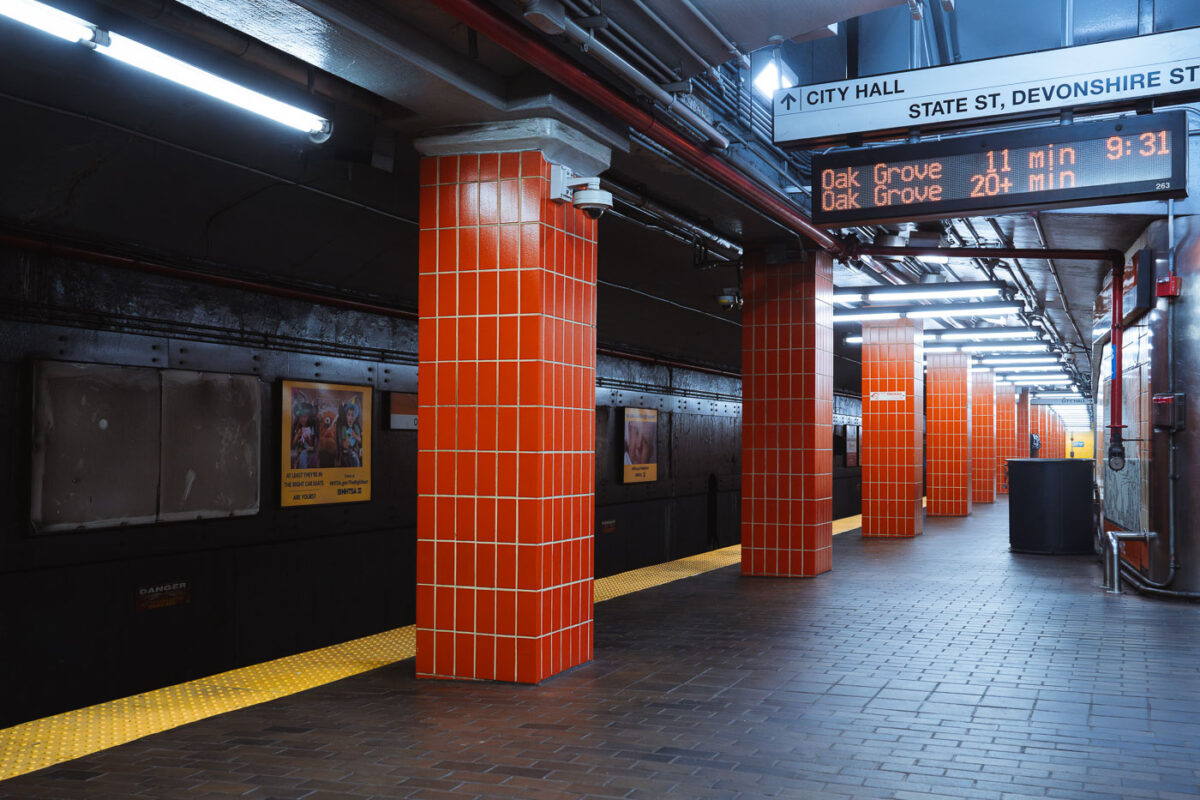
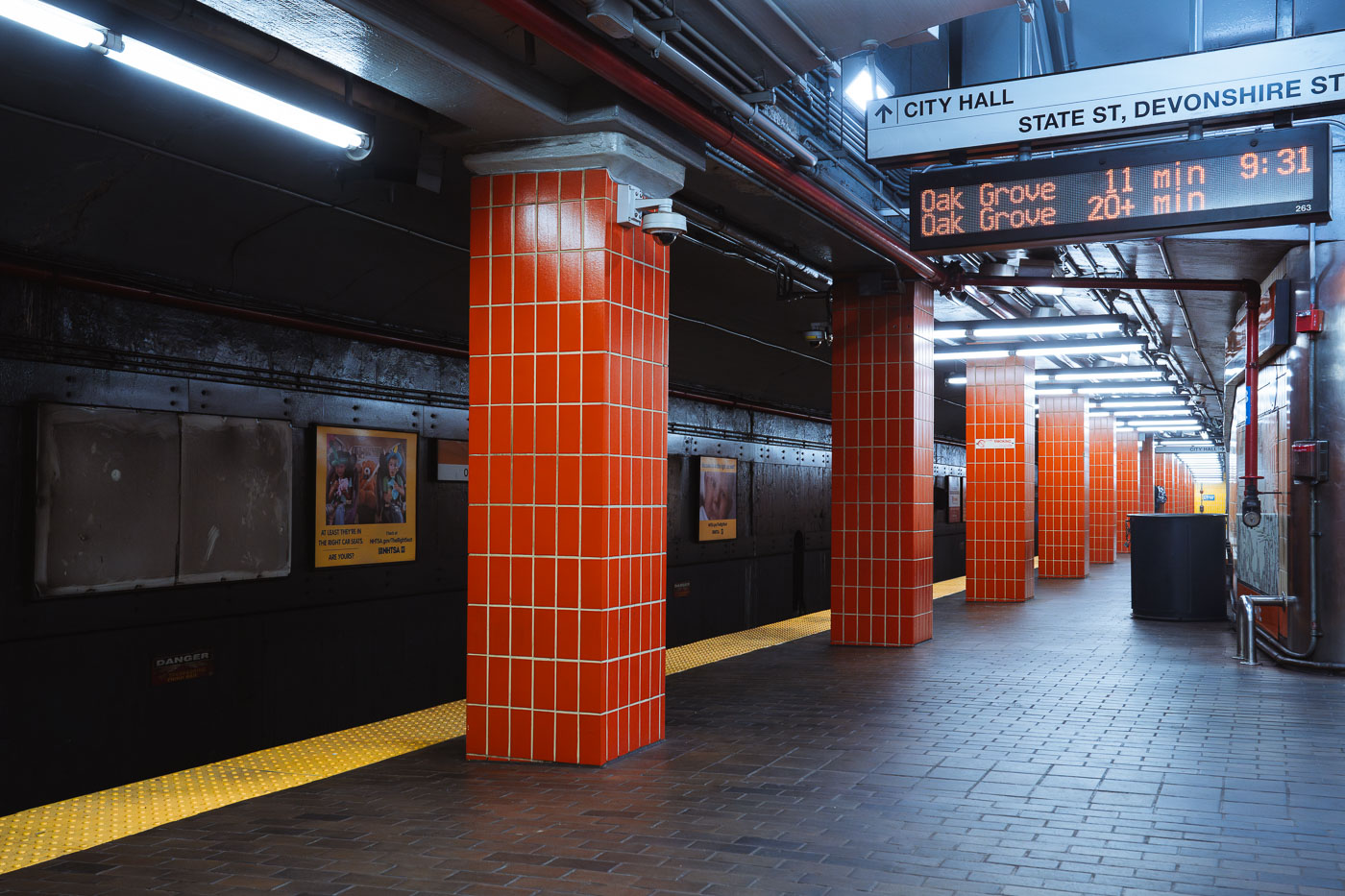
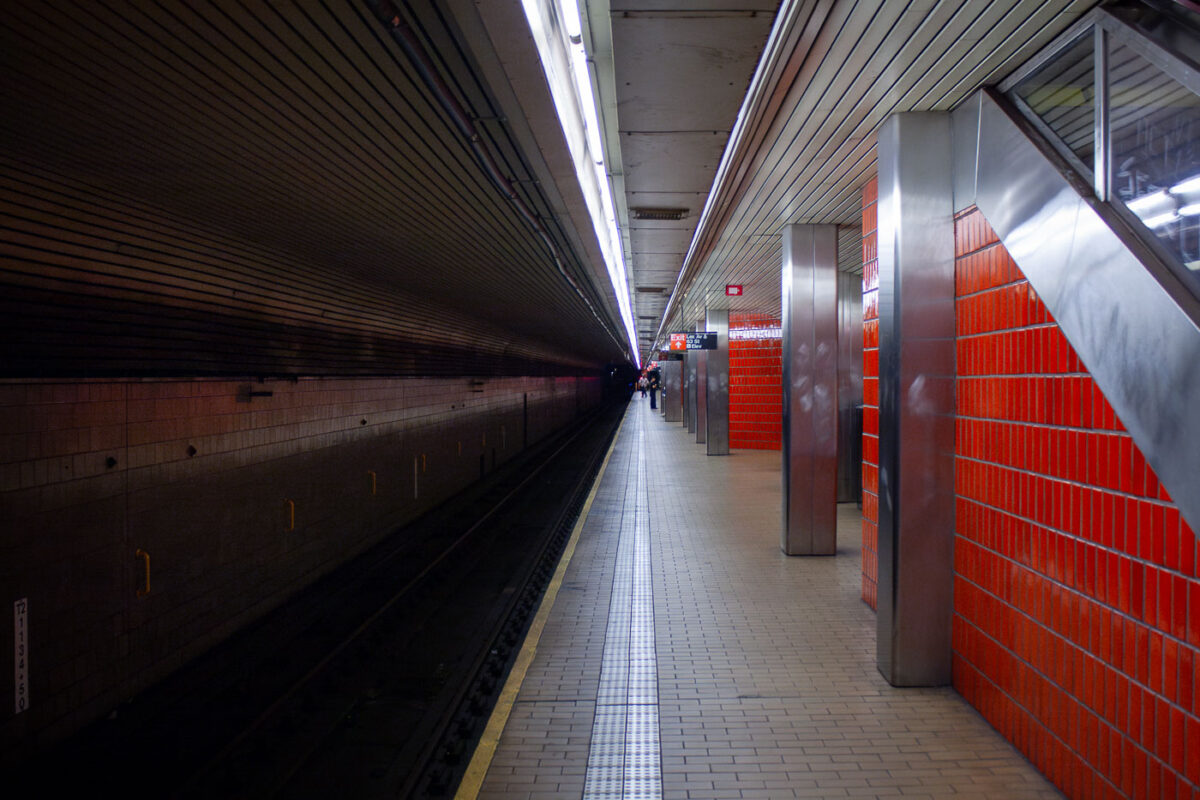
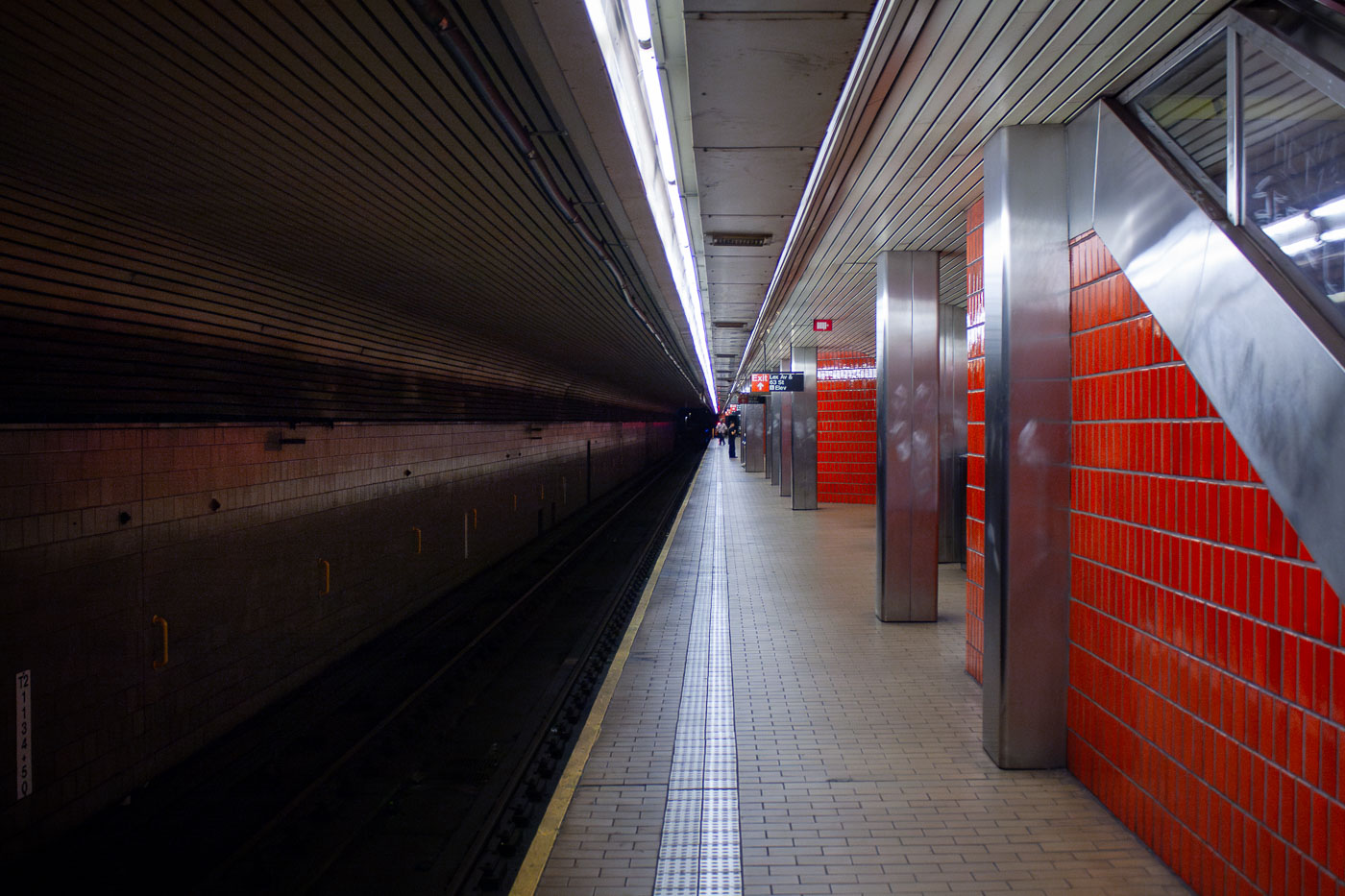
Platforms and waiting areas at the Lexington Avenue–63rd Street station in New York and State Station in Boston
September 28, 2008 - April 14, 2024
The platforms, tunnels, and concourses of urban rail systems carry millions of passengers while remaining among the least examined spaces in a city. Built to move people efficiently, they also accumulate decades of design decisions, infrastructure investment, and daily wear that tell a quiet story about how a city has grown.
The Lexington Avenue–63rd Street station in Manhattan opened in 1989 as part of the 63rd Street Tunnel project, a long-delayed link that finally connected the Upper East Side to Queens via the IND 63rd Street Line. The tunnel itself had been under intermittent construction since the 1960s, and the station's relatively modern finish reflects its late arrival in a system where most infrastructure dates to the early twentieth century.
State Station in downtown Boston sits at the corner of State and Devonshire streets and is one of the older stops in the MBTA network. The Washington Street Tunnel that houses the Orange Line platform opened in 1915, making it part of one of the earliest rapid transit tunnels in the United States. The station sits beneath the former center of colonial Boston and continues to serve as a transfer point between the Orange and Blue lines.